

 プレビュー
プレビュー
 シェアする
シェアする シェアする
シェアする
 詳細を見る
詳細を見る

 ダウンロード
 似ている作品
 X線調査
X線調査 スライドショー
 統計情報
統計情報Well of Life
 Art Nouveau
 1905
1905 125.0 x 250.0 cm
 詳細を見る
詳細を見る
手描き油彩複製画
当社のアーティストが、お客様のご希望のサイズと額縁に合わせて、キャンバスに手描きで制作する油彩画です。 ( プリント版に切り替え デジタル画像販売へ切り替え)




































作品のオリジナル比率に合わせた、当店の規定サイズからお選びください。

特定のフレームやスペースに合わせて、ご希望のサイズをご入力いただけます。選択されたサイズが元の画像の比率と異なる場合、アートワークをトリミングするか、手描きで要素を追加して絵画を拡張いたします。デジタルモックアップ を制作し、制作開始前にご確認(承認)をいただきます。
画面上のプレビューは、実際のトリミングや拡張を正確に反映しているものではありません。最終的な構図は、モックアップによってのみ正確にご確認いただけます。
カスタムサイズもご利用いただけますが、元の比率を維持するためには、あらかじめ用意されたリストからサイズを選択することをお勧めいたします。
ご注文後、ArtsDot.com チームより詳細な指示をお送りするとともに、仕上がりイメージ(モックアップ)をご提供いたします。


 ガラスオプションは、110cm未満のサイズでのみご利用いただけます。

Well of Life
複製技法
複製画のサイズ
-


合計金額
$ 413
The Well of Life: A Celebration of Humanity's Connection to Vitality
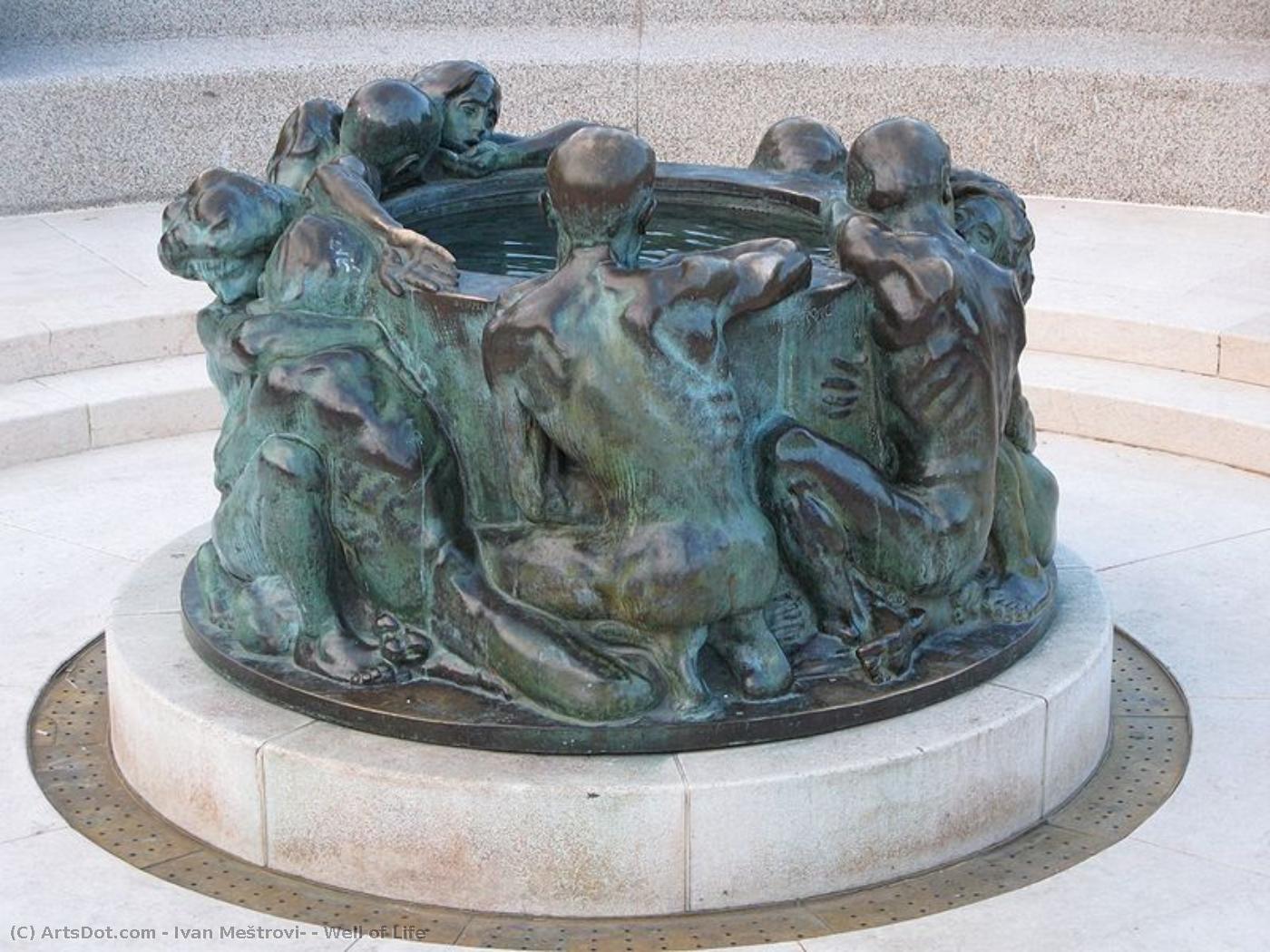
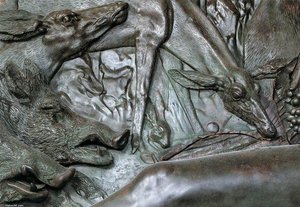
Ivan Meštrović’s "Well of Life," sculpted in 1905, is more than just a bronze fountain; it's a profound meditation on the human condition and our intrinsic link to life-giving sources. This monumental work, measuring 125 x 250 cm, depicts a dynamic circular composition teeming with figures surrounding a central well or basin – a potent symbol of sustenance, renewal, and community.
Art Nouveau Sensibility & Early Modernist Expression
The sculpture embodies the spirit of Art Nouveau while foreshadowing early Modernism. Meštrović masterfully blends flowing lines and organic forms characteristic of Art Nouveau with an expressive dynamism that anticipates later modernist movements. Influenced by classical Greek and Roman sculptures, Renaissance masters like Michelangelo, and French sculptors such as Auguste Rodin, Antoine Bourdelle, and Aristide Maillol, Meštrović created a unique synthesis of tradition and innovation. The bronze casting technique is evident in the rough, granular texture of the surface, showcasing the inherent beauty of the material and the artist's hand.
Symbolism & Narrative
“Well of Life” isn’t merely decorative; it’s rich with symbolic meaning. The well itself represents not just physical sustenance but also spiritual renewal and the source of eternal beauty. The figures, arranged in a continuous circle, depict individuals at various stages of life – from playful children to loving couples and an aged man gazing into the water with a touch of melancholy. This arrangement underscores themes of community, interconnectedness, and the cyclical nature of existence. The old man’s gaze suggests reflection on mortality and acceptance of life's inevitable passage, contrasting beautifully with the youthful exuberance surrounding him. The sculpture subtly conveys a narrative about humanity’s shared experience and our dependence on a vital source.
Emotional Resonance & Artistic Technique
The muted greens and browns of the aged bronze create a sense of timelessness and groundedness. Natural daylight accentuates the three-dimensional forms, casting shadows that deepen the sculpture's dramatic impact. The perspective, slightly low, emphasizes its grandeur and invites viewers to contemplate their own relationship with life’s essential elements. Meštrović’s skill in bronze casting is undeniable; the visible signs of the process contribute to the work’s raw beauty and tactile appeal. This piece evokes a sense of shared experience, interconnectedness, and ultimately, hope – a powerful testament to the enduring human spirit.
Historical Context & Legacy
Created during a period of significant artistic transition, "Well of Life" reflects the burgeoning modernist movement in Europe. Meštrović’s work challenged traditional academic styles and embraced a more expressive and emotionally resonant approach to sculpture. Initially exhibited in Vienna, it was later acquired for Zagreb, where it remains a beloved landmark and a powerful symbol of Croatian national identity. The sculpture's placement in front of the Croatian National Theatre further emphasizes its role as a cultural touchstone.
関連作品
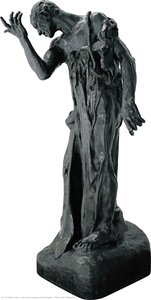
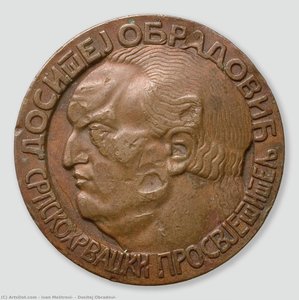
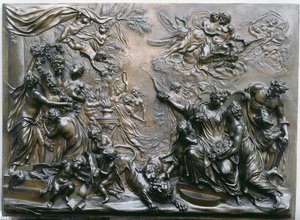
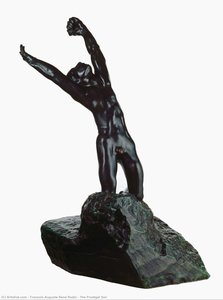
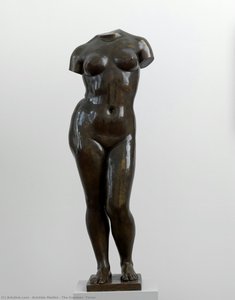
アーティストの略歴
Ivan Meštrović: Life and Legacy
Early Life and Education
Ivan Meštrović was born on August 14, 1883, in Vrbovec, Croatia (then part of Austria-Hungary). From a young age, he displayed a remarkable talent for sculpting. He began his artistic training at the stone workshop of Pavle Bilinić in Split, where he honed his skills in stonemasonry and sculpture. He continued his education at the Academy of Fine Arts Vienna, immersing himself in the Secessionist movement and its emphasis on modern aesthetics.
Influences and Artistic Development
Meštrović’s artistic development was profoundly shaped by his travels throughout Europe. He studied the works of ancient Greek and Roman sculptors, as well as Renaissance masters like Michelangelo. He also admired the work of French sculptors such as Auguste Rodin, Antoine Bourdelle, and Aristide Maillol. These influences are evident in his blend of classical forms with a modern sensibility.
- Early Works: His early sculptures often reflected national-romantic themes, inspired by Croatian folklore and heroic songs. He was a key figure in the Medulić group, advocating for art that celebrated Croatian identity.
- Monumental Style: Meštrović gradually developed a monumental style characterized by powerful figures and dynamic compositions.
Major Achievements and Works
Throughout his career, Meštrović created an extensive body of work encompassing sculpture, architecture, and writing. Some of his most notable achievements include:
- Sculptures: The Well of Life, Pieta, The Bowman, Dositej Obradović, and numerous portraits are among his most celebrated sculptures.
- Architectural Projects: He designed several significant buildings in Croatia and the United States, including the Archbishop’s Palace in Zagreb and the Shrine of Our Lady of Montserrat at the University of Notre Dame.
- Writing: Meštrović also authored several books on art and philosophy, reflecting his intellectual depth and artistic vision.
World Wars and Emigration
The First World War disrupted Meštrović’s career, forcing him into emigration. After the war, he returned to Croatia and continued his prolific work. However, political turmoil during World War II led to another period of exile. He emigrated to Italy in 1942, then Switzerland in 1943, and finally settled in the United States in 1947.
Later Life and Legacy
In the United States, Meštrović held professorships at Syracuse University and the University of Notre Dame. He continued to create art and share his knowledge with students until his death on January 16, 1962, in South Bend, Indiana.
Ivan Meštrović’s legacy as Croatia's most prominent modern sculptor remains secure. His work continues to inspire artists and captivate audiences worldwide. He is remembered for his masterful technique, powerful imagery, and profound exploration of human themes. His sculptures are testaments to the enduring power of art to express national identity, religious faith, and universal values.
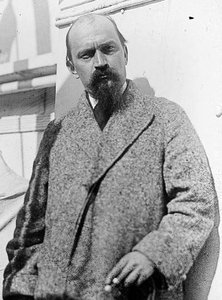
ivan meštrović
1883 - 1962 , Croatia
基本情報
- Birth Date: 1883
- Birth Place: Vrbovec, Croatia
- Death Date: 1962
- Influenced By:
- Michelangelo
- Auguste Rodin
- Antoine Bourdelle
- Aristide Maillol
- Movement: Art Nouveau, Modernism
- Name: Ivan Meštrović
- Nationality: Croatian, Yugoslav
- Notable Works:
- Well of Life
- Pieta
- The Bowman
関連記事

The Enduring Legacy of Bronze Sculpture: A Collector's Guide to Form & Cultural Significance
Explore the rich history & enduring appeal of bronze sculpture with expert insights for collectors at ArtsDot. Learn about casting techniques, iconic artists, and collecting tips to build a discerning art collection.

Bronze Sculptures That Defined Art History | ArtsDot
Journey through art history with our Top 10 bronze sculptures! Explore masterpieces by Rodin, Michelangelo & more. Discover stories behind iconic statues and find museum-quality reproductions for your home decor at ArtsDot.com.
The Enduring Legacy of Bronze: History, Technique & Artistic Expression for the Collector
Explore the rich history & enduring appeal of bronze sculpture with expert insights for collectors at ArtsDot. Learn about casting techniques, iconic artists, and collecting tips.

The Enduring Legacy of Bronze: A Historical & Artistic Exploration for the Collector
Explore the rich history & enduring appeal of bronze sculpture with expert insights for collectors at ArtsDot. Learn about casting techniques, iconic artists, collecting tips & contemporary interpretations.

Bronze Age to Modern Masters: 10 Sculptures That Redefined Art | ArtsDot
Journey through art history with 10 legendary bronze sculptures – from Michelangelo's David to Rodin’s Thinker. Explore the stories, techniques & timeless beauty of these masterpieces. Find museum-quality reproductions & elevate your home decor on ArtsDot.com.