

 プレビュー
プレビュー
 シェアする
シェアする シェアする
シェアする
 詳細を見る
詳細を見る

 ダウンロード
 似ている作品
 X線調査
X線調査 スライドショー
 統計情報
統計情報Well of Life
 Art Nouveau
 1905
1905 125.0 x 250.0 cm
 詳細を見る
詳細を見る
オンラインプレビューをはるかに凌ぐ、高解像度で鮮明なデジタル画像をご購入いただけます。
各ファイルは、社内の専門家が高度なツールと熟練した手作業によるレタッチを用いて、細心の注意を払って準備されています。すべての画像において、卓越した鮮明度、正確な色彩再現性、そして繊細なディテールを保証いたします。
最終ファイルは、プロフェッショナルな編集・印刷環境ですぐにご利用いただけるよう最適化された状態で、72時間以内にメールにてお届けいたします。これは、一流のデザインスタジオ、出版社、ギャラリーから信頼されているものと同等の品質です。
デジタルアート
個人での鑑賞、印刷、クリエイティブなプロジェクト用に、高解像度ファイルをダウンロードできます。 ( プリント版に切り替え 手描きの絵画を購入)
デジタル画像のご注文に付随する特典
高品質なデジタル画像配信を、確かな品質で。
ArtsDot.com を選ぶことは、単に画像を手に入れることではありません。それは、プロの手によって精密に仕上げられ、満足保証が付いた高品質なデジタルアートワークを受け取ることを意味します。ご注文いただいた際に自動的に付随する内容は、以下の通りです:

メールですぐにお届け
ご注文から72時間以内に、高解像度のデジタル画像ファイルがメールでお手元に届きます。すぐにそのままご利用いただけます。

AI技術で最適化されたデジタルファイル
お客様の作品は、高度なAIツールと専門家による手作業の編集を組み合わせてプロフェッショナルに最適化されており、細部のディテール、鮮明さ、そして正確な色再現性を最大限に引き出しています。

一生涯無料の再送サービス
ファイルを誤って削除したり、紛失してしまったりしましたか?ご安心ください。いつでも無料で再送いたします。

輸入手数料は一切かかりません
関税や手数料、配送料を気にすることなく、お気に入りのアートワークをすぐにお楽しみいただけます。デジタルダウンロードは常に免税です。

色彩再現の保証
プロ仕様のツールとカラーマネジメント技術を用いることで、デジタル画像が元の色を最大限に忠実に再現することを保証いたします。

100日間満足保証
ご購入いただいたデジタル画像にご満足いただけない場合は、100日以内であれば、理由を問わず修正または100%の返金対応をさせていただきます。

100% 返金保証
ご満足いただけない場合は、デジタルファイルを受け取ってから100日以内であれば、理由を問わず全額返金いたします。

まとめ買い割引
3枚購入で10%OFF - 5枚購入で15%OFF - 10枚以上購入で20%OFF。クリエイティブなプロジェクト、ギャラリー、エージェンシーに最適です。
The Well of Life: A Celebration of Humanity's Connection to Vitality
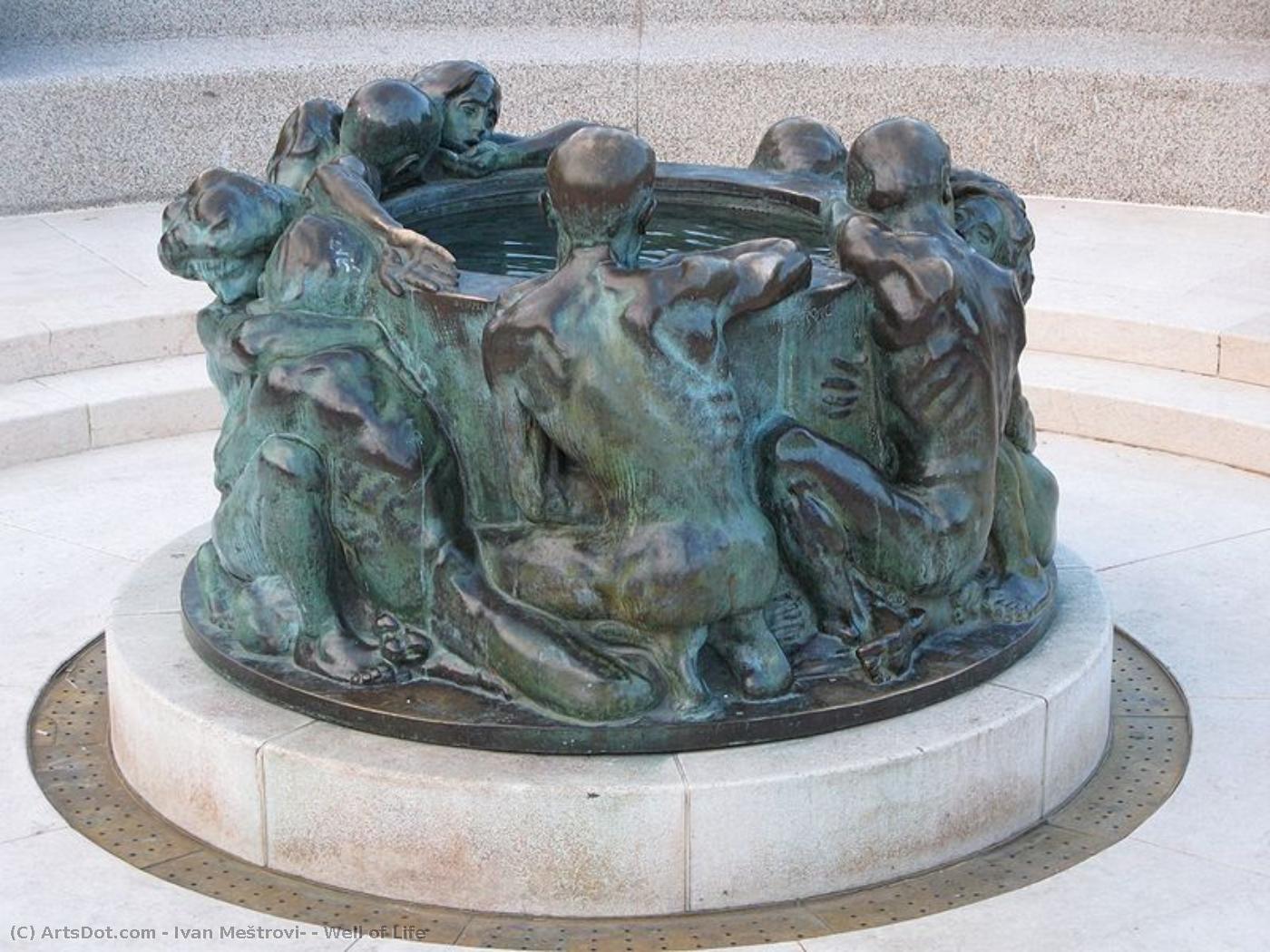
Ivan Meštrović’s "Well of Life," sculpted in 1905, is more than just a bronze fountain; it's a profound meditation on the human condition and our intrinsic link to life-giving sources. This monumental work, measuring 125 x 250 cm, depicts a dynamic circular composition teeming with figures surrounding a central well or basin – a potent symbol of sustenance, renewal, and community.
Art Nouveau Sensibility & Early Modernist Expression
The sculpture embodies the spirit of Art Nouveau while foreshadowing early Modernism. Meštrović masterfully blends flowing lines and organic forms characteristic of Art Nouveau with an expressive dynamism that anticipates later modernist movements. Influenced by classical Greek and Roman sculptures, Renaissance masters like Michelangelo, and French sculptors such as Auguste Rodin, Antoine Bourdelle, and Aristide Maillol, Meštrović created a unique synthesis of tradition and innovation. The bronze casting technique is evident in the rough, granular texture of the surface, showcasing the inherent beauty of the material and the artist's hand.
Symbolism & Narrative
“Well of Life” isn’t merely decorative; it’s rich with symbolic meaning. The well itself represents not just physical sustenance but also spiritual renewal and the source of eternal beauty. The figures, arranged in a continuous circle, depict individuals at various stages of life – from playful children to loving couples and an aged man gazing into the water with a touch of melancholy. This arrangement underscores themes of community, interconnectedness, and the cyclical nature of existence. The old man’s gaze suggests reflection on mortality and acceptance of life's inevitable passage, contrasting beautifully with the youthful exuberance surrounding him. The sculpture subtly conveys a narrative about humanity’s shared experience and our dependence on a vital source.
Emotional Resonance & Artistic Technique
The muted greens and browns of the aged bronze create a sense of timelessness and groundedness. Natural daylight accentuates the three-dimensional forms, casting shadows that deepen the sculpture's dramatic impact. The perspective, slightly low, emphasizes its grandeur and invites viewers to contemplate their own relationship with life’s essential elements. Meštrović’s skill in bronze casting is undeniable; the visible signs of the process contribute to the work’s raw beauty and tactile appeal. This piece evokes a sense of shared experience, interconnectedness, and ultimately, hope – a powerful testament to the enduring human spirit.
Historical Context & Legacy
Created during a period of significant artistic transition, "Well of Life" reflects the burgeoning modernist movement in Europe. Meštrović’s work challenged traditional academic styles and embraced a more expressive and emotionally resonant approach to sculpture. Initially exhibited in Vienna, it was later acquired for Zagreb, where it remains a beloved landmark and a powerful symbol of Croatian national identity. The sculpture's placement in front of the Croatian National Theatre further emphasizes its role as a cultural touchstone.
関連作品

作家の略歴
Ivan Meštrović: Life and Legacy
Early Life and Education
Ivan Meštrović was born on August 14, 1883, in Vrbovec, Croatia (then part of Austria-Hungary). From a young age, he displayed a remarkable talent for sculpting. He began his artistic training at the stone workshop of Pavle Bilinić in Split, where he honed his skills in stonemasonry and sculpture. He continued his education at the Academy of Fine Arts Vienna, immersing himself in the Secessionist movement and its emphasis on modern aesthetics.
Influences and Artistic Development
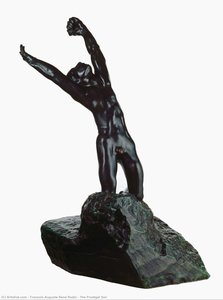
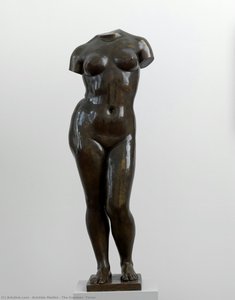
Meštrović’s artistic development was profoundly shaped by his travels throughout Europe. He studied the works of ancient Greek and Roman sculptors, as well as Renaissance masters like Michelangelo. He also admired the work of French sculptors such as Auguste Rodin, Antoine Bourdelle, and Aristide Maillol. These influences are evident in his blend of classical forms with a modern sensibility.
- Early Works: His early sculptures often reflected national-romantic themes, inspired by Croatian folklore and heroic songs. He was a key figure in the Medulić group, advocating for art that celebrated Croatian identity.
- Monumental Style: Meštrović gradually developed a monumental style characterized by powerful figures and dynamic compositions.
Major Achievements and Works
Throughout his career, Meštrović created an extensive body of work encompassing sculpture, architecture, and writing. Some of his most notable achievements include:
- Sculptures: The Well of Life, Pieta, The Bowman, Dositej Obradović, and numerous portraits are among his most celebrated sculptures.
- Architectural Projects: He designed several significant buildings in Croatia and the United States, including the Archbishop’s Palace in Zagreb and the Shrine of Our Lady of Montserrat at the University of Notre Dame.
- Writing: Meštrović also authored several books on art and philosophy, reflecting his intellectual depth and artistic vision.
World Wars and Emigration
The First World War disrupted Meštrović’s career, forcing him into emigration. After the war, he returned to Croatia and continued his prolific work. However, political turmoil during World War II led to another period of exile. He emigrated to Italy in 1942, then Switzerland in 1943, and finally settled in the United States in 1947.
Later Life and Legacy
In the United States, Meštrović held professorships at Syracuse University and the University of Notre Dame. He continued to create art and share his knowledge with students until his death on January 16, 1962, in South Bend, Indiana.
Ivan Meštrović’s legacy as Croatia's most prominent modern sculptor remains secure. His work continues to inspire artists and captivate audiences worldwide. He is remembered for his masterful technique, powerful imagery, and profound exploration of human themes. His sculptures are testaments to the enduring power of art to express national identity, religious faith, and universal values.
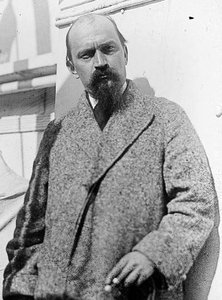
ivan meštrović
1883 - 1962 , Croatia
プロフィール概要
- Birth Date: 1883
- Birth Place: Vrbovec, Croatia
- Death Date: 1962
- Influenced By:
- Michelangelo
- Auguste Rodin
- Antoine Bourdelle
- Aristide Maillol
- Movement: Art Nouveau, Modernism
- Name: Ivan Meštrović
- Nationality: Croatian, Yugoslav
- Notable Works:
- Well of Life
- Pieta
- The Bowman