

 プレビュー
プレビュー
 シェアする
シェアする シェアする
シェアする
 詳細を見る
詳細を見る

 ダウンロード
 似ている作品
 X線調査
X線調査 スライドショー
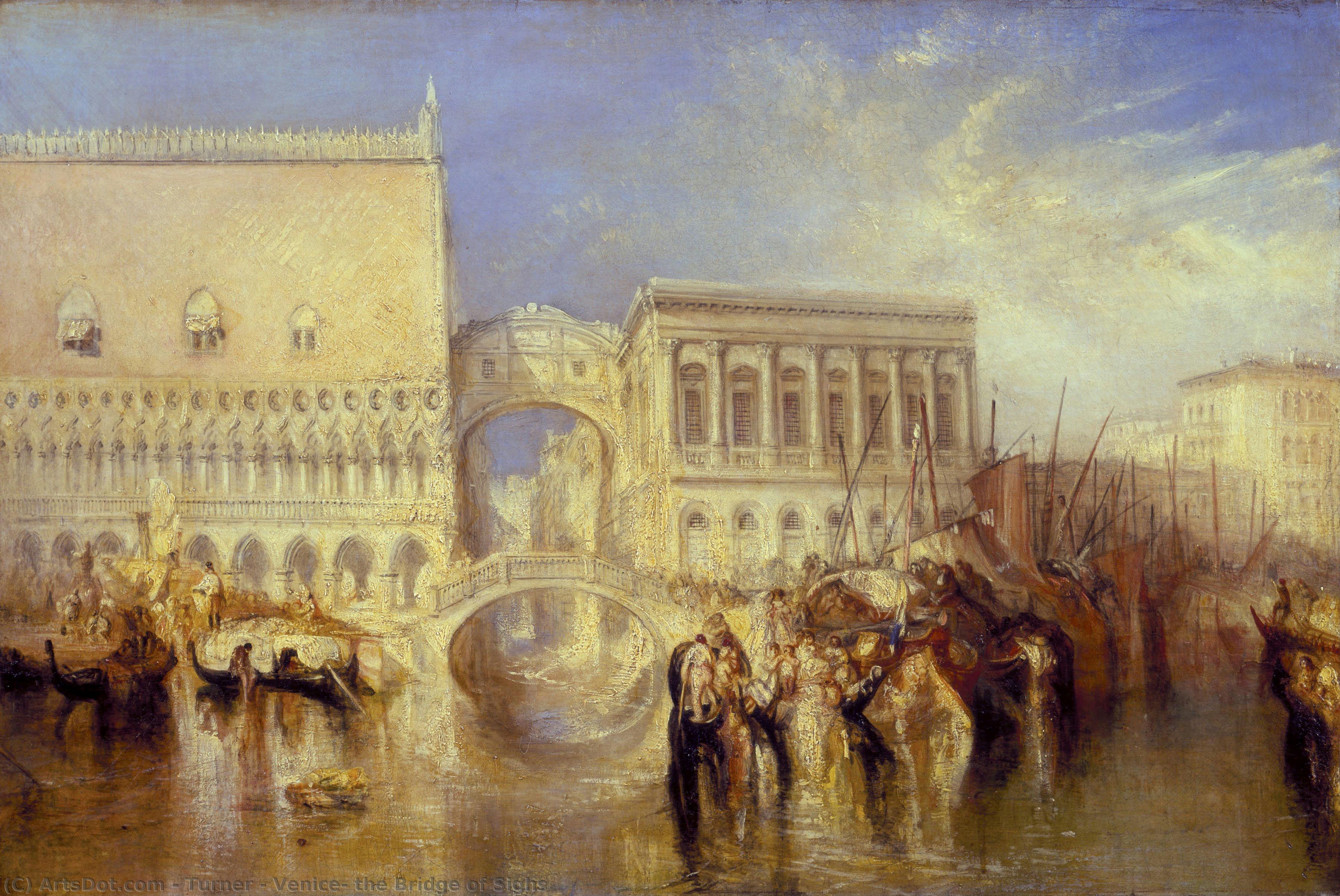
Venice, the Bridge of Sighs
 Acrylic On Canvas
- WallArt
- Romanticism
 1840
1840 91.0 x 68.0 cm
 テート・ブリテン
 詳細を見る
詳細を見る
ジークレー/アートプリント
迅速な制作と多彩な仕上げオプションを備えた、ミュージアムクオリティのジークレーまたはキャンバスプリント。 ( 手描きの絵画を購入 画像を購入)




P118B $10

P118H $10

P118W $10

P438Z $10

P508JH $12

P508YH $12

P805H $10

P805Z $10

P919BZ $10

P919G $10

P919XJ $10

P959ZH $10

P968JZ $12

W106C $8

W218G $10

W218JH $8

W218Y $10

W307PJ $10

W316G $10

W316PJ $8

W316Y $10

W398PJ $8

W4111J $10

W500HY $15

W500JH $15

W692G $12

W849H $8

W940BG $15

W953PJ $8




作品のオリジナル比率に合わせた、当店の規定サイズからお選びください。

特定のフレームやスペースに合わせて、ご自身でサイズを指定することも可能です。選択されたサイズが元の画像の比率と一致しない場合、作品をトリミングするか、鏡面反射または単色での塗りつぶしによって画像を拡張いたします。制作を開始する前に、ご確認用のデジタルモックアップをお送りいたします。
画面上のプレビューには、実際のトリミングや拡張は反映されませんのでご注意ください。最終的な構図を正確に確認できるのは、モックアップのみとなります。
カスタムサイズも承っておりますが、元の比率を維持するためには、あらかじめ用意されたリストからサイズを選択することをお勧めいたします。


 ガラスオプションは、110cm未満のサイズでのみご利用いただけます。

Venice, the Bridge of Sighs
ジークレー/アートプリント
複製画のサイズ
-


合計金額
$ 62
作品詳細説明
A Venetian Echo: Turner’s ‘Venice, the Bridge of Sighs’
J.M.W. Turner's “Venice, the Bridge of Sighs,” painted in 1840, isn’t merely a depiction of a city; it’s an immersion into its very soul. This evocative cityscape transcends simple representation, capturing not just the physical beauty of Venice but also the melancholic weight of history and the ephemeral nature of light itself. The painting immediately draws the viewer into a scene thick with atmosphere – a hazy, almost dreamlike quality that defines Turner's signature style. It’s a moment suspended in time, where the grandeur of Venetian architecture meets the subtle shifts of twilight, creating an experience far richer than a simple visual record.
Turner’s choice to focus on the Bridge of Sighs is profoundly significant. Constructed in 1602 to connect the Doge's Palace with the prisons, this bridge carries within it layers of sorrow and transition. Originally designed as a passageway for prisoners to view Venice one last time before their incarceration, its name – “Ponte dei Sospiri” – translates to “Bridge of Sighs,” reflecting the despair and regret felt by those traversing it. Turner masterfully utilizes this historical context, imbuing the bridge with an almost palpable sense of sadness and loss. The muted palette—predominantly grays, browns, blues, and subtle yellows—further enhances this mood, mirroring the fading light and the somber atmosphere of Venice at dusk.
The Dance of Light and Color
Turner’s technique is a marvel of atmospheric perspective and layered brushwork. He employs a loose, expressive style, abandoning precise detail in favor of capturing the *feeling* of the scene. Thin washes of paint are meticulously built up to create depth and luminosity, particularly evident in the reflections shimmering on the water – these aren't merely mirrored images but vibrant extensions of the sky above. The artist’s use of color is masterful; he doesn’t attempt to replicate reality with photographic accuracy but instead uses hues to evoke mood and emotion. Notice how the warmer tones of the buildings contrast sharply with the cooler blues and grays of the water, creating a dynamic interplay that draws the eye across the canvas.
The composition itself is carefully considered. The bridge acts as a powerful vertical anchor, bisecting the scene and drawing the viewer’s gaze towards the distant palaces. Diagonal lines created by the waterways and boats add movement and dynamism to the otherwise static landscape. Turner's skill lies in his ability to convey vastness and depth within a relatively small format, creating an illusion of space that is both breathtaking and subtly unsettling.
Symbolism and Emotional Resonance
Beyond its technical brilliance, “Venice, the Bridge of Sighs” resonates deeply with viewers on an emotional level. The painting speaks to themes of transience, memory, and the passage of time. Turner’s loose brushwork suggests a fleeting moment, as if he's capturing a dream or a fading recollection. The bridge itself becomes a symbol of both confinement and liberation—a reminder of Venice’s complex history and its enduring allure. The inclusion of Byron’s lines from *Childe Harold’s Pilgrimage* – “I stood upon a bridge, a palace and / A prison on each hand” – further reinforces this sense of melancholy and the bittersweet beauty of the scene.
A Legacy in Oil
Executed in oil on canvas, the painting retains a remarkable immediacy. Turner’s technique—characterized by rapid brushstrokes and a willingness to let the paint speak for itself—creates a textured surface that invites close examination. The work is currently held at Tate Britain, a testament to its enduring significance within the art world. Reproductions of “Venice, the Bridge of Sighs” offer an accessible way to experience Turner’s genius, allowing viewers to appreciate the intricate details and atmospheric depth of this iconic masterpiece. It remains a powerful reminder of the beauty, mystery, and poignant history of Venice – a city forever etched in the collective imagination.
関連作品
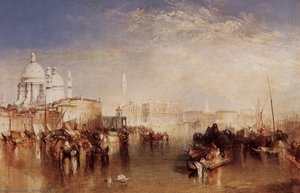
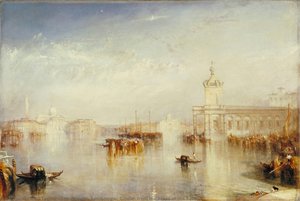
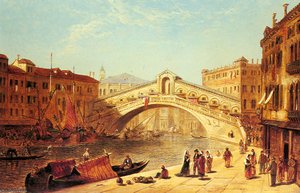
アーティストの略歴
光で描かれた生涯:J.M.W. ターナーの世界
J.M.W. ターナーの名で世界に知られるジョセフ・マロード・ウィリアム・ターナーは、単なる画家ではありませんでした。彼は風景画の概念を再定義し、現代の抽象表現への道を切り拓いた先見の明を持つ芸術家でした。1775年、ロンドンのコヴェント・ガーデン、メイデン・レーンに生まれた彼の出自は、理髪師でありカツラ職人であった父を持つ、控えめなものでした。しかし、幼少期からその内には驚くべき才能が芽生えていました。わずか14歳でロイヤル・アカデミーに入学し、そのわずか1年後には最初の作品を展示しています。この初期の有望さは、単なる技術的な習熟に留まるものではありませんでした。それは、後の輝かしいキャリアの代名詞となる、光、色彩、そして大気に対する天賦の理解を予感させるものでした。彼は建築図面家としての実務経験を通じて芸術教育を補い、遠近法や構図の能力を磨き上げました。その研ぎ澄まされた技術は、緻密な地形図的な風景から、感情を揺さぶる広大な風景画に至るまで、あらゆる描写において計り知れない価値を発揮することになります。ターナーの若き日々は、天性の素質と芸術的卓越性への飽くなき追求に支えられた、自らの技への献身によって刻まれていました。ロマン主義の嵐:様式と影響
ターナーはロマン主義時代の絶頂期に登場しましたが、単にその慣習に従うだけの画家ではありませんでした。彼は様々な源泉から影響を吸収しました。クロード・ロランやエルバート・カイプといったオランダの巨匠からは、その光り輝く風景画から学び、リチャード・ウィルソンのような芸術家からは、自然への詩的なアプローチを受け継ぎました。しかし、ターナーは単なる模倣に留まらず、これらの影響を統合して全く新しい何かを生み出したのです。彼の作品は表現豊かな色彩の使用を特徴とし、しばしば大胆なコントラストと鮮やかな色調を用いて、感情や情緒を伝えます。彼は自然が持つ力強さとドラマに魅了されました。荒れ狂う海、燃えるような夕日、そして渦巻く嵐は、彼の絵画における繰り返されるモチーフとなりました。彼は単に目に見えるものを描写することに関心があったのではありません。彼はその場所の「感覚」、すなわち自然界が呼び起こす崇高な畏怖の念を捉えようとしたのです。この探求は、次第に筆致を緩め、形態を色彩と光の層へと溶け込ませる実験的な手法へと彼を導きました。これは数十年後の印象派運動を先取りする技法でした。1840年以降、風景画を批評的な称賛の新たな高みへと引き上げたジョン・ラスキンの支持により、彼の作品は大きな評価を獲得することとなります。多作なる遺産:ターナーの創作の規模
ターナーが残した芸術的成果の量は、驚くべきものです。彼は550点を超える油彩画、2,000点近い水彩画、そして驚異的な3万点もの紙作品を生み出しました。この多作さは単なる量の問題ではありません。それは、異なる主題、技法、様式に対する彼の絶え間ない探求の反映でした。その画題は、イギリスの風景を描いた緻密な地形図的視点から、劇的な歴史的場面、そして情緒豊かな海洋画まで多岐にわたります。彼は、田園風景の静寂を捉えることにも、猛り狂う嵐の恐ろしい力を描き出すことにも、等しく長けていました。「ヴィミュー砦」のような作品は、渦巻く雲、打ち寄せる波、そして強烈な光といった大気効果を描き出す彼の卓越した技量を象徴しています。同様に、「カンパーニャの風景」では、繊細な筆致と光り輝く色彩によって、イタリアの田園地帯の温もりと静謐さを捉える能力が示されています。絵画にとどまらず、ターナーは熟練した版画家でもあり、エッチングやリトグラフを通じて自らの芸術的ビジョンをさらに広く普及させました。奇行と追憶:傑作の背後にいた人物
ターナーの私生活は、その芸術と同様に複雑で謎に満察したものでした。彼は極めてプライベートな存在であり、社交の場を避け、アトリエの孤独や開かれた道での旅を好む隠遁的な生活を送りました。彼は、仲間の芸術家の妻であったサラ・ダンビーとの間にエヴェリーナとジョージアナという二人の娘をもうけましたが、彼女たちとは疎遠な関係を保っていました。晩年は、ますます強まる奇行と健康の衰えが目立つようになりました。1829年に父を亡くした後、彼はますます陰鬱で引きこもりがちになり、荒れた生活の中で身なりを顧みることもなくなりました。正体を隠すために「ブース氏」という偽名を用いることもあり、国勢調査の際には追跡を逃れるためにボートでテムズ川へと漕ぎ出したことさえあります。こうした奇行にもかかわらず、あるいはそれゆえに、ターナーは今なおイギリスで最も愛される芸術家の一人であり続けています。最期の日々はチェルシーで過ごされ、1851年12月19日、76歳でその生涯を閉じました。彼の不朽の遺産へのふさわしい献辞として、彼は他のイギリスの偉人たちと共にセント・ポール大聖堂に埋葬されています。これは、芸術と文化に対する彼の深い影響力の証です。彼の作品は今もなお世界中の芸術家にインスピレーションを与え、観衆を魅了し続けており、J.M.W. ターナーの放つ光が、これからの世代へと輝き続けることを約束しています。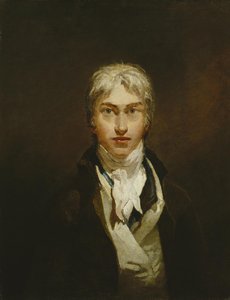
J.M.W. ターナー
1775 - 1851
基本情報
- Artistic Movement Or Style: ロマン主義
- Artists Or Movements Influenced By This Artist:
- 印象派
- 抽象芸術
- Artists Who Influenced This Artist:
- ジョン・ロバート・コゼンス
- リチャード・ウィルソン
- Date Of Birth: 1775年4月23日
- Date Of Death: 1851年12月19日
- Full Name: ジョセフ・マロード・ウィリアム・ターナー
- Nationality: イギリス
- Notable Artworks:
- ヴィミュー要塞
- カンパーニャの風景
- Place Of Birth: イギリス、ロンドン
関連記事

ジョン・コンスタブルの傑作25選:英国風景画の巨匠が描く自然と光の詩 | ArtsDot
ジョン・コンスタブルの傑作25選。英国風景画の巨匠が描く自然と光の詩の世界へ。ロマン主義を代表する絵画、デダム・ヴェールやヘイ・ウェインなど、ArtsDotで高品質なアートプリントをお楽しみください。インテリアに深みと感動を。コレクションはこちら。

ロマン派ランドスケープ:時代を彩る巨匠の10選|アートとインテリアの世界
ロマン派絵画の時代を彩る10選。巨匠たちの風景が織りなす感動の世界へ。ターナー、ルーベンスなど、名作の裏話と高精細複製でアートをお部屋に。ArtsDot.comで至福のアート体験を。

Evocations of Place: A Historical Journey Through Landscape Art
Explore the rich history of landscape art with ArtsDot. Discover renowned artists, movements like Impressionism & Romanticism, and expert guidance for collecting timeless pieces. Find your perfect serene escape today!
J.M.W. Turner: Light, Atmosphere & the Romantic Sublime
Explore the life & art of J.M.W. Turner, a master of Romantic landscape painting. Discover his innovative techniques, key works, and lasting influence on Impressionism. Find high-quality reproductions at ArtsDot.

Evocations of Place: A Historical Journey Through Landscape Art
Explore the rich history of landscape art with ArtsDot. Discover renowned artists, movements like Impressionism & tonalism, and expert guidance for collecting timeless pieces. Find your perfect serene escape today!

