

 プレビュー
プレビュー
 プリントを購入
 シェアする
シェアする シェアする
シェアする
 詳細を見る
詳細を見る

 ダウンロード
 似ている作品
 X線調査
X線調査 スライドショー
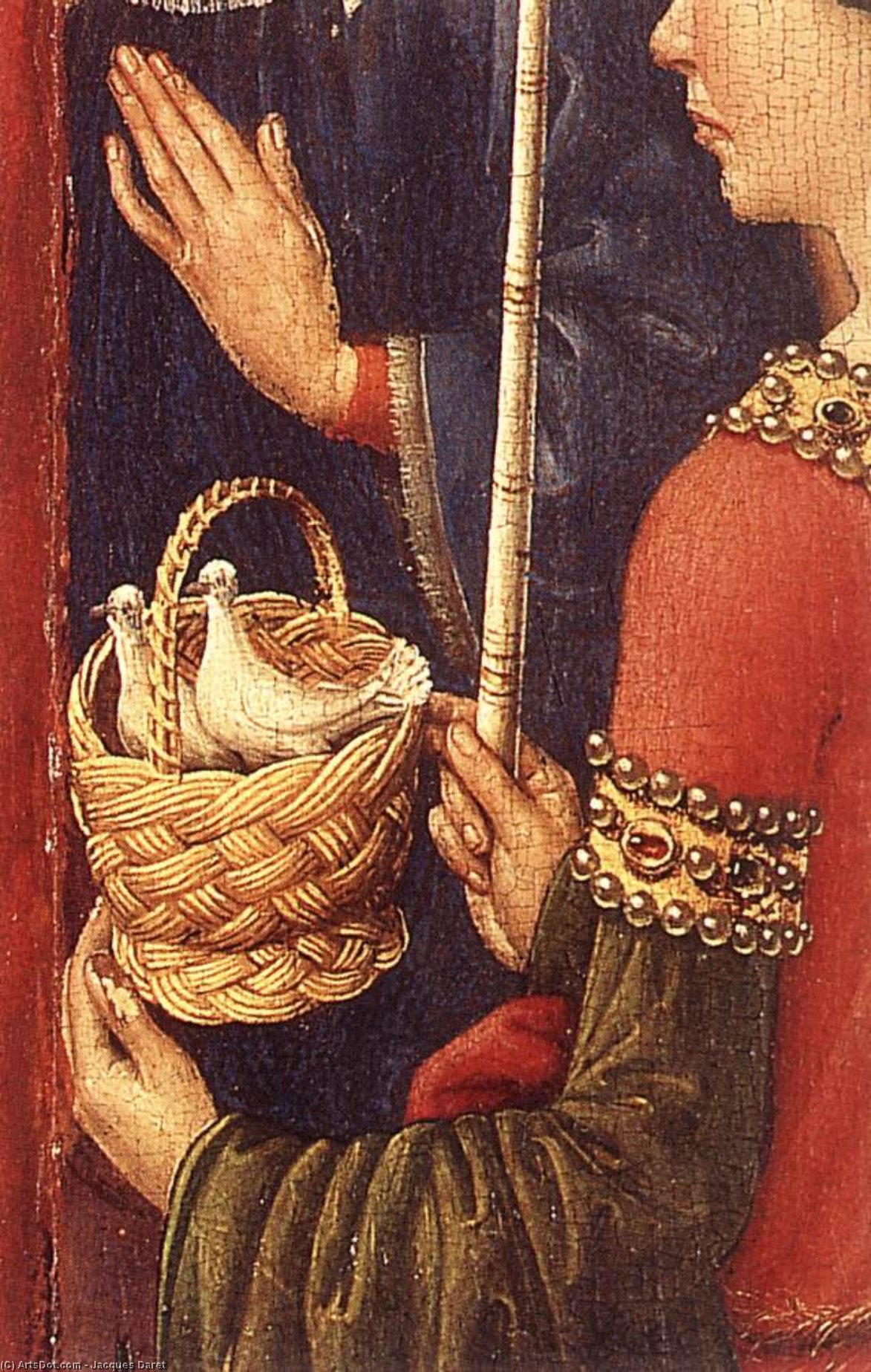
Altarpiece of the Virgin (detail)


 詳細を見る
詳細を見る
オンラインプレビューをはるかに凌ぐ、高解像度で鮮明なデジタル画像をご購入いただけます。
各ファイルは、社内の専門家が高度なツールと熟練した手作業によるレタッチを用いて、細心の注意を払って準備されています。すべての画像において、卓越した鮮明度、正確な色彩再現性、そして繊細なディテールを保証いたします。
最終ファイルは、プロフェッショナルな編集・印刷環境ですぐにご利用いただけるよう最適化された状態で、72時間以内にメールにてお届けいたします。これは、一流のデザインスタジオ、出版社、ギャラリーから信頼されているものと同等の品質です。
デジタル画像のご注文に付随する特典
高品質なデジタル画像配信を、確かな品質で。
ArtsDot.com を選ぶことは、単に画像を手に入れることではありません。それは、プロの手によって精密に仕上げられ、満足保証が付いた高品質なデジタルアートワークを受け取ることを意味します。ご注文いただいた際に自動的に付随する内容は、以下の通りです:

メールですぐにお届け
ご注文から72時間以内に、高解像度のデジタル画像ファイルがメールでお手元に届きます。すぐにそのままご利用いただけます。

AI技術で最適化されたデジタルファイル
お客様の作品は、高度なAIツールと専門家による手作業の編集を組み合わせてプロフェッショナルに最適化されており、細部のディテール、鮮明さ、そして正確な色再現性を最大限に引き出しています。

一生涯無料の再送サービス
ファイルを誤って削除したり、紛失してしまったりしましたか?ご安心ください。いつでも無料で再送いたします。

輸入手数料は一切かかりません
関税や手数料、配送料を気にすることなく、お気に入りのアートワークをすぐにお楽しみいただけます。デジタルダウンロードは常に免税です。

色彩再現の保証
プロ仕様のツールとカラーマネジメント技術を用いることで、デジタル画像が元の色を最大限に忠実に再現することを保証いたします。

60日間満足保証
ご購入いただいたデジタル画像にご満足いただけない場合は、60日以内であれば、修正または100%の返金(理由を問う必要はありません)をさせていただきます。

100% 返金保証
ご満足いただけない場合は、デジタルファイルを受け取ってから60日以内であれば、理由を問わず全額返金いたします。

まとめ買い割引
3枚購入で10%OFF - 5枚購入で15%OFF - 10枚以上購入で20%OFF。クリエイティブなプロジェクト、ギャラリー、エージェンシーに最適です。
作品の詳細
Composition and Symbolism
The Altarpiece of the Virgin features two figures in the foreground, interacting with each other in a symbolic exchange. One figure holds a basket containing birds or doves, which represent peace or the Holy Spirit in religious art. The other figure holds a staff and gestures towards the basket, possibly indicating an offering. The background features a red curtain, typical of altarpieces, which frames the scene and draws attention to the figures. Key elements of the painting include fine brushwork, detailed textures, and a limited color palette with dominant tones of red, blue, and gold. These characteristics are common in Gothic art and add depth and meaning to the composition. The Musée du Petit Palais is home to an impressive collection of French paintings, sculptures, and artifacts, including works by other notable artists such as Lorenzo Monaco and Gustave Courbet.- View the Altarpiece of the Virgin (detail) by Jacques Daret
- Discover more about the Altarpiece of the Virgin by Jacques Daret
- Explore the Musée du Petit Palais collection and learn more about Jacques Daret and other artists
The Altarpiece of the Virgin by Jacques Daret is a remarkable example of Gothic art, showcasing the artist's skill and attention to detail. This painting is a must-see for anyone interested in art history and the works of Jacques Daret.
関連作品






作家の略歴
Leon Battista Alberti: The Architect of Renaissance Thought
Leon Battista Alberti, born in Genoa in 1404 and passing away in Rome in 1472, stands as a towering figure in the transition from medieval to Renaissance thought. More than simply an architect, artist, or humanist scholar, he embodied the ideal of the “universal man”—a concept central to the burgeoning intellectual climate of his era. His profound impact on art theory and practice, coupled with his innovative contributions across numerous disciplines, cemented his legacy as a foundational figure in Western culture. Alberti’s life was one of relentless curiosity and an unyielding pursuit of knowledge, shaping not only his own work but also influencing generations of artists and thinkers to come.- Early Life and Education: Born into a wealthy Genoese merchant family, Alberti's upbringing instilled in him a deep appreciation for mathematics, logic, and the practical arts – skills crucial for managing a burgeoning trade empire. Despite his noble lineage, he was sent to Bologna to study law, a common path for young men of his social standing. However, it was during his time in Florence that Alberti’s true intellectual journey began. He immersed himself in the study of classical literature and philosophy, encountering the humanist ideals championed by figures like Petrarch and Boccaccio.
- Rome and Papal Patronage: Seeking a more stimulating environment for his studies, Alberti traveled to Rome in 1431, entering the service of the papal court under Pope Martin V. This period proved transformative, exposing him to the grandeur of ancient Roman ruins – a source of immense inspiration that would profoundly shape his architectural designs. He also took holy orders, becoming a priest and dedicating himself to the pursuit of knowledge within the Church’s intellectual sphere.
Architectural Innovation: Bridging Antiquity and Modernity
Alberti's architectural achievements are arguably his most enduring legacy. Rejecting the Gothic style prevalent at the time, he sought to revive the principles of classical Roman architecture, believing that these forms represented the pinnacle of aesthetic perfection. His treatise *De re aedificatoria* (On Architecture), published in 1452, became a seminal work, outlining his theories on proportion, harmony, and perspective – essentially providing a blueprint for Renaissance architecture.- Key Architectural Works: Alberti’s designs are characterized by their meticulous attention to detail, mathematical precision, and harmonious proportions. Notable examples of his architectural prowess include the Tempio Malatestiano in Rimini, a stunning example of early Renaissance design that seamlessly blends classical elements with innovative structural solutions; the Palazzo Rucellai in Florence, showcasing a refined façade based on Roman precedents; and the Basilica of Sant’Andrea in Mantua, a masterpiece of civic architecture.
- The Principles of Design: Alberti's architectural philosophy revolved around the concept of “proportion,” arguing that all elements within a building should be related to one another in a harmonious and balanced manner. He emphasized the importance of symmetry, order, and clarity – principles derived from his study of classical architecture and mathematical ratios.
Beyond Architecture: A Polymathic Mind
Alberti’s intellectual curiosity extended far beyond the realm of architecture. He was a prolific writer, producing treatises on painting (*De pictura*), sculpture (*De statua*), and cryptography. His work in mathematics demonstrated a deep understanding of geometry and perspective, contributing significantly to the development of these fields. Furthermore, he wrote extensively on languages, including Latin, Italian, Greek, and Hebrew, mastering their grammar and rhetoric with remarkable skill.- Cryptography and Renaissance Secrets: Alberti is widely considered the founder of modern cryptography, developing a complex cipher system that was used for centuries. His work in this area reveals a keen interest in secrecy and security – subjects that were increasingly relevant during the tumultuous political landscape of the Italian Renaissance.
- The “Universal Man” Ideal: Alberti’s diverse range of interests and accomplishments perfectly exemplified the humanist ideal of the “universal man”—an individual capable of excelling in multiple fields of knowledge and endeavor. This concept reflected a broader cultural shift during the Renaissance, emphasizing human potential and intellectual achievement.
Legacy and Influence: Shaping the Renaissance and Beyond
Leon Battista Alberti’s influence on art and architecture is immeasurable. His *De re aedificatoria* became a foundational text for generations of architects, shaping the course of Western architectural design. His theories on perspective revolutionized painting, influencing artists such as Leonardo da Vinci and Raphael. Moreover, his emphasis on humanism and intellectual curiosity helped to usher in a new era of artistic and philosophical inquiry.- Vasari’s Account: Alberti's life and work were documented by Giorgio Vasari in *Lives of the Most Excellent Painters, Sculptors, and Architects*, where he is portrayed as a pivotal figure in the transition from medieval to Renaissance art.
- Enduring Relevance: Even today, Alberti’s ideas continue to resonate with artists, architects, and scholars—a testament to his enduring legacy as one of the most influential figures in Western intellectual history. His pursuit of knowledge, combined with his artistic vision, serves as an inspiration for those who seek to understand and shape the world around them.
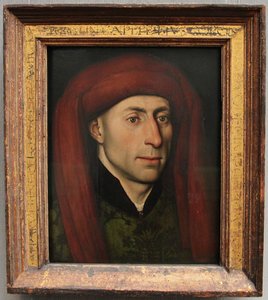
jacques daret
1404 - 1470

