

 プレビュー
プレビュー
 プリントを購入
 シェアする
シェアする シェアする
シェアする
 詳細を見る
詳細を見る

 ダウンロード
 似ている作品
 X線調査
X線調査 スライドショー
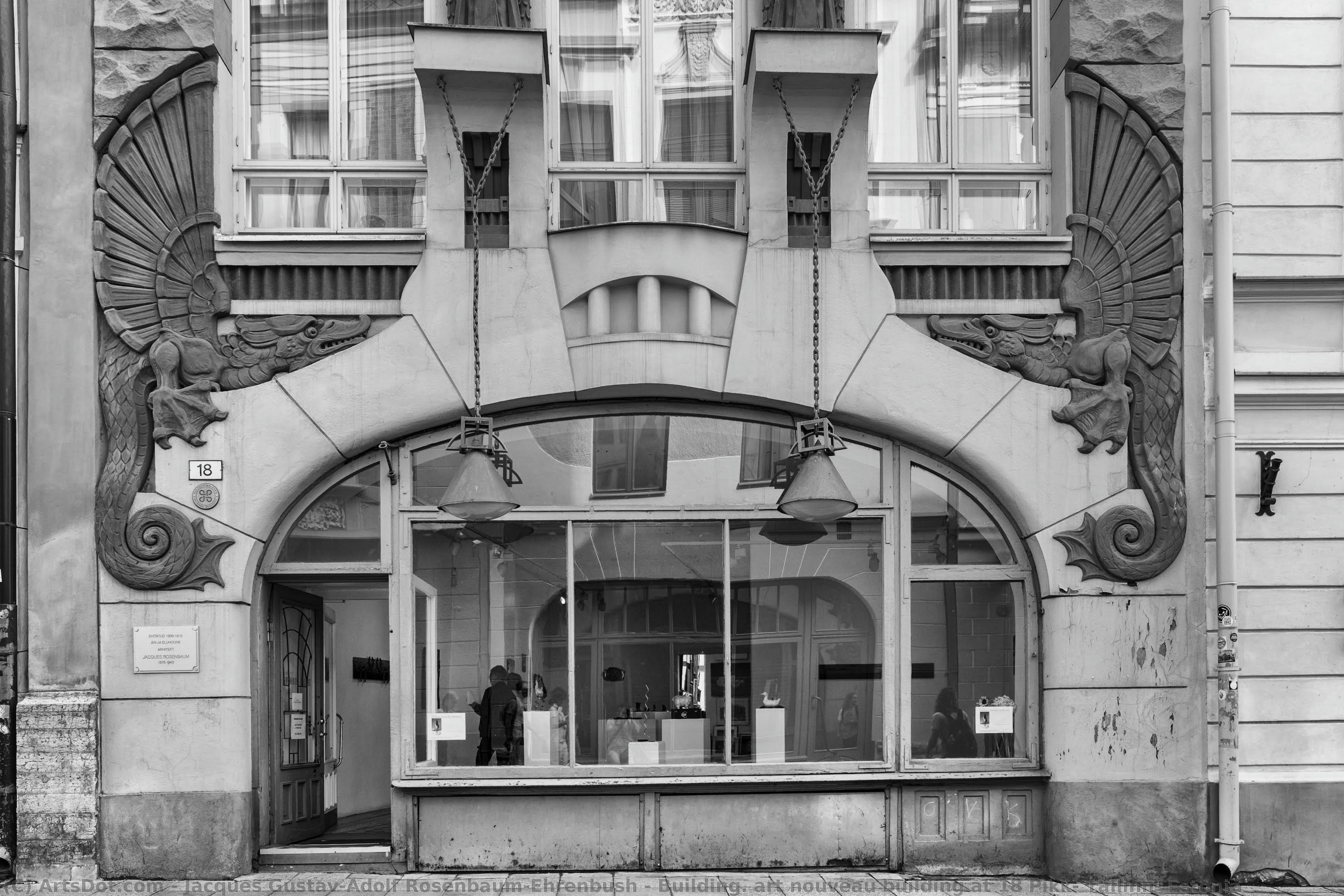
Building. art nouveau building at 18 Pikk, Tallinn, Estonia


 詳細を見る
詳細を見る




































作品のオリジナル比率に合わせた、当店の規定サイズからお選びください。

特定のフレームやスペースに合わせて、ご希望のサイズをご入力いただけます。選択されたサイズが元の画像の比率と異なる場合、アートワークをトリミングするか、手描きで要素を追加して絵画を拡張いたします。デジタルモックアップ を制作し、制作開始前にご確認(承認)をいただきます。
画面上のプレビューは、実際のトリミングや拡張を正確に反映しているものではありません。最終的な構図は、モックアップによってのみ正確にご確認いただけます。
カスタムサイズもご利用いただけますが、元の比率を維持するためには、あらかじめ用意されたリストからサイズを選択することをお勧めいたします。
ご注文後、ArtsDot.com チームより詳細な指示をお送りするとともに、仕上がりイメージ(モックアップ)をご提供いたします。


 ガラスオプションは、110cm未満のサイズでのみご利用いただけます。

Building. art nouveau building at 18 Pikk, Tallinn, Estonia
複製技法
複製画のサイズ
-


合計金額
$ 263
関連作品


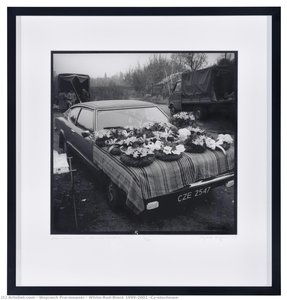
アーティストの略歴
Jacques Rosenbaum-Ehrenbush: A Baltic Visionary of Art Nouveau
Jacques Gustav-Adolf Rosenbaum-Ehrenbush, a name perhaps less familiar than some of his contemporaries, nevertheless stands as a pivotal figure in the architectural landscape of Estonia and a master of the Art Nouveau movement. Born in Haapsalu, Estonia, in 1878, into a family steeped in Baltic German heritage – including an architect grandfather – Rosenbaum’s life was inextricably linked to both tradition and innovation. His journey, spanning from the bustling streets of Tartu to the shadowed halls of Berlin, reflects not only his artistic evolution but also the turbulent currents of early 20th-century Europe. He represents a fascinating confluence of Baltic German identity, Russian imperial influence, and the burgeoning spirit of modernism.
Rosenbaum’s early life provided him with a unique foundation for his future career. Educated at the Tallinn Peter's Real School and later the Riga Polytechnic Institute, he initially explored chemistry before decisively choosing architecture – a decision that would profoundly shape his legacy. His enrollment in the Rubonia Corporation, a prominent Baltic German student group, exposed him to intellectual circles that valued both artistic expression and social engagement. This environment fostered a spirit of experimentation and a willingness to challenge established norms, qualities that would become hallmarks of his architectural style.
The Rise of an Architect: Tartu and Tallinn
Rosenbaum’s career began in 1904 with his appointment as municipal architect of Tartu, Estonia. This role provided him with invaluable experience in designing public buildings and shaping the urban fabric of a growing city. However, it was his subsequent move to Tallinn in 1907 that truly ignited his creative fire. Tallinn, with its rich history and vibrant cultural scene, offered an ideal setting for Rosenbaum’s artistic ambitions. It was here that he began to develop his distinctive Art Nouveau style – a style characterized by flowing lines, intricate ornamentation, and a deep connection to nature.
Rosenbaum's early work in Tallinn demonstrated a fascinating blend of influences. Initially, his designs leaned towards historicist styles, drawing inspiration from German Renaissance architecture. However, he quickly embraced the principles of Art Nouveau, incorporating elements such as floral motifs, stylized figures, and asymmetrical compositions. His buildings weren’t merely functional structures; they were carefully crafted works of art intended to evoke a sense of beauty and wonder.
Masterpieces of Tallinn: A Showcase of Artistic Vision
Rosenbaum's most celebrated achievements are undoubtedly his buildings in Tallinn. The House on Pikk 23/25, completed in 1908, stands as a testament to his early mastery of the Art Nouveau style. Its intricate façade, featuring winged figures and delicate ornamentation, immediately captures the eye and exemplifies the movement’s emphasis on organic forms and decorative detail. The building's comical sculpture of an old man gazing across the street is a particularly memorable element, reflecting Rosenbaum’s playful approach to design.
Equally iconic is the House on Pikk 18 (1910), often considered his most significant work. The two imposing dragons flanking the entrance are instantly recognizable symbols of Art Nouveau elegance and power. The Egyptian-inspired details – the stern women, the herms – add a layer of symbolic complexity to the design, reflecting Rosenbaum’s interest in mythology and ancient cultures. These buildings, along with others like the Bank on Harju 9 (1909), showcase his ability to seamlessly integrate artistic expression with functional considerations.
Beyond Tallinn: Influence and Legacy
Rosenbaum's influence extended beyond the borders of Estonia. His innovative approach to architecture helped shape the development of Art Nouveau in the Baltic region, inspiring a generation of architects and designers. His work demonstrated a willingness to experiment with new materials and techniques, pushing the boundaries of traditional architectural practice. Despite facing challenges during World War I and later aligning himself with the Nazi Party, Rosenbaum’s artistic legacy endures through his remarkable buildings – enduring symbols of Tallinn's rich cultural heritage.
The Seamen’s Home (1926), constructed in his final years in Estonia, further solidified his reputation as a skilled and versatile architect. It represents a shift towards a more restrained style, reflecting the changing aesthetic sensibilities of the interwar period. Jacques Rosenbaum-Ehrenbush remains a significant figure in architectural history, a Baltic visionary who skillfully blended tradition with innovation to create buildings that continue to captivate and inspire.
jacques gustav-adolf rosenbaum-ehrenbush
1878 - 1944 , Estonia
基本情報
- Artistic Movement Or Style: Art Nouveau
- Artists Or Movements Influenced By This Artist: ['German Renaissance']
- Artists Who Influenced This Artist: ['Camillo Sitte']
- Date Of Birth: 1908-07-01
- Date Of Death: 1944-01-06
- Full Name: Jacques Gustav-Adolf Rosenbaum-Ehrenbush
- Nationality: Estonian (Baltic German)
- Notable Artworks:
- House on Pikk 23/25
- House on Pikk 18
- Seamen's Home
- Place Of Birth: Haapsalu, Estonia
関連記事

White on Canvas: 10 Masterpieces & Timeless Elegance for Your Home Decor
Explore 10 iconic white paintings by Monet, Whistler & Rothko! Discover the stories behind these serene masterpieces and their impact on art history. Find museum-quality reproductions for your home decor at .

Dark Masterpieces: 10 Iconic Paintings Dominated by Black Tones |
Explore 10 iconic paintings dominated by black tones, from Rembrandt’s chiaroscuro to Goya's dark expressions. Discover the stories behind these masterpieces & find museum-quality art reproductions for your home at .

Monochrome Visions: Exploring the Aesthetic & Historical Significance of Black & White Photography
Explore the rich history & artistic power of black and white photography. From early techniques to iconic masters like Ansel Adams, discover why monochrome continues to captivate art lovers today. Expert insights for collectors.
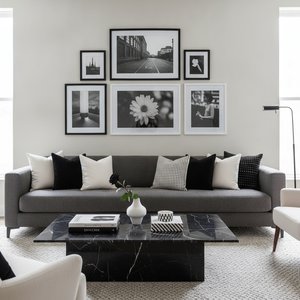
Timeless & Chic: Elevating Your New Home with the Sophistication of Black and White Photography
Transform your new home with the timeless allure of black and white photography. ArtsDot.com specializes in elegant monochrome decor and custom hand-painted wedding portraits that turn cherished milestones into lasting, soulful masterpieces. Elevate your space with ease.
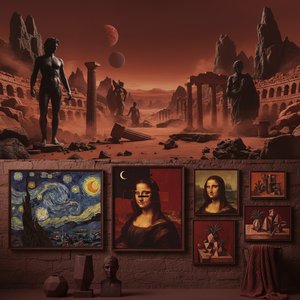
Mars Black Masterpieces: 10 Iconic Paintings & Timeless Art Decor Ideas
Delve into the power of 'Mars Black' with 10 iconic paintings by masters like Rembrandt & Caravaggio. Explore dramatic chiaroscuro, gothic art, and timeless beauty. Find museum-quality reproductions & elevate your home decor on .

