

 プレビュー
プレビュー
 プリントを購入
 シェアする
シェアする シェアする
シェアする
 詳細を見る
詳細を見る

 ダウンロード
 似ている作品
 X線調査
X線調査 スライドショー
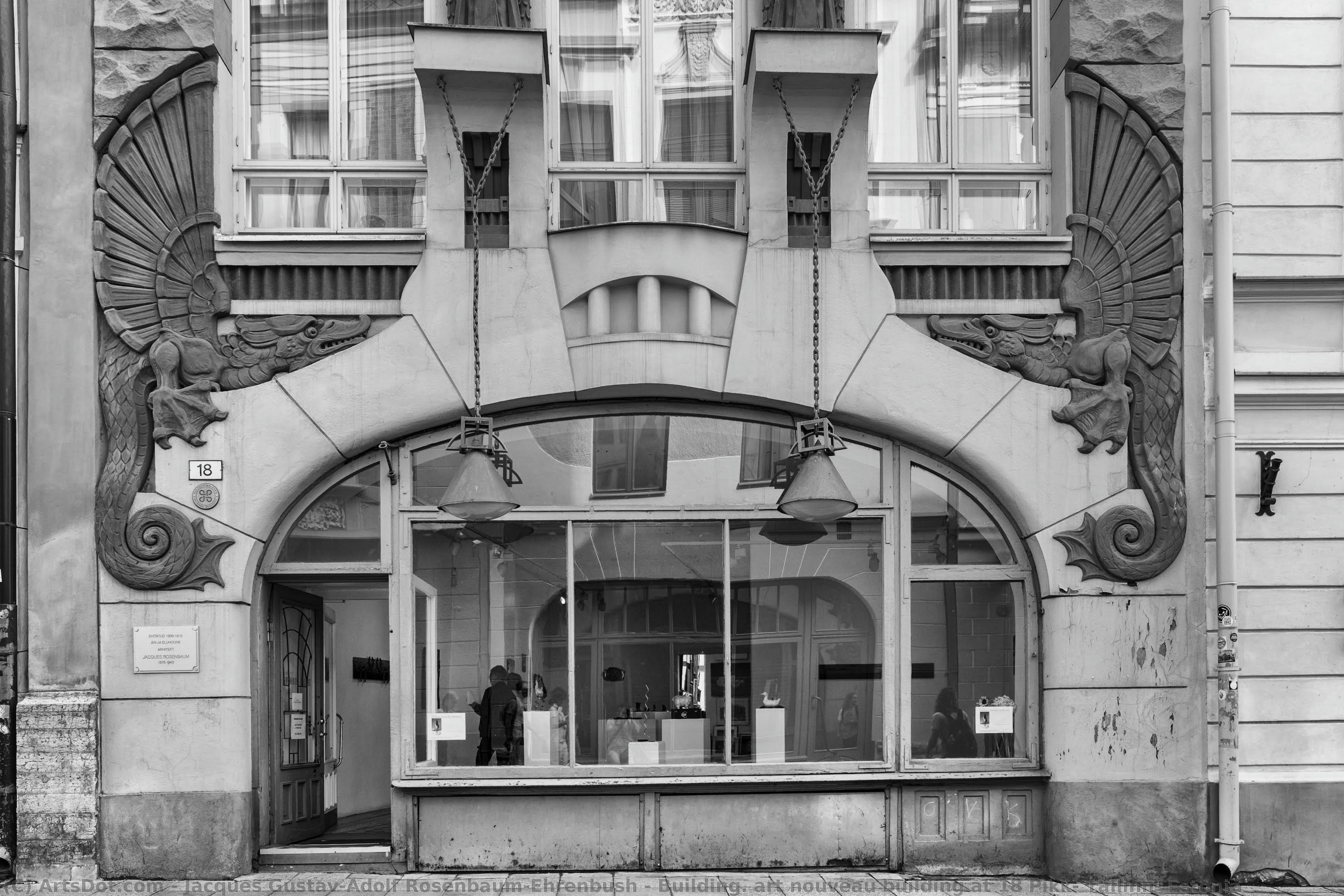
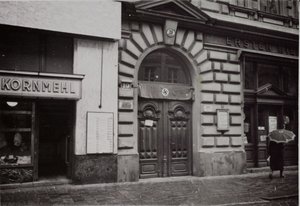
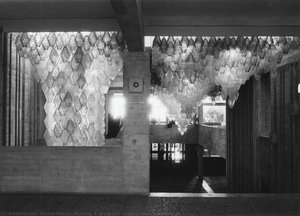
Building. art nouveau building at 18 Pikk, Tallinn, Estonia


 詳細を見る
詳細を見る
オンラインプレビューをはるかに凌ぐ、高解像度で鮮明なデジタル画像をご購入いただけます。
各ファイルは、社内の専門家が高度なツールと熟練した手作業によるレタッチを用いて、細心の注意を払って準備されています。すべての画像において、卓越した鮮明度、正確な色彩再現性、そして繊細なディテールを保証いたします。
最終ファイルは、プロフェッショナルな編集・印刷環境ですぐにご利用いただけるよう最適化された状態で、72時間以内にメールにてお届けいたします。これは、一流のデザインスタジオ、出版社、ギャラリーから信頼されているものと同等の品質です。
デジタル画像のご注文に付随する特典
高品質なデジタル画像配信を、確かな品質で。
ArtsDot.com を選ぶことは、単に画像を手に入れることではありません。それは、プロの手によって精密に仕上げられ、満足保証が付いた高品質なデジタルアートワークを受け取ることを意味します。ご注文いただいた際に自動的に付随する内容は、以下の通りです:

メールですぐにお届け
ご注文から72時間以内に、高解像度のデジタル画像ファイルがメールでお手元に届きます。すぐにそのままご利用いただけます。

AI技術で最適化されたデジタルファイル
お客様の作品は、高度なAIツールと専門家による手作業の編集を組み合わせてプロフェッショナルに最適化されており、細部のディテール、鮮明さ、そして正確な色再現性を最大限に引き出しています。

一生涯無料の再送サービス
ファイルを誤って削除したり、紛失してしまったりしましたか?ご安心ください。いつでも無料で再送いたします。

輸入手数料は一切かかりません
関税や手数料、配送料を気にすることなく、お気に入りのアートワークをすぐにお楽しみいただけます。デジタルダウンロードは常に免税です。

色彩再現の保証
プロ仕様のツールとカラーマネジメント技術を用いることで、デジタル画像が元の色を最大限に忠実に再現することを保証いたします。

60日間満足保証
ご購入いただいたデジタル画像にご満足いただけない場合は、60日以内であれば、修正または100%の返金(理由を問う必要はありません)をさせていただきます。

100% 返金保証
ご満足いただけない場合は、デジタルファイルを受け取ってから60日以内であれば、理由を問わず全額返金いたします。

まとめ買い割引
3枚購入で10%OFF - 5枚購入で15%OFF - 10枚以上購入で20%OFF。クリエイティブなプロジェクト、ギャラリー、エージェンシーに最適です。
関連作品

作家の略歴
Jacques Rosenbaum-Ehrenbush: A Baltic Visionary of Art Nouveau
Jacques Gustav-Adolf Rosenbaum-Ehrenbush, a name perhaps less familiar than some of his contemporaries, nevertheless stands as a pivotal figure in the architectural landscape of Estonia and a master of the Art Nouveau movement. Born in Haapsalu, Estonia, in 1878, into a family steeped in Baltic German heritage – including an architect grandfather – Rosenbaum’s life was inextricably linked to both tradition and innovation. His journey, spanning from the bustling streets of Tartu to the shadowed halls of Berlin, reflects not only his artistic evolution but also the turbulent currents of early 20th-century Europe. He represents a fascinating confluence of Baltic German identity, Russian imperial influence, and the burgeoning spirit of modernism.
Rosenbaum’s early life provided him with a unique foundation for his future career. Educated at the Tallinn Peter's Real School and later the Riga Polytechnic Institute, he initially explored chemistry before decisively choosing architecture – a decision that would profoundly shape his legacy. His enrollment in the Rubonia Corporation, a prominent Baltic German student group, exposed him to intellectual circles that valued both artistic expression and social engagement. This environment fostered a spirit of experimentation and a willingness to challenge established norms, qualities that would become hallmarks of his architectural style.
The Rise of an Architect: Tartu and Tallinn
Rosenbaum’s career began in 1904 with his appointment as municipal architect of Tartu, Estonia. This role provided him with invaluable experience in designing public buildings and shaping the urban fabric of a growing city. However, it was his subsequent move to Tallinn in 1907 that truly ignited his creative fire. Tallinn, with its rich history and vibrant cultural scene, offered an ideal setting for Rosenbaum’s artistic ambitions. It was here that he began to develop his distinctive Art Nouveau style – a style characterized by flowing lines, intricate ornamentation, and a deep connection to nature.
Rosenbaum's early work in Tallinn demonstrated a fascinating blend of influences. Initially, his designs leaned towards historicist styles, drawing inspiration from German Renaissance architecture. However, he quickly embraced the principles of Art Nouveau, incorporating elements such as floral motifs, stylized figures, and asymmetrical compositions. His buildings weren’t merely functional structures; they were carefully crafted works of art intended to evoke a sense of beauty and wonder.
Masterpieces of Tallinn: A Showcase of Artistic Vision
Rosenbaum's most celebrated achievements are undoubtedly his buildings in Tallinn. The House on Pikk 23/25, completed in 1908, stands as a testament to his early mastery of the Art Nouveau style. Its intricate façade, featuring winged figures and delicate ornamentation, immediately captures the eye and exemplifies the movement’s emphasis on organic forms and decorative detail. The building's comical sculpture of an old man gazing across the street is a particularly memorable element, reflecting Rosenbaum’s playful approach to design.
Equally iconic is the House on Pikk 18 (1910), often considered his most significant work. The two imposing dragons flanking the entrance are instantly recognizable symbols of Art Nouveau elegance and power. The Egyptian-inspired details – the stern women, the herms – add a layer of symbolic complexity to the design, reflecting Rosenbaum’s interest in mythology and ancient cultures. These buildings, along with others like the Bank on Harju 9 (1909), showcase his ability to seamlessly integrate artistic expression with functional considerations.
Beyond Tallinn: Influence and Legacy
Rosenbaum's influence extended beyond the borders of Estonia. His innovative approach to architecture helped shape the development of Art Nouveau in the Baltic region, inspiring a generation of architects and designers. His work demonstrated a willingness to experiment with new materials and techniques, pushing the boundaries of traditional architectural practice. Despite facing challenges during World War I and later aligning himself with the Nazi Party, Rosenbaum’s artistic legacy endures through his remarkable buildings – enduring symbols of Tallinn's rich cultural heritage.
The Seamen’s Home (1926), constructed in his final years in Estonia, further solidified his reputation as a skilled and versatile architect. It represents a shift towards a more restrained style, reflecting the changing aesthetic sensibilities of the interwar period. Jacques Rosenbaum-Ehrenbush remains a significant figure in architectural history, a Baltic visionary who skillfully blended tradition with innovation to create buildings that continue to captivate and inspire.
jacques gustav-adolf rosenbaum-ehrenbush
1878 - 1944 , Estonia
プロフィール概要
- Artistic Movement Or Style: Art Nouveau
- Artists Or Movements Influenced By This Artist: ['German Renaissance']
- Artists Who Influenced This Artist: ['Camillo Sitte']
- Date Of Birth: 1908-07-01
- Date Of Death: 1944-01-06
- Full Name: Jacques Gustav-Adolf Rosenbaum-Ehrenbush
- Nationality: Estonian (Baltic German)
- Notable Artworks:
- House on Pikk 23/25
- House on Pikk 18
- Seamen's Home
- Place Of Birth: Haapsalu, Estonia

