

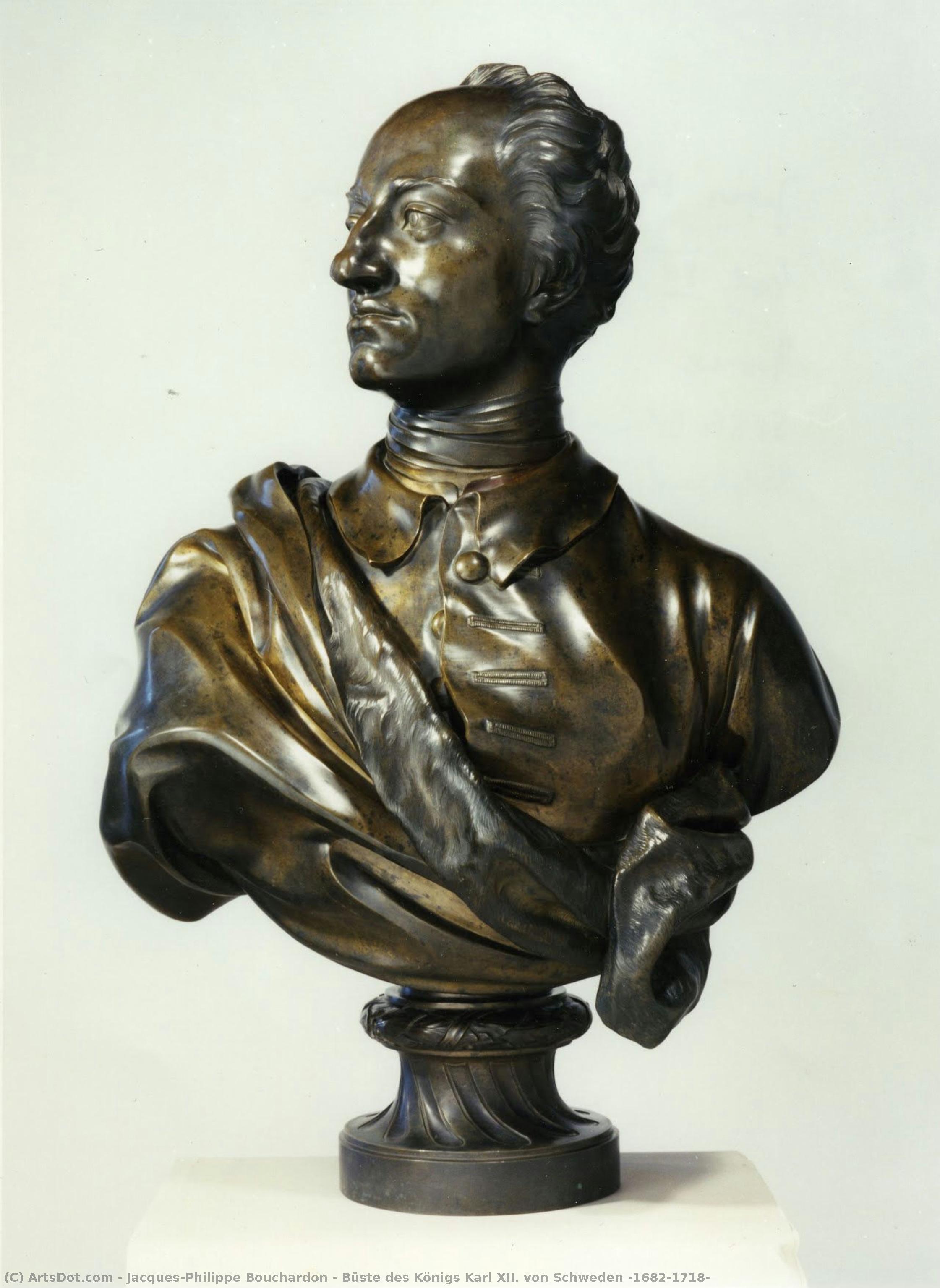
 プレビュー
プレビュー
 シェアする
シェアする シェアする
シェアする
 詳細を見る
詳細を見る

 ダウンロード
 似ている作品
 X線調査
X線調査 スライドショー
 Stats
StatsBüste des Königs Karl XII. von Schweden (1682-1718)


 詳細を見る
詳細を見る
手描き油彩複製画
当社のアーティストが、お客様のご希望のサイズと額縁に合わせて、キャンバスに手描きで制作する油彩画です。 ( Switch to Print Switch to Digital Image)




































作品のオリジナル比率に合わせた、当店の規定サイズからお選びください。

特定のフレームやスペースに合わせて、ご希望のサイズをご入力いただけます。選択されたサイズが元の画像の比率と異なる場合、アートワークをトリミングするか、手描きで要素を追加して絵画を拡張いたします。デジタルモックアップ を制作し、制作開始前にご確認(承認)をいただきます。
画面上のプレビューは、実際のトリミングや拡張を正確に反映しているものではありません。最終的な構図は、モックアップによってのみ正確にご確認いただけます。
カスタムサイズもご利用いただけますが、元の比率を維持するためには、あらかじめ用意されたリストからサイズを選択することをお勧めいたします。
ご注文後、ArtsDot.com チームより詳細な指示をお送りするとともに、仕上がりイメージ(モックアップ)をご提供いたします。


 ガラスオプションは、110cm未満のサイズでのみご利用いただけます。

Büste des Königs Karl XII. von Schweden (1682-1718)
複製技法
複製画のサイズ
-


合計金額
$ 263
関連作品





アーティストの略歴
Gerard de Lairesse: A Master of the Dutch Golden Age
Gerard de Lairesse, a name often overshadowed by the titans of the Dutch Baroque – Rembrandt, Vermeer, and Hals – nevertheless stands as a pivotal figure in the evolution of 18th-century painting. Born in Liège in 1711 and tragically dying in Amsterdam in 1753, his life was marked by both artistic brilliance and personal turmoil. De Lairesse’s legacy rests not just on individual masterpieces but also on his profound influence as a theorist and teacher, shaping the course of painting for an entire generation. Initially trained under his father, Renier de Lairesse, a respected painter in his own right, Gerard quickly surpassed his mentor, absorbing influences from the vibrant artistic currents of Italy – particularly the Perugian school championed by Cesare Ripa – and France, where he encountered the refined elegance of Charles le Brun and Simon Vouet. His work represents a fascinating synthesis of these diverse traditions, resulting in a style characterized by meticulous detail, dramatic lighting, and an almost theatrical quality.Early Life and Artistic Training
De Lairesse’s early years were shaped by both artistic opportunity and personal hardship. He spent his formative years in Liège, studying under his father and Bertholet Flemalle, a renowned mannerist painter. However, a scandalous affair with two sisters – his models – led to his exile from Liège in 1664. This dramatic event propelled him north, where he embarked on a nomadic existence, working for various patrons including Maximilian Henry of Bavaria in Cologne and Aix-la-Chapelle. During this period, he honed his skills and developed a distinctive style, marked by an increasing attention to detail and a growing interest in portraying the nuances of human emotion. His marriage to Marie Salme in Visé provided him with stability, and their family life flourished in Utrecht, where he continued to develop his artistic practice.Theoretical Contributions: Shaping a Generation of Painters
Beyond his prolific output of paintings, De Lairesse made significant contributions to the theory of art. His treatises, *Grondlegginge Ter Teekenkonst* (1701) and *Groot Schilderboek* (1707), were groundbreaking works that drew upon principles of geometry and the writings of classical authors like Pierre Corneille and Jean Racine. These texts emphasized the importance of accurate observation, careful composition, and a deep understanding of anatomy and perspective. Crucially, De Lairesse advocated for a return to the fundamentals of drawing and painting, rejecting the excesses of later Baroque styles and promoting a more restrained and balanced approach. His ideas resonated deeply with young artists, establishing him as a respected mentor and shaping the artistic landscape of the 18th century.A Career Defined by Portraits and Still Lifes
De Lairesse’s artistic career spanned several decades, encompassing a wide range of subjects. He is particularly renowned for his portraits, which are characterized by their psychological depth and dramatic lighting. His depictions of royalty and nobility captured not only the outward appearance but also the inner character of his subjects. Simultaneously, he excelled in still life painting, creating meticulously rendered compositions that celebrated the beauty and abundance of nature. These works often incorporated symbolic elements, reflecting themes of mortality, wealth, and piety. His ability to seamlessly blend realism with artistic interpretation cemented his position as a leading painter of his time. His later years saw him working for the court of Frederick William, Elector of Brandenburg, and ultimately returning to Amsterdam where he was reinstated as “first painter to the King” under Louis XVIII.Legacy and Historical Significance
Gerard de Lairesse’s influence extends far beyond his own lifetime. His theoretical writings provided a framework for artistic training that endured for generations, while his paintings continue to be admired for their technical skill, dramatic intensity, and psychological insight. He played a crucial role in bridging the gap between the Baroque and Rococo styles, laying the groundwork for the more decorative tendencies of the 18th century. His commitment to rigorous observation and careful composition helped to establish standards of excellence that continue to inform art practice today. De Lairesse’s story is one of artistic ambition, personal struggle, and enduring legacy – a testament to the power of an artist to shape not only his own world but also the course of art history.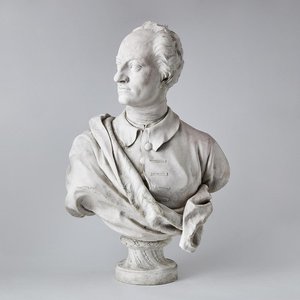
jacques-philippe bouchardon
1711 - 1753 , France
基本情報
- Artistic Movement Or Style: Baroque
- Artists Or Movements Influenced By This Artist: ['18th-century painters']
- Artists Who Influenced This Artist:
- Cesare Ripa
- Charles le Brun
- Simon Vouet
- Pierre Corneille
- Jean Racine
- Date Of Birth: September 11, 1641
- Date Of Death: June 1711
- Full Name: Gerard de Lairesse
- Nationality: Dutch Golden Age
- Notable Artworks:
- Grondlegginge Ter Teekenkonst
- Groot Schilderboek
- Place Of Birth: Liège, Belgium