

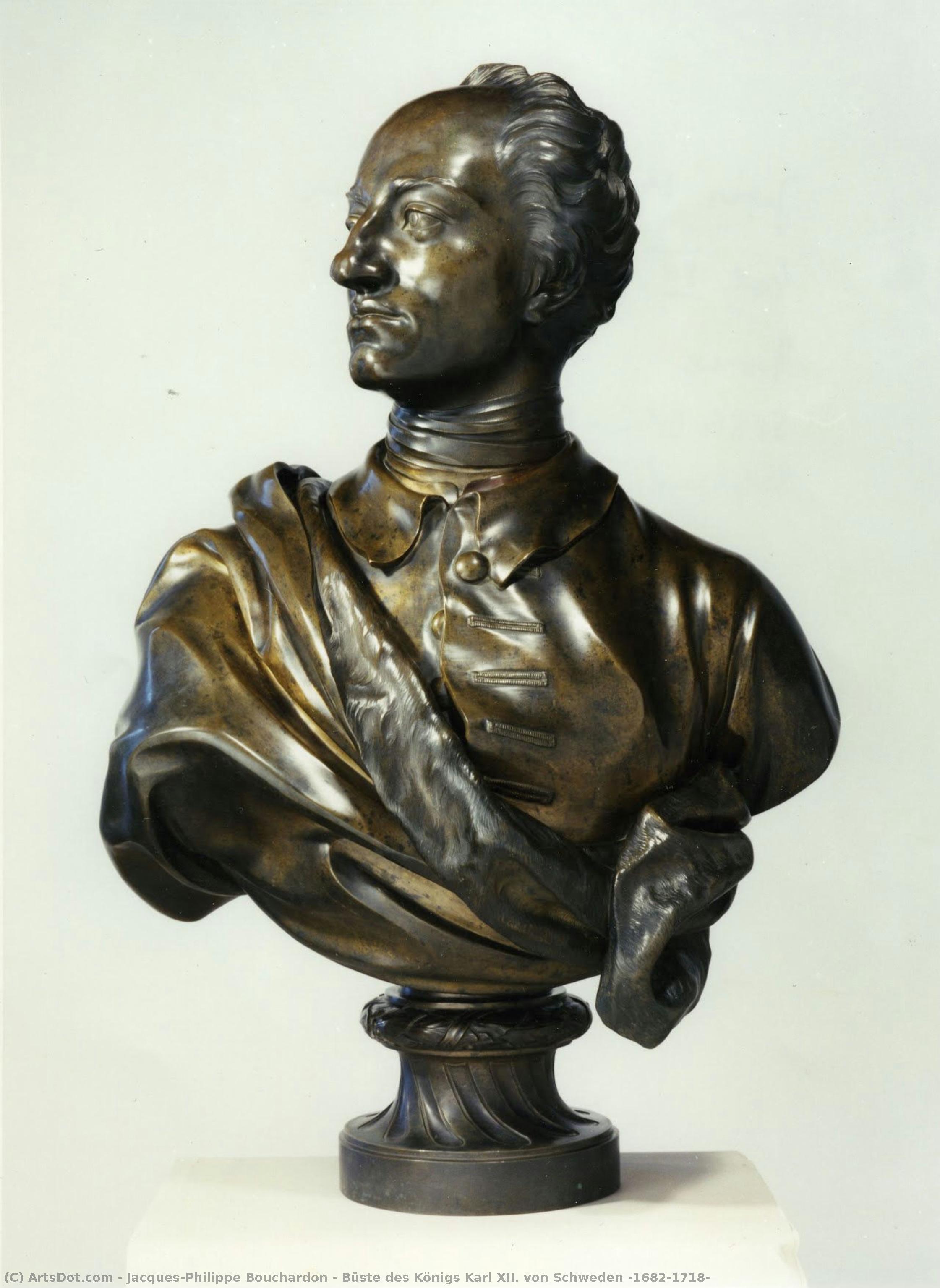
 プレビュー
プレビュー
 シェアする
シェアする シェアする
シェアする
 詳細を見る
詳細を見る

 ダウンロード
 似ている作品
 X線調査
X線調査 スライドショー
 Stats
StatsBüste des Königs Karl XII. von Schweden (1682-1718)


 詳細を見る
詳細を見る
オンラインプレビューをはるかに凌ぐ、高解像度で鮮明なデジタル画像をご購入いただけます。
各ファイルは、社内の専門家が高度なツールと熟練した手作業によるレタッチを用いて、細心の注意を払って準備されています。すべての画像において、卓越した鮮明度、正確な色彩再現性、そして繊細なディテールを保証いたします。
最終ファイルは、プロフェッショナルな編集・印刷環境ですぐにご利用いただけるよう最適化された状態で、72時間以内にメールにてお届けいたします。これは、一流のデザインスタジオ、出版社、ギャラリーから信頼されているものと同等の品質です。
デジタルアート
個人での鑑賞、印刷、クリエイティブなプロジェクト用に、高解像度ファイルをダウンロードできます。 ( Switch to Print 手描きの絵画を購入)
デジタル画像のご注文に付随する特典
高品質なデジタル画像配信を、確かな品質で。
ArtsDot.com を選ぶことは、単に画像を手に入れることではありません。それは、プロの手によって精密に仕上げられ、満足保証が付いた高品質なデジタルアートワークを受け取ることを意味します。ご注文いただいた際に自動的に付随する内容は、以下の通りです:

メールですぐにお届け
ご注文から72時間以内に、高解像度のデジタル画像ファイルがメールでお手元に届きます。すぐにそのままご利用いただけます。

AI技術で最適化されたデジタルファイル
お客様の作品は、高度なAIツールと専門家による手作業の編集を組み合わせてプロフェッショナルに最適化されており、細部のディテール、鮮明さ、そして正確な色再現性を最大限に引き出しています。

一生涯無料の再送サービス
ファイルを誤って削除したり、紛失してしまったりしましたか?ご安心ください。いつでも無料で再送いたします。

輸入手数料は一切かかりません
関税や手数料、配送料を気にすることなく、お気に入りのアートワークをすぐにお楽しみいただけます。デジタルダウンロードは常に免税です。

色彩再現の保証
プロ仕様のツールとカラーマネジメント技術を用いることで、デジタル画像が元の色を最大限に忠実に再現することを保証いたします。

100日間満足保証
ご購入いただいたデジタル画像にご満足いただけない場合は、100日以内であれば、理由を問わず修正または100%の返金対応をさせていただきます。

100% 返金保証
ご満足いただけない場合は、デジタルファイルを受け取ってから100日以内であれば、理由を問わず全額返金いたします。

まとめ買い割引
3枚購入で10%OFF - 5枚購入で15%OFF - 10枚以上購入で20%OFF。クリエイティブなプロジェクト、ギャラリー、エージェンシーに最適です。
関連作品





作家の略歴
Gerard de Lairesse: A Master of the Dutch Golden Age
Gerard de Lairesse, a name often overshadowed by the titans of the Dutch Baroque – Rembrandt, Vermeer, and Hals – nevertheless stands as a pivotal figure in the evolution of 18th-century painting. Born in Liège in 1711 and tragically dying in Amsterdam in 1753, his life was marked by both artistic brilliance and personal turmoil. De Lairesse’s legacy rests not just on individual masterpieces but also on his profound influence as a theorist and teacher, shaping the course of painting for an entire generation. Initially trained under his father, Renier de Lairesse, a respected painter in his own right, Gerard quickly surpassed his mentor, absorbing influences from the vibrant artistic currents of Italy – particularly the Perugian school championed by Cesare Ripa – and France, where he encountered the refined elegance of Charles le Brun and Simon Vouet. His work represents a fascinating synthesis of these diverse traditions, resulting in a style characterized by meticulous detail, dramatic lighting, and an almost theatrical quality.Early Life and Artistic Training
De Lairesse’s early years were shaped by both artistic opportunity and personal hardship. He spent his formative years in Liège, studying under his father and Bertholet Flemalle, a renowned mannerist painter. However, a scandalous affair with two sisters – his models – led to his exile from Liège in 1664. This dramatic event propelled him north, where he embarked on a nomadic existence, working for various patrons including Maximilian Henry of Bavaria in Cologne and Aix-la-Chapelle. During this period, he honed his skills and developed a distinctive style, marked by an increasing attention to detail and a growing interest in portraying the nuances of human emotion. His marriage to Marie Salme in Visé provided him with stability, and their family life flourished in Utrecht, where he continued to develop his artistic practice.Theoretical Contributions: Shaping a Generation of Painters
Beyond his prolific output of paintings, De Lairesse made significant contributions to the theory of art. His treatises, *Grondlegginge Ter Teekenkonst* (1701) and *Groot Schilderboek* (1707), were groundbreaking works that drew upon principles of geometry and the writings of classical authors like Pierre Corneille and Jean Racine. These texts emphasized the importance of accurate observation, careful composition, and a deep understanding of anatomy and perspective. Crucially, De Lairesse advocated for a return to the fundamentals of drawing and painting, rejecting the excesses of later Baroque styles and promoting a more restrained and balanced approach. His ideas resonated deeply with young artists, establishing him as a respected mentor and shaping the artistic landscape of the 18th century.A Career Defined by Portraits and Still Lifes
De Lairesse’s artistic career spanned several decades, encompassing a wide range of subjects. He is particularly renowned for his portraits, which are characterized by their psychological depth and dramatic lighting. His depictions of royalty and nobility captured not only the outward appearance but also the inner character of his subjects. Simultaneously, he excelled in still life painting, creating meticulously rendered compositions that celebrated the beauty and abundance of nature. These works often incorporated symbolic elements, reflecting themes of mortality, wealth, and piety. His ability to seamlessly blend realism with artistic interpretation cemented his position as a leading painter of his time. His later years saw him working for the court of Frederick William, Elector of Brandenburg, and ultimately returning to Amsterdam where he was reinstated as “first painter to the King” under Louis XVIII.Legacy and Historical Significance
Gerard de Lairesse’s influence extends far beyond his own lifetime. His theoretical writings provided a framework for artistic training that endured for generations, while his paintings continue to be admired for their technical skill, dramatic intensity, and psychological insight. He played a crucial role in bridging the gap between the Baroque and Rococo styles, laying the groundwork for the more decorative tendencies of the 18th century. His commitment to rigorous observation and careful composition helped to establish standards of excellence that continue to inform art practice today. De Lairesse’s story is one of artistic ambition, personal struggle, and enduring legacy – a testament to the power of an artist to shape not only his own world but also the course of art history.
jacques-philippe bouchardon
1711 - 1753 , France
プロフィール概要
- Artistic Movement Or Style: Baroque
- Artists Or Movements Influenced By This Artist: ['18th-century painters']
- Artists Who Influenced This Artist:
- Cesare Ripa
- Charles le Brun
- Simon Vouet
- Pierre Corneille
- Jean Racine
- Date Of Birth: September 11, 1641
- Date Of Death: June 1711
- Full Name: Gerard de Lairesse
- Nationality: Dutch Golden Age
- Notable Artworks:
- Grondlegginge Ter Teekenkonst
- Groot Schilderboek
- Place Of Birth: Liège, Belgium