 プレビュー
プレビュー
 プリントを購入
 シェアする
シェアする シェアする
シェアする
 詳細を見る
詳細を見る

 ダウンロード
 似ている作品
 X線調査
X線調査 スライドショー
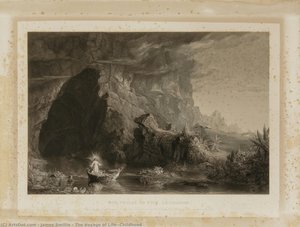
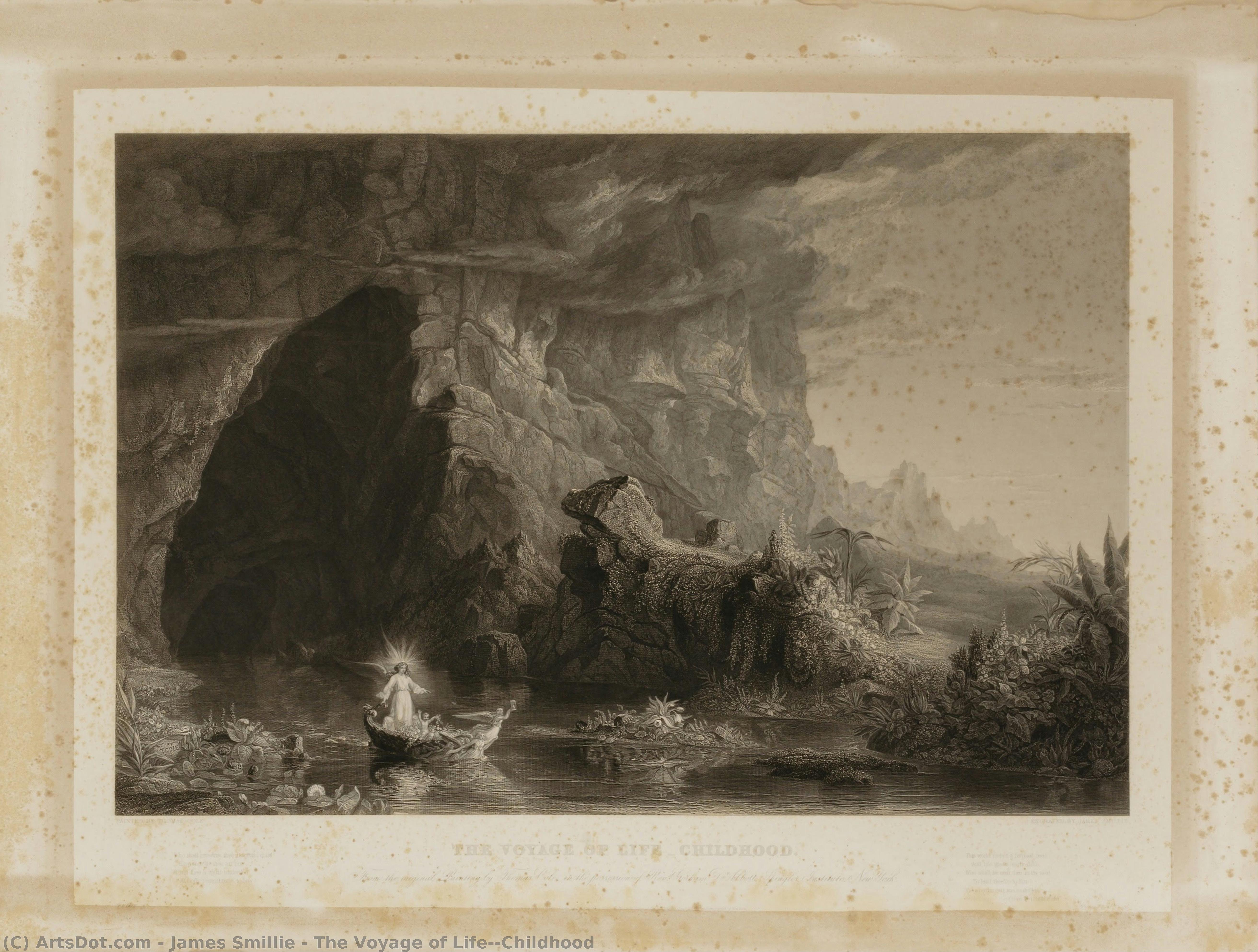
人生の航海-幼少期
 キャンバスにアクリル絵具
- ウォールアート
- Hudson River School
 1855
1855 38.0 x 58.0 cm
 ナショナルギャラリー
 詳細を見る
詳細を見る




P118B $10

P118H $10

P118W $10

P438Z $10

P508JH $12

P508YH $12

P805H $10

P805Z $10

P919BZ $10

P919G $10

P919XJ $10

P959ZH $10

P968JZ $12

W106C $8

W218G $10

W218JH $8

W218Y $10

W307PJ $10

W316G $10

W316PJ $8

W316Y $10

W398PJ $8

W4111J $10

W500HY $15

W500JH $15

W692G $12

W849H $8

W940BG $15

W953PJ $8




作品のオリジナル比率に合わせた、当店の規定サイズからお選びください。

特定のフレームやスペースに合わせて、ご希望のサイズをご入力いただけます。選択されたサイズが元の画像の比率と異なる場合、アートワークをトリミングするか、手描きで要素を追加して絵画を拡張いたします。デジタルモックアップ を制作し、制作開始前にご確認(承認)をいただきます。
画面上のプレビューは、実際のトリミングや拡張を正確に反映しているものではありません。最終的な構図は、モックアップによってのみ正確にご確認いただけます。
カスタムサイズもご利用いただけますが、元の比率を維持するためには、あらかじめ用意されたリストからサイズを選択することをお勧めいたします。
ご注文後、ArtsDot.com チームより詳細な指示をお送りするとともに、仕上がりイメージ(モックアップ)をご提供いたします。


 ガラスオプションは、110cm未満のサイズでのみご利用いただけます。

人生の航海-幼少期
複製技法
複製画のサイズ
-


合計金額
$ 263
スコットランド彫刻家の遺産:ジェイムズ・スミリーとアメリカ美術への影響
スコットランド出身のジェイムズ・スミリーは、彼の生涯中にアメリカ美術界に大きな影響を与えた名高い彫刻家でした。1807年にエディンバラで生まれ、彼は父親も彫刻家であり、幼い頃から彫刻技術を習得しました。この訓練は単に彼の技術的な能力を高めるだけでなく、芸術形式に対する深い理解を育みました。 スミリーの作品の中で最も印象的なのは、「生命の航海」という絵画です。この絵画はアメリカ美術におけるヒュドソン川学派の影響を受けた作品であり、特にアメリカ美術愛好家やコレクターの間で人気があります。この絵画は、スコットランド彫刻家のジェイムズ・スミリーによる傑作として知られています。彼の芸術的な旅路は、技術と情熱を注ぎ込んだ結果です。- 作品の概要:この絵画は、アメリカ美術におけるヒュドソン川学派の影響を受けた作品であり、特にアメリカ美術愛好家やコレクターの間で人気があります。
- スタイルと技法:スミリーの絵画は、繊細な線描と豊かな色彩を用いて表現されており、ヒュドソン川学派の特徴的なスタイルを反映しています。彼は特に彫刻技術に優れており、その作品は卓越した技術力と芸術的感覚を示しています。
- 歴史的背景:この絵画が制作された1855年は、アメリカ美術がヨーロッパの影響を受けながら独自の発展を遂げる時期でした。ヒュドソン川学派の画家たちは、アメリカの風景や自然をテーマに描き続けました。
関連作品

アーティストの略歴
The Master of the Burin: The Life and Legacy of James Smillie
In the vibrant tapestry of nineteenth-century American art, few threads are as finely woven or as meticulously etched as those left by James Smillie. Born in the historic city of Edinburgh, Scotland, in 1807, Smillie was a man whose destiny was shaped by the rhythmic scratch of the engraver's tool against metal. His journey from the cobblestone streets of Scotland to the burgeoning art scene of New York is a profound narrative of migration, familial tradition, and artistic devotion. As the son of an accomplished engraver, his very first lessons in art were not merely about sight, but about the tactile precision required to translate light and shadow into permanent line. This early immersion in the craft provided him with a foundational technical prowess that would eventually allow him to bridge the gap between European tradition and American Romanticism.
Smillie’s arrival in New York in 1829 marked the beginning of a transformative era for both the artist and the American landscape. He did not merely exist within the American art community; he became a vital conduit through which the aesthetic sensibilities of the Old World flowed into the New. His mastery was particularly evident in his ability to collaborate with the luminaries of the Hudson River School, an influential group of painters who sought to capture the sublime beauty of the American wilderness. Through his engravings, Smillie was able to disseminate the grandeur of these landscapes to a much wider audience, translating the sweeping oil paintings of his contemporaries into the intimate, detailed medium of printmaking.
Symbolism and the Art of the Engraving
The true brilliance of Smillie’s work lies in his ability to imbue monochromatic lines with deep emotional resonance and spiritual weight. Perhaps no piece exemplifies this better than his celebrated engraving, The Voyage of Life—Childhood. In this poignant work, Smillie utilizes the unique textures of the engraving medium to create a window into the innocence of youth. The scene is far more than a simple depiction of a boat on water; it is a complex allegory of human existence. Through careful tonal gradation and meticulous detail, he captures a serene tableau where a man navigates alongside a loyal dog, surrounded by the gentle movement of other vessels. Every stroke of his tool serves a purpose, from the circling birds that symbolize aspiration to the subtle shading that evokes the fleeting nature of time.
His technique was characterized by an extraordinary attention to detail that prioritized tonal gradation and nuanced representation. This skill allowed him to mimic the soft light and atmospheric depth found in painting, making his engravings feel alive with movement and breath. In the context of Victorian sensibilities, Smillie’s work resonated deeply with the era's focus on moral upliftment and spiritual contemplation. He understood that the medium of engraving offered a unique opportunity for storytelling—a way to freeze a moment of profound beauty and invite the viewer into a state of quiet reflection on the journey of life itself.
A Lasting Impression on American Art
The historical significance of James Smillie extends far beyond his individual technical achievements. He was a pivotal figure in establishing engraving as a respected and vital component of the American artistic identity. His influence can be seen in the way he helped shape the aesthetic sensibilities of a nation still defining its own visual language. By capturing the essence of the Hudson River Valley and translating it through the sophisticated lens of Scottish-trained craftsmanship, he provided a sense of permanence to the ephemeral beauty of the American landscape.
As we look back upon his career, several key elements define his enduring impact:
- Technical Mastery: His ability to translate complex painterly textures into the precise language of steel and copper engraving.
- Cultural Bridge: Serving as a vital link between the established traditions of Edinburgh and the emerging Romanticism of the United States.
- Collaborative Spirit: His essential role in amplifying the reach of the Hudson River School through high-quality print dissemination.
- Allegorical Depth: The creation of works that functioned not just as landscapes, but as profound meditations on human experience and morality.
Though he passed away in 1885, the legacy of James Smillie remains etched in the annals of art history. His work continues to serve as a testament to the power of dedication and the profound impact that a single, skilled hand can have on the collective vision of an entire era.

james smillie
1807 - 1885 , United Kingdom
基本情報
- Artistic Movement Or Style: Neoclassicism
- Artists Who Influenced This Artist: ['Joseph Johann Kauffmann],\n "Artists or movements influenced by this artist": ["William Blake"]\n}']
- Date Of Birth: 30 Oct 1741
- Date Of Death: 5 Nov 1807
- Full Name: Angelica Kauffman
- Nationality: Swiss
- Notable Artworks:
- Antinous Mondragone
- Portrait of Ludwig
- The Coronation of Napoleon
- Place Of Birth: Chur, Switzerland
関連記事

ハドソン・リバー派を彩る至宝:10選が示すアメリカ絵画の黄金時代
ハドソン・リバー派の至宝10選を紐解き、アメリカ絵画の黄金時代へ。壮大な自然描写と巨匠たちの技が織りなす感動の世界を体験してください。トーマス・コールからチャーチまで、ArtsDot.comで高品質なアートプリントとインテリアアイデアを見つけましょう。

ジェームズ・マクニール・ホイストラー:至高の25選 - 美と調和を求めた芸術家の軌跡 | ArtsDot
ジェームズ・マクニール・ホイストラーの至高の25選。ノクターン、印象派、美しい色彩に満ちた作品群を紐解きます。ArtsDotで高品質なアートプリントとインテリアをお楽しみください。名画の世界へ – ArtsDot.com

The Sublime Landscape: Exploring the Hudson River School Movement
Explore the captivating world of the Hudson River School! Discover the history, artists, and defining characteristics of this iconic American art movement. Learn about Romanticism's influence & find inspiration for your collection.
Sir Alfred Munnings' Masterpieces: 25 Paintings That Define Equine Art | ArtsDot
Explore 25 iconic Sir Alfred Munnings paintings! Discover the beauty of British Impressionism, equine art & rural England. Find museum-quality reproductions and elevate your home decor with ArtsDot. Explore the full collection online.

Robert Spencer: Luminism, Narrative & the American Landscape Tradition
Explore the captivating world of Luminism & the Hudson River School with our expert analysis. Discover the history, artists, and enduring beauty of 19th-century American landscape painting. Find museum-quality reproductions at ArtsDot.