

 プレビュー
プレビュー
 プリントを購入
 シェアする
シェアする シェアする
シェアする
 詳細を見る
詳細を見る

 ダウンロード
 似ている作品
 X線調査
X線調査 スライドショー
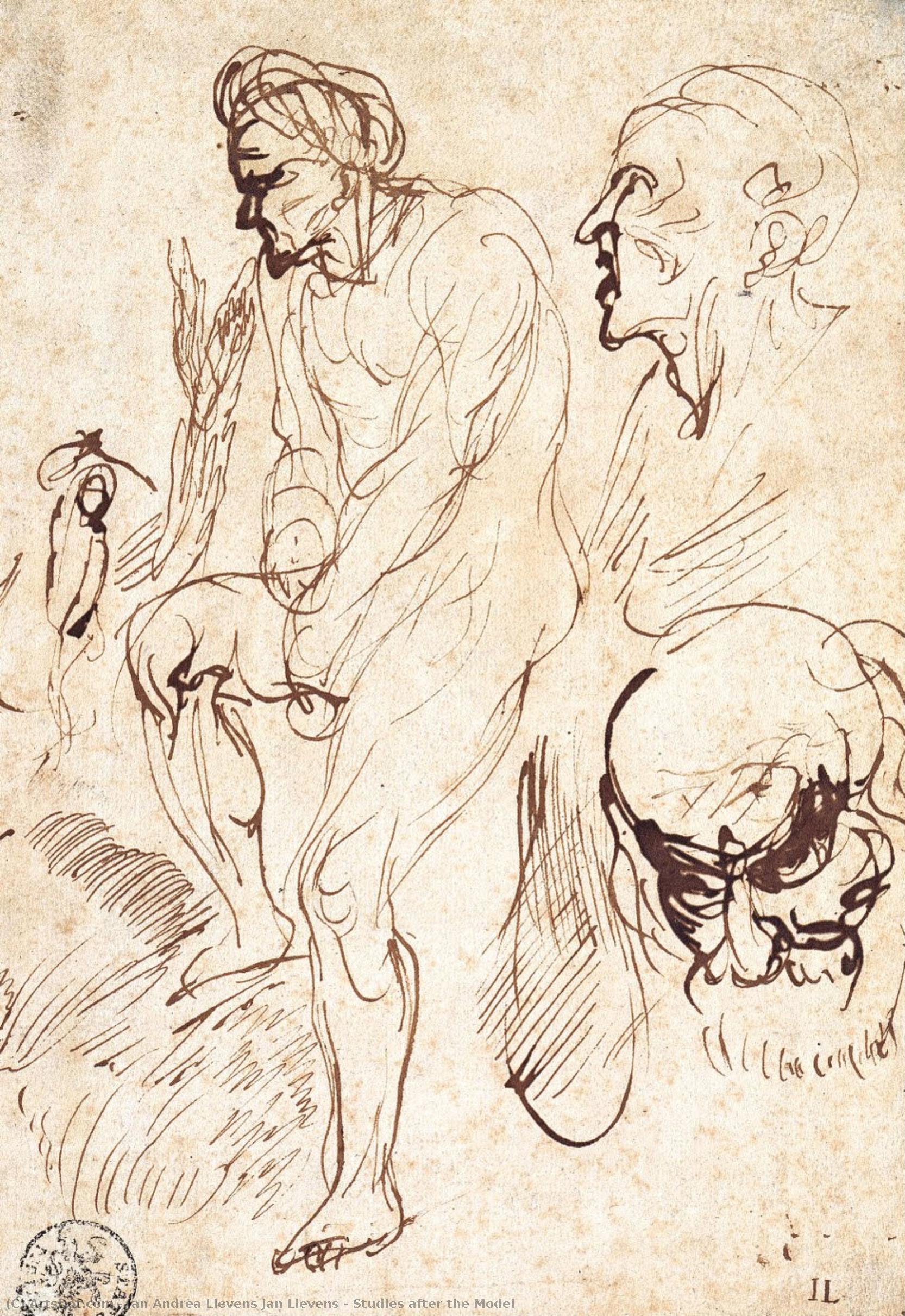
Studies after the Model
 Acrylic On Canvas
- WallArt
- Baroque
 1660
1660 176.0 x 254.0 cm
 Kunstpalast
 詳細を見る
詳細を見る
オンラインプレビューをはるかに凌ぐ、高解像度で鮮明なデジタル画像をご購入いただけます。
各ファイルは、社内の専門家が高度なツールと熟練した手作業によるレタッチを用いて、細心の注意を払って準備されています。すべての画像において、卓越した鮮明度、正確な色彩再現性、そして繊細なディテールを保証いたします。
最終ファイルは、プロフェッショナルな編集・印刷環境ですぐにご利用いただけるよう最適化された状態で、72時間以内にメールにてお届けいたします。これは、一流のデザインスタジオ、出版社、ギャラリーから信頼されているものと同等の品質です。
デジタル画像のご注文に付随する特典
高品質なデジタル画像配信を、確かな品質で。
ArtsDot.com を選ぶことは、単に画像を手に入れることではありません。それは、プロの手によって精密に仕上げられ、満足保証が付いた高品質なデジタルアートワークを受け取ることを意味します。ご注文いただいた際に自動的に付随する内容は、以下の通りです:

メールですぐにお届け
ご注文から72時間以内に、高解像度のデジタル画像ファイルがメールでお手元に届きます。すぐにそのままご利用いただけます。

AI技術で最適化されたデジタルファイル
お客様の作品は、高度なAIツールと専門家による手作業の編集を組み合わせてプロフェッショナルに最適化されており、細部のディテール、鮮明さ、そして正確な色再現性を最大限に引き出しています。

一生涯無料の再送サービス
ファイルを誤って削除したり、紛失してしまったりしましたか?ご安心ください。いつでも無料で再送いたします。

輸入手数料は一切かかりません
関税や手数料、配送料を気にすることなく、お気に入りのアートワークをすぐにお楽しみいただけます。デジタルダウンロードは常に免税です。

色彩再現の保証
プロ仕様のツールとカラーマネジメント技術を用いることで、デジタル画像が元の色を最大限に忠実に再現することを保証いたします。

60日間満足保証
ご購入いただいたデジタル画像にご満足いただけない場合は、60日以内であれば、修正または100%の返金(理由を問う必要はありません)をさせていただきます。

100% 返金保証
ご満足いただけない場合は、デジタルファイルを受け取ってから60日以内であれば、理由を問わず全額返金いたします。

まとめ買い割引
3枚購入で10%OFF - 5枚購入で15%OFF - 10枚以上購入で20%OFF。クリエイティブなプロジェクト、ギャラリー、エージェンシーに最適です。
作品の詳細
A Glimpse into a Master’s Studio: The Poignant Studies of Jan Andrea Lievens
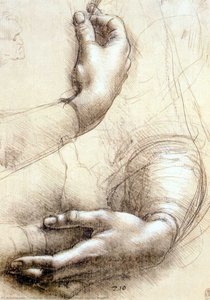
Jan Andrea Lievens' “Studies after the Model,” painted in 1660, isn’t merely a preparatory sketch; it’s a profound meditation on observation, character, and the very act of artistic creation. This remarkable pencil drawing, now housed within the Kunstpalast museum in Düsseldorf, offers an intimate window into the working methods of one of Rembrandt's closest collaborators – a man often overshadowed by his more famous partner but possessing a uniquely sensitive and compelling style. The piece immediately draws the viewer in with its quiet intensity; four heads and shoulders, rendered with remarkable detail and a palpable sense of humanity, are arranged within a deliberately understated composition on aged paper. It’s not a grand portrait intended for display, but rather a series of studies, explorations of form and expression that reveal Lievens' meticulous approach to capturing the essence of his subjects.
The figures themselves – three men and one woman – are presented in varying states of repose and contemplation. Their gazes are direct, almost challenging, inviting the viewer into a silent dialogue. Notice the subtle shifts in expression: the furrowed brow of the central male figure, hinting at inner turmoil; the thoughtful tilt of another’s head, suggesting deep reflection; and the enigmatic smile of the woman, a fleeting moment of grace amidst the seriousness of the group. Lievens masterfully utilizes hatching and cross-hatching to build volume and texture, creating a remarkably tactile surface despite the monochromatic palette. The dark browns and blacks aren't merely shades; they’re carefully modulated tones that convey both solidity and vulnerability.
The Caravaggisti Influence: Echoes of Utrecht
Lievens’s style is deeply rooted in the artistic currents of the early 17th century, particularly the influence of the “Utrecht Caravaggisti.” These artists, working primarily in the Low Countries, brought a dramatic intensity and heightened realism to portraiture, drawing inspiration from the theatrical lighting and dynamic compositions of Italian master Caravaggio. This influence is readily apparent in "Studies after the Model," most notably in the use of chiaroscuro – the stark contrast between light and shadow – which sculpts the figures’ forms and imbues them with a sense of drama. The composition itself, with its carefully arranged figures and emphasis on gesture, echoes the dramatic narratives favored by these Caravaggisti painters.
Furthermore, Lievens' meticulous attention to detail, evident in the rendering of individual strands of hair and wrinkles around the eyes, reflects a shared commitment to anatomical accuracy. However, unlike some of his contemporaries who slavishly imitated Caravaggio, Lievens infused this realism with a distinctly personal style – a sensitivity to character and emotion that elevates the studies beyond mere technical exercises. The drawing’s inherent melancholy, a subtle undercurrent beneath the surface, speaks to a deeper understanding of human psychology.
A Window into Rembrandt's Studio
The significance of “Studies after the Model” extends beyond its artistic merits; it offers a fascinating glimpse into the collaborative relationship between Lievens and Rembrandt. The two artists worked closely together for several years, sharing ideas and techniques, and influencing each other’s work. It is believed that Rembrandt himself may have used Lievens' studies as a basis for some of his own portraits, demonstrating a mutual respect and appreciation for one another’s talents. The drawing serves as a tangible reminder of this dynamic partnership – a testament to the shared artistic vision that flourished within Rembrandt’s studio during the Dutch Golden Age.
Today, “Studies after the Model” stands as a poignant example of Lievens' artistry and a valuable historical document. Its quiet intensity and profound insights continue to captivate viewers, inviting them to contemplate the complexities of human nature and the enduring power of artistic observation. Reproductions offer an accessible way to experience this remarkable work firsthand, bringing its evocative atmosphere into any space.
関連作品
作家の略歴
黄金時代に輝いた画家、ヤン・リーヴェンスの生涯
1607年にオランダのライデンで生まれたヤン・アンドレア・リーヴェンス(Jan Andrea Lievens)は、その短い生涯を通して、オランダ絵画の黄金時代に重要な足跡を残した画家です。彼の作品はしばしば同時代の巨匠レンブラントと関連付けられますが、それは単なる比較ではありません。二人は互いに影響を与え合い、競い合いながら、独自の芸術的表現を追求しました。リーヴェンスの才能は幼少の頃から開花し、その卓越した技術とドラマティックな構成は、瞬く間に人々の注目を集めました。初期の教育と才能の開花
1607年10月24日、織物職人の息子として生まれたヤンは、父リーヴェン・ヘンドリクソン(Lieven Hendriksze)の影響を受けながらも、早くから絵画への情熱を育みました。初期の教育はヨリス・フェルショテン(Joris Verschoten)のもとで受け始めましたが、10歳という若さにしてアムステルダムのピーテル・ラストマン(Pieter Lastman)に弟子入りし、2年間の厳しい修行を積みました。ラストマンからの指導はリーヴェンスの基礎技術を高めるだけでなく、歴史画や物語性のある作品への関心を深めました。12歳にして独立した画家として活動を開始すると、コルネリス・ファン・ハーレム(Cornelis van Haarlem)の「デモクリトスとヘラクレイトス」を模写し、母マヒルト・ヤンス・ファン・ノールザント(Machtelt Jans van Noortzant)の肖像画を描き上げ、その才能が認められ、毛利ッツ・ファン・ナッサウ(Maurice of Nassau, Prince of Orange)公爵から絶賛を受けました。レンブラントとの協働と独自の表現の確立
1626年から1631年まで、リーヴェンスはレンブラント・ファン・レイン(Rembrandt van Rijn)と緊密な協力関係を築きました。二人は共同で20点以上の絵画、素描、版画を制作し、互いに刺激を与え合いながら、新たな表現の可能性を探求しました。しかし、この協働は競争的な側面も持ち合わせており、作品の帰属問題を引き起こすこともありました。リーヴェンスはカラヴァッジョ派の影響を受け、劇的な光と影の効果を巧みに用いた構成を得意としましたが、同時に等身大の人物を描写する才能にも長けていました。この時期に制作された作品群からは、レンブラントとの影響を受けつつも、リーヴェンス独自の表現が確立されつつあることがうかがえます。代表作と芸術的遺産
リーヴェンスの代表作としては、「老人の頭(Head of an Old Man)」(ニューオーリンズ美術館所蔵)、 「髭を生やしたベレー帽をかぶった男(Bearded man with a beret)」、そして「赤いターバンと外套を着た少年(Boy in a cape and turban (Portrait of Prince Rupert of the Palatinate))」(ライデン・コレクション、ニューヨーク所蔵)などが挙げられます。これらの作品は、リーヴェンスの卓越した描写力と光の表現力を示すとともに、当時の社会や文化を反映しています。彼の作品はマウリッツハイス美術館(Mauritshuis)やクレマー・コレクション(Kremer Collection)をはじめとする世界中の美術館に所蔵されており、オランダ絵画の黄金時代を代表する画家としての地位を確立しています。リーヴェンスは1674年にその生涯を閉じましたが、彼の芸術的遺産は今日でも多くの人々に感動を与え続けています。さらなる探求
- ヤン・アンドレア・リーヴェンス(Jan Andrea Lievens Jan Lievens)に関する情報はArtsDotでご覧いただけます。
- オランダのハーグにあるクレマー・コレクション(The Kremer Collection)では、リーヴェンスの作品を包括的に紹介しています。
- ヤン・リーヴェンス(Jan Lievens)に関する詳細な情報はWikipediaでも確認できます。
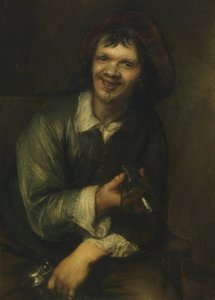
ヤン・リーヴェンス
1607 - 1674 , オランダ
プロフィール概要
- Artistic Movement Or Style: オランダ黄金時代
- Artists Or Movements Influenced By This Artist: ['レンブラント']
- Artists Who Influenced This Artist:
- ピーター・ラーストマン
- ピーテル・パウル・ルーベンス
- Date Of Birth: 1607年10月24日
- Date Of Death: 1674年6月4日
- Full Name: ヤン・アンドレアス・リーフェンス
- Nationality: オランダ人
- Notable Artworks:
- 老人の頭部
- ひげのある男の肖像画
- ターバンの少年
- Place Of Birth (City And Country): オランダ、ライデン

