 プレビュー
プレビュー
 プリントを購入
 シェアする
シェアする シェアする
シェアする
 詳細を見る
詳細を見る

 ダウンロード
 似ている作品
 X線調査
X線調査 スライドショー
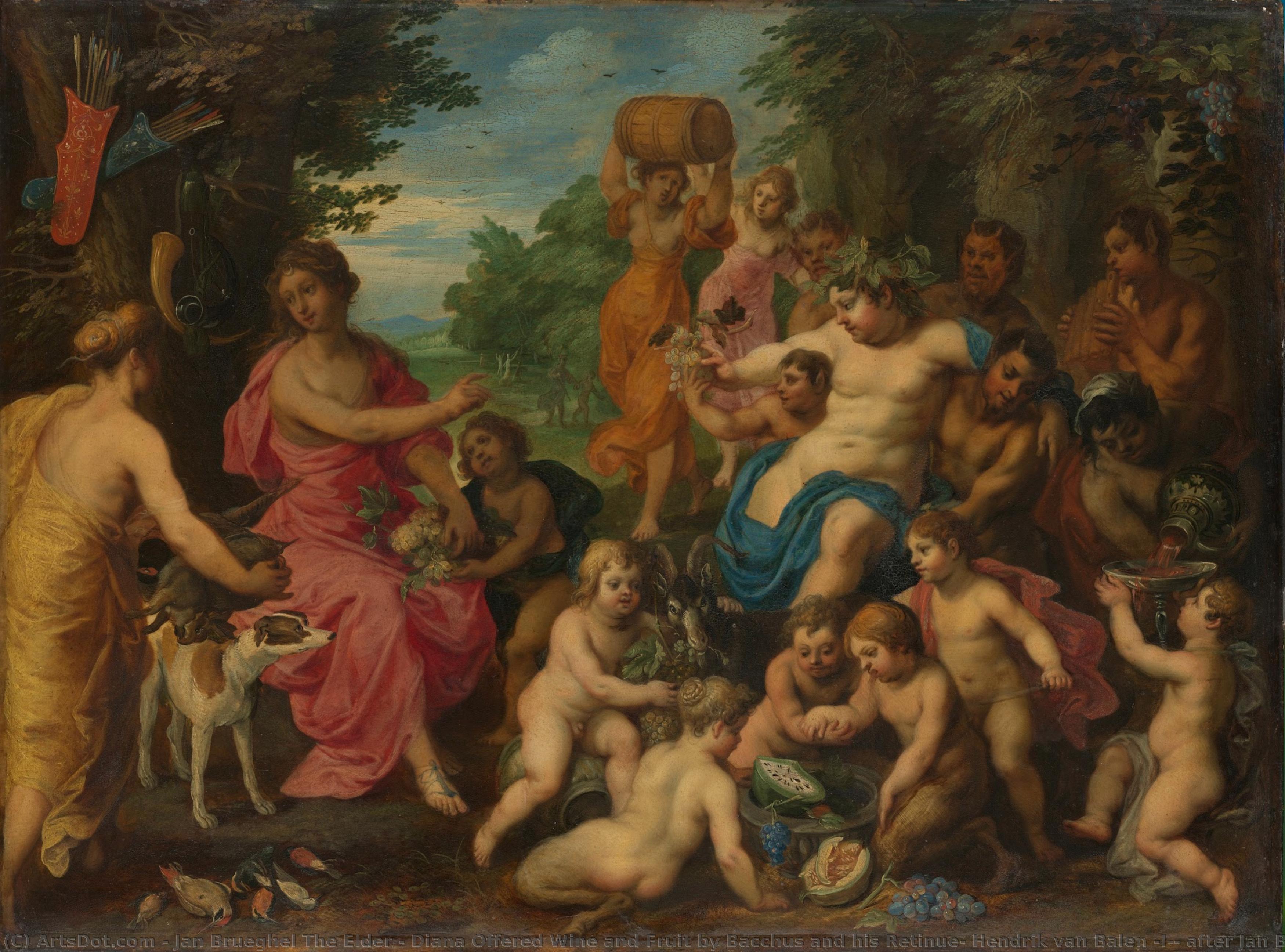
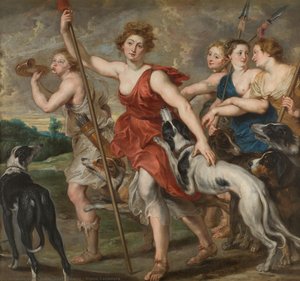
Diana Offered Wine and Fruit by Bacchus and his Retinue, Hendrik van Balen (I), after Jan Brueghel (I), c. 1617 - 1625
 Oil On Panel
- Flemish Baroque
 1625
1625- Early Modern
 39.0 x 52.0 cm
 詳細を見る
詳細を見る




P118B $10

P118H $10

P118W $10

P438Z $10

P508JH $12

P508YH $12

P805H $10

P805Z $10

P919BZ $10

P919G $10

P919XJ $10

P959ZH $10

P968JZ $12

W106C $8

W218G $10

W218JH $8

W218Y $10

W307PJ $10

W316G $10

W316PJ $8

W316Y $10

W398PJ $8

W4111J $10

W500HY $15

W500JH $15

W692G $12

W849H $8

W940BG $15

W953PJ $8




作品のオリジナル比率に合わせた、当店の規定サイズからお選びください。

特定のフレームやスペースに合わせて、ご希望のサイズをご入力いただけます。選択されたサイズが元の画像の比率と異なる場合、アートワークをトリミングするか、手描きで要素を追加して絵画を拡張いたします。デジタルモックアップ を制作し、制作開始前にご確認(承認)をいただきます。
画面上のプレビューは、実際のトリミングや拡張を正確に反映しているものではありません。最終的な構図は、モックアップによってのみ正確にご確認いただけます。
カスタムサイズもご利用いただけますが、元の比率を維持するためには、あらかじめ用意されたリストからサイズを選択することをお勧めいたします。
ご注文後、ArtsDot.com チームより詳細な指示をお送りするとともに、仕上がりイメージ(モックアップ)をご提供いたします。


 ガラスオプションは、110cm未満のサイズでのみご利用いただけます。

Diana Offered Wine and Fruit by Bacchus and his Retinue, Hendrik van Balen (I), after Jan Brueghel (I), c. 1617 - 1625
複製技法
複製画のサイズ
-


合計金額
$ 263
関連作品

アーティストの略歴
フランドルの土壌に根ざした遺産
ヤン・ブリューゲル長男は、鮮やかな風景画と精巧な静物画で知られ、芸術的伝統が深く息づく家系から生まれた画家です。1628年にブリュッセルで生まれ、ネーデルランド・ルネサンス絵画の巨匠であり、農民生活や広大な景色を描いて美術史に名を刻んだピーテル・ブリューゲル長男の末っ子でした。父のような偉大な存在の影は重くのしかかったかもしれませんが、ヤンは単なる後継者ではなく、勃興するフランドル・バロック運動の中で革新者としての道を歩みました。彼の幼少期は喪失に満ちており、ピーテル・ブリューゲル長男が彼がまだ1歳になる前に亡くなり、母親も10年後に世を去りました。当初は尊敬された芸術家であった祖母、メイケン・フェルフルストによって育てられ、ヤンは絵画と水彩画の基礎訓練を受けました。これは生涯にわたる細部への観察力と技術的習熟への献身へとつながる良いスタートとなりました。幼少期のこの経験の影響と、アントワープの芸術的な熱狂の中で研究を続けたことが、受け継がれた才能と個人的なビジョンによって特徴づけられたキャリアの基礎を築きました。
バロック様式の開花
ブリューゲルの芸術的発展は、1590年代にイタリアへの旅行によって大きく形作られました。ナポリとローマは彼に、壮大さ、ドラマ性、そして色の感覚が強調された異なる美的感性を体験する機会を与えました。彼はこれらの影響を取り入れましたが、単に模倣することはありませんでした。むしろ、父から受け継いだ北部ヨーロッパの写実主義の伝統と融合させました。この融合の結果、イタリア・バロックの壮大さとフランドル絵画の精密さを祝うユニークな様式が生まれました。彼は特に花を描いた作品で「ベルベット・ブリューゲル」として知られるようになりました。これらの作品は単なる植物の研究ではありませんでした。それは、象徴的な意味合いを込めて、人生の儚い美しさを祝福するものでした。花の絵画以外にも、ブリューゲルは風景画に優れ、日常生活や神話的物語が展開される牧歌的なシーンを描きました。彼の構図はパノラマのような広がりと、葉一枚、昆虫一つ、水面の波紋一つに至るまで、細部に至る徹底した注意を特徴としています。
コラボレーションと革新
ヤン・ブリューゲルのキャリアは個人の業績だけによって定義されたものではありませんでした。彼はまた、熟練した共同制作者でもありました。彼の最も重要なパートナーシップは、おそらくフランドル・バロックの最も影響力のある芸術家であったピーテル・パウル・ルーベンスとのものでした。2人は親密な友情を育み、大規模なプロジェクトで頻繁に協力しました。通常、ルーベンスが人物を描き、ブリューゲルは風景画や静物画に焦点を当てました。このコラボレーションの結果、*アダムとイブの楽園*のような時代を代表する傑作が生み出されました。ルーベンスのダイナミックな人物像が、ブリューゲルの緑豊かで詳細な庭の背景にシームレスに統合されています。ルーベンスとのパートナーシップ以外にも、ブリューゲルは多才な革新者であり、花輪絵画や楽園風景画といった新しいジャンルを開拓しました。花輪絵画は宗教的または神話的なシーンを囲む精巧な花の配置で、17世紀に高まっていた美術品収集の関心を反映したギャラリー絵画も開発しました。
永続する影響
ヤン・ブリューゲル長男は1625年にアントワープで亡くなり、彼の生涯を超えて広がる遺産を残しました。彼の細部へのこだわり、鮮やかな色彩、革新的な構図は、後世のフランドル絵画に大きな影響を与えました。彼はディテールとリアリズムの新たな基準を確立し、芸術家たちに彼らの技術の限界に挑戦するよう促しました。彼の息子であるヤン・ブリューゲル2世は父の足跡をたどり、しばしば父の作品と区別がつかないような作品を生み出しました。しかし、家族の名声を確立し、美術史における重要な人物としての地位を確固たるものにしたのは、ヤン・ブリューゲル長男でした。彼の作品は、当時の芸術的潮流だけでなく、17世紀のより広範な知的および文化的変化も反映しています。これには、科学的観察の高まり、反宗教改革中に高まった宗教的な熱意、そして自然界の美しさや複雑さに対する評価が含まれます。ブリューゲルの絵画は、その精巧なディテール、鮮やかな色彩、そして永続する驚異の感覚によって、今日でも観客を魅了し続けています。
- テクスチャを巧みに表現したことから「ベルベット・ブリューゲル」として知られる。
- 花輪絵画と楽園風景画を開拓した。
- ピーテル・パウル・ルーベンスと親密に協力した。
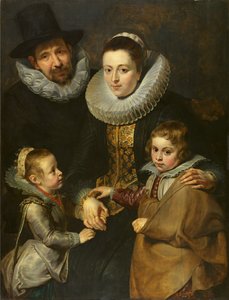
ヤン・ブリューゲル長男 (Yan Burūgeru Chōnan)
1568 - 1625 , ベルギー
基本情報
- Artistic Movement Or Style: バロック様式
- Artists Or Movements Influenced By This Artist: ['フランドル絵画']
- Artists Who Influenced This Artist:
- ピーテル・ブリューゲル長男
- ルーベンス
- Date Of Birth: 1568年
- Date Of Death: 1625年
- Full Name: ヤン・ブリューゲル長男
- Nationality: フランドル人
- Notable Artworks (List Of Titles):
- ネプトゥヌスの勝利
- 花静物
- 滝のある風景
- Place Of Birth (City And Country): ブリュッセル、ベルギー
関連記事

バロックのドラマ:現代のインテリアに壮麗さと情感を取り込む
バロック様式の歴史、絵画、家具の魅力をご紹介。ArtsDotでは、高品質な油絵複製やカスタムポートレートをご提供し、現代のインテリアに壮麗さと情感を取り入れます。アートコンサルテーションも承ります。

The Visceral Stage: Exploring Dramatic Narratives & Emotional Intensity in Baroque Art
Explore the dramatic world of Baroque art! Discover iconic masters like Caravaggio & Rembrandt, their techniques, and the movement's lasting impact. Expert insights for collectors & enthusiasts at ArtsDot.

The Dramatic Flourish: Exploring the Baroque Movement's Enduring Legacy in Art History
Explore the dramatic world of Baroque art! Discover iconic artists like Caravaggio & Rubens, defining techniques, and its lasting impact on art history. Expert insights for collectors & enthusiasts at ArtsDot.

バロック美術を極めた至宝:時代を彩る10大名作の世界
バロック美術の華!カラヴァッジョ、ベルニーニら巨匠が創り上げた10大名作を徹底解剖。ドラマチックな色彩と豪華絢爛の世界観に触れ、至宝のアートプリントで空間を彩ろう。ArtsDot.comで美術館品質の複製と洗練されたインテリアを見つけましょう!
Echoes of Olympus: Mythological Narratives in Western Art Through the Ages
Explore the captivating history of mythological narratives in Western art! From ancient Greece to modern masterpieces, discover iconic artworks & symbolism. Expert analysis and high-quality reproductions at ArtsDot.