プレビュー
プレビュー
 シェアする
シェアする シェアする
シェアする
 詳細を見る
詳細を見る

 ダウンロード
 似ている作品
 X線調査
X線調査 スライドショー
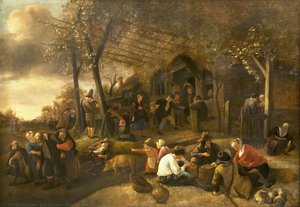
'Baptism (''So de oude songen, so pypen de jongen'')'
 Oil On Canvas
- WallArt
- Baroque
 83.0 x 99.0 cm
 国立博物館群
 詳細を見る
詳細を見る
ジークレー/アートプリント
迅速な制作と多彩な仕上げオプションを備えた、ミュージアムクオリティのジークレーまたはキャンバスプリント。 ( 手描きの絵画を購入 画像を購入)




P118B $10

P118H $10

P118W $10

P438Z $10

P508JH $12

P508YH $12

P805H $10

P805Z $10

P919BZ $10

P919G $10

P919XJ $10

P959ZH $10

P968JZ $12

W106C $8

W218G $10

W218JH $8

W218Y $10

W307PJ $10

W316G $10

W316PJ $8

W316Y $10

W398PJ $8

W4111J $10

W500HY $15

W500JH $15

W692G $12

W849H $8

W940BG $15

W953PJ $8




作品のオリジナル比率に合わせた、当店の規定サイズからお選びください。

特定のフレームやスペースに合わせて、ご自身でサイズを指定することも可能です。選択されたサイズが元の画像の比率と一致しない場合、作品をトリミングするか、鏡面反射または単色での塗りつぶしによって画像を拡張いたします。制作を開始する前に、ご確認用のデジタルモックアップをお送りいたします。
画面上のプレビューには、実際のトリミングや拡張は反映されませんのでご注意ください。最終的な構図を正確に確認できるのは、モックアップのみとなります。
カスタムサイズも承っておりますが、元の比率を維持するためには、あらかじめ用意されたリストからサイズを選択することをお勧めいたします。


 ガラスオプションは、110cm未満のサイズでのみご利用いただけます。

'Baptism (''So de oude songen, so pypen de jongen'')'
ジークレー/アートプリント
複製画のサイズ
-


合計金額
$ 62
作品詳細説明
A Riot of Life and Morality: Unpacking Jan Steen's 'Baptism'
Jan Havickszoon Steen’s “Baptism (''So de oude songen, so pypen de jongen'')” isn’t merely a depiction of a religious ceremony; it’s a vibrant, chaotic snapshot of 17th-century Dutch life—a microcosm brimming with humor, satire, and subtle moral commentary. Painted in the twilight years of Steen's career, around 1668-70, this large-scale oil on canvas offers a glimpse into a family gathering that feels both utterly familiar and profoundly unsettling. The painting’s immediate impact is one of joyous pandemonium: children playfully mimicking their elders, adults indulging in boisterous revelry, and an overall sense of unbridled energy that dominates the scene.
Steen, a master of capturing the everyday with remarkable psychological depth, eschewed the grand narratives favored by many of his contemporaries. Instead, he focused on the complexities of domestic life—tavern scenes, schoolrooms, and family gatherings—infusing them with astute observations about human behavior. “Baptism” exemplifies this approach, presenting a seemingly straightforward event as an opportunity to explore themes of generational conflict, parental indulgence, and the seductive power of imitation. The painting’s genius lies in its ability to simultaneously entertain and provoke thought.
The Proverbs and the Paradox
The title itself—"As the Old Sing, So Pipe the Young"—is a crucial element of the work's layered meaning. This popular Dutch proverb, referencing a tradition of moral instruction through song and storytelling, immediately establishes a central tension within the scene. The elderly woman at the table holds a sheet of paper bearing this very text, her finger pointing towards it as if to impart wisdom—a lesson ironically undermined by the behavior unfolding around her. The painting becomes a visual embodiment of the proverb’s core idea: children learn by observing and imitating their elders, often adopting their less desirable traits.
Notice the details that amplify this paradox. The elderly man, adorned with a comical *kraamherenmuts* (a hat traditionally worn by new fathers), is actively teaching his son to smoke—a blatant disregard for the moral lesson being offered. The scene is punctuated by other instances of playful transgression: an oyster-laden table, suggestive of gluttony; a parrot mimicking the sounds of the room; and a young boy attempting to climb onto a chair, mirroring the antics of the adults. Steen doesn’t offer simple judgments; he presents a complex tableau where virtue and vice coexist in a delightfully disorienting manner.
A Window into Dutch Society
“Baptism” provides a fascinating window into 17th-century Dutch society, revealing both its prosperity and its underlying anxieties. The lavish furnishings—the dining table laden with food, the ornate chairs—speak to the family’s comfortable circumstances. However, beneath this veneer of affluence lies a sense of unrestrained indulgence, reflecting a broader cultural trend toward materialism and social mobility. Steen's work is not simply a record of daily life; it’s a subtle critique of societal values, exposing the hypocrisy and contradictions inherent in a rapidly changing world.
The painting’s enduring appeal lies in its ability to resonate with viewers across centuries. Steen’s masterful use of color, composition, and characterization—coupled with his keen understanding of human psychology—creates an unforgettable image that continues to provoke laughter, contemplation, and a deeper appreciation for the complexities of life itself. It's a testament to Steen's unique vision and his place as one of the most original voices of the Dutch Golden Age.
関連作品
アーティストの略歴
ヤン・ハヴィクソン・ステーンの生涯と芸術
ヤン・ハヴィクソン・ステーン(1626年 – 1679年)は、オランダ黄金時代の画家として、日常生活に内在する活気とユーモアをとらえることに重点を置きました。神話や歴史的な肖像画に焦点を当てた多くの同時代作家とは異なり、ステーンは農家、居酒屋の集まり、学校など、心理的な洞察力と微妙な道徳的教訓が込められた日常生活を描くことに専念しました。この独特のアプローチは、彼を時代の最も独創的な声の一つとして確立し、バロック美術に大きな影響を与えました。 オランダのライデンで生まれたステーンの初期の芸術教育は、当時の基準からするとやや型破りでした。彼は、肖像画や風景画で知られる画家であるヘンドリック・ヤコブス・ストッフェルスに師事し、基礎的なスキルを提供しましたが、後に彼自身の独特なスタイルを形作る伝統にも触れました。しかし、ステーンはすぐに独立したビジョンを発展させ、ますます隆盛していた芸術運動であるジャンル絵画—新興の芸術運動—をより名誉ある主題よりも優先しました。この決定は、現実主義を重視し、関連性の高い文脈で人間の関係の複雑さを描くという広範な文化的変化を反映しています。 ステーンの作品の特徴は、キャンバスに感情的なインパクトと深みを与える劇的な照明技術であるキアロスクーロの巧みな使用です。彼は日常生活の詳細—衣服、家具、表情—を驚くほど正確に観察しました。しかし、ステーンは単に現実を記録しているわけではありませんでした。彼は視覚的な手がかりを巧みに用いて道徳的メッセージを伝えました。彼の絵画には、しばしば些細な活動に従事する人物が描かれています—スカトルプレイヤー、畑を耕す農民—しかしこれらのシーンには象徴的な意味合いが含まれており、敬虔さ、愚かさ、人間の行動の結果について視聴者に考えさせます。「居酒屋の外のスカトルプレイヤー」(1663年)を考えてみましょう。そこでは活気のあるゲームが素朴なインテリアの背景で繰り広げられ、節度と社会的責任の重要性を微妙に思い出させてくれます。芸術的発展と影響
ステーンのキャリアは、初期の作品から徐々に成熟したスタイルへと進化しました。彼の初期の絵画は、しばしばより抑制された色使いと構成が特徴でしたが、時間の経過とともに、彼は大胆な色彩、ダイナミックな構図、そして日常生活におけるドラマチックな瞬間を捉える能力を発展させました。この進化は、彼が同時代の画家からの影響を受けながらも、独自の芸術的ビジョンを追求した結果でした。 ステーンの作品に影響を与えた重要な画家の一人は、ピーテル・ブリューゲルです。ブリューゲルの農民の生活を描いた絵画は、ステーンにジャンル絵画における物語性と風刺の可能性を示唆しました。また、レンブラントの影響も無視できません。レンブラントのキアロスクーロの使用と心理的な洞察力は、ステーンの作品にも見られますが、ステーンはより明るく色彩豊かなパレットとユーモラスな表現を好みました。 彼の影響は同時代の人々にまで及びました。ステーンの革新的なスタイルはヨーロッパ中の芸術家に共鳴し、特にフランスではバロック画家の感情的に充電された構成を作成するための技術を採用しました。ニコラ・スストリスやレンブラントのような芸術家は、単純なシーンの中で心理的なニュアンスを伝えるステーンの能力に感銘を受けました—バロック美学の特徴です。ブルージュのメムリング美術館には、ステーンの絵画の見事なコレクションが収蔵されており、訪問者は彼の芸術的業績の広さと深さを比類のない方法で理解することができます。主要作品とテーマ
ステーンの最も有名な作品には、「洗礼者ヨハネの説教」(1653年)と「厳しい教師」(1668年)があります。「洗礼者ヨハネの説教」は、ステーンが光と色彩を劇的に使用して、村人たちが神の啓示のメタファーである輝く太陽光に照らされて洗礼者ヨハネの説教に熱心に耳を傾ける重要な聖書の瞬間をとらえる様子を示しています。同様に、「厳しい教師」は緊張感とユーモアに満ちた教室のシーンを描いており、教育者が若い心を形作る際に直面する課題を強調しています。ステーンの細部へのこだわりと心理的なリアリズムは、この一見ありふれた主題を高め、人間の本性と道徳的責任に関する深い考察へと昇華させます。 ステーンの作品には、しばしば道徳的なテーマが織り込まれています。彼は、日常生活における人間の愚かさや欠点を描くことで、視聴者に自己反省を促し、より高潔な行動をとるように促しました。彼の絵画は、単なる娯楽ではなく、教訓的な目的を持っていました。歴史的意義と遺産
ヤン・ハヴィクソン・ステーンの遺産は、今日でも誠実さと感情的な共鳴を追求する芸術家たちにインスピレーションを与え続けています。彼はオランダの芸術革新—日常生活の美しさと複雑さを祝いながらも貴重な道徳的教訓を伝える画家—の永続的な象徴であり、バロック美術史における彼の地位を確固たるものにしました。 ステーンは、同時代の他の画家とは異なり、神話や歴史的な出来事に焦点を当てるのではなく、日常生活を描くことに専念しました。この独特のアプローチは、ジャンル絵画の重要性を高め、オランダ黄金時代における芸術的表現の多様性に貢献しました。彼の作品は、人間の本性、社会規範、そして道徳的責任に関する貴重な洞察を提供し、今日でも視聴者を魅了し続けています。ステーンの絵画は、世界中の美術館や個人コレクションに収蔵されており、彼の芸術的業績を後世に伝える役割を果たしています。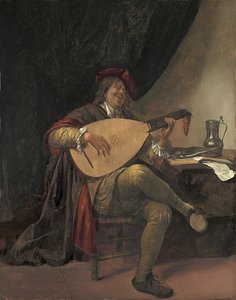
ヤン・ハヴィクスゾーン・ステーン
1626 - 1679 , 日本国
基本情報
- Artistic Movement Or Style: オランダ黄金時代のジャンル画
- Artists Or Movements Influenced By This Artist: バロック美術
- Artists Who Influenced This Artist: ['ヘンドリック・ヤコブス・ストッフェルス']
- Date Of Birth: 1626年
- Date Of Death: 1679年
- Full Name: ヤン・ハヴィクソン・ステーン
- Nationality: オランダ人
- Notable Artworks:
- 洗礼者ヨハネの説教
- 居酒屋の外で遊ぶ人々
- 厳しい教師
- Place Of Birth (City And Country): オランダ、ライデン
関連記事
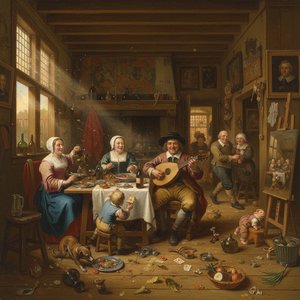
Jan Steen: A Master of Dutch Genre Painting & the Golden Age
Explore the life & art of Jan Steen, a leading Dutch Golden Age painter renowned for his humorous genre scenes & insightful social commentary. Discover his techniques, legacy, and collecting tips.

黄金世紀の巨匠たち:バロック絵画が彩る10選|ArtsDot
オランダ黄金時代の10大傑作を紐解く!レンブラント、フェルメール…バロック絵画の魅力と時代背景を深く探求。ArtsDotで、至高のアートコレクションと空間演出のヒントを見つけよう。高品質なアートプリントで、お部屋を華やかに。

Golden Age Reflections: Dutch Baroque Painting & Cultural Innovation
Explore the Dutch Golden Age of painting! Discover key artists like Vermeer & ter Borch, their innovative techniques, and the rich cultural context behind these Baroque masterpieces. Learn about collecting & appreciating this iconic art period.
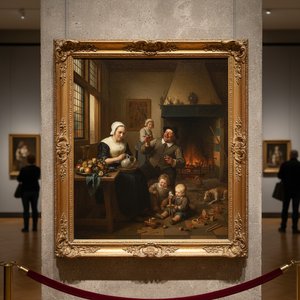
Genre Painting: A Window into Daily Life & Societal Values of the Dutch Golden Age
Explore the captivating world of Dutch Golden Age genre painting! Discover realistic depictions of daily life, masterful artists like Ostade & Metsu, and hidden symbolism. Learn about this influential art movement with ArtsDot.

Illuminating Innovation: Exploring the Dutch Golden Age of Painting
Explore the Dutch Golden Age of painting with ArtsDot. Discover Rembrandt, Vermeer & other Masters. Learn about key characteristics, iconic artworks, and lasting influence. Expert insights for collectors & enthusiasts.