

 プレビュー
プレビュー
 プリントを購入
 シェアする
シェアする シェアする
シェアする
 詳細を見る
詳細を見る

 ダウンロード
 似ている作品
 X線調査
X線調査 スライドショー
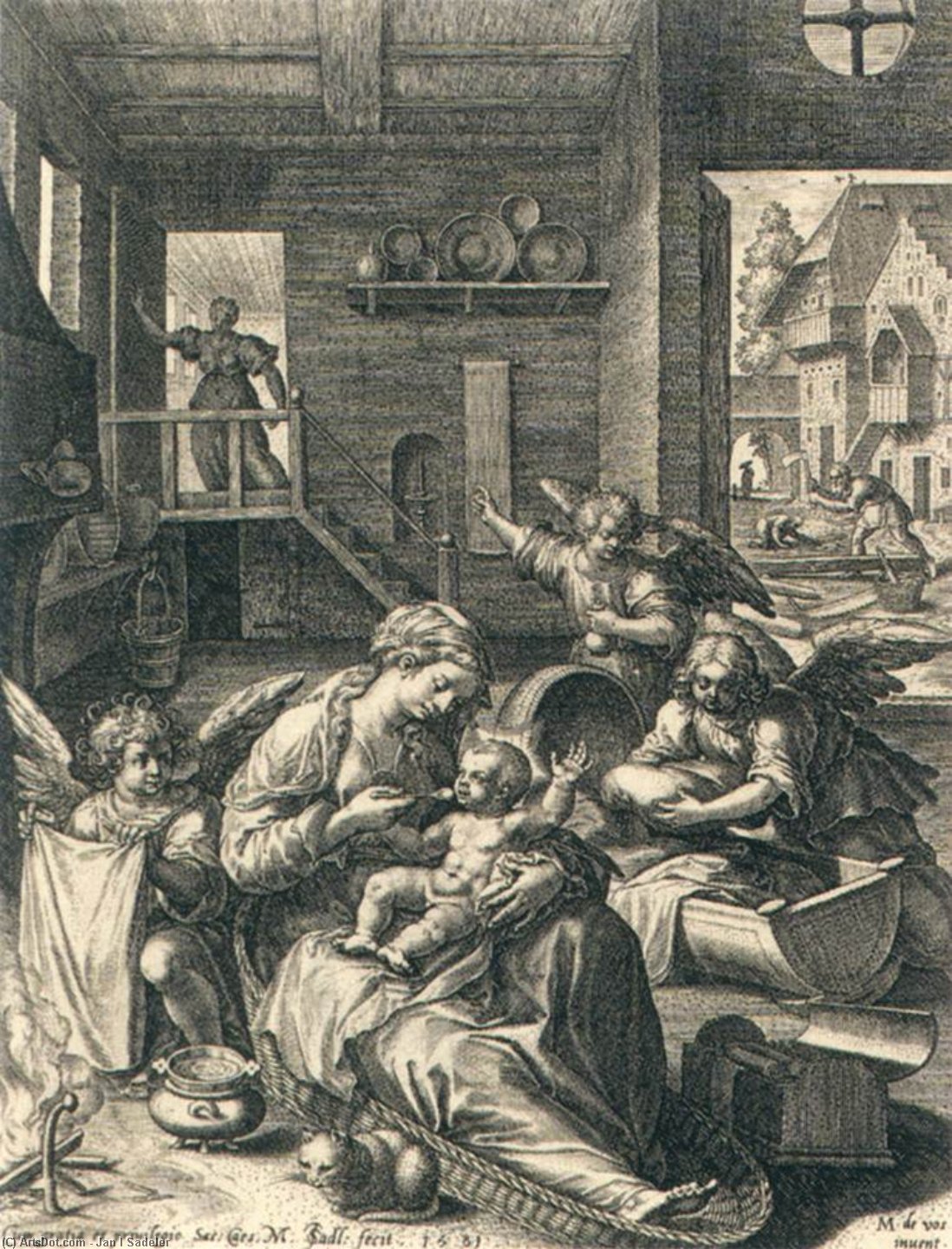
The Holy Family in Egypt


 詳細を見る
詳細を見る
オンラインプレビューをはるかに凌ぐ、高解像度で鮮明なデジタル画像をご購入いただけます。
各ファイルは、社内の専門家が高度なツールと熟練した手作業によるレタッチを用いて、細心の注意を払って準備されています。すべての画像において、卓越した鮮明度、正確な色彩再現性、そして繊細なディテールを保証いたします。
最終ファイルは、プロフェッショナルな編集・印刷環境ですぐにご利用いただけるよう最適化された状態で、72時間以内にメールにてお届けいたします。これは、一流のデザインスタジオ、出版社、ギャラリーから信頼されているものと同等の品質です。
デジタル画像のご注文に付随する特典
高品質なデジタル画像配信を、確かな品質で。
ArtsDot.com を選ぶことは、単に画像を手に入れることではありません。それは、プロの手によって精密に仕上げられ、満足保証が付いた高品質なデジタルアートワークを受け取ることを意味します。ご注文いただいた際に自動的に付随する内容は、以下の通りです:

メールですぐにお届け
ご注文から72時間以内に、高解像度のデジタル画像ファイルがメールでお手元に届きます。すぐにそのままご利用いただけます。

AI技術で最適化されたデジタルファイル
お客様の作品は、高度なAIツールと専門家による手作業の編集を組み合わせてプロフェッショナルに最適化されており、細部のディテール、鮮明さ、そして正確な色再現性を最大限に引き出しています。

一生涯無料の再送サービス
ファイルを誤って削除したり、紛失してしまったりしましたか?ご安心ください。いつでも無料で再送いたします。

輸入手数料は一切かかりません
関税や手数料、配送料を気にすることなく、お気に入りのアートワークをすぐにお楽しみいただけます。デジタルダウンロードは常に免税です。

色彩再現の保証
プロ仕様のツールとカラーマネジメント技術を用いることで、デジタル画像が元の色を最大限に忠実に再現することを保証いたします。

60日間満足保証
ご購入いただいたデジタル画像にご満足いただけない場合は、60日以内であれば、修正または100%の返金(理由を問う必要はありません)をさせていただきます。

100% 返金保証
ご満足いただけない場合は、デジタルファイルを受け取ってから60日以内であれば、理由を問わず全額返金いたします。

まとめ買い割引
3枚購入で10%OFF - 5枚購入で15%OFF - 10枚以上購入で20%OFF。クリエイティブなプロジェクト、ギャラリー、エージェンシーに最適です。
A Window into Faith: The Majesty of Jan I Sadeler’s “The Holy Family in Egypt”
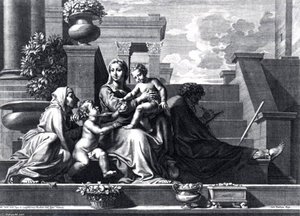
Jan I Sadeler's engraving, "The Holy Family in Egypt," transcends mere reproduction; it’s a meticulously crafted portal to a pivotal moment in Christian narrative. Completed in 1581, this work isn’t simply a depiction of the biblical story but a profound meditation on family, faith, and the enduring power of divine protection. Sadeler, part of a renowned dynasty of Flemish engravers known for their faithful reproductions of contemporary masters like Spranger and Bassano, elevates this scene through his masterful command of line and shading – techniques that imbue the image with an almost palpable sense of depth and atmosphere.
The composition itself is deceptively simple. Mary, Joseph, the infant Jesus, and John the Baptist stand within a modestly furnished room, bathed in the soft light filtering through a window. The arrangement isn’t one of grand theatricality but rather a quiet intimacy, reflecting the familial bonds at the heart of the story. Notice the careful attention to detail – the folds of Mary's garments, the gentle curve of Joseph’s hand as he supports the child, and the serene expression on Jesus’ face. These subtle gestures speak volumes about the tenderness and devotion within this sacred family.
The Renaissance Echoes: Style and Technique
Sadeler’s style is firmly rooted in the Northern Renaissance tradition, a period characterized by an emphasis on realism, meticulous detail, and a deep appreciation for classical forms. His engraving showcases his exceptional skill in rendering textures – from the rough-hewn stone of the building to the delicate folds of fabric. The use of cross-hatching creates a remarkable sense of volume and light, drawing the viewer’s eye into the scene and lending it an almost three-dimensional quality. This technique was particularly valued by Sadeler's family, who were renowned for their ability to faithfully reproduce the works of Italian masters.
The engraving itself is a testament to the printing process of the time. It’s created using a complex system of copper plates and ink, requiring immense patience and precision. The result is an image that possesses both remarkable clarity and subtle nuances – a delicate balance between meticulous detail and expressive artistry. It's important to note that Sadeler was not just a copier; he possessed a keen artistic sensibility, subtly enhancing the composition and imbuing it with his own stylistic choices.
A Symbol of Refuge and Hope
The setting – an Egyptian dwelling – immediately evokes the narrative’s core theme: flight and refuge. Following the decree of King Herod, Joseph and Mary sought sanctuary in Egypt to protect Jesus from persecution. The scene isn't one of dramatic escape but rather a quiet moment of domesticity amidst uncertainty. The bowls scattered around the room suggest a simple life, a testament to their resourcefulness and resilience.
Symbolically, the Holy Family represents an ideal of faith, obedience, and unwavering love. Mary’s gentle demeanor, Joseph's protective stance, and Jesus’ innocent gaze all contribute to this powerful message. The inclusion of John the Baptist, already foreshadowing his role as a prophet, further reinforces the theme of divine guidance and destiny. “The Holy Family in Egypt” is more than just an illustration of a biblical story; it’s a timeless representation of family values and the enduring hope found within faith.
A Legacy of Reproduction: The Sadeler Dynasty
Jan I Sadeler's work stands as a cornerstone of the Sadeler dynasty, a prolific family of Flemish engravers who played a crucial role in disseminating Renaissance art throughout Europe. Their reputation rested largely on their ability to produce high-quality reproductions of works by leading artists like Spranger and Bassano, making these masterpieces accessible to a wider audience. The Sadeler’s were not merely copyists; they were skilled artisans who refined the printing process and contributed significantly to the development of engraving as a medium. Reproductions like “The Holy Family in Egypt” helped shape artistic tastes and fostered a deeper appreciation for classical and Renaissance art across generations.
関連作品
作家の略歴
The Legacy of the Sadeler Dynasty
In the vibrant, bustling landscape of the late sixteenth-century printmaking world, few names carried as much weight or prestige as the Sadeler family. At the heart of this illustrious dynasty stood Jan I Sadeler, a master engraver whose life and work epitomized the golden age of Flemish printmaking. Born in Brussels around 1550, Jan was part of a sprawling, multi-generational lineage of artists and publishers that acted as the primary engine for spreading artistic innovation across Europe. The Sadelers were not merely craftsmen; they were the vital conduits through which the sophisticated language of Mannerism flowed from the workshops of Antwerp and Brussels to the courts of Germany, Italy, Bohemia, and Austria.
The roots of this talent can be traced back to the skilled armor engravers of Aalst, a lineage of "chasers" who possessed an innate understanding of fine line and delicate detail. This ancestral precision provided Jan with a foundational mastery over the copperplate, allowing him to translate the fluid, often complex compositions of contemporary painters into the permanent, reproducible medium of print. As part of a family that functioned as both creators and publishers, Jan’s career was inextricably linked to the commercial and intellectual networks of the time, ensuring that his artistic vision reached far beyond the borders of the Spanish Netherlands.
Mastery of the Mannerist Line
Jan I Sadeler’s true greatness lay in his ability to act as a visual translator for the most celebrated painters of his era. His work was characterized by an extraordinary capacity for reproductive engraving, a demanding discipline that required him to capture the subtle nuances of light, shadow, and musculature found in the original paintings. He found profound inspiration in the works of Bartholomeus Spranger, a titan of Northern Mannerism, as well as the evocative, atmospheric compositions of the Bassano family from Venice. Through his meticulous burin work, Jan was able to replicate the elongated elegance and dramatic tension that defined the Mannerist style.
To observe a Sadeler engraving is to witness a dance of light and dark. His technique involved a sophisticated use of cross-hatching and varying line weights to create a sense of three-dimensional volume on a two-dimensional surface. This skill was essential for disseminating the reputations of artists like Spranger; by transforming large-scale, singular paintings into portable, high-quality prints, Jan helped create a pan-European visual culture. His prints allowed collectors in distant lands to study the latest trends in anatomy and composition, effectively making him one of the most influential "art critics" and educators of the Renaissance through his sheer technical prowess.
A Prolific Lineage and Historical Impact
The historical significance of Jan I Sadeler cannot be measured solely by his individual output, but rather by the enduring influence of the family empire he helped sustain. The Sadeler workshop was a sprawling enterprise involving numerous relatives, including his brothers Aegidius I and Rafael I, as well as his sons Justus and Marcus Christoph. This collective effort created a standardized excellence that made the "Sadeler" brand synonymous with quality throughout the sixteenth and seventeenth centuries. Whether working in Antwerp, Munich, or Venice, the family maintained a consistent level of artistry that bridged the gap between different European artistic centers.
By the time Jan reached his maturity in Antwerp around 1572, the city had become the epicenter of the global print trade. Within this highly competitive environment, Jan’s ability to navigate the complex distribution arrangements of publishers like the Plantin Press ensured that his work remained at the forefront of the market. His life, which concluded around 1600, marked a pivotal era in which the printed image became a powerful tool for cultural diplomacy and artistic prestige. Today, the engravings of Jan I Sadeler remain vital historical documents, offering a window into the intricate textures and profound aesthetic shifts of the late Renaissance.
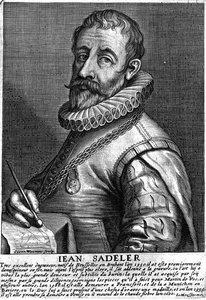
jan i sadeler
1550 - 1600 , Belgium
プロフィール概要
- Artistic Movement Or Style: Renaissance, Mannerism
- Artists Or Movements Influenced By This Artist: ['Mannerist style dissemination']
- Artists Who Influenced This Artist:
- Bartholomeus Spranger
- Bassano family
- Date Of Birth: 1550
- Date Of Death: 1600
- Full Name: Jan I Sadeler
- Nationality: Flemish
- Place Of Birth: Brussels, Belgium

