

 プレビュー
プレビュー
 シェアする
シェアする シェアする
シェアする
 詳細を見る
詳細を見る

 ダウンロード
 似ている作品
 X線調査
X線調査 スライドショー
 統計情報
統計情報Still-Life
 1660
1660 46.0 x 66.0 cm
 詳細を見る
詳細を見る
オンラインプレビューをはるかに凌ぐ、高解像度で鮮明なデジタル画像をご購入いただけます。
各ファイルは、社内の専門家が高度なツールと熟練した手作業によるレタッチを用いて、細心の注意を払って準備されています。すべての画像において、卓越した鮮明度、正確な色彩再現性、そして繊細なディテールを保証いたします。
最終ファイルは、プロフェッショナルな編集・印刷環境ですぐにご利用いただけるよう最適化された状態で、72時間以内にメールにてお届けいたします。これは、一流のデザインスタジオ、出版社、ギャラリーから信頼されているものと同等の品質です。
デジタルアート
個人での鑑賞、印刷、クリエイティブなプロジェクト用に、高解像度ファイルをダウンロードできます。 ( プリント版に切り替え 手描きの絵画を購入)
デジタル画像のご注文に付随する特典
高品質なデジタル画像配信を、確かな品質で。
ArtsDot.com を選ぶことは、単に画像を手に入れることではありません。それは、プロの手によって精密に仕上げられ、満足保証が付いた高品質なデジタルアートワークを受け取ることを意味します。ご注文いただいた際に自動的に付随する内容は、以下の通りです:

メールですぐにお届け
ご注文から72時間以内に、高解像度のデジタル画像ファイルがメールでお手元に届きます。すぐにそのままご利用いただけます。

AI技術で最適化されたデジタルファイル
お客様の作品は、高度なAIツールと専門家による手作業の編集を組み合わせてプロフェッショナルに最適化されており、細部のディテール、鮮明さ、そして正確な色再現性を最大限に引き出しています。

一生涯無料の再送サービス
ファイルを誤って削除したり、紛失してしまったりしましたか?ご安心ください。いつでも無料で再送いたします。

輸入手数料は一切かかりません
関税や手数料、配送料を気にすることなく、お気に入りのアートワークをすぐにお楽しみいただけます。デジタルダウンロードは常に免税です。

色彩再現の保証
プロ仕様のツールとカラーマネジメント技術を用いることで、デジタル画像が元の色を最大限に忠実に再現することを保証いたします。

100日間満足保証
ご購入いただいたデジタル画像にご満足いただけない場合は、100日以内であれば、理由を問わず修正または100%の返金対応をさせていただきます。

100% 返金保証
ご満足いただけない場合は、デジタルファイルを受け取ってから100日以内であれば、理由を問わず全額返金いたします。

まとめ買い割引
3枚購入で10%OFF - 5枚購入で15%OFF - 10枚以上購入で20%OFF。クリエイティブなプロジェクト、ギャラリー、エージェンシーに最適です。
The Painting: A Symphony of Colors and Textures
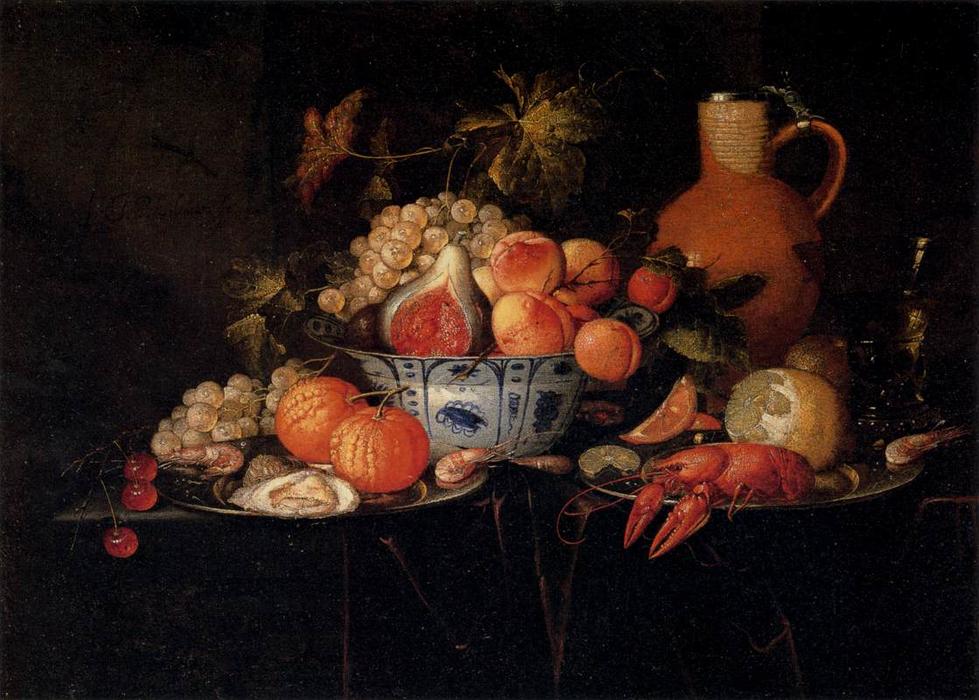
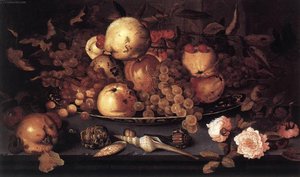
The Still-Life painting measures 46 x 66 cm and is executed in oil on canvas. It features a beautifully arranged still life setup, with a blue and white porcelain bowl filled with an assortment of fruits, including peaches, plums, and oranges. The vibrant colors of the fruits are juxtaposed against the cool tones of the bowl, creating a visually appealing contrast. To the right of the bowl, two red lobsters add a touch of luxury to the scene. Key Elements of the painting include:- The meticulous attention to detail in the depiction of the fruits and other objects
- The use of chiaroscuro to create a sense of depth and volume
- The arrangement of the objects, which creates a sense of balance and harmony
Artist and Museum
Jan Pauwel The Younger Gillemans was a prominent still-life painter of his time. His works can be found in various museums, including the Galleria Palatina in Italy, where this particular painting is housed. For more information on the artist and his works, visit /art/list/?Filter=8XZFJK-Jan-Pauwel-The-Younger-Gillemans-Still-Life. Other notable still-life paintings can be found at https://ArtsDot.com, including works by Giovanna Garzoni, such as Plate of Peas and China Bowl with Figs, a Bird, and Cherries. The Museum Palazzo d'Accursio in Bologna, Italy, is also worth exploring for its impressive collection of art and cultural artifacts.The Still-Life painting by Jan Pauwel The Younger Gillemans is a masterpiece that continues to inspire and delight art lovers. Its beauty and significance can be appreciated by visiting https://ArtsDot.com, where you can find more information on the artist, the painting, and other notable works of art.
関連作品






作家の略歴
The Luminous Legacy of Jan Pauwel Gillemans the Younger
In the golden age of Flemish Baroque painting, few artists captured the sensory opulence of nature with as much vitality as Jan Pauwel Gillemans the Younger. Born in Antwerp and baptized on the 3rd of September, 1651, Gillemans emerged from a lineage deeply rooted in the artistic soil of his homeland. As the son of the esteemed Jan Pauwel Gillemans the Elder, his very existence was intertwined with the tradition of the still life. This heritage provided him with more than just a name; it offered a profound immersion into the technical nuances of depicting texture, light, and the fleeting beauty of organic forms. His early years were shaped by the rigorous mentorship of Joris van Son, a master whose influence helped Gillement refine a style that would eventually become synonymous with the lush, bountiful aesthetic of the Antwerp school.
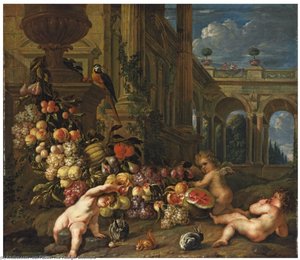
The trajectory of Gillemans’s career was marked by an extraordinary ability to blend the tangible with the allegorical. While he was a master of the pronkstillevens—those grand, ostentatious still lifes designed to showcase wealth and abundance—his true genius lay in his capacity for collaboration. He frequently worked alongside figure painters to create complex landscapes that breathed life into mythological and allegorical narratives. One of the most striking examples of this synergy is seen in works such as An architectural capriccio with putti around a swag of fruit, where the meticulous realism of his fruit and flora meets the whimsical, human element of cherubs and classical architecture. Through these collaborations, Gillemans elevated the still life from a mere study of objects to a sophisticated vehicle for storytelling, blending the physical world with the imaginative realms of myth.
A Mastery of Texture and Symbolism
To gaze upon a Gillemans composition is to experience a symphony of colors and textures. His brushwork possessed a remarkable ability to render the velvety skin of a peach, the translucent sheen of a grape, or the cool, hard surface of blue and white porcelain with equal conviction. He utilized chiaroscuro not merely for dramatic effect, but to sculpt volume and depth, allowing his subjects to emerge from the shadows with a startling, three-dimensional presence. His repertoire was vast, spanning flower and fruit arrangements, banquet scenes, and even hunting pieces, all unified by a meticulous attention to detail that celebrated the bounty of the natural world.
Beyond the surface beauty, Gillemans’s work is imbued with a layer of symbolic depth characteristic of the Baroque era. His compositions often functioned as meditations on abundance, prosperity, and the ephemeral nature of life. The careful arrangement of elements—a ripe fruit alongside a delicate blossom or an exotic bird—served to engage the viewer in a silent dialogue about the cycles of growth and decay. This ability to marry meticulous observation with imaginative symbolism ensured that his paintings were not only visual delights but also intellectual pursuits, inviting contemplation on the grandeur and fragility of existence.
Artistic Journey and Historical Significance
Gillemans’s professional life was as much a journey through Europe as it was an evolution of style. While Antwerp remained his spiritual and artistic home, his presence in Middelburg, London, and Amsterdam allowed him to absorb the diverse influences of the great European art centers. This mobility helped disseminate the Flemish tradition of still life across borders, cementing his reputation as a significant figure within the broader landscape of 17th-century art. His recognition by the Guild of Saint Luke early in his career served as a testament to his technical prowess and his standing among the elite craftsmen of his era.
The historical significance of Jan Pauwel Gillemans the Younger lies in his role as a bridge between the rigid traditions of his predecessors and the more expressive, narrative-driven compositions of the later Baroque period. He did not merely replicate the works of his father; he expanded the boundaries of the genre by integrating still life into larger, more complex allegorical landscapes. Today, his works remain cherished in prestigious collections worldwide, serving as enduring reminders of a time when art sought to capture the very essence of life’s most exquisite and fleeting moments.
jan pauwel the younger gillemans
1651 - 1704 , Belgium
プロフィール概要
- Artistic Movement Or Style: Flemish Primitive Art
- Artists Or Movements Influenced By This Artist: ['Hans Memling']
- Artists Who Influenced This Artist: ['Joris van Son']
- Date Of Birth: September 3, 1651
- Full Name: Jan Pauwel Gillemans the Younger
- Nationality: Flemish
- Notable Artworks:
- Still life with fruit by a fountain in a landscape dated 1673 or 1678
- An architectural capriccio with putti around a swag of fruit
- Place Of Birth: Antwerp, Belgium