プレビュー
プレビュー
 プリントを購入
 シェアする
シェアする シェアする
シェアする
 詳細を見る
詳細を見る

 ダウンロード
 似ている作品
 X線調査
X線調査 スライドショー
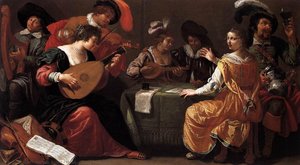
The Lute Player, Jan van Bijlert, c. 1630 - c. 1640
 Oil
Oil- WallArt
- Baroque
 1640
1640- Early Modern
 18.0 x 18.0 cm
 詳細を見る
詳細を見る




































作品のオリジナル比率に合わせた、当店の規定サイズからお選びください。

特定のフレームやスペースに合わせて、ご希望のサイズをご入力いただけます。選択されたサイズが元の画像の比率と異なる場合、アートワークをトリミングするか、手描きで要素を追加して絵画を拡張いたします。デジタルモックアップ を制作し、制作開始前にご確認(承認)をいただきます。
画面上のプレビューは、実際のトリミングや拡張を正確に反映しているものではありません。最終的な構図は、モックアップによってのみ正確にご確認いただけます。
カスタムサイズもご利用いただけますが、元の比率を維持するためには、あらかじめ用意されたリストからサイズを選択することをお勧めいたします。
ご注文後、ArtsDot.com チームより詳細な指示をお送りするとともに、仕上がりイメージ(モックアップ)をご提供いたします。


 ガラスオプションは、110cm未満のサイズでのみご利用いただけます。

The Lute Player, Jan van Bijlert, c. 1630 - c. 1640
複製技法
複製画のサイズ
-


合計金額
$ 263
作品解説
A Nocturnal Melody in Miniature
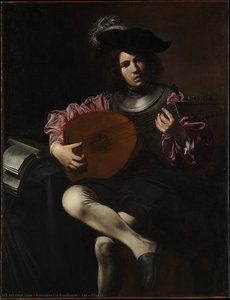
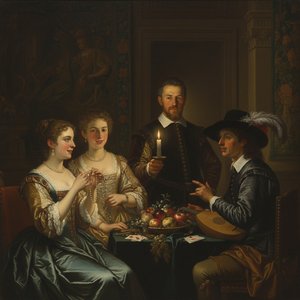
In the intimate realm of Dutch Golden Age painting, few works capture the quiet, flickering magic of a private moment quite like Jan van Bijlert’s The Lute Player. This remarkably small masterpiece, measuring a mere 18 x 18 centimeters, invites the viewer into a world of soft shadows and sudden light. At its heart, we find a man lost in the rhythmic cadence of his lute, his gaze momentarily breaking from his music to acknowledge the observer. The scene is not merely a portrait of a musician, but an atmospheric study of how light can transform a mundane setting into something profoundly soulful. The presence of other figures, partially veiled in the periphery, suggests a larger, convivial gathering—a merry company scene that breathes life into the stillness of the night.
The technique employed here is a testament to Van Bijlert’s ability to command emotion through economy of brushwork. While many of his contemporaries sought grandeur through expansive canvases, Van Bijlert finds power in the miniature. The painting is notable for its rare use of artificial illumination; the warm, amber glow of an oil lamp casts dramatic highlights across the player's face and the polished wood of his instrument. This chiaroscuro effect—the sharp contrast between deep, velvety shadows and brilliant light—connects him to the prestigious Utrecht Caravaggist tradition. One can almost feel the warmth of the flame and hear the resonant, plucked notes of the lute vibrating through the dim room.
Historical Resonance and Artistic Lineage
To understand this work is to understand the vibrant artistic dialogue occurring in the Netherlands during the 1630s and 1640s. Van Bijlert was a central figure in the Utrecht school, a movement that blended the dramatic Italian Baroque sensibilities of Caravaggio with a uniquely Dutch penchant for genre scenes. In The Lute Player, we see the subtle influence of his fellow townsman Jacob Duck, whose small-scale compositions often explored similar themes of musical leisure. There is also a whispered connection to the Haarlem master Judith Leyster, particularly in the way light is used to sculpt figures out of the darkness. This painting serves as a bridge between the grand, heroic narratives of the Italian masters and the intimate, domestic joys celebrated by Northern European artists.
For the discerning collector or interior designer, this piece offers more than just historical significance; it provides a focal point of profound character. The composition’s balance of light and shadow makes it an exquisite choice for curated spaces that value depth and texture. Whether placed in a study bathed in natural light or as part of a gallery wall of classical reproductions, the painting acts as a window into a bygone era of elegance. It is a work that does not demand attention through size, but commands it through its ability to evoke a sense of nostalgia, peace, and the timeless beauty of a melody shared in the dark.
アーティストの略歴
Jan van Bijlert: A Utrecht Caravaggist’s Dramatic Vision
Jan Hermansz van Bijlert, born in Utrecht around 1598 and passing away in the same city in 1671, stands as a pivotal figure within the vibrant artistic landscape of the Dutch Golden Age. Initially influenced by the intense realism and dramatic lighting of Caravaggio, van Bijlert evolved into one of the most prominent practitioners of what became known as Utrecht Caravaggism – a distinctly regional style that combined Italian Baroque principles with a uniquely Dutch sensibility. His prolific output, numbering approximately 200 paintings, offers a compelling glimpse into a period of artistic experimentation and the burgeoning influence of Italian masters on Northern European art. Van Bijlert’s early life remains somewhat shrouded in mystery, though it's believed he received some initial training from his father, Herman Beernts van Bijlert, a skilled stained-glass worker. This foundational experience likely instilled within him an appreciation for detail and craftsmanship – qualities that would later manifest powerfully in his paintings. He subsequently studied under Abraham Bloemaert, a respected Utrecht painter known for his meticulous depictions of mythological scenes and portraits. Crucially, van Bijlert’s artistic journey extended beyond the borders of the Netherlands, with significant periods spent in France and Italy. These experiences proved transformative, exposing him to the revolutionary techniques and dramatic intensity championed by Caravaggio, whose influence would irrevocably shape his style.The Bentvueghel Circle and Early Roman Years
Van Bijlert’s arrival in Rome in 1621 marked a significant turning point. He quickly became integrated into the *Bentvueghels*, a notoriously convivial circle of artists – Dutch, Flemish, and Italian – who established a shared identity through adopted nicknames. Van Bijlert chose “Aeneas,” a reference to the Roman hero known for his strength and resilience. The Bentvueghels were not merely artistic collaborators; they were also avid socialites, exchanging witty verses, satirical prints, and, of course, paintings. This environment fostered an atmosphere of intense exchange and experimentation, allowing artists to push boundaries and develop their individual styles. During this period in Rome, van Bijlert honed his skills, mastering Caravaggio’s signature techniques: the stark contrast between light and shadow (chiaroscuro), the dramatic cropping of compositions to create a sense of immediacy, and an unwavering commitment to realistic representation. His early works from this era are characterized by these elements, depicting scenes of intense emotion and often featuring figures caught in moments of action or contemplation.A Shift Towards Classicism and Genre Scenes
Around 1630, van Bijlert’s artistic trajectory shifted noticeably. While retaining the core principles of Caravaggism – particularly the dramatic use of light – he began to incorporate elements of classicizing style, possibly influenced by fellow Utrecht artist Cornelis van Poelenburch. This evolution manifested in a lightening of his palette and a move towards more elevated subject matter, including religious scenes and allegorical compositions. Interestingly, this period also saw the emergence of van Bijlert’s fascination with genre scenes. He produced a series of paintings depicting intimate moments from everyday life – brothels, musical gatherings, and tavern scenes – often populated by small figures rendered with remarkable detail and psychological insight. These works, reminiscent of those created by Jacob Duck, offered a glimpse into the social fabric of Utrecht society and demonstrated van Bijlert’s ability to capture human emotion and interaction with subtle grace.Guild Life, Patronage, and Legacy
Van Bijlert's life was deeply intertwined with the civic and religious institutions of Utrecht. He joined the schutterij (a citizen militia) in 1625 and became a member of the Utrecht Guild of St. Luke in 1630, serving as deacon from 1632 to 1637 and later appointed regent of the Sint-Jobsgasthuis in 1634. His involvement extended beyond artistic pursuits; he played a role in establishing the “Schilders-College” (painter’s school) in 1639, serving as its regent and mentoring a new generation of artists, including Bartram de Fouchier and Ludolf Leendertsz de Jongh. This dedication to both art and community underscores his position as a respected figure within Utrecht's cultural elite. Jan van Bijlert’s legacy is firmly rooted in the Utrecht Caravaggisti movement. His paintings, characterized by their dramatic lighting, realistic depictions of human figures, and exploration of emotional intensity, continue to captivate viewers today. His work stands as a testament to the dynamic exchange of artistic ideas that flourished during the Dutch Golden Age – a period when Italian Baroque principles were embraced, adapted, and ultimately transformed into a uniquely Northern European style. His approximately 200 paintings provide a rich and detailed record of this fascinating artistic evolution.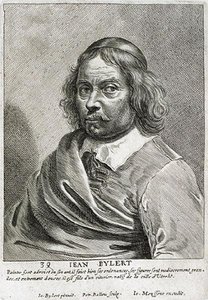
Jan van Bijlert
1598 - 1671 , Netherlands
基本情報
- Artistic Movement Or Style: Utrecht Caravaggisti
- Artists Or Movements Influenced By This Artist: ['Utrecht Caravaggisti']
- Artists Who Influenced This Artist: ['Caravaggio']
- Date Of Birth: 1598, Utrecht
- Date Of Death: 1671, Utrecht
- Full Name: Jan Hermansz van Bijlert
- Nationality: Dutch
- Notable Artworks:
- Virgin and Child
- Portrait of a Woman
- Place Of Birth: Utrecht, Netherlands
関連記事

The Enduring Legacy of Oil on Canvas: Technique, History & Aesthetic Impact
Explore the rich history & techniques of oil painting – from Renaissance masters to Impressionism. Discover pigments, layering methods, and why this timeless medium endures. Expert insights for artists & art enthusiasts.
Gerard van Honthorst: Illuminating the Dutch Golden Age with Caravaggism & Courtly Grace
Explore the captivating world of Gerard van Honthorst, a Dutch Golden Age master renowned for his dramatic chiaroscuro & courtly portraits. Discover his life, art, and lasting influence on Baroque painting.
Hendrick Terbrugghen: Caravaggism, Spirituality & the Dutch Golden Age Painter's Evolving Style
Explore the captivating world of Hendrick Terbrugghen, a leading Dutch Golden Age painter influenced by Caravaggio. Discover his dramatic use of light, spiritual depth & lasting legacy. Learn more at ArtsDot.

Oil on Canvas: A Historical & Technical Exploration of a Timeless Artistic Medium
Explore the rich history & enduring techniques of oil painting on canvas. Discover the science behind its longevity, conservation practices, and contemporary relevance. Expert insights for art enthusiasts.

Golden Age Reflections: Dutch Baroque Painting & Cultural Innovation
Explore the Dutch Golden Age of painting! Discover key artists like Vermeer & ter Borch, their innovative techniques, and the rich cultural context behind these Baroque masterpieces. Learn about collecting & appreciating this iconic art period.