

 プレビュー
プレビュー
 シェアする
シェアする シェアする
シェアする
 詳細を見る
詳細を見る

 ダウンロード
 似ている作品
 X線調査
X線調査 スライドショー
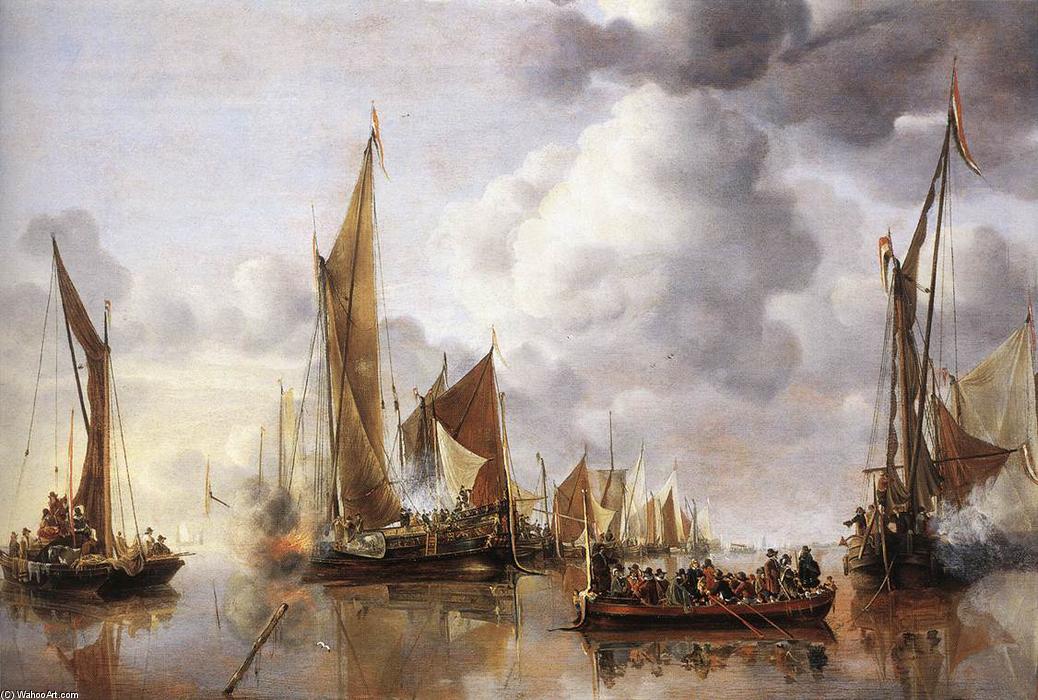
The State Barge Saluted by the Home Fleet
 Oil On Canvas
- WallArt
- Dutch Golden Age
 1650
1650- Early Modern
 64.0 x 93.0 cm
 国立美術館 (Rijksmuseum)
 詳細を見る
詳細を見る
ジークレー/アートプリント
迅速な制作と多彩な仕上げオプションを備えた、ミュージアムクオリティのジークレーまたはキャンバスプリント。 ( 手描きの絵画を購入 画像を購入)




P118B $10

P118H $10

P118W $10

P438Z $10

P508JH $12

P508YH $12

P805H $10

P805Z $10

P919BZ $10

P919G $10

P919XJ $10

P959ZH $10

P968JZ $12

W106C $8

W218G $10

W218JH $8

W218Y $10

W307PJ $10

W316G $10

W316PJ $8

W316Y $10

W398PJ $8

W4111J $10

W500HY $15

W500JH $15

W692G $12

W849H $8

W940BG $15

W953PJ $8




作品のオリジナル比率に合わせた、当店の規定サイズからお選びください。

特定のフレームやスペースに合わせて、ご自身でサイズを指定することも可能です。選択されたサイズが元の画像の比率と一致しない場合、作品をトリミングするか、鏡面反射または単色での塗りつぶしによって画像を拡張いたします。制作を開始する前に、ご確認用のデジタルモックアップをお送りいたします。
画面上のプレビューには、実際のトリミングや拡張は反映されませんのでご注意ください。最終的な構図を正確に確認できるのは、モックアップのみとなります。
カスタムサイズも承っておりますが、元の比率を維持するためには、あらかじめ用意されたリストからサイズを選択することをお勧めいたします。


 ガラスオプションは、110cm未満のサイズでのみご利用いただけます。

The State Barge Saluted by the Home Fleet
ジークレー/アートプリント
複製画のサイズ
-


合計金額
$ 62
作品詳細説明
Jan van de Cappelle: The Mirror of Tranquility
Jan van de Cappelle (1626-1679) stands as a singular figure within the Dutch Golden Age, an artist whose output—a mere handful compared to his contemporaries—commands remarkable distinction. He wasn’t merely a painter; he was an industrial titan and astute collector, inextricably linked to the economic powerhouse of Amsterdam and its burgeoning textile industry. This duality profoundly shaped his artistic vision, resulting in seascapes and winter landscapes imbued with an unparalleled serenity – a stillness that reflects not just the surface waters but also the very heavens above. He is rightfully hailed as “Holland’s outstanding marine painter of 17th century Holland,” a testament to his mastery of capturing atmospheric nuance and conveying profound emotional depth within deceptively simple compositions.- Early Life & Training: Born in Amsterdam in 1624, Jan van de Cappelle possessed an uncommon path to artistic recognition. Unlike many art masters of his time who pursued formal training through academies or apprenticeships, Cappelle’s education was largely self-directed. He honed his skills independently, absorbing influences from artists like Willem van de Velde the Elder and Simon de Vlieger—artists whose stylistic choices he meticulously copied, establishing a foundational connection to the prevailing artistic trends of the era.
- A Dual Career: Cappelle’s life was characterized by remarkable versatility. Alongside his artistic pursuits, he diligently managed his father Franchoy’s expansive dyeworks, specializing in the production of crimson dye—a pigment highly sought after for textiles and considered a symbol of prestige and wealth. This entrepreneurial endeavor provided him with considerable financial stability, allowing him to dedicate himself fully to his art without facing crippling economic pressures.
- The Style of Tranquility: Cappelle’s seascapes are instantly recognizable for their distinctive aesthetic—a profound stillness that dominates the canvases. Unlike many of his peers who depicted turbulent storms and dramatic naval battles, Cappelle favored depictions of calm estuaries or quiet harbor scenes. He skillfully captured the ethereal beauty of dawn or dusk, utilizing muted colors and subtle tonal gradations to convey a sense of contemplative peace.
Technique & Composition: Mastering Atmospheric Illusion
Cappelle’s artistic technique was characterized by meticulous observation and an unwavering commitment to realism—albeit tempered with an expressive sensibility. He achieved his remarkable atmospheric effects through masterful use of glazing, layering translucent washes of pigment over underlying grounds to create luminous surfaces that shimmered with reflected light. This technique allowed him to convincingly reproduce the subtle nuances of weather conditions, particularly the diffused glow of twilight and the hazy expanse of distant horizons. Furthermore, Cappelle’s compositions were carefully balanced, employing geometric principles—such as converging lines—to guide the viewer's eye across the canvas and reinforce the sense of depth. The placement of masts and vessels was deliberate, creating a visual rhythm that mirrored the movement of wind and water.- Glazing & Luminosity: Cappelle’s glazing technique involved applying thin layers of translucent pigment—typically oil paint mixed with resin—over previously painted surfaces. This process created an illusion of depth and luminosity, capturing the way light penetrates through clouds and reflects off the surface of water.
- Converging Lines & Spatial Depth: Cappelle skillfully utilized converging lines—lines that appear to meet at a vanishing point—to create a convincing sense of spatial perspective. By positioning masts and vessels strategically, he drew the viewer’s eye into the scene, reinforcing the impression of distance and grandeur.
Historical Context & Symbolism: Reflecting Dutch Prosperity
Cappelle's artistic output coincided with Amsterdam’s zenith as a global commercial center—a period marked by unprecedented economic growth fueled by trade in textiles and spices. This prosperity permeated all aspects of society, including the arts, fostering an environment of innovation and patronage that nurtured talent like Cappelle’s. His seascapes served not only as aesthetically pleasing representations of nature but also as emblems of Dutch maritime dominance—a reflection of the nation's ambition and confidence during the seventeenth century. The serene stillness depicted in his paintings embodies a philosophical ideal prevalent at the time: a belief in harmony between humanity and the natural world, underpinned by Calvinist piety.- Amsterdam’s Economic Boom: Cappelle’s artistic career flourished amidst Amsterdam's burgeoning economic prosperity—a period characterized by unparalleled trade activity and cultural dynamism.
- Maritime Dominance & Philosophical Ideal: His seascapes conveyed a profound philosophical ideal—the notion of balance between human existence and the natural order—reflecting the spiritual convictions of Calvinist society.
Emotional Impact & Legacy: An Enduring Vision
Despite producing only around 150 paintings during his lifetime, Jan van de Cappelle’s work continues to captivate audiences today with its understated beauty and profound emotional resonance. His seascapes evoke a sense of tranquility and contemplation—a reminder of the sublime grandeur of nature and the importance of inner peace. Cappelle's legacy resides not merely in his technical mastery but also in his ability to convey intangible qualities—such as mood and atmosphere—that transcend time, securing his place among the most revered marine painters of the Dutch Golden Age. His paintings remain treasured examples of artistic excellence, inspiring admiration for their serene compositions and luminous color palettes.関連作品



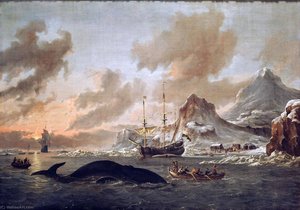
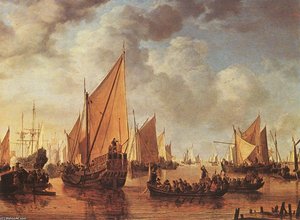
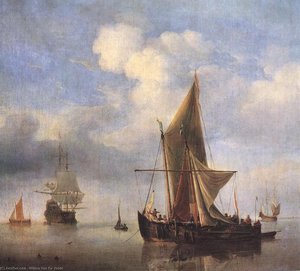
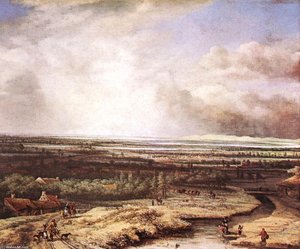
関連記事
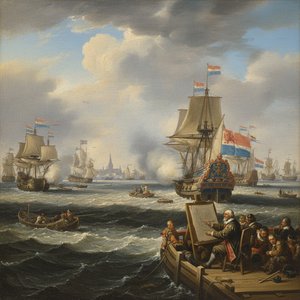
Willem van de Velde the Elder: Master of Maritime Painting & Chronicler of the Dutch Golden Age
Discover the captivating maritime paintings of Willem van de Velde the Elder, a master chronicler of the Dutch Golden Age. Explore his unparalleled realism and lasting influence on naval art history.

レンブラント傑作25選:光と影の巨匠、魂を揺さぶる名画の世界 | ArtsDot
レンブラントの傑作25選。光と影の魔術師が描いた魂を揺さぶる名画の世界へ。美術史に残る自画像、夜警、宗教画…ArtsDotで高品質なアートプリントやインテリアアートをお楽しみください。コレクションはこちら→
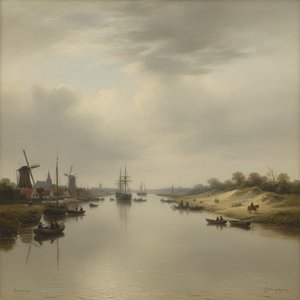
Jan van Goyen: Master of Dutch Landscape & Atmospheric Perspective
Discover Jan van Goyen, the master of Dutch landscape painting. Explore his subtle technique, atmospheric realism & lasting influence on art history. Learn about this 17th-century pioneer at ArtsDot.

ゴヤ傑作25選:スペインの魂を揺さぶる、深遠な芸術の世界 | ArtsDot
ゴヤ傑作25選:ロマン主義を代表するスペインの巨匠、フランシスコ・デ・ゴヤの世界へ。黒衣の女からマハまで、魂を揺さぶる絵画の物語と技法を紐解きます。ArtsDotで高品質なアートレプリカを見つけ、インテリアに深みと風格を。今すぐコレクションをご覧ください。
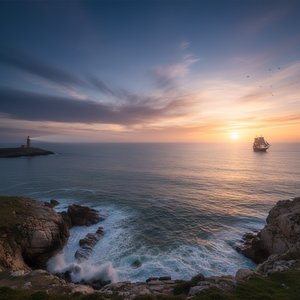
The Allure of the Horizon: A Comprehensive Exploration of Seascape Art Through History & Emotion
Explore the captivating world of seascape art! Discover its history, key artists & movements – from Dutch Masters to Impressionism. Expert insights for collectors and enthusiasts at ArtsDot.

