

 プレビュー
プレビュー
 シェアする
シェアする シェアする
シェアする
 詳細を見る
詳細を見る

 ダウンロード
 似ている作品
 X線調査
X線調査 スライドショー
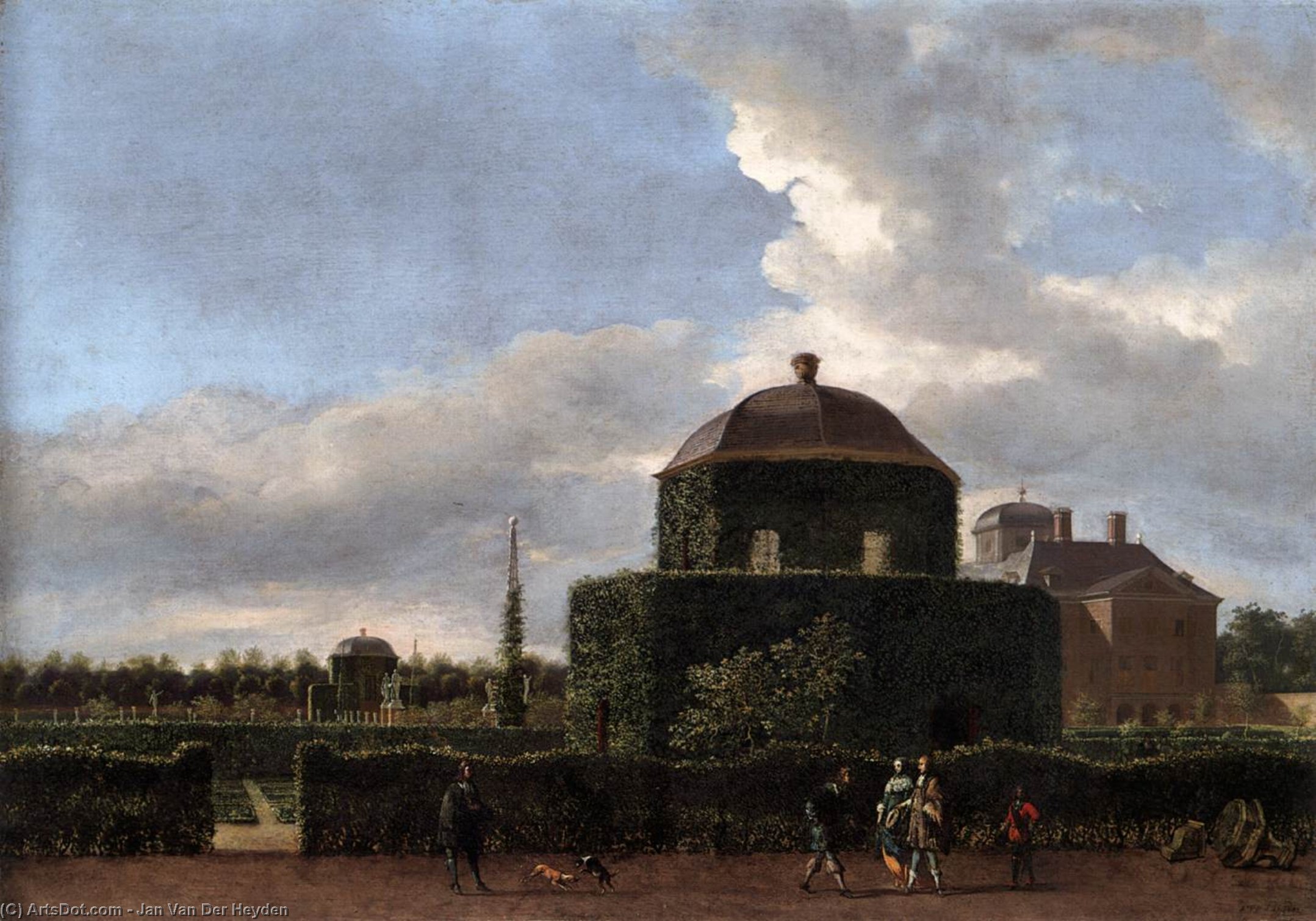
The Huis ten Bosch at The Hague and Its Formal Garden (View from the East)
 Oil
Oil- WallArt
- Jan van der Heyden
 1668
1668 39.0 x 55.0 cm
 メトロポリタン美術館
 詳細を見る
詳細を見る
ジークレー/アートプリント
迅速な制作と多彩な仕上げオプションを備えた、ミュージアムクオリティのジークレーまたはキャンバスプリント。 ( 手描きの絵画を購入 画像を購入)




P118B $10

P118H $10

P118W $10

P438Z $10

P508JH $12

P508YH $12

P805H $10

P805Z $10

P919BZ $10

P919G $10

P919XJ $10

P959ZH $10

P968JZ $12

W106C $8

W218G $10

W218JH $8

W218Y $10

W307PJ $10

W316G $10

W316PJ $8

W316Y $10

W398PJ $8

W4111J $10

W500HY $15

W500JH $15

W692G $12

W849H $8

W940BG $15

W953PJ $8




作品のオリジナル比率に合わせた、当店の規定サイズからお選びください。

特定のフレームやスペースに合わせて、ご自身でサイズを指定することも可能です。選択されたサイズが元の画像の比率と一致しない場合、作品をトリミングするか、鏡面反射または単色での塗りつぶしによって画像を拡張いたします。制作を開始する前に、ご確認用のデジタルモックアップをお送りいたします。
画面上のプレビューには、実際のトリミングや拡張は反映されませんのでご注意ください。最終的な構図を正確に確認できるのは、モックアップのみとなります。
カスタムサイズも承っておりますが、元の比率を維持するためには、あらかじめ用意されたリストからサイズを選択することをお勧めいたします。


 ガラスオプションは、110cm未満のサイズでのみご利用いただけます。

The Huis ten Bosch at The Hague and Its Formal Garden (View from the East)
ジークレー/アートプリント
複製画のサイズ
-


合計金額
$ 62
作品詳細説明
A Glimpse into Dutch Aristocracy: Jan van der Heyden’s Masterpiece
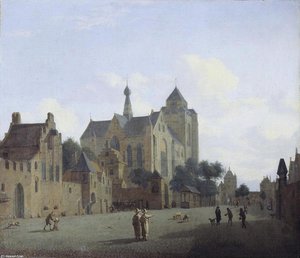
Jan van der Heyden's “The Huis ten Bosch at The Hague and Its Formal Garden (View from the East)” is more than just a painting; it’s a meticulously crafted window into 17th-century Dutch society. Completed in 1668, this oil on panel offers a remarkably detailed panorama of the Huis ten Bosch palace – a summer residence favored by the Dutch royal family – and its exquisitely planned formal gardens. The scene unfolds with an almost palpable sense of vibrancy, capturing not just the architecture but also the daily life and social interactions within this opulent setting. It’s a testament to Van der Heyden's extraordinary skill in rendering light, shadow, and texture, creating an illusion of reality so convincing that it transports the viewer directly into the heart of the Dutch Golden Age.
The painting immediately draws attention to the imposing Huis ten Bosch palace itself. Its grand facade, a blend of classical influences and distinctly Dutch design, dominates the composition. The architect Pieter Post’s creation, built around 1645 for Amalia van Solms, wife of Prince Frederick Hendrick, is presented with remarkable precision – every column, window, and decorative element rendered with painstaking detail. Beyond the palace walls, the formal gardens stretch out in a carefully orchestrated display of geometric patterns, manicured lawns, and strategically placed trees. This wasn’t merely aesthetic; such gardens were symbols of wealth, status, and refined taste, reflecting the power and influence of those who resided within.
The Painter's Technique: Light, Shadow, and Urban Realism
Van der Heyden was a pioneer in Dutch urban landscape painting, and this work exemplifies his mastery of technique. He employed a sophisticated understanding of light and shadow to create depth and volume, skillfully modeling the architecture and highlighting key features. Notice how he uses subtle gradations of color to define the forms of the buildings, while strategically placed highlights draw attention to details like the intricate stonework or the vibrant colors of the clothing worn by the figures within the scene. The artist’s use of oil paint allowed for an unprecedented level of detail and texture – a hallmark of his style that distinguishes him from earlier generations of landscape painters.
Furthermore, Van der Heyden's approach went beyond simple topographical representation. He wasn’t merely documenting a location; he was capturing the *atmosphere* of a bustling urban space. The inclusion of numerous figures – merchants, servants, gardeners, and perhaps even members of the royal family – adds to this sense of dynamism. The painting feels alive with activity, reflecting the vibrant energy of 17th-century The Hague. It’s important to note that Van der Heyden was also a significant innovator in urban planning and firefighting technology, demonstrating a remarkable breadth of interests and talents.
Historical Context: A Royal Residence and the Dutch Golden Age
The Huis ten Bosch palace holds a significant place in Dutch history. Originally conceived as a summer residence for King William II of Orange, it later became a beloved retreat for the Dutch royal family. Its construction coincided with a period of immense prosperity and cultural flourishing known as the Dutch Golden Age – an era characterized by artistic innovation, economic growth, and maritime dominance. The palace and its gardens served as a tangible symbol of this success, showcasing the wealth and sophistication of the nation.
The painting offers a valuable glimpse into the lives of those who inhabited this grand estate. It’s not just a portrait of a building; it's a window into the social customs, fashion trends, and daily routines of the Dutch aristocracy. The inclusion of figures engaged in various activities – strolling through the gardens, attending to their duties, or simply enjoying the scenery – provides a rich tapestry of visual information about this fascinating period.
Owning a Piece of History: Reproductions Available
ArtsDot offers meticulously crafted, hand-painted reproductions of “The Huis ten Bosch at The Hague and Its Formal Garden (View from the East).” These reproductions capture not only the visual beauty of Van der Heyden’s original but also the emotional resonance of the scene. Whether you're an art enthusiast, a collector seeking to expand your collection, or simply someone looking for a stunning piece of wall décor, our hand-painted reproductions provide a unique opportunity to own a tangible connection to this remarkable work of art and its historical context. To explore the available options and bring this captivating scene into your home, please visit https://ArtsDot.com.
関連作品

アーティストの略歴
オランダ黄金時代の都市風景の先駆者:ヤン・ファン・デル・ヘイデンの生涯と芸術
1637年、オランダのゴリンケムで生まれたヤン・ファン・デル・ヘイデンは、オランダ黄金時代を代表する画家であり、革新的な発明家でもありました。彼の人生は、単に都市風景を描き出す才能に恵まれた芸術家の物語ではありません。消防技術や都市計画といった分野にも貢献した、驚くべき多才な人物の軌跡です。メノナイト教徒の父のもとに生まれ、1646年に家族はアムステルダムに移住します。この転居が、彼の芸術的才能を開花させる大きなきっかけとなりました。初期の教育は家族内で行われたと考えられ、鏡職人であった兄ゴリスの影響を受けた可能性があります。精密さと反射面への触れ合いは、後にファン・デル・ヘイデンの絵画に特徴的な明瞭性と細部へのこだわりを育む上で重要な役割を果たしたかもしれません。また、ゴリンケムのガラス画家ヤコブ・ファン・デル・ウルフとの師事も指摘されており、彼の素描力や色彩感覚を磨く助けになったと考えられます。当初は*verre eglomisé*(ガラス絵)制作に携わっていたことも知られています。装飾芸術から建築的精密さへ
ファン・デル・ヘイデンの芸術の道は、徐々に都市風景の描写へと特化していきました。彼はこのジャンルに専念した最初期のオランダ人画家の一人であり、同時代の画家たちが肖像画や歴史画を描く中、アムステルダムをはじめとする様々な都市の賑やかな通りや堂々とした運河をキャンバスに描き出しました。彼の作品は、単なる風景描写にとどまらず、建物のレンガの光沢、石畳の質感、そして17世紀の活気ある雰囲気を詳細に捉えています。『アムステルダムの古い側通りの眺めと旧教会』はその献身的な写実主義を象徴する作品と言えるでしょう。しかし彼は既存の風景を描くだけにとどまらず、「建築的幻想」と呼ばれる、異なる構造物を組み合わせた想像力豊かな構図も制作しました。これは、後世に現れる芸術的傾向を先取りしたものであり、彼の技術的な卓越性と創造性を証明しています。都市の風景画以外にも、静物画にも挑戦しており、『地球儀と書籍と中国絹の静物』はその多様な才能と細部へのこだわりを示す作品です。エンジニアの視点:キャンバスを超えた革新
ファン・デル・ヘイデンの創造性は、芸術の世界にとどまりませんでした。彼は実践的な発明家であり、消防技術という現実の問題解決に積極的に取り組んだエンジニアでもありました。1672年には、兄ニコラース(水力技師)と協力して消防ホースを改良し、人口密集地の都市における喫緊の課題に対応しました。これは単なる些細な調整ではなく、消防技術における重要な進歩でした。彼はそこで満足することなく、1685年にはアムステルダムのボランティア消防団を再編し、より効率的な戦略とプロトコルを導入しました。彼の尽力は、『Brandspuiten-boek』(消防ポンプに関する書物)の出版という形で結実します。これは、彼自身の詳細なイラストが添えられた、最初の包括的な消防マニュアルとして広く知られています。この著作は単なる技術ガイドではなく、公共の安全に対する彼の献身を物語るものです。さらに彼はアムステルダムの街灯計画も設計し、1世紀以上にわたって都市の夜間の視認性と安全性を向上させました。遺産と永続的な影響
ヤン・ファン・デル・ヘイデンは1712年に裕福な身分で亡くなり、自身が描いた70点以上の絵画を遺しました。これは彼の生涯にわたる生産性と、彼に対する評価の高さを物語っています。唯一知られている弟子は息子のヤンであり、父の芸術的遺産の一部を受け継ぎました。ファン・デル・ヘイデンの影響は後世の画家たちに受け継がれ、特に建築画を専門とする画家たちに大きな影響を与えました。彼は17世紀の都市生活と建築に関する貴重な洞察を提供し、その時代の都市の姿を視覚的に記録しました。彼の詳細な描写は、現代の研究者にとってかけがえのない歴史的資料となっています。彼独自の都市風景へのアプローチと、実践的なエンジニアとしての貢献は、オランダ史におけるユニークで多面的な人物としての地位を確固たるものにしました。彼は単に周囲の世界を描き出す芸術家ではありませんでした。彼は積極的に世界を形作り、そこに住む人々の生活を向上させたのです。ファン・デル・ヘイデンの遺産は、魅力的な絵画だけでなく、都市の安全とインフラに対する彼の発明が永続的に与えた影響によっても受け継がれています。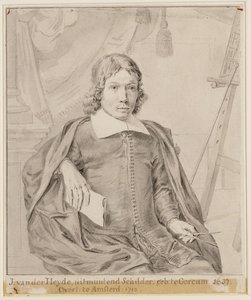
ヤン・ファン・デル・ヘイデン
1637 - 1712 , オランダ
基本情報
- Artistic Movement Or Style: Dutch Golden Age, Baroque
- Artists Or Movements Influenced By This Artist: ['18世紀ヴェネツィア派']
- Artists Who Influenced This Artist: ['ヤコブ・ファン・デル・ウルフト']
- Date Of Birth: 1637年
- Date Of Death: 1712年
- Full Name: ヤン・ファン・デル・ヘイデン
- Nationality: オランダ人
- Notable Artworks (List Of Titles):
- アムステルダム風景
- 静物画
- 建築ファンタジー
- Place Of Birth (City And Country): ゴリンヒェム、オランダ
関連記事

黄金世紀の巨匠たち:バロック絵画が彩る10選|ArtsDot
オランダ黄金時代の10大傑作を紐解く!レンブラント、フェルメール…バロック絵画の魅力と時代背景を深く探求。ArtsDotで、至高のアートコレクションと空間演出のヒントを見つけよう。高品質なアートプリントで、お部屋を華やかに。

レンブラント傑作25選:光と影の巨匠、魂を揺さぶる名画の世界 | ArtsDot
レンブラントの傑作25選。光と影の魔術師が描いた魂を揺さぶる名画の世界へ。美術史に残る自画像、夜警、宗教画…ArtsDotで高品質なアートプリントやインテリアアートをお楽しみください。コレクションはこちら→
Jan Steen: A Master of Dutch Genre Painting & the Golden Age
Explore the life & art of Jan Steen, a leading Dutch Golden Age painter renowned for his humorous genre scenes & insightful social commentary. Discover his techniques, legacy, and collecting tips.

Golden Age Reflections: Dutch Baroque Painting & Cultural Innovation
Explore the Dutch Golden Age of painting! Discover key artists like Vermeer & ter Borch, their innovative techniques, and the rich cultural context behind these Baroque masterpieces. Learn about collecting & appreciating this iconic art period.
Early Netherlandish Masters: 10 Paintings That Revolutionized Art & Decor
Journey into the Early Netherlandish Renaissance! Explore 10 iconic paintings by Jan van Eyck, Rogier van der Weyden & more. Discover stunning detail, symbolism, and oil painting techniques. Find museum-quality art reproductions for your home at ArtsDot.com.

