メニュー
無料アート相談
プレビュープレビュー ARで試着ARで試着 プリントを購入 プリントを購入手描きの絵画を購入 手描きの絵画を購入 シェアするシェアする
詳細を見る詳細を見る お気に入りに追加 お気に入りに追加 ダウンロードダウンロード 似ている作品似ている作品 X線調査X線調査 スライドショースライドショー

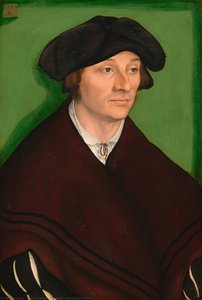
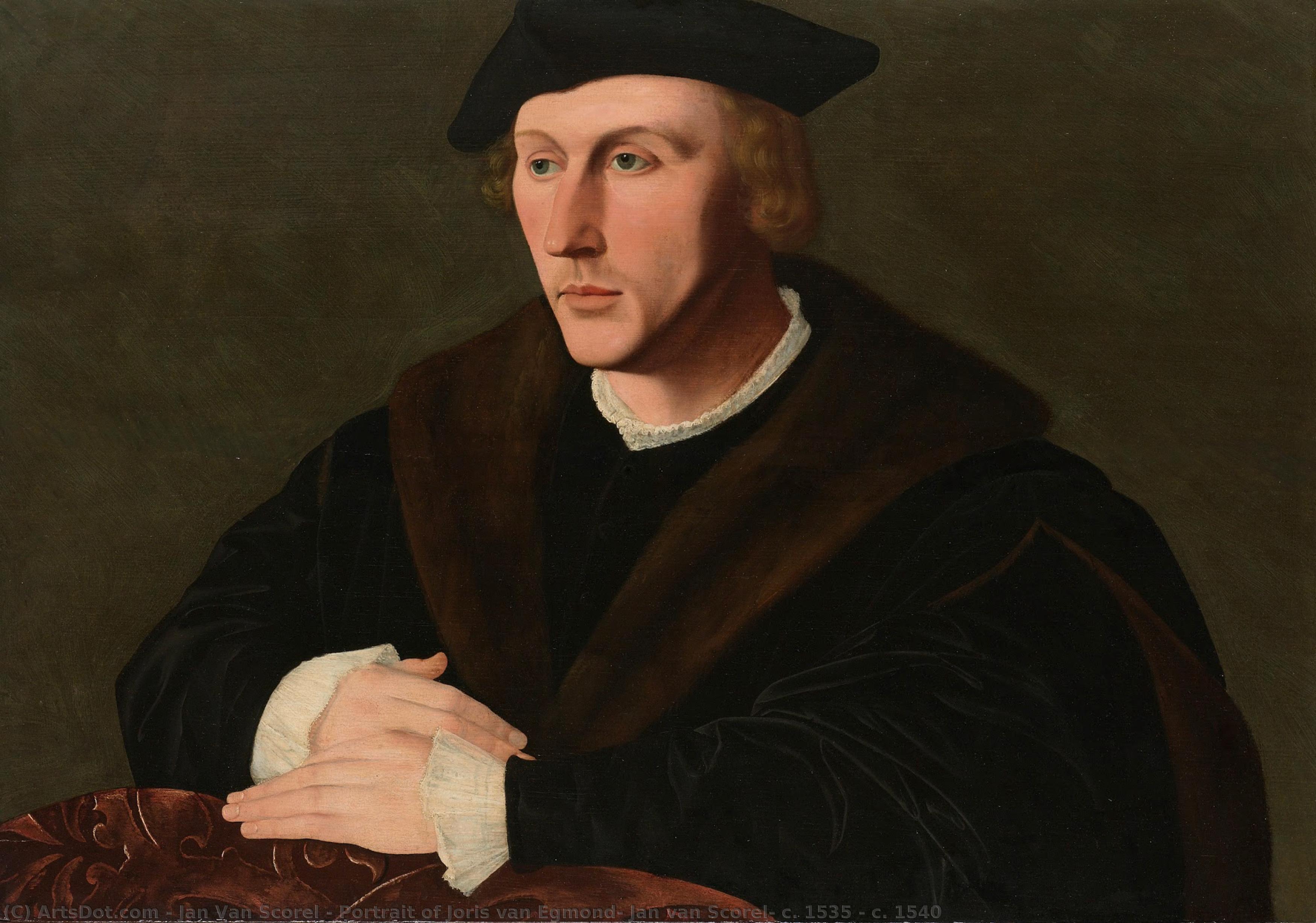
Portrait of Joris van Egmond, Jan van Scorel, c. 1535 - c. 1540

  • 制作日1540
  • 寸法57.0 x 81.0 cm

ヤン・ファン・スコレルによるオランダとイタリア・ルネサンス美術の独自の融合を探索しましょう!彼のロマニスト様式、共同制作、そして「シッペンアルター」などの象徴的な作品を発見してください。 #美術史 #ルネサンス

オンラインプレビューをはるかに凌ぐ、高解像度で鮮明なデジタル画像をご購入いただけます。

各ファイルは、社内の専門家が高度なツールと熟練した手作業によるレタッチを用いて、細心の注意を払って準備されています。すべての画像において、卓越した鮮明度、正確な色彩再現性、そして繊細なディテールを保証いたします。

最終ファイルは、プロフェッショナルな編集・印刷環境ですぐにご利用いただけるよう最適化された状態で、72時間以内にメールにてお届けいたします。これは、一流のデザインスタジオ、出版社、ギャラリーから信頼されているものと同等の品質です。

デジタルアート

個人での鑑賞、印刷、クリエイティブなプロジェクト用に、高解像度ファイルをダウンロードできます。 (プリントを購入 プリントを購入手描きの絵画を購入 手描きの絵画を購入)

最終合計金額

$ 24.00

デジタル画像のご注文に付随する特典

高品質なデジタル画像配信を、確かな品質で。

ArtsDot.com を選ぶことは、単に画像を手に入れることではありません。それは、プロの手によって精密に仕上げられ、満足保証が付いた高品質なデジタルアートワークを受け取ることを意味します。ご注文いただいた際に自動的に付随する内容は、以下の通りです:

shipping_icon
メールですぐにお届け

ご注文から72時間以内に、高解像度のデジタル画像ファイルがメールでお手元に届きます。すぐにそのままご利用いただけます。

canvas_icon
AI技術で最適化されたデジタルファイル

お客様の作品は、高度なAIツールと専門家による手作業の編集を組み合わせてプロフェッショナルに最適化されており、細部のディテール、鮮明さ、そして正確な色再現性を最大限に引き出しています。

insurance_icon
一生涯無料の再送サービス

ファイルを誤って削除したり、紛失してしまったりしましたか?ご安心ください。いつでも無料で再送いたします。

tax_icon
輸入手数料は一切かかりません

関税や手数料、配送料を気にすることなく、お気に入りのアートワークをすぐにお楽しみいただけます。デジタルダウンロードは常に免税です。

color_icon
色彩再現の保証

プロ仕様のツールとカラーマネジメント技術を用いることで、デジタル画像が元の色を最大限に忠実に再現することを保証いたします。

return_icon
60日間満足保証

ご購入いただいたデジタル画像にご満足いただけない場合は、60日以内であれば、修正または100%の返金(理由を問う必要はありません)をさせていただきます。

guarantee_icon
100% 返金保証

ご満足いただけない場合は、デジタルファイルを受け取ってから60日以内であれば、理由を問わず全額返金いたします。

discount_icon
まとめ買い割引

3枚購入で10%OFF - 5枚購入で15%OFF - 10枚以上購入で20%OFF。クリエイティブなプロジェクト、ギャラリー、エージェンシーに最適です。

The sitter in this unusual oblong painting can be identified by the inscription on the frame as Joris van Egmond, Bishop of Utrecht from 1534 to 1559. He wears a black tabbaard gown lined with brown fur over a black doublet and a white shirt with a ruffled collar and cuffs, and has a black baret on his head.9 He is portrayed life-sized, turned slightly into three-quarter view against an undifferentiated green background. Joris rests his hands on the rounded form of a dark red, patterned cushion which can be seen in the lower left corner. In contrast to other portraits by Scorel in which the sitter makes eye contact with the beholder, Joris appears here distant and contemplative. His aristocratic appearance and formal pose are enhanced by the format, which emphasises the width of the shoulders and the expansive, silky surfaces of the costume. Joris van Egmond, the son of Magdalena van Werdenborgh and Jan I, Count of Egmond (for their portraits, see SK-A-1547, SK-A-1548), was a member of a family that was successively raised in political importance by the Habsburgs in the late 15th and 16th centuries. Joris had met the emperor, Charles V, when he was a student at Louvain in 1520; and Charles later sponsored Joris for church posts, securing for him first a canonry in Liège (1525) and, after some negotiations lasting from 1525 to 1532, the office of commendatory abbot of St Amand. In 1534, Charles V nominated Joris Bishop of Utrecht, and his consecration took place the following year. Joris was considered a wise church administrator in Utrecht, and was admired for his piety and learning.10 He was a generous patron of the arts with gifts of stained glass (in Utrecht, Haarlem, Gouda and The Hague), paintings, and additions to the bishop’s residence at Wijk bij Duurstede, which Charles V granted Joris in 1545.11 Although no one has doubted the attribution of this portrait to Scorel, there are various possibilities for its date. Some have assumed Scorel and Joris van Egmond were already in contact by c. 1530-31 and that the Rijksmuseum portrait dates from this period. Hoogewerff was the first to note this possible connection, basing his observation on a 1531 poem dedicated to Joris which praises an image of Christ by Scorel that the Egmond family owned.12 Another possibility for the date is c. 1533, when Scorel is known to have visited the court in Mechelen and presumably met the important cleric, Jean II Carondelet, whom Scorel depicted in a portrait that is remarkably similar in size and composition.13 With its green background and near “scalping” of Joris van Egmond’s head, the format of the painting is similar to Scorel’s portraits of Utrecht Jerusalem pilgrims. The greater space on each side of Joris’s figure, however, more closely parallels the spacing in the group portrait in the Utrecht series that is dated c. 1535.14 Although Scorel’s portrait layouts are routinely contour in type, the underdrawing of Joris’s head (fig. a) is similar to those portraits in the series of Jerusalem pilgrims that date from c. 1535 to c. 1541.15 It is most likely, then, that the Rijksmuseum painting depicts Joris van Egmond after he assumed the office of Bishop of Utrecht in 1534, or somewhat later, as is also implied by the dendrochronology. At that time Joris would have been in his 30s, and his lean face shows no signs of age. The overall style of the portrait with its strong illumination, opaque, flat painting in the flesh areas, and sense of pattern comes close to tendencies in Scorel’s later work around 1540. Moreover, in the underdrawing of the Rijksmuseum painting, Joris wears a ring - possibly a bishop’s ring.16 Although the artist often used an oblong format in his works, his adoption of it for a portrait is exceptional. There are only a few precedents. Several of Lucas van Leyden’s portrait drawings of the early 1520s use a wide, horizontal format, as do the portrait drawings in Dürer’s sketchbook made during his journey to the Netherlands in 1520-21.17 Friedländer made the interesting suggestion that these examples by Lucas and Scorel recalled the portrait busts by the German sculptor Conrad Meit,18 whose works would have been known at the court in Mechelen. With its strong horizontal presentation and more schematised portrayal of the sitter, the Portrait of Joris van Egmond represents Scorel’s venture into the realm of official portraiture. M. Faries, 2010 Literature updated, 2016

作家の略歴

初期の生涯と修行

ヤン・ファン・スコレルは、オランダを代表する画家としてその名を刻んでいます。1495年、ネーデルラントのスホールで産声を上げた彼の若き日の歩みや修行の詳細は、完全には記録されていません。しかし、歴史の断片を辿れば、彼が数々の巨匠たちの指導を受けたことが伺えます。ハールレムではピーテル・ゲリッツ、アムステルダムではヤコブ・コルネリス、あるいはユトレヒトにおいてヤン・ゴッサールトといった名匠たちの手によって、その類まれな才能が磨かれたと考えられています。

キャリアと影響

ファン・スコレルの運命を大きく変えたのは、イタリアへの旅でした。この地で彼はイタリア絵画の真髄を吸収し、後の「ロマニズム様式」を確立する先駆的な画家の一人となりました。ジョルジョネの芸術的響きに深く影響を受けた彼の筆致は、マールテン・ファン・ヘームスケルクとの共作に見られるように、時代を彩る巨匠たちと響き合っていました。また、彼がエルサレムで経験した精神的な旅路は、後年の多くの作品に投影されており、そこにはオランダの伝統とイタリアの革新が見事に融合した、彼独自の美学が息づいています。

代表作とその遺産

ファン・スコレルの芸術的足跡を象徴する作品には、以下のようなものがあります:
  • オーバーヴェラハの村で完成された「シッペン祭壇画」(1520年)
  • 肖像画、祭壇画、風景画。その多くは宗教改革期の偶像破壊運動によって失われてしまいました
  • マールテン・ファン・ヘームスケルクやミケランジェロといった巨匠たちとの交流から生まれた芸術的成果
ファン・スコレルの遺産は、ネーデルラント絵画にイタリアの息吹を吹き込み、オランダ・ルネサンスに多大な貢献を果たした点にあります。彼の作品は、ファン・ゴッホの膨大なコレクションを誇るファン・ゴッホ美術館(オランダ)をはじめ、世界各地の美術館で今なお私たちを魅了し続けています。

芸術的様式とその意義

ファン・スコレルの様式における核心:
  • イタリアとオランダ、二つの文化圏が織りなす融合の美
  • ネーデルラント絵画におけるロマニズム様式の導入
  • 当時の著名な芸術家たちとの創造的な共鳴
ファン・スコレルの作品は、ルネサンス期における文化交流と芸術的革新の生きた証です。その輝かしい遺志は、時代を超えて芸術愛好家や研究者たちの心にインスピレーションを与え続けています。

さらなる探求のために

ヤン・ファン・スコレルとその作品について詳しく知るには、以下のリソースをご参照ください:
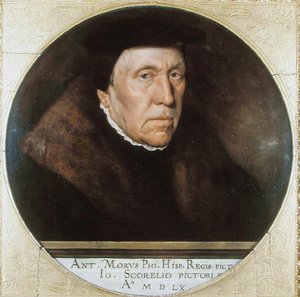
ヤン・ファン・スコレル

ヤン・ファン・スコレル

1495 - 1562 , オランダ

プロフィール概要

  • Artistic Movement Or Style: ロマニズム、ルネサンス
  • Artists Or Movements Influenced By This Artist:
    • マールテン・ファン・ヘームスケルク
    • イタリア・ルネサンス
  • Artists Who Influenced This Artist:
    • ピーテル・ゲリッツ
    • ヤコブ・コルネリス
    • ヤン・ゴッサールト
    • ジョルジョーネ
  • Date Of Birth: 1495-08-01
  • Date Of Death: 1562-12-06
  • Full Name: ヤン・ファン・スコレル
  • Nationality: オランダ
  • Notable Artworks:
    • シッペンアルター
    • マグダラのマリア (スコレル)
  • Place Of Birth: オランダ、スホール