メニュー
プレビュープレビュー ARで試着ARで試着 プリントを購入 プリントを購入画像を購入 画像を購入 シェアするシェアする
詳細を見る詳細を見る お気に入りに追加 お気に入りに追加 ダウンロードダウンロード 似ている作品似ている作品 X線調査X線調査 スライドショースライドショー

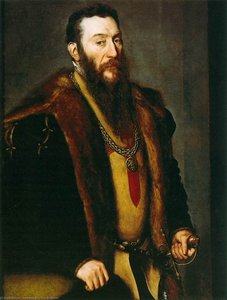
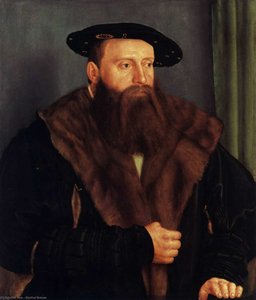
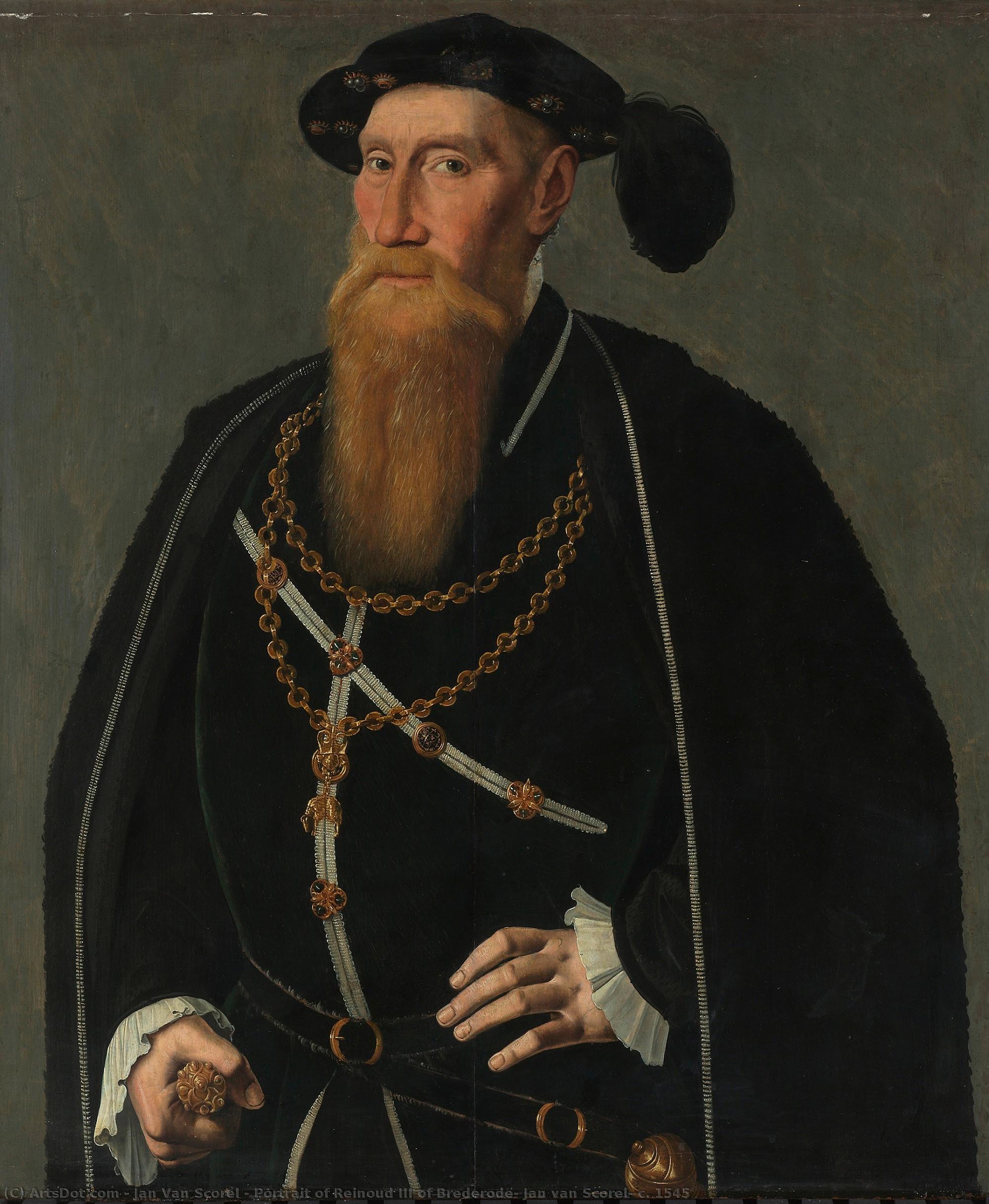
Portrait of Reinoud III of Brederode, Jan van Scorel, c. 1545

Admire Jan van Scorel’s 1545 portrait of Reinoud III of Brederode! A commanding knight depicted in rich detail, showcasing the artist's signature style & Burgundian opulence.

ヤン・ファン・スコレルによるオランダとイタリア・ルネサンス美術の独自の融合を探索しましょう!彼のロマニスト様式、共同制作、そして「シッペンアルター」などの象徴的な作品を発見してください。 #美術史 #ルネサンス

手描き油彩複製画

当社のアーティストが、お客様のご希望のサイズと額縁に合わせて、キャンバスに手描きで制作する油彩画です。 (プリントを購入 プリントを購入画像を購入 画像を購入)

標準サイズ
オーダーメイド
CM
INCH

作品のオリジナル比率に合わせた、当店の規定サイズからお選びください。

高さ

特定のフレームやスペースに合わせて、ご希望のサイズをご入力いただけます。選択されたサイズが元の画像の比率と異なる場合、アートワークをトリミングするか、手描きで要素を追加して絵画を拡張いたします。デジタルモックアップ を制作し、制作開始前にご確認(承認)をいただきます。
画面上のプレビューは、実際のトリミングや拡張を正確に反映しているものではありません。最終的な構図は、モックアップによってのみ正確にご確認いただけます。
カスタムサイズもご利用いただけますが、元の比率を維持するためには、あらかじめ用意されたリストからサイズを選択することをお勧めいたします。

カスタマイズの例:顔をお客様の写真に置き換える、ペットを追加する(例:猫を犬に変更)、背景に隠れたメッセージを入れる、背景の風景や要素を変更するなど。
ご注文後、ArtsDot.com チームより詳細な指示をお送りするとともに、仕上がりイメージ(モックアップ)をご提供いたします。

世界中への配送()は、通常の5週間ではなく、3〜4週間でお届けいたします。(6 9月)。品質には一切妥協いたしません。

why_choose_icon
世界中へ無料エクスプレス配送
why_choose_icon
高品質なリネンキャンバス
why_choose_icon
配送時完全保険付
why_choose_icon
関税・輸入税の払い戻し保証
why_choose_icon
忠実な色彩再現保証
why_choose_icon
100日間返品保証(製造上の欠陥のみ)
why_choose_icon
100% 全額返金保証
why_choose_icon
まとめ買い割引のご案内

合計金額

$ 263

reproduction

Portrait of Reinoud III of Brederode, Jan van Scorel, c. 1545

複製技法

複製画のサイズ

-

合計金額

$ 263

Standing before a neutral grey background and portrayed half-length, Reinoud III van Brederode assumes a commanding pose with his left arm akimbo. His proper right hand most likely holds the hilt of a dagger, since a sword hilt - slightly cut off by the panel’s lower edge - can be seen just below his left hand. Although the sitter seems to be portrayed past middle age, Reinoud’s beard has not yet turned completely white.14 He is depicted here as a knight of the Order of the Golden Fleece, having been inducted into the order at the 1531 chapter meeting in Tournai. Hoogewerff states that he is portrayed as dean of the order,15 but Reinoud held this office only for a few months at the very end of his life in 1556.16 He wears a double golden chain from which the insignia of the order are suspended: a fire-steel (the Burgundian briquet), a flint issuing flames, and the golden fleece pendant. Order paraphernalia belonging to Reinoud, the insignia and red, black and white robes, are listed in his 1556 estate inventory.17 The chain was added in paint only and was painted in over the ribbons on Reinoud’s doublet. The doublet, although appearing to be black, must be a dark blue, since the colour could be penetrated by infrared reflectography. The doublet is ornamented with crossed white ribbons to which six pins with alternating floral motifs have been attached. Similar badge-like pins, with clusters of pearls and flame motifs, decorate Reinoud’s black baret, which is of a type that dates to the mid-1540s.18 De Meyere notes that something of Reinoud’s taste can be sensed in this portrait, since the 1556 inventory of his estate listed expensive clothing along with many pearls and precious jewels.19 Reinoud’s cape, draped elegantly over his shoulders, is pure black and has a slight nubby texture. As a Brederode, Reinoud III was a member of the leading family of Holland nobles, and he served in important advisory and military capacities for Charles V.20 This portrait has been attributed more often to Cornelis Anthonisz, because this artist is known to have included a portrait of Reinoud III in a woodcut series of his own design, the Lords of Brederode, c. 1550-51, which he also dedicated to Reinoud III.21 Furthermore, there are two equestrian portraits of Reinoud attributed to Cornelis Anthonisz, one a woodcut (RP-P-BI-126).22 and the other a painting in the Vianen Town Hall.23 None of these portraits, however, have any direct similarities to the Rijksmuseum painting. Both Reinoud III and Jan van Scorel moved in the same court circles (see the biography), and there were any number of occasions when the two could have met. From 1535 to 1545 Scorel owned portions of a house along with Wolfert of Brederode, Lord of Cloetinge (d. 1548), who was Reinoud’s brother.24 During negotiations preceding the impoldering of the Zijpe by Scorel and his partners in 1552, the painter came to an agreement with Reinoud III about the position of one of the proposed dikes.25 In 1546, Scorel is known to have hosted one of the guests at the meeting of the Order of the Golden Fleece in Utrecht,26 an event that may have occasioned the Rijksmuseum portrait. Although the estimates are slightly earlier, dendrochronology does not contradict a date in the mid-1540s. Ultimately, the question of attribution must be decided on the basis of style. The strong silhouette, together with the patterns established by the placement of the hands and decorative features of the costume, stress the two-dimensional aspects of the composition. The planar conception of Scorel’s works is a characteristic that has long been recognised, having been expounded for the first time by Wescher in 1938 when differentiating Scorel’s compositions from Heemskerck’s.27 In this work, Scorel’s presentation is highly schematic, and this tendency can be seen in other official portraits, such as those of the ecclesiastics Joris van Egmond (see SK-C-1618), and Jean II van Carondelet in Brussels.28 Scorel sets heads and shoulders off sharply against the background in another work that is close in date, Five Members of the Utrecht Brotherhood of Jerusalem Pilgrims of circa 1541.29 This painting also relies on a restricted palette and includes half-length figures with elegant hand gestures along the lower edge. The geometric faceting in Reinoud’s face and the contrast of impasto highlights with thin glazes for shade is typical of Scorel’s portrait method, although in this case occasional retouching obscures some of these details.30 It is the underdrawing, however, that secures the attribution (fig. a). For portraiture, Scorel lays out facial features with assuredly drawn contours, such as the circles revealed around Reinoud’s eyes and the long, curvilinear lines in the nose. Scorel uses this type of underdrawing in his portraits almost without exception. M. Faries, 2010 Revised by the author, 2016 (download previous version below)

アーティストの略歴

初期の生涯と修行

ヤン・ファン・スコレルは、オランダを代表する画家としてその名を刻んでいます。1495年、ネーデルラントのスホールで産声を上げた彼の若き日の歩みや修行の詳細は、完全には記録されていません。しかし、歴史の断片を辿れば、彼が数々の巨匠たちの指導を受けたことが伺えます。ハールレムではピーテル・ゲリッツ、アムステルダムではヤコブ・コルネリス、あるいはユトレヒトにおいてヤン・ゴッサールトといった名匠たちの手によって、その類まれな才能が磨かれたと考えられています。

キャリアと影響

ファン・スコレルの運命を大きく変えたのは、イタリアへの旅でした。この地で彼はイタリア絵画の真髄を吸収し、後の「ロマニズム様式」を確立する先駆的な画家の一人となりました。ジョルジョネの芸術的響きに深く影響を受けた彼の筆致は、マールテン・ファン・ヘームスケルクとの共作に見られるように、時代を彩る巨匠たちと響き合っていました。また、彼がエルサレムで経験した精神的な旅路は、後年の多くの作品に投影されており、そこにはオランダの伝統とイタリアの革新が見事に融合した、彼独自の美学が息づいています。

代表作とその遺産

ファン・スコレルの芸術的足跡を象徴する作品には、以下のようなものがあります:
  • オーバーヴェラハの村で完成された「シッペン祭壇画」(1520年)
  • 肖像画、祭壇画、風景画。その多くは宗教改革期の偶像破壊運動によって失われてしまいました
  • マールテン・ファン・ヘームスケルクやミケランジェロといった巨匠たちとの交流から生まれた芸術的成果
ファン・スコレルの遺産は、ネーデルラント絵画にイタリアの息吹を吹き込み、オランダ・ルネサンスに多大な貢献を果たした点にあります。彼の作品は、ファン・ゴッホの膨大なコレクションを誇るファン・ゴッホ美術館(オランダ)をはじめ、世界各地の美術館で今なお私たちを魅了し続けています。

芸術的様式とその意義

ファン・スコレルの様式における核心:
  • イタリアとオランダ、二つの文化圏が織りなす融合の美
  • ネーデルラント絵画におけるロマニズム様式の導入
  • 当時の著名な芸術家たちとの創造的な共鳴
ファン・スコレルの作品は、ルネサンス期における文化交流と芸術的革新の生きた証です。その輝かしい遺志は、時代を超えて芸術愛好家や研究者たちの心にインスピレーションを与え続けています。

さらなる探求のために

ヤン・ファン・スコレルとその作品について詳しく知るには、以下のリソースをご参照ください:
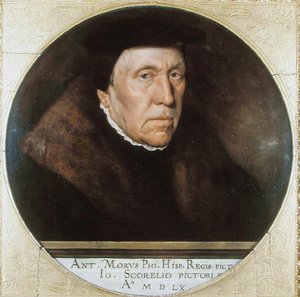
ヤン・ファン・スコレル

ヤン・ファン・スコレル

1495 - 1562 , オランダ

基本情報

  • Artistic Movement Or Style: ロマニズム、ルネサンス
  • Artists Or Movements Influenced By This Artist:
    • マールテン・ファン・ヘームスケルク
    • イタリア・ルネサンス
  • Artists Who Influenced This Artist:
    • ピーテル・ゲリッツ
    • ヤコブ・コルネリス
    • ヤン・ゴッサールト
    • ジョルジョーネ
  • Date Of Birth: 1495-08-01
  • Date Of Death: 1562-12-06
  • Full Name: ヤン・ファン・スコレル
  • Nationality: オランダ
  • Notable Artworks:
    • シッペンアルター
    • マグダラのマリア (スコレル)
  • Place Of Birth: オランダ、スホール