

 プレビュー
プレビュー
 プリントを購入
 シェアする
シェアする シェアする
シェアする
 詳細を見る
詳細を見る

 ダウンロード
 似ている作品
 X線調査
X線調査 スライドショー
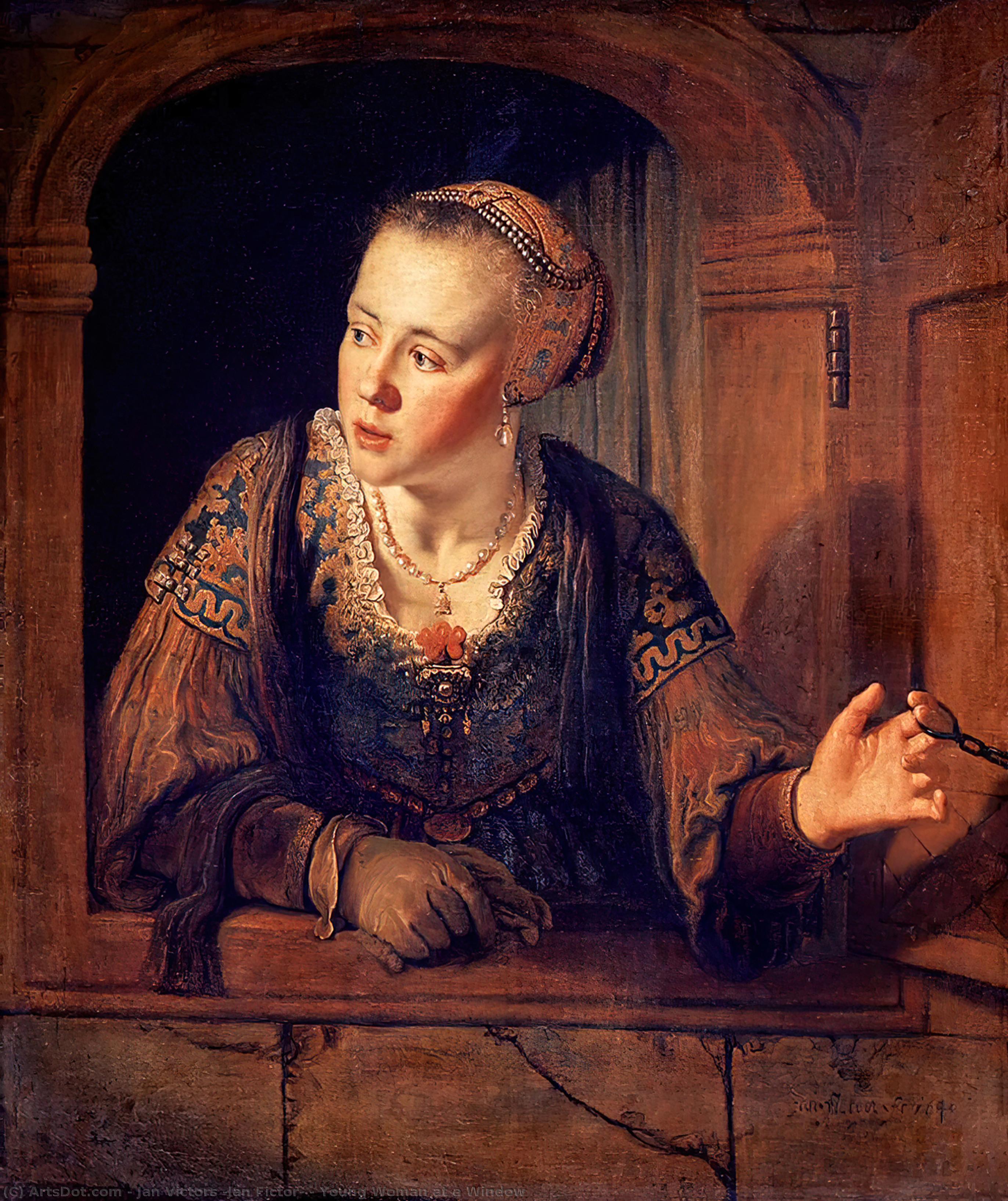
Young Woman at a Window
 Oil On Canvas
- WallArt
- Dutch Golden Age
 1640
1640 93.0 x 78.0 cm
 ルーブル美術館
 詳細を見る
詳細を見る
オンラインプレビューをはるかに凌ぐ、高解像度で鮮明なデジタル画像をご購入いただけます。
各ファイルは、社内の専門家が高度なツールと熟練した手作業によるレタッチを用いて、細心の注意を払って準備されています。すべての画像において、卓越した鮮明度、正確な色彩再現性、そして繊細なディテールを保証いたします。
最終ファイルは、プロフェッショナルな編集・印刷環境ですぐにご利用いただけるよう最適化された状態で、72時間以内にメールにてお届けいたします。これは、一流のデザインスタジオ、出版社、ギャラリーから信頼されているものと同等の品質です。
デジタル画像のご注文に付随する特典
高品質なデジタル画像配信を、確かな品質で。
ArtsDot.com を選ぶことは、単に画像を手に入れることではありません。それは、プロの手によって精密に仕上げられ、満足保証が付いた高品質なデジタルアートワークを受け取ることを意味します。ご注文いただいた際に自動的に付随する内容は、以下の通りです:

メールですぐにお届け
ご注文から72時間以内に、高解像度のデジタル画像ファイルがメールでお手元に届きます。すぐにそのままご利用いただけます。

AI技術で最適化されたデジタルファイル
お客様の作品は、高度なAIツールと専門家による手作業の編集を組み合わせてプロフェッショナルに最適化されており、細部のディテール、鮮明さ、そして正確な色再現性を最大限に引き出しています。

一生涯無料の再送サービス
ファイルを誤って削除したり、紛失してしまったりしましたか?ご安心ください。いつでも無料で再送いたします。

輸入手数料は一切かかりません
関税や手数料、配送料を気にすることなく、お気に入りのアートワークをすぐにお楽しみいただけます。デジタルダウンロードは常に免税です。

色彩再現の保証
プロ仕様のツールとカラーマネジメント技術を用いることで、デジタル画像が元の色を最大限に忠実に再現することを保証いたします。

60日間満足保証
ご購入いただいたデジタル画像にご満足いただけない場合は、60日以内であれば、修正または100%の返金(理由を問う必要はありません)をさせていただきます。

100% 返金保証
ご満足いただけない場合は、デジタルファイルを受け取ってから60日以内であれば、理由を問わず全額返金いたします。

まとめ買い割引
3枚購入で10%OFF - 5枚購入で15%OFF - 10枚以上購入で20%OFF。クリエイティブなプロジェクト、ギャラリー、エージェンシーに最適です。
作品の詳細
A Window to the Soul: Jan Victors’s “Young Woman at a Window”
Jan Victors's "Young Woman at a Window," painted in 1640, is more than just a portrait; it’s a carefully constructed tableau of contemplation and quiet grace. This oil on canvas masterpiece, currently residing within the hallowed halls of the Louvre Museum in Paris, offers a captivating glimpse into the Dutch Golden Age – a period defined by its meticulous realism, profound religious devotion, and burgeoning artistic innovation. The painting immediately draws the viewer in with its intimate composition: a young woman, bathed in the soft, diffused light streaming through an open window, becomes the focal point of our attention.
Victors’s skill lies not merely in his technical proficiency but in his ability to imbue a simple scene with layers of meaning. The subject herself is presented with remarkable sensitivity – her gaze lost in thought, suggesting a world of inner experience beyond the confines of the canvas. Her attire, hinting at an earlier era, adds to the painting’s allure, creating a subtle sense of timelessness and inviting us to ponder the mysteries of memory and nostalgia. The carefully placed doorway on the right side subtly expands the space, while the clock above serves as a gentle reminder of the relentless passage of time – a theme frequently explored in Dutch art of this period.
A Masterclass in Chiaroscuro and Dutch Realism
Examining the painting’s technique reveals Victors's deep understanding of artistic principles. He masterfully employs chiaroscuro, a dramatic contrast between light and dark, to sculpt the subject’s form and create a sense of depth and volume. This technique, heavily influenced by Caravaggio and popularized during the Dutch Golden Age, allows him to highlight the woman’s face and clothing while simultaneously enveloping the background in shadow – drawing our eye directly to her contemplative expression. The brushwork is remarkably detailed, capturing the texture of fabrics, the delicate curve of her hair, and the subtle nuances of light on her skin.
Victors's style aligns perfectly with the artistic conventions of his time, yet he possesses a distinct voice. He avoids overtly dramatic gestures or elaborate ornamentation, instead favoring a restrained elegance that reflects the values of the Calvinist community in which he lived. The painting’s realism is further enhanced by the inclusion of small details – the books on the floor suggesting an intellectual pursuit, and the window frame itself providing a grounding element within the composition.
Symbolism and the Weight of Time
Beyond its technical brilliance, “Young Woman at a Window” resonates with profound symbolism. The window itself is a potent metaphor for introspection and the yearning for something beyond the immediate present. It represents a portal to another world – a realm of dreams, memories, or perhaps even spiritual contemplation. The woman’s posture, leaning slightly towards the window, reinforces this sense of longing and invites us to share in her silent reverie.
Furthermore, the inclusion of the clock serves as a poignant reminder of mortality and the fleeting nature of time. It subtly underscores the painting's theme of reflection and encourages us to consider our own place within the grand scheme of existence. The books suggest an engagement with knowledge and learning, hinting at a life filled with intellectual pursuits – yet even these symbols are framed by the dominant image of quiet contemplation.
A Legacy of Dutch Artistic Excellence
“Young Woman at a Window” stands as a testament to Jan Victors’s artistic talent and his deep understanding of the human condition. It is a painting that rewards careful observation, inviting viewers to lose themselves in its serene beauty and contemplate its subtle yet powerful symbolism. Alongside works by contemporaries like Rembrandt and Vermeer, Victors's masterpiece exemplifies the richness and diversity of Dutch art during the Golden Age – a period marked by innovation, religious fervor, and an unwavering commitment to realism. Reproductions of this captivating portrait offer a remarkable opportunity to bring this timeless work of art into your home, allowing you to experience its beauty and contemplation firsthand.
関連作品
作家の略歴
ヤン・ヴィクトルス(1619–1679):劇的な聖書物語を描き出した巨匠
オランダ黄金時代の絶頂期、アムステルダムに生を受けたヤン・ヴィクトルス(別名ヤン・フィクトル)は、芸術的影響と宗教的信念が複雑に絡み合う中でその画業を築いた画家でした。レンブラントやフェルメールといった同時代の巨匠たちと比較すると、その名は比較的控えめかもしれません。しかし、彼の生涯を紐解けば、17世紀オランダ絵画の豊かな織りなす物語において、彼が果たした重要な役割が見えてきます。特に聖書の物語や、胸を打つ風俗画における卓越した描写力は特筆すべきものです。伝記的な詳細は断片的な部分も残されていますが、税記録や芸術的分析、歴史的背景を繋ぎ合わせることで、自らの信仰に深く献身しながらも、人間の感情や劇的な緊張感を捉える比類なき技術を持った芸術家の姿が浮かび上がってきます。
初期の記録によれば、ヴィクトルスの芸術への旅はレンブラント・ファン・レインの指導の下で始まったとされています。二人の関係の正確な性質については、単なる弟子であったとする説から、より実質的な師弟関係であったとする説まで議論が分かれていますが、ヴィルトルスの初期作品におけるレンブラントの影響は否定しようがありません。それは特に、人物描写や構図の研究において顕著に表れています。現在ルーヴル美術館に収蔵されている「窓辺の若い娘」(1640年頃)は、この形成期を物語る記念碑的な作品であり、若さゆえの期待感と脆さを伝える驚くべき能力を示しています。こうした性質こそが、後にヴィルトルスの作品の代名動となるものでした。
カルヴァン派の画家:抑制が生んだ叙事詩
ヤン・ヴィクトルを同時代の多くの画家から際立たせているのは、敬虔なカルヴァン派として、不適切と見なされる特定の主題を意図的に避けた点にあります。彼はキリストや天使、あるいは裸体を描くことを固く拒みました。これは彼の宗教的信念に根ざした意識的な決断でした。しかし、この制約が彼の創造性を阻むことはありませんでした。むしろ、その制限は彼を聖書史の広大で感情豊かな世界、そして人間ドラマの探求へと向かわせたのです。ヴィルトルスの絵画は旧約聖書から引き出された力強い物語に満ちており、道徳的な葛藤、家族間の対立、そして深い信仰といった、当時のカルヴァン派共同体に深く共鳴するテーマに焦点を当てています。
彼の物語技法を特徴づけているのは、「キアロスクーロ(明暗法)」として知られる光と影の劇的な活用です。カラヴァッジョの影響を強く受けたヴィルトルスは、対照的なトーンを見事に操ることで、感情的なインパクトを高め、演劇的な臨場感を生み出しました。この様式的な選択は、「ロトの一族との別れ(アブラハムの離別)」(1655年)において特に顕著です。光と闇の鮮烈なコントラストが、アブラハムの決断の重みと、交わされる別れの切なさを際立されたものとして描き出しています。
主要作品と芸術的発展
ヴィルトルスの最も名高い作品には、「祭司に息子サムエルを捧げるハンナ」(1645年)や「エサウとレンズ豆の煮込み」(1653年)があります。後者は、兄ヤコブの策略に対するエサウの衝動的な反応という、一見些細な瞬間を描いていますが、そこには深い心理的洞察が込められています。ヴィルトルスは単に出来事を説明するのではなく、後悔、嫉妬、そして和解といった生々しい感情を捉えているのです。「アブラハムの別れ」も同様に、聖書の文脈の中で複雑な人間関係を伝える能力を示しており、「ハンナによるサムエルの献身」は、宗教的な献身と家族愛を描き出す彼の技術の高さを証明しています。
ヴィルトルスのスタイルは、レンブラントの影響と彼自身の発展する芸術的ビジョンを反映しながら、時代とともに進化していきました。初期の作品は、ピーテル・ラストマンを彷彿とさせる、より形式的でアカデミックなアプローチが特徴です。しかし、成熟期に向かうにつれ、彼の絵画はますますダイナミックで感情に満ちたものとなり、より直接的な迫力と劇的な強烈さを増していきました。
晩年と遺産
人生の後半、ヤン・ヴィルトルスは画家の道を離れ、「ジーケントロースター(病人の慰め手)」という、より実務的な役割へと転身しました。これはオランダ東インド会社に仕える、看護師兼聖職者としての職務でした。彼は1676年にインドネシア(当時のオランダ領東インド)へと渡りましたが、悲劇的にも到着後まもなくその生涯を閉じました。活動期間は比較的短いものでしたが、ヴィルトルスは劇的な強烈さ、巧みな明暗法、そして聖書の物語の枠組みの中で人間感情を深く探求した、極めて重要な作品群を後世に残しました。
彼の作品は現在、ゲッティ美術館、テルアビブ美術館、シュテデル美術館など、世界中の著名な美術館に収蔵されています。熟練した、そして感情に訴えかける画家としてのヤン・ヴィルトルスの遺産は、今もなお揺るぎない地位を確立しています。それは、彼の芸術的才能と、信仰と人間体験の複雑さを描き出そうとした不屈の献身の証なのです。
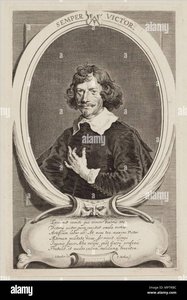
ヤン・ヴィクトルス
1619 - 1679
プロフィール概要
- Artistic Movement Or Style: バロック絵画、キアロスクーロ
- Artists Or Movements Influenced By This Artist: ['カラヴァッジズム']
- Artists Who Influenced This Artist: ['レンブラント']
- Date Of Birth: 1619年6月13日
- Date Of Death: 1679年12月
- Full Name: ヤン・ヴィクトルス (Jan Fictor)
- Nationality: オランダ
- Notable Artworks:
- アブラハムの別れ
- サムエルを捧げるハンナ
- Place Of Birth: オランダ、アムステルダム

