

 プレビュー
プレビュー
 プリントを購入
 シェアする
シェアする シェアする
シェアする
 詳細を見る
詳細を見る

 ダウンロード
 似ている作品
 X線調査
X線調査 スライドショー
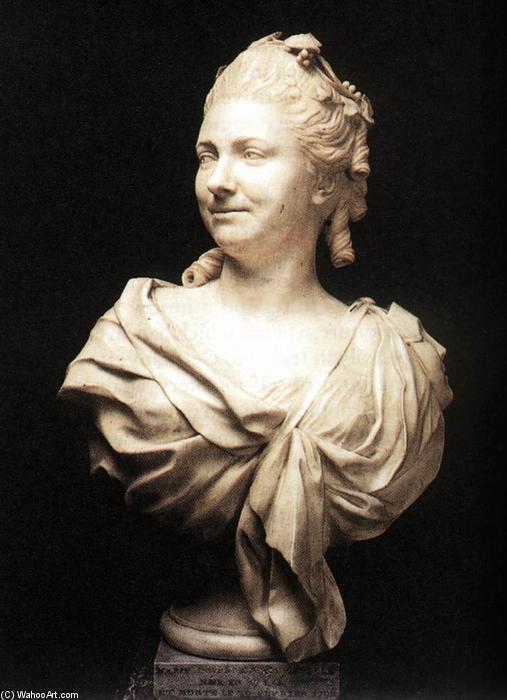
Mademoiselle Dangeville as Thalia


 詳細を見る
詳細を見る
オンラインプレビューをはるかに凌ぐ、高解像度で鮮明なデジタル画像をご購入いただけます。
各ファイルは、社内の専門家が高度なツールと熟練した手作業によるレタッチを用いて、細心の注意を払って準備されています。すべての画像において、卓越した鮮明度、正確な色彩再現性、そして繊細なディテールを保証いたします。
最終ファイルは、プロフェッショナルな編集・印刷環境ですぐにご利用いただけるよう最適化された状態で、72時間以内にメールにてお届けいたします。これは、一流のデザインスタジオ、出版社、ギャラリーから信頼されているものと同等の品質です。
デジタル画像のご注文に付随する特典
高品質なデジタル画像配信を、確かな品質で。
ArtsDot.com を選ぶことは、単に画像を手に入れることではありません。それは、プロの手によって精密に仕上げられ、満足保証が付いた高品質なデジタルアートワークを受け取ることを意味します。ご注文いただいた際に自動的に付随する内容は、以下の通りです:

メールですぐにお届け
ご注文から72時間以内に、高解像度のデジタル画像ファイルがメールでお手元に届きます。すぐにそのままご利用いただけます。

AI技術で最適化されたデジタルファイル
お客様の作品は、高度なAIツールと専門家による手作業の編集を組み合わせてプロフェッショナルに最適化されており、細部のディテール、鮮明さ、そして正確な色再現性を最大限に引き出しています。

一生涯無料の再送サービス
ファイルを誤って削除したり、紛失してしまったりしましたか?ご安心ください。いつでも無料で再送いたします。

輸入手数料は一切かかりません
関税や手数料、配送料を気にすることなく、お気に入りのアートワークをすぐにお楽しみいただけます。デジタルダウンロードは常に免税です。

色彩再現の保証
プロ仕様のツールとカラーマネジメント技術を用いることで、デジタル画像が元の色を最大限に忠実に再現することを保証いたします。

60日間満足保証
ご購入いただいたデジタル画像にご満足いただけない場合は、60日以内であれば、修正または100%の返金(理由を問う必要はありません)をさせていただきます。

100% 返金保証
ご満足いただけない場合は、デジタルファイルを受け取ってから60日以内であれば、理由を問わず全額返金いたします。

まとめ買い割引
3枚購入で10%OFF - 5枚購入で15%OFF - 10枚以上購入で20%OFF。クリエイティブなプロジェクト、ギャラリー、エージェンシーに最適です。
A Vision of Neoclassical Grace: Mademoiselle Dangeville as Thalia
Jean-Baptiste Lemoyne II’s "Mademoiselle Dangeville as Thalia," sculpted in 1771, is a captivating marble bust that embodies the elegance and intellectual spirit of the late Rococo and early Neoclassical periods. This exquisite work depicts Mademoiselle Dangeville, a celebrated salonnière and musician of her time, transformed into Thalia, the Greek muse of comedy and pastoral poetry. The sculpture transcends a mere portrait; it’s an allegorical representation of artistic inspiration and refined taste, reflecting the cultural values prized by the French aristocracy during the reign of Louis XV. The dark background in the photograph dramatically highlights the luminous quality of the marble, emphasizing Lemoyne's mastery of light and shadow to define form and create a sense of depth.Style & Technique: A Synthesis of Baroque Legacy and Neoclassical Ideals
Lemoyne’s artistic journey is fascinating, bridging the late Baroque with the emerging Neoclassical style. While influenced by the dramatic flair of his predecessors, this bust demonstrates a shift towards greater clarity, restraint, and an idealized representation of beauty – hallmarks of the Neoclassical movement. The meticulous carving reveals Lemoyne's exceptional technical skill. Note the delicate rendering of Mademoiselle Dangeville’s hair, meticulously arranged in an elaborate updo adorned with floral elements, and the graceful drape of the garment that subtly clings to her form. The smooth, polished surface of the marble contrasts beautifully with the folds of fabric, demonstrating Lemoyne's ability to capture both texture and movement within a static medium. His earlier experience as an engraver undoubtedly contributed to his precision and attention to detail in this sculptural work.Historical Context & The Salon Culture
The creation of "Mademoiselle Dangeville as Thalia" is deeply rooted in the vibrant Parisian salon culture of the 18th century. Salons were intellectual hubs where artists, writers, and aristocrats gathered to discuss ideas, showcase art, and enjoy musical performances. Mademoiselle Dangeville herself was a prominent figure within this circle, known for her musical talent and patronage of the arts. Commissioning a portrait as Thalia would have been a statement of her cultural standing and appreciation for classical learning. The choice of Thalia, the muse of comedy, suggests an admiration for wit, intelligence, and artistic expression – qualities highly valued in these sophisticated social settings. The work’s creation coincides with a period where artists like Lemoyne were navigating the transition from the ornate Rococo style to the more austere and rational Neoclassical aesthetic, reflecting broader shifts in European taste.Symbolism & Emotional Impact
Beyond its technical brilliance, the bust carries significant symbolic weight. The transformation of Mademoiselle Dangeville into Thalia elevates her from a mere individual to an embodiment of artistic inspiration and intellectual pursuit. Her serene expression and slightly averted gaze convey a sense of quiet contemplation and inner strength. The classical drapery and hairstyle further reinforce the connection to ancient Greek ideals of beauty and virtue. The overall effect is one of dignified grace, intelligence, and refined sensibility – qualities that continue to resonate with viewers today. Owning a reproduction of this piece allows you to bring a touch of 18th-century Parisian elegance and intellectual depth into your space.関連作品

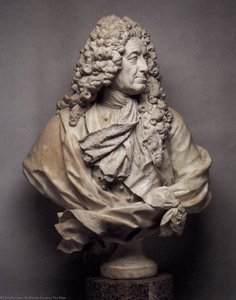
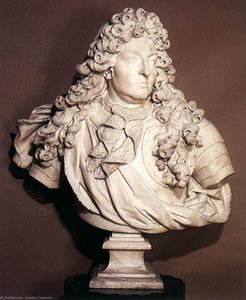
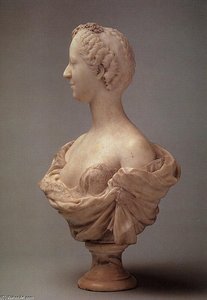
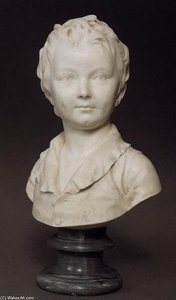
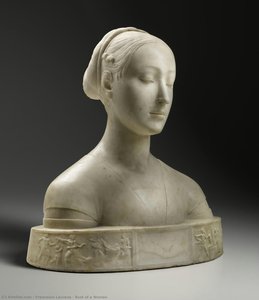
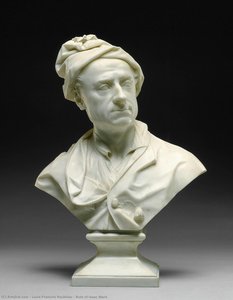
作家の略歴
Jean-Baptiste Lemoyne II: Life and Legacy
Early Life and Training
Jean-Baptiste Lemoyne II (1704 – 1778) was a celebrated French sculptor, primarily known for his expressive portrait busts and statues. Born in Paris, France, he initially pursued a career as an engraver, studying with Laurent Cars and working for the printseller Gabriel Huquier. This early experience provided him with foundational skills that would later inform his sculptural practice.
Artistic Development and Influences
Lemoyne began creating portraits in both oil and, increasingly, pastel during the 1740s. His career developed somewhat in the shadow of Maurice Quentin de la Tour, considered the master of French pastel portraiture. A notable event illustrating this dynamic occurred at the Salon of 1750, where Lemoyne exhibited a pastel portrait *of* La Tour, only to find La Tour exhibiting his own self-portrait – perhaps a deliberate demonstration of artistic superiority.
- Early Influences: Laurent Cars (engraving), Gabriel Huquier (printselling).
- Key Influence: Maurice Quentin de la Tour (pastel portraiture).
Academic Recognition and Major Works
Lemoyne made his Salon debut with a pastel portrait in 1746 and achieved full membership in the Académie Royale de Peinture et de Sculpture in 1753. His acceptance was secured through portraits of fellow artist Jean-Baptiste Oudry and sculptor Lambert-Sigisbert Adam, both now housed at the Louvre Museum.
- Notable Sculptures:
- Portrait bust of Robbé de Beauveset (1765)
- Hygie, déesse de la santé
- Mademoiselle Dangeville as Thalia (1771)
- Bust of Mademoiselle Clairon (1761)
- Louis XV
Style and Artistic Characteristics
Lemoyne’s work is characterized by a remarkable ability to capture the personality and likeness of his sitters. His portrait busts, in particular, are noted for their realism, theatricality, and attention to detail. He skillfully blended elements of Baroque drama with the emerging Neoclassical aesthetic, creating sculptures that were both emotionally engaging and technically refined.
Travels and Later Life
After 1779, Lemoyne ceased exhibiting at the Paris Salons but continued to receive commissions. His clientele reveals extensive travel throughout France – including Orléans, Toulouse, Bordeaux, and Lyon – and potentially even further afield, with possible visits to Turin, Rome, Spain, Hamburg, Poland, Russia, and England.
He died in Amsterdam in 1778, largely unknown according to some biographical accounts. Despite this relative obscurity at the end of his life, Lemoyne’s contributions to French sculpture remain significant.
Historical Significance
Jean-Baptiste Lemoyne II occupies an important position in the transition from the Rococo to Neoclassical styles. His portrait busts provide valuable insights into 18th-century French society and artistic tastes, and his technical skill continues to be admired by scholars and art enthusiasts alike. He represents a pivotal figure in the development of sculptural portraiture during a period of significant cultural change.
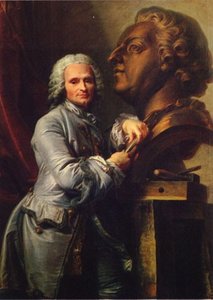
jean baptiste ii lemoyne
1704 - 1778 , France
プロフィール概要
- Birth Date: 1704
- Birth Place: Paris, France
- Death Date: 1778
- Influenced By: Maurice Quentin de la Tour
- Movement:
- Baroque
- Rococo
- Neoclassical
- Name: Jean-Baptiste Lemoyne II
- Nationality: French
- Notable Works:
- Portrait bust of Robbé de Beauveset
- Hygie, déesse de la santé
- Mademoiselle Dangeville as Thalia
- Bust of Mademoiselle Clairon
- Louis XV

