

 プリントを購入
 シェアする
シェアする シェアする
シェアする
 詳細を見る
詳細を見る

 ダウンロード
 似ている作品
 スライドショー
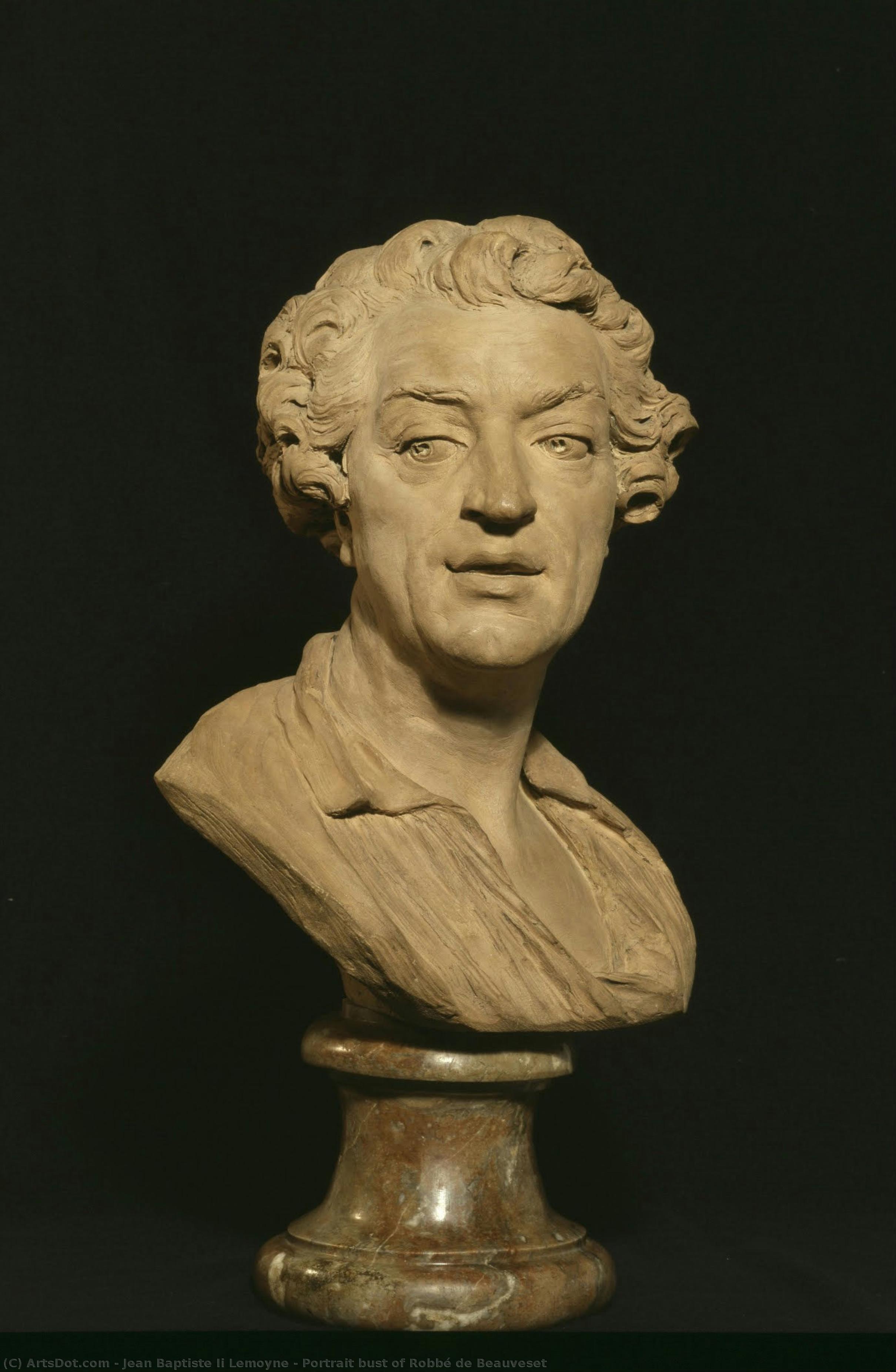
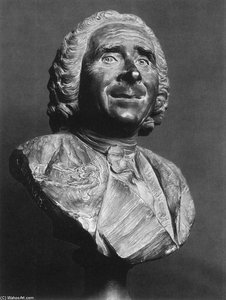
Portrait bust of Robbé de Beauveset


 詳細を見る
詳細を見る
オンラインプレビューをはるかに凌ぐ、高解像度で鮮明なデジタル画像をご購入いただけます。
各ファイルは、社内の専門家が高度なツールと熟練した手作業によるレタッチを用いて、細心の注意を払って準備されています。すべての画像において、卓越した鮮明度、正確な色彩再現性、そして繊細なディテールを保証いたします。
最終ファイルは、プロフェッショナルな編集・印刷環境ですぐにご利用いただけるよう最適化された状態で、72時間以内にメールにてお届けいたします。これは、一流のデザインスタジオ、出版社、ギャラリーから信頼されているものと同等の品質です。
デジタル画像のご注文に付随する特典
高品質なデジタル画像配信を、確かな品質で。
ArtsDot.com を選ぶことは、単に画像を手に入れることではありません。それは、プロの手によって精密に仕上げられ、満足保証が付いた高品質なデジタルアートワークを受け取ることを意味します。ご注文いただいた際に自動的に付随する内容は、以下の通りです:

メールですぐにお届け
ご注文から72時間以内に、高解像度のデジタル画像ファイルがメールでお手元に届きます。すぐにそのままご利用いただけます。

AI技術で最適化されたデジタルファイル
お客様の作品は、高度なAIツールと専門家による手作業の編集を組み合わせてプロフェッショナルに最適化されており、細部のディテール、鮮明さ、そして正確な色再現性を最大限に引き出しています。

一生涯無料の再送サービス
ファイルを誤って削除したり、紛失してしまったりしましたか?ご安心ください。いつでも無料で再送いたします。

輸入手数料は一切かかりません
関税や手数料、配送料を気にすることなく、お気に入りのアートワークをすぐにお楽しみいただけます。デジタルダウンロードは常に免税です。

色彩再現の保証
プロ仕様のツールとカラーマネジメント技術を用いることで、デジタル画像が元の色を最大限に忠実に再現することを保証いたします。

60日間満足保証
ご購入いただいたデジタル画像にご満足いただけない場合は、60日以内であれば、修正または100%の返金(理由を問う必要はありません)をさせていただきます。

100% 返金保証
ご満足いただけない場合は、デジタルファイルを受け取ってから60日以内であれば、理由を問わず全額返金いたします。

まとめ買い割引
3枚購入で10%OFF - 5枚購入で15%OFF - 10枚以上購入で20%OFF。クリエイティブなプロジェクト、ギャラリー、エージェンシーに最適です。
A Moment Frozen in Time: The Portrait Bust of Robbé de Beauveset
Jean-Baptiste Lemoyne’s 1765 portrait bust of Pierre-Honoré de Beauveset is more than a mere likeness; it's a meticulously crafted distillation of character, a fleeting capture of intellect and wry amusement. Executed in the rich, earthy tones characteristic of his work, the sculpture presents the poet not as a static subject, but as a man actively engaged with the world – a subtle shift away from the formal, often stiff poses prevalent in earlier portraiture. The piece immediately draws the eye to Beauveset’s face: a carefully sculpted brow hints at shrewd observation, while his slightly parted lips suggest an inner dialogue, perhaps a witty retort or a thoughtful contemplation of verse. It's a remarkably intimate portrayal, achieved through Lemoyne’s masterful understanding of human expression.
- Material & Technique: Crafted primarily from terracotta and finished with a lustrous glaze, the bust showcases Lemoyne’s skill in capturing texture – the delicate lines of the hair, the subtle creases around the eyes, even the suggestion of fabric beneath his powdered wig. The subtractive sculpting technique is evident in the careful removal of material to reveal the form, creating a sense of depth and volume that belies the sculpture's relatively small scale.
- Neoclassical Influence: The work firmly resides within the Neoclassical style, reflecting the artistic sensibilities of the mid-18th century. Drawing inspiration from classical antiquity – particularly Roman portraiture – Lemoyne emphasizes idealized beauty and a sense of rational order. However, he subtly infuses this classicism with a distinctly French sensibility, evident in the subject’s expressive features and the overall theatrical quality of the piece.
The Poet's Persona: Beauveset and the Age of Enlightenment
Pierre-Honoré de Beauveset was a prominent figure in Parisian intellectual circles during the Age of Enlightenment, known for his witty poetry and sharp critiques of society. Lemoyne’s bust doesn’t simply depict a man; it embodies an era. The carefully constructed pose – head slightly turned, gaze alert – speaks to Beauveset's engagement with ideas, his willingness to challenge convention, and perhaps even his penchant for intellectual sparring. The powdered wig, a symbol of the fashionable elite, adds another layer of context, suggesting Beauveset’s position within the Parisian literary scene. The sculpture is a testament to the importance placed on intellect and wit during this period.
Historical Context:The 1760s were a time of significant artistic and intellectual ferment in France, marked by a renewed interest in classical art and philosophy. Lemoyne’s work reflects this broader cultural shift, as artists sought to emulate the ideals of beauty and harmony found in ancient Greece and Rome. The rise of portraiture as a means of capturing individual identity and character also played a crucial role, paving the way for more intimate and psychologically nuanced representations of subjects.
Symbolism and Emotional Resonance
Beyond its technical brilliance, the bust is rich in symbolic meaning. The slight furrow of Beauveset’s brow suggests a contemplative nature, while his alert gaze conveys intelligence and curiosity. The overall composition – centered on the subject's head and shoulders – creates a sense of formality and dignity, reflecting the importance placed on intellectual pursuits during the Enlightenment. There is an undeniable air of wry amusement about the portrait; it’s as if Beauveset is offering a subtle, knowing smile to the viewer, inviting us to share in his wit and wisdom. The pedestal, crafted from polished marble, elevates the bust, symbolizing its importance and reflecting the esteem held for the subject.
A Timeless Portrait: Reproduction and Legacy
Reproductions of Lemoyne’s portrait bust offer a remarkable opportunity to bring this exquisite work of art into any setting. The rich textures and subtle nuances of the original sculpture are faithfully captured in high-quality prints, allowing viewers to appreciate the artist's meticulous attention to detail. Whether displayed in a study, library, or gallery, this piece serves as a poignant reminder of the enduring power of portraiture to capture not only likeness but also character, intellect, and the spirit of an age. It’s a window into the world of 18th-century France – a world of wit, philosophy, and artistic brilliance.
関連作品
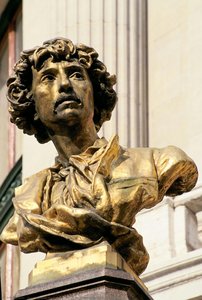
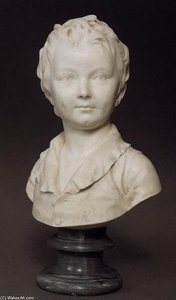
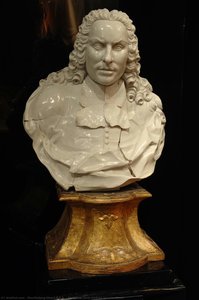
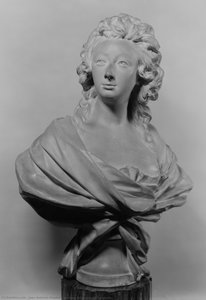
作家の略歴
Jean-Baptiste Lemoyne II: Life and Legacy
Early Life and Training
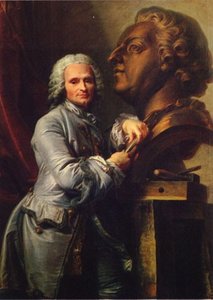
Jean-Baptiste Lemoyne II (1704 – 1778) was a celebrated French sculptor, primarily known for his expressive portrait busts and statues. Born in Paris, France, he initially pursued a career as an engraver, studying with Laurent Cars and working for the printseller Gabriel Huquier. This early experience provided him with foundational skills that would later inform his sculptural practice.
Artistic Development and Influences
Lemoyne began creating portraits in both oil and, increasingly, pastel during the 1740s. His career developed somewhat in the shadow of Maurice Quentin de la Tour, considered the master of French pastel portraiture. A notable event illustrating this dynamic occurred at the Salon of 1750, where Lemoyne exhibited a pastel portrait *of* La Tour, only to find La Tour exhibiting his own self-portrait – perhaps a deliberate demonstration of artistic superiority.
- Early Influences: Laurent Cars (engraving), Gabriel Huquier (printselling).
- Key Influence: Maurice Quentin de la Tour (pastel portraiture).
Academic Recognition and Major Works
Lemoyne made his Salon debut with a pastel portrait in 1746 and achieved full membership in the Académie Royale de Peinture et de Sculpture in 1753. His acceptance was secured through portraits of fellow artist Jean-Baptiste Oudry and sculptor Lambert-Sigisbert Adam, both now housed at the Louvre Museum.
- Notable Sculptures:
- Portrait bust of Robbé de Beauveset (1765)
- Hygie, déesse de la santé
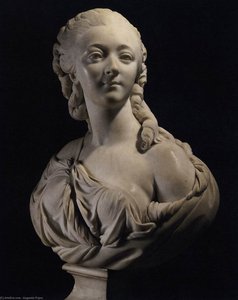
- Mademoiselle Dangeville as Thalia (1771)
- Bust of Mademoiselle Clairon (1761)
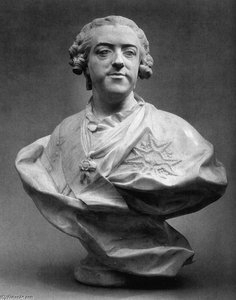
- Louis XV
Style and Artistic Characteristics
Lemoyne’s work is characterized by a remarkable ability to capture the personality and likeness of his sitters. His portrait busts, in particular, are noted for their realism, theatricality, and attention to detail. He skillfully blended elements of Baroque drama with the emerging Neoclassical aesthetic, creating sculptures that were both emotionally engaging and technically refined.
Travels and Later Life
After 1779, Lemoyne ceased exhibiting at the Paris Salons but continued to receive commissions. His clientele reveals extensive travel throughout France – including Orléans, Toulouse, Bordeaux, and Lyon – and potentially even further afield, with possible visits to Turin, Rome, Spain, Hamburg, Poland, Russia, and England.
He died in Amsterdam in 1778, largely unknown according to some biographical accounts. Despite this relative obscurity at the end of his life, Lemoyne’s contributions to French sculpture remain significant.
Historical Significance
Jean-Baptiste Lemoyne II occupies an important position in the transition from the Rococo to Neoclassical styles. His portrait busts provide valuable insights into 18th-century French society and artistic tastes, and his technical skill continues to be admired by scholars and art enthusiasts alike. He represents a pivotal figure in the development of sculptural portraiture during a period of significant cultural change.
jean baptiste ii lemoyne
1704 - 1778 , France
プロフィール概要
- Birth Date: 1704
- Birth Place: Paris, France
- Death Date: 1778
- Influenced By: Maurice Quentin de la Tour
- Movement:
- Baroque
- Rococo
- Neoclassical
- Name: Jean-Baptiste Lemoyne II
- Nationality: French
- Notable Works:
- Portrait bust of Robbé de Beauveset
- Hygie, déesse de la santé
- Mademoiselle Dangeville as Thalia
- Bust of Mademoiselle Clairon
- Louis XV

