

 プレビュー
プレビュー
 シェアする
シェアする シェアする
シェアする
 詳細を見る
詳細を見る

 ダウンロード
 似ている作品
 X線調査
X線調査 スライドショー
 統計情報
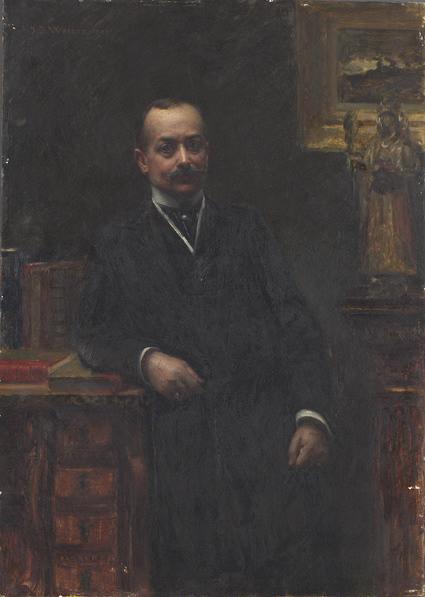
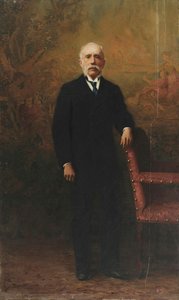
統計情報Portrait d'homme debout
 詳細を見る
詳細を見る
ジークレー/アートプリント
迅速な制作と多彩な仕上げオプションを備えた、ミュージアムクオリティのジークレーまたはキャンバスプリント。 ( 手描きの絵画を購入 デジタル画像販売へ切り替え)




































作品のオリジナル比率に合わせた、当店の規定サイズからお選びください。

特定のフレームやスペースに合わせて、ご自身でサイズを指定することも可能です。選択されたサイズが元の画像の比率と一致しない場合、作品をトリミングするか、鏡面反射または単色での塗りつぶしによって画像を拡張いたします。制作を開始する前に、ご確認用のデジタルモックアップをお送りいたします。
画面上のプレビューには、実際のトリミングや拡張は反映されませんのでご注意ください。最終的な構図を正確に確認できるのは、モックアップのみとなります。
カスタムサイズも承っておりますが、元の比率を維持するためには、あらかじめ用意されたリストからサイズを選択することをお勧めいたします。


 ガラスオプションは、110cm未満のサイズでのみご利用いただけます。

Portrait d'homme debout
ジークレー/アートプリント
複製画のサイズ
-


合計金額
$ 62
関連作品
アーティストの略歴
The Master of Academic Grandeur: The Life and Legacy of Jean-Joseph Weerts
In the grand tapestry of late 19th-century European art, few threads are as meticulously woven as those left by Jean-Joseph Weerts. A painter of Belgian origin who found his greatest resonance within the French artistic landscape, Weerts embodied the very essence of the Academic style. His life was a testament to the pursuit of classical perfection, a journey that began not in a studio, but through the disciplined eyes of his father, a mechanical engineer. This early exposure to the precision of engineering instilled in the young artist an enduring reverence for structural accuracy and the delicate nuances of draftsmanship, laying the foundation for a career defined by technical mastery and emotional depth.
Weerts’ formal odyssey into the world of fine art took flight in 1858 at the Académie des Beaux-Arts de Roubaix. However, it was his subsequent enrollment at the prestigious École des Beaux-Arts in 1867 that would truly shape his destiny. Under the tutelage of the legendary Alexandre Cabanel, Weerts entered a realm where the boundaries between reality and idealized beauty blurred. From Cabanel, he inherited the sophisticated technique of layering pigments—a method that allowed him to create canvases possessing a luminous, almost ethereal quality. This mastery over light and texture enabled him to breathe life into his subjects, transforming mere paint into flesh, fabric, and historical atmosphere.
A Visionary of History and Spirit
The sheer scale of Weerts’ creative output is nothing short of staggering, with an estimated 700 works spanning a lifetime of devotion. His repertoire was primarily anchored in the profound realms of historical and religious narratives, themes that allowed him to act as both a storyteller and a moral philosopher. Through his brush, biblical epics and classical myths were reimagined with a balanced symmetry and a sense of idealized grace designed to evoke spiritual contemplation. Each composition served as a window into the past, where figures were not merely depicted but were imbued with a sense of virtue and nobility.
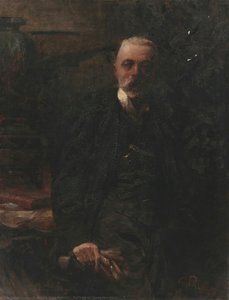
Beyond the sacred and the ancient, Weerts was a master of the human countenance. His portraits, such as the captivating Portrait d'homme en buste, demonstrate his ability to capture the psychological weight of his sitters, blending the meticulous observation of the Academic tradition with a profound empathy for the individual. Whether he was depicting the tragic gravity of The Death of Bara—a work so significant it earned him the prestigious Légion d'honneur in 1884—or the quiet dignity of a contemporary figure, his work remained anchored in a pursuit of timelessness.
A Civic Legacy Carved in Stone and Gold
The influence of Jean-Joseph Weerts extended far beyond the confines of a private gallery; he was an artist deeply integrated into the very architecture of French civic life. His talent for large-scale decoration made him a sought-after figure for some of the most significant public projects of the Third Republic. His hand can be found decorating the halls of power and intellect, including:
- The Hôtel de Ville of Roubaix, where his work honored his roots;
- The Sorbonne University, contributing to the academic grandeur of Paris;
- The Hôtel des Monnaies, adding artistic prestige to the heart of French commerce;
- The Limoges City Hall and the College of Medicine in Lyon, showcasing his versatility across France.
As we reflect on his life, from his beginnings in Belgium to his final rest in the hallowed grounds of Père-Lachaise, Weerts emerges as more than just a painter of the past. He was a custodian of tradition during an era of rapid change, ensuring that the values of beauty, order, and historical continuity remained vibrantly alive on canvas. His legacy survives not only in the museums that house his masterpieces but in the very spirit of the Academic tradition he so faithfully championed.
jean-joseph weerts
1846 - 1927
基本情報
- Artistic Movement Or Style: Academic Art Style
- Artists Or Movements Influenced By This Artist: ['Baroque']
- Artists Who Influenced This Artist: ['Alexandre Cabanel']
- Date Of Birth: May 1846
- Date Of Death: September 28, 1927
- Full Name: Jean-Joseph Weerts
- Nationality: French
- Notable Artworks:
- Portrait d'homme en buste
- The Murder of Marat
- Place Of Birth: Roubaix, France