

 プレビュー
プレビュー
 プリントを購入
 シェアする
シェアする シェアする
シェアする
 詳細を見る
詳細を見る

 ダウンロード
 似ている作品
 X線調査
X線調査 スライドショー
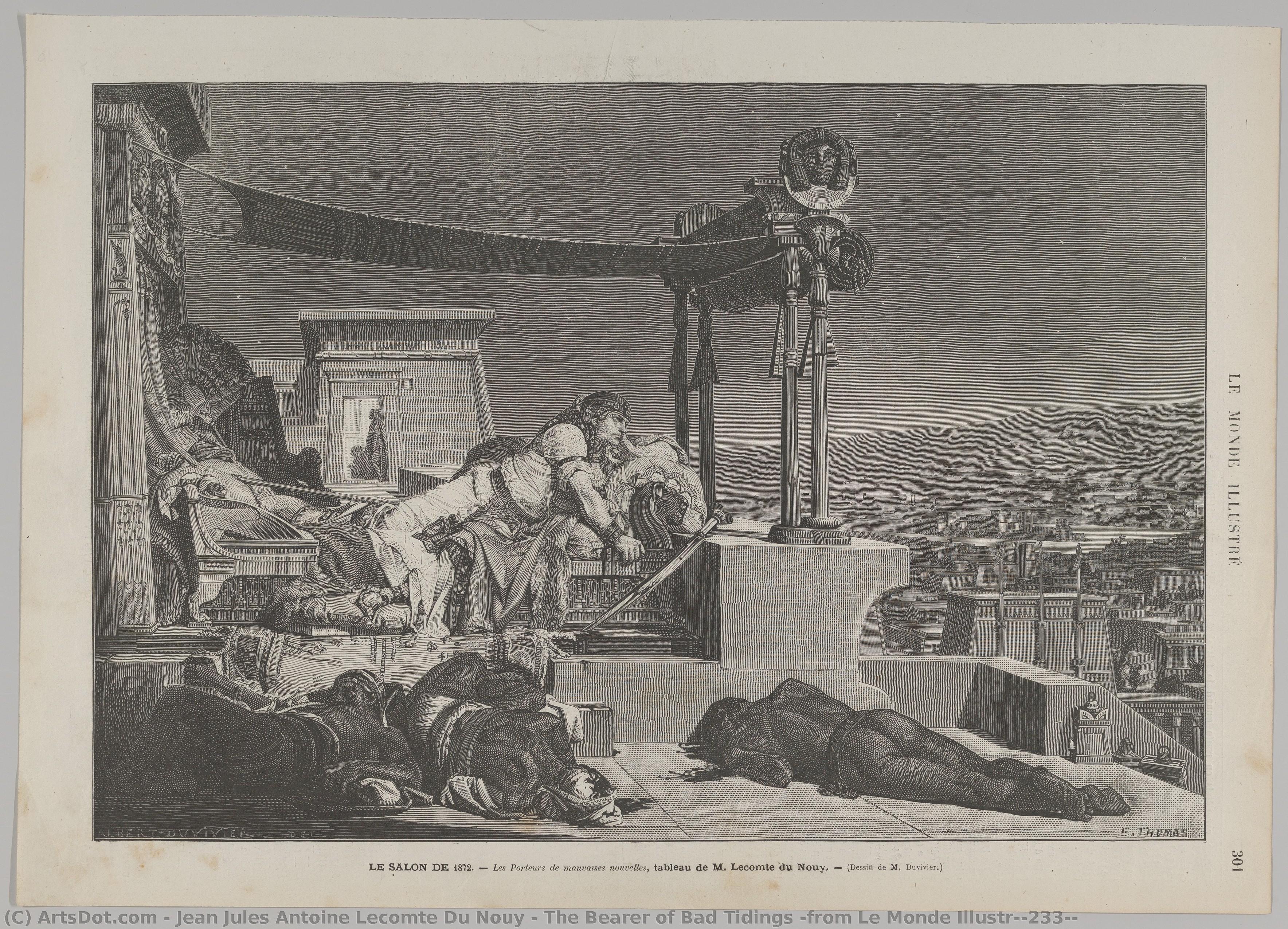
The Bearer of Bad Tidings (from Le Monde Illustré)


 詳細を見る
詳細を見る
オンラインプレビューをはるかに凌ぐ、高解像度で鮮明なデジタル画像をご購入いただけます。
各ファイルは、社内の専門家が高度なツールと熟練した手作業によるレタッチを用いて、細心の注意を払って準備されています。すべての画像において、卓越した鮮明度、正確な色彩再現性、そして繊細なディテールを保証いたします。
最終ファイルは、プロフェッショナルな編集・印刷環境ですぐにご利用いただけるよう最適化された状態で、72時間以内にメールにてお届けいたします。これは、一流のデザインスタジオ、出版社、ギャラリーから信頼されているものと同等の品質です。
デジタル画像のご注文に付随する特典
高品質なデジタル画像配信を、確かな品質で。
ArtsDot.com を選ぶことは、単に画像を手に入れることではありません。それは、プロの手によって精密に仕上げられ、満足保証が付いた高品質なデジタルアートワークを受け取ることを意味します。ご注文いただいた際に自動的に付随する内容は、以下の通りです:

メールですぐにお届け
ご注文から72時間以内に、高解像度のデジタル画像ファイルがメールでお手元に届きます。すぐにそのままご利用いただけます。

AI技術で最適化されたデジタルファイル
お客様の作品は、高度なAIツールと専門家による手作業の編集を組み合わせてプロフェッショナルに最適化されており、細部のディテール、鮮明さ、そして正確な色再現性を最大限に引き出しています。

一生涯無料の再送サービス
ファイルを誤って削除したり、紛失してしまったりしましたか?ご安心ください。いつでも無料で再送いたします。

輸入手数料は一切かかりません
関税や手数料、配送料を気にすることなく、お気に入りのアートワークをすぐにお楽しみいただけます。デジタルダウンロードは常に免税です。

色彩再現の保証
プロ仕様のツールとカラーマネジメント技術を用いることで、デジタル画像が元の色を最大限に忠実に再現することを保証いたします。

100日間満足保証
ご購入いただいたデジタル画像にご満足いただけない場合は、100日以内であれば、修正または100%の返金(理由を問う必要はありません)をさせていただきます。

100% 返金保証
ご満足いただけない場合は、デジタルファイルを受け取ってから100日以内であれば、理由を問わず全額返金いたします。

まとめ買い割引
3枚購入で10%OFF - 5枚購入で15%OFF - 10枚以上購入で20%OFF。クリエイティブなプロジェクト、ギャラリー、エージェンシーに最適です。
The Bearer of Bad Tidings: A Chronicle of Loss and Authority
Jean-Jules-Antoine Lecomte du Nouÿ’s “The Bearer of Bad Tidings” (from *Le Monde Illustré*), a masterful example of 19th-century Orientalist painting, isn't merely a depiction of an ancient scene; it’s a carefully constructed tableau brimming with historical weight and profound emotional resonance. Created around 1872, the engraving transports us to a pivotal moment – likely inspired by Théophile Gautier’s novel *Le Roman de la Momie* – where a figure, draped in regal attire, delivers devastating news atop a commanding pedestal. Below him, figures lie prone, consumed by despair, while the backdrop is dominated by a stately clock tower, subtly hinting at the relentless march of time and the inevitability of fate.
Lecomte du Nouÿ’s skill lies not just in his technical prowess but also in his ability to imbue a historical narrative with palpable drama. The composition itself is meticulously structured; the central figure's elevated position immediately establishes a hierarchy, emphasizing their role as both messenger and arbiter of doom. The arrangement of the fallen figures – some seated, others sprawled on the ground – creates a powerful visual rhythm, drawing the eye across the scene and amplifying the sense of collective suffering. The precise lines of the architecture, rendered with painstaking detail, contribute to an atmosphere of solemn grandeur, anchoring the narrative within a recognizable historical context.
A Symphony of Line and Shadow: Technique and Style
As an engraving, “The Bearer of Bad Tidings” showcases Lecomte du Nouÿ’s mastery of line. The work is defined by its intricate network of fine lines, meticulously etched to create a remarkable range of tones and textures. Hatching and cross-hatching techniques are employed with exceptional skill, building up areas of shadow and highlighting forms with subtle gradations of gray. This meticulous approach lends the image a remarkable sense of realism, capturing not just the appearance but also the very essence of the scene – the weight of despair, the solemnity of duty, and the cold certainty of impending disaster.
The monochromatic palette—a carefully orchestrated range of grays—further enhances the artwork’s dramatic impact. The absence of color forces the viewer to focus entirely on the interplay of light and shadow, intensifying the emotional intensity of the scene. The directional lighting, originating from an unseen source on the left, casts long shadows that accentuate the figures' postures and contribute to a sense of depth and volume. This masterful use of chiaroscuro—the dramatic contrast between light and dark—is a hallmark of academic painting and elevates “The Bearer of Bad Tidings” beyond a simple illustration.
Symbolism and Historical Context
Beyond its immediate narrative, the artwork is rich in symbolic meaning. The central figure, delivering the unwelcome news, embodies authority and responsibility – perhaps even a sense of tragic inevitability. His posture, stoic yet burdened, suggests a profound awareness of his role as a conduit for sorrow. The fallen figures represent the consequences of that message, their despair reflecting the devastating impact of bad tidings on individuals and society. The clock tower, a recurring motif in Lecomte du Nouÿ’s work, serves as a potent symbol of time's relentless passage and the inescapable nature of fate.
The scene itself likely draws upon ancient myths and historical events, evoking themes of betrayal, loss, and the fragility of human existence. The reference to *Le Roman de la Momie* adds another layer of complexity, suggesting a connection between past and present, tradition and transgression. Understanding this historical context—the anxieties and concerns of 19th-century Europe—deepens our appreciation for the artwork’s enduring power.
A Legacy of Detail: Reproduction and Artistic Value
“The Bearer of Bad Tidings” stands as a testament to Lecomte du Nouÿ's skill and artistic vision. Reproductions, such as those offered by ArtsDot.com, allow us to experience the depth and nuance of this remarkable engraving in a new light. The meticulous detail, the dramatic composition, and the profound emotional impact—all are faithfully captured in high-resolution prints, making it an ideal choice for collectors, interior designers, and anyone seeking a piece of art that speaks to the complexities of human experience.
Whether displayed as a statement piece or incorporated into a broader collection, “The Bearer of Bad Tidings” remains a compelling work of art—a poignant reminder of the burdens of authority, the inevitability of loss, and the enduring power of visual storytelling.
関連作品
作家の略歴
生い立ちとアカデミックな基盤
1842年、パリの貴族階級に生まれたジャン=ジュール=アントワーヌ・ルコント・デュ・ヌーイは、その生涯を東洋への憧憬と厳格なアカデミック絵画の世界に捧げました。14世紀からフランスに定住したピエモンテ出身の家系に生まれ、幼少の頃から並外れた美術的才能を示し、6歳にして父や叔父の肖像画を描いていたという逸話も残っています。この天賦の才が彼を1861年、スイス人画家シャルル・グレールの工房へと導き、そこで個性を重んじ、基礎的な技術を習得しました。さらに、アカデミック絵画を代表する巨匠ジャン=レオン・ジェロームのもとで研鑽を積むことで、精密な描写—la belle nature—への献身が彼のキャリアの重要な特徴となります。この詳細な写実主義へのコミットメントは、歴史的場面や異国情緒あふれる情景を丹念に描き出す生涯の舞台を設定しました。東洋への旅とテーマの探求
1865年、カイロへの旅がルコント・デュ・ヌーイの芸術的発展における転換点となりました。同僚のフェリックス=オーギュスト・クレマンと共にカイロを訪れた彼は、オリエントの世界の絢爛豪華さに魅了され、その風景、人々、そして風習を描くことに熱中しました。その後もギリシャ、トルコ、イタリア、ルーマニアへと旅を続け、それぞれの場所が豊かなインスピレーションの源泉となりました。しかし、彼は単にこれらの場所を記録するのではなく、社会、歴史、文学的側面にも深く没頭し、描く文化への理解を深めようと努めました。この一次資料に基づいた観察への献身は、彼をより広範なオリエンタリズム運動の中で際立たせ、遠い土地の物語に魅了された観客に響く信憑性を彼の作品にもたらしました。彼の絵画は単なるエキゾチックな幻想ではなく、情報に基づいた表現への試みでした—ただし、ヨーロッパ人の視点を通して描かれたものでした。変革期における揺るぎないスタイル
ルコント・デュ・ヌーイの芸術的道程は、その一貫性において特筆すべきものです。彼のキャリア後半は印象派、フォーヴィスム、構成主義といった革命的な変化が起こる時期でしたが、彼は詳細で写実的なスタイルに揺るぎなくこだわり続けました。アカデミック絵画の原則を遵守し、熟練した技法、形式的な構図、そして特に人物描写を重視した抑制された写実主義を優先しました。伝統的な技術への献身は変化への抵抗から生まれたのではなく、深く根付いた芸術的哲学に基づいていたのです。彼の作品はしばしば劇的な明暗法を用い、場面にムードと憂鬱さを加えます。教授のアラン・ブラドックのような研究者は、彼の作品の中に微妙な現代性を見出し、植民地主義、国際貿易、ジェンダー役割、宗教、歴史といった現代の問題を間接的に扱っている—ただし保守的な視点から—と指摘しています。遺産と永続する影響
晩年になるとルコント・デュ・ヌーイはルーマニアで王室の庇護を受け、主に王族とその宮廷の人々の肖像画を描きました。しかし、1923年にパリに戻る前に亡くなり、19世紀のオリエントを象徴的に表現する重要な作品群を残しました。彼の影響力は絵画の世界にとどまらず、1932年にはパリの一つの通りに彼の名が付けられました—リュ・ルコント・デュ・ヌーイ—これは芸術界における彼の地位を示す証です。「ボーケールの晩餐」、「白い奴隷」、「サン・ヴァンサン・ド・ポールがギャレーの奴隷を信仰へと導く」といった代表作は、その丹念な描写、劇的な照明、そして感動的な物語性で今も観客を魅了し続けています。選ばれた傑作
- ボーケールの晩餐 (1869-1894): フランス革命における重要な瞬間を描いた壮大な歴史的場面。
- 白い奴隷 (1888): ナント美術館に所蔵されている、捕われと搾取というテーマを探求した痛切で物議を醸す作品。
- サン・ヴァンサン・ド・ポールがギャレーの奴隷を信仰へと導く (1876): パリのサント=トリニテ教会に展示されている、力強い宗教的構図。
- マドモワゼルE.T.の肖像画: 人格と洗練さを捉えた彼の肖像画の技術を示す作品。
- 自画像: 芸術家の自己認識と芸術的アイデンティティを垣間見ることができる作品。
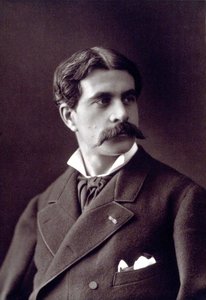
ジャン=ジュール=アントワーヌ・ルコント・デュ・ヌイ
1842 - 1923 , フランス
プロフィール概要
- Artistic Movement Or Style: 東洋主義、アカデミック美術
- Artists Who Influenced This Artist:
- シャルル・グレイル
- ジャン=レオン・ジェローム
- Date Of Birth: 1842年6月10日
- Date Of Death: 1923年2月19日
- Full Name: ジャン=ジュール=アントワーヌ・ルコント・デュ・ヌイ
- Nationality: フランス人
- Notable Artworks (List Of Titles):
- ボーカールの晩餐
- 白い奴隷
- サン・ヴァンサンの布教
- Place Of Birth (City And Country): フランス、パリ