

 プレビュー
プレビュー
 プリントを購入
 シェアする
シェアする シェアする
シェアする
 詳細を見る
詳細を見る

 ダウンロード
 似ている作品
 X線調査
X線調査 スライドショー
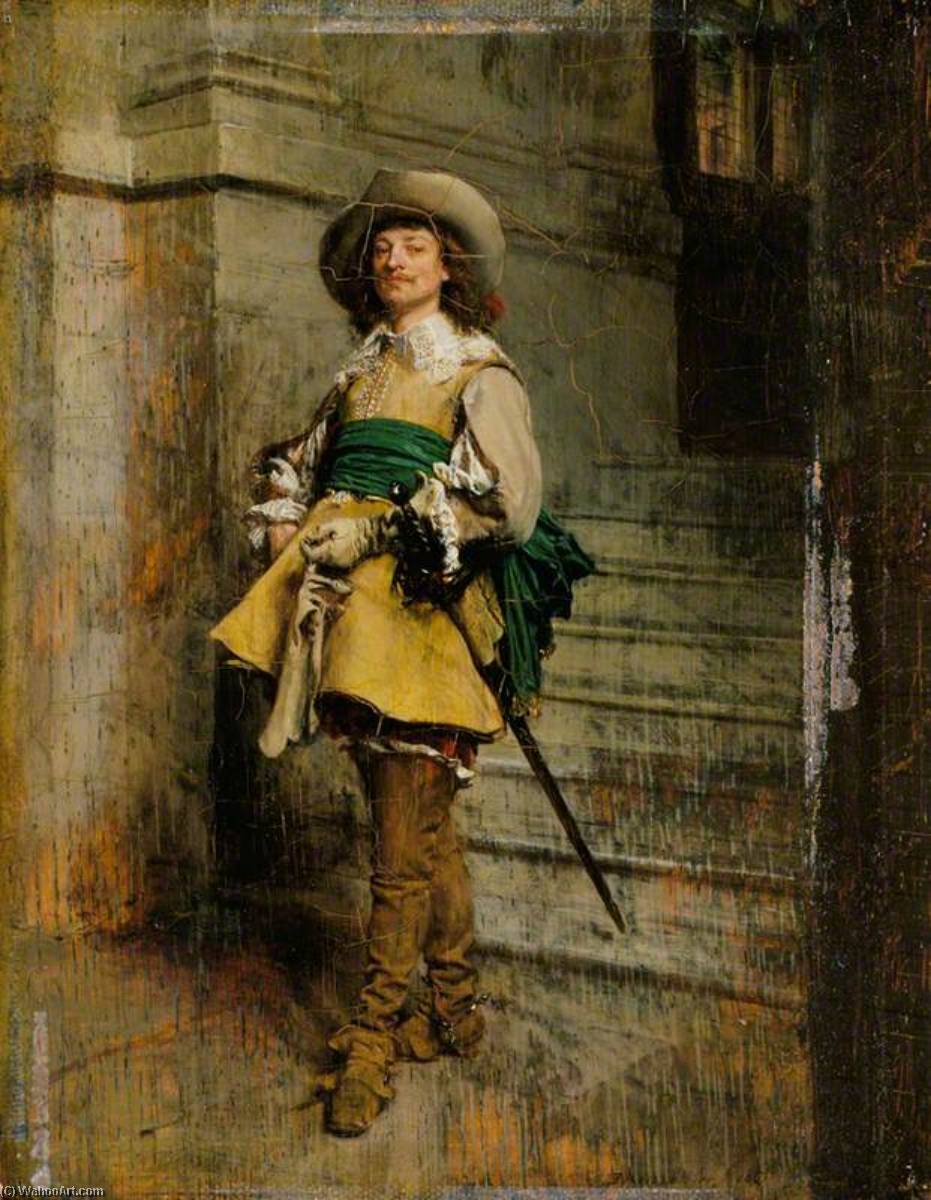
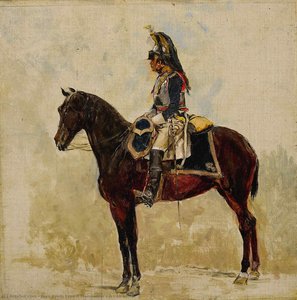
A Cavalier Time of Louis XIII
 Oil On Panel
- Baroque Realism
 1861
1861- 19th Century
 24.0 x 19.0 cm
 ロンドンタワー
 詳細を見る
詳細を見る
オンラインプレビューをはるかに凌ぐ、高解像度で鮮明なデジタル画像をご購入いただけます。
各ファイルは、社内の専門家が高度なツールと熟練した手作業によるレタッチを用いて、細心の注意を払って準備されています。すべての画像において、卓越した鮮明度、正確な色彩再現性、そして繊細なディテールを保証いたします。
最終ファイルは、プロフェッショナルな編集・印刷環境ですぐにご利用いただけるよう最適化された状態で、72時間以内にメールにてお届けいたします。これは、一流のデザインスタジオ、出版社、ギャラリーから信頼されているものと同等の品質です。
デジタル画像のご注文に付随する特典
高品質なデジタル画像配信を、確かな品質で。
ArtsDot.com を選ぶことは、単に画像を手に入れることではありません。それは、プロの手によって精密に仕上げられ、満足保証が付いた高品質なデジタルアートワークを受け取ることを意味します。ご注文いただいた際に自動的に付随する内容は、以下の通りです:

メールですぐにお届け
ご注文から72時間以内に、高解像度のデジタル画像ファイルがメールでお手元に届きます。すぐにそのままご利用いただけます。

AI技術で最適化されたデジタルファイル
お客様の作品は、高度なAIツールと専門家による手作業の編集を組み合わせてプロフェッショナルに最適化されており、細部のディテール、鮮明さ、そして正確な色再現性を最大限に引き出しています。

一生涯無料の再送サービス
ファイルを誤って削除したり、紛失してしまったりしましたか?ご安心ください。いつでも無料で再送いたします。

輸入手数料は一切かかりません
関税や手数料、配送料を気にすることなく、お気に入りのアートワークをすぐにお楽しみいただけます。デジタルダウンロードは常に免税です。

色彩再現の保証
プロ仕様のツールとカラーマネジメント技術を用いることで、デジタル画像が元の色を最大限に忠実に再現することを保証いたします。

60日間満足保証
ご購入いただいたデジタル画像にご満足いただけない場合は、60日以内であれば、修正または100%の返金(理由を問う必要はありません)をさせていただきます。

100% 返金保証
ご満足いただけない場合は、デジタルファイルを受け取ってから60日以内であれば、理由を問わず全額返金いたします。

まとめ買い割引
3枚購入で10%OFF - 5枚購入で15%OFF - 10枚以上購入で20%OFF。クリエイティブなプロジェクト、ギャラリー、エージェンシーに最適です。
作品の詳細
A Portrait Steeped in History: Jean-Louis Ernest Meissonier’s “A Cavalier Time of Louis XIII”
Jean-Louis Ernest Meissonier stands as an undisputed champion of miniature realism—a painter who meticulously captured the nuances of everyday life with astonishing precision. Born in Lyon in 1815, his artistic ambitions clashed initially with his father's pragmatic aspirations for a secure business career; however, the irresistible pull of art ultimately prevailed, securing young Ernest’s freedom to pursue his passion and shaping him into one of France’s most celebrated artists. Early training under Léon Cogniet instilled foundational skills, yet it was through immersion in the Dutch masters at the Louvre – Gabriel Metsu and Gerard Douw – that Meissonier truly honed his artistic vision. These painters, masters of capturing subtle atmospheric effects and portraying figures with remarkable naturalism, profoundly influenced Meissonier’s approach to depicting human subjects within their environments.The Subject Matter: A Noble Gesture Amidst Turbulent Times
“A Cavalier Time of Louis XIII,” completed in 1861, presents a portrait of a gentleman dressed in attire emblematic of the reign of Louis XIII – a deliberate choice reflecting the anxieties and aspirations of the era. The subject is depicted standing beside a pillar or wall, bathed in soft light that illuminates his face and costume with an almost theatrical glow. This pose conveys dignity and composure, yet simultaneously hints at vulnerability against the backdrop of political instability—a hallmark of Louis XIII’s reign marked by religious conflict and challenges to royal authority. Meissonier skillfully captures this tension through careful observation and masterful rendering of texture and light.Technique: The Illusion of Depth Through Atmospheric Perspective
Meissonier's technique exemplifies the principles of atmospheric perspective, a cornerstone of Dutch Baroque painting that he adopted wholeheartedly. He achieves remarkable depth and realism by subtly modulating tonal values—darker hues dominating the background while lighter shades illuminate the figure’s face and torso. This technique isn’t merely decorative; it serves to convey an emotional resonance, mirroring the psychological complexities inherent in portraying human character. The artist meticulously builds up layers of paint – glazing techniques are prominent – creating a surface that appears luminous and textured, convincingly simulating the appearance of polished wood or stone.Historical Context: Reflecting the Spirit of Louis XIII’s Court
The painting resides within the Wallace Collection in London, offering visitors an intimate glimpse into the artistic sensibilities of Victorian Britain. “A Cavalier Time of Louis XIII” speaks directly to the anxieties surrounding the succession crisis following Louis XIII's death and the looming shadow of Cardinal Richelieu’s influence. Meissonier’s depiction captures not only the visual splendor of the royal court but also its underlying tensions—the struggle for power, the importance of social status, and the pervasive atmosphere of formality. The inclusion of a sword symbolizes authority and protection, reinforcing the noble bearing of the subject.Symbolism: Dignity Amidst Uncertainty
Beyond its technical prowess and historical accuracy, “A Cavalier Time of Louis XIII” resonates with symbolic significance. The gentleman’s stance embodies resilience and fortitude—a quiet defiance against adversity. The pillar or wall serves as a visual anchor, grounding the figure within his surroundings while simultaneously emphasizing his isolation from the turbulent currents of political life. Meissonier's masterful use of light contributes to this symbolism, highlighting the subject’s face and costume as beacons of dignity amidst uncertainty.Emotional Impact: Capturing Human Essence
Ultimately, Meissonier succeeds in conveying a profound sense of human emotion—a subtle melancholy tempered by nobility. The portrait invites contemplation on themes of identity, social responsibility, and the enduring power of inner strength. It’s a testament to Meissonier's ability to transform observation into art, capturing not merely likeness but also character—a feat that continues to captivate audiences today.関連作品
作家の略歴
ジャン=ルイ・エルネスト・メイソニエの生涯と芸術
19世紀フランス絵画において、緻密な描写と歴史的叙述で知られるジャン=ルイ・エルネスト・メイソニエは、アカデミックな伝統と芽生えつつある写実主義を繋ぐ重要な人物として登場しました。1815年にリヨンに生まれた彼は、当初、家族から商業的なキャリアを期待されていました。しかし、芸術への情熱は抑えきれず、17歳で許可を得て才能を開花させる旅に出ました。この道に進んだメイソニエは、フランスで最も著名で経済的に成功した画家の一人として名を確立します。レオン・コグネの指導のもと初期の訓練を受けましたが、ルーブル美術館にあるオランダ絵画の研究を通して真に芸術的声を見つけました。ガブリエル・メツやヘラルト・ドウのような巨匠たちは、日常生活の親密な場面を驚くべき精度で描いており、彼の発展するスタイルに深い影響を与え、卓越したディテールへの献身を促しました。ジャンルシーンから壮大な歴史的叙述へ
メイソニエが1831年にサロンに出展した『オランダのブルジョワ』(Les Bourgeois Flamands)は、彼の才能をいち早く示しました。この作品は、日常生活や歴史的な場面をほぼ顕微鏡レベルの正確さで再現する能力を示し、彼のユニークな才能を印象づけました。彼は単に物体を描写しているのではなく、テクスチャ、光、雰囲気を息を呑むほど忠実に捉えながら、世界を丹念に再構築していました。この初期の成功により、彼は技術を磨き上げ、『チェスをする人々』(The Game of Chess, 1841)や『チェロを弾く青年』(The Young Man Playing the 'Cello', 1842)のような魅力的なジャンル絵画を次々と制作しました。これらの作品は、単なる技術的な訓練ではなく、人間の性格と社会交流に対する洞察に満ちた観察でした。しかし、メイソニエの野心は親密なジャンルシーンを超えていました。1848年の政治的動乱の中で国民警備隊として従軍した経験は、彼に大きな影響を与え、より大規模な歴史的なテーマに取り組む意欲を高めました。この転換点は、『ソルフェリーノの皇帝』(The Emperor at Solferino)のような壮大な作品を生み出し、彼の初期のスタイルから脱却しつつも、複雑な構成と壮大な叙述を可能にする彼の精密さを維持しました。忍耐と精密さによって定義された技法
メイソニエを真に際立たせていたのは、彼が何を画いたかだけでなく、*どのように*画いたかでした。彼の技法は、細部への並外れた注意で伝説的でした。彼は大雑把な筆致や印象派的な効果には満足せず、構成要素のそれぞれを丹念にレンダリングし、卓越したリアリズムの感覚を築き上げました。彼は徹底的な研究を行い、衣装、武器、建築の詳細を細かく調査して歴史的な正確性を確保しました。この献身は自然界にも及び、特に馬の研究において、その解剖学と動きを分析し、彼の戦場の場面で説得力のある表現を実現しました。一部の批評家は彼の仕事が執着に近いと指摘しましたが、揺るぎないディテールへのコミットメントこそが観客を魅了し、彼の評判を確立したのです。影響力のあるイギリスの美術評論家ジョン・ラスキンは、メイソニエの絵画を虫眼鏡で調べ、『手先の器用さと魅力的な細部に対する目』に驚嘆しました。遺産と永続的な影響
19世紀後半までに、ジャン=ルイ・エルネスト・メイソニエはフランスで最も称賛される芸術家の一人となりました。彼の作品は法外な価格で取引され、彼は緻密なプロセスを促進するために設計されたスタジオを備えた壮大なポワシーの邸宅を取得することを可能にしました。彼は技術的な熟練と歴史を比類のないリアリズムで蘇らせる能力で賞賛されました。一部の批評家は彼の主題範囲が限られている(しばしば軍事シーンや歴史的な再現に焦点を当てている)と疑問視しましたが、細部への献身、歴史的正確性へのコミットメント、そして卓越した技法が後世の世代の芸術家に深い影響を与えたことは否定できません。パリのオルセー美術館やワシントンD.C.の国立美術館など、世界中の美術館は彼の作品を誇らしげに展示し、忍耐、精密さ、そして芸術的ビジョンの力としての彼の遺産が永続することを保証しています。メイソニエの芸術をもっと探求するには、ArtsDot.comまたはオルセー美術館のウェブサイトをご覧ください。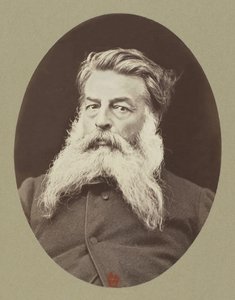
ジャン=ルイ・エルネスト・メイソニエ
1815 - 1891 , フランス
プロフィール概要
- Artistic Movement Or Style: アカデミック美術
- Artists Who Influenced This Artist: ['オランダ絵画の巨匠たち']
- Date Of Birth: 1815年2月21日
- Date Of Death: 1891年1月31日
- Full Name: ジャン=ルイ・エルネスト・メイソニエ
- Nationality: フランス人
- Notable Artworks (List Of Titles):
- ブルジョワ・フランダマン
- チェスの対局
- 宿での休憩
- 乱闘
- ソルフェリーノの皇帝
- Place Of Birth (City And Country): リヨン, フランス

