

 プレビュー
プレビュー
 プリントを購入
 シェアする
シェアする シェアする
シェアする
 詳細を見る
詳細を見る

 ダウンロード
 似ている作品
 X線調査
X線調査 スライドショー
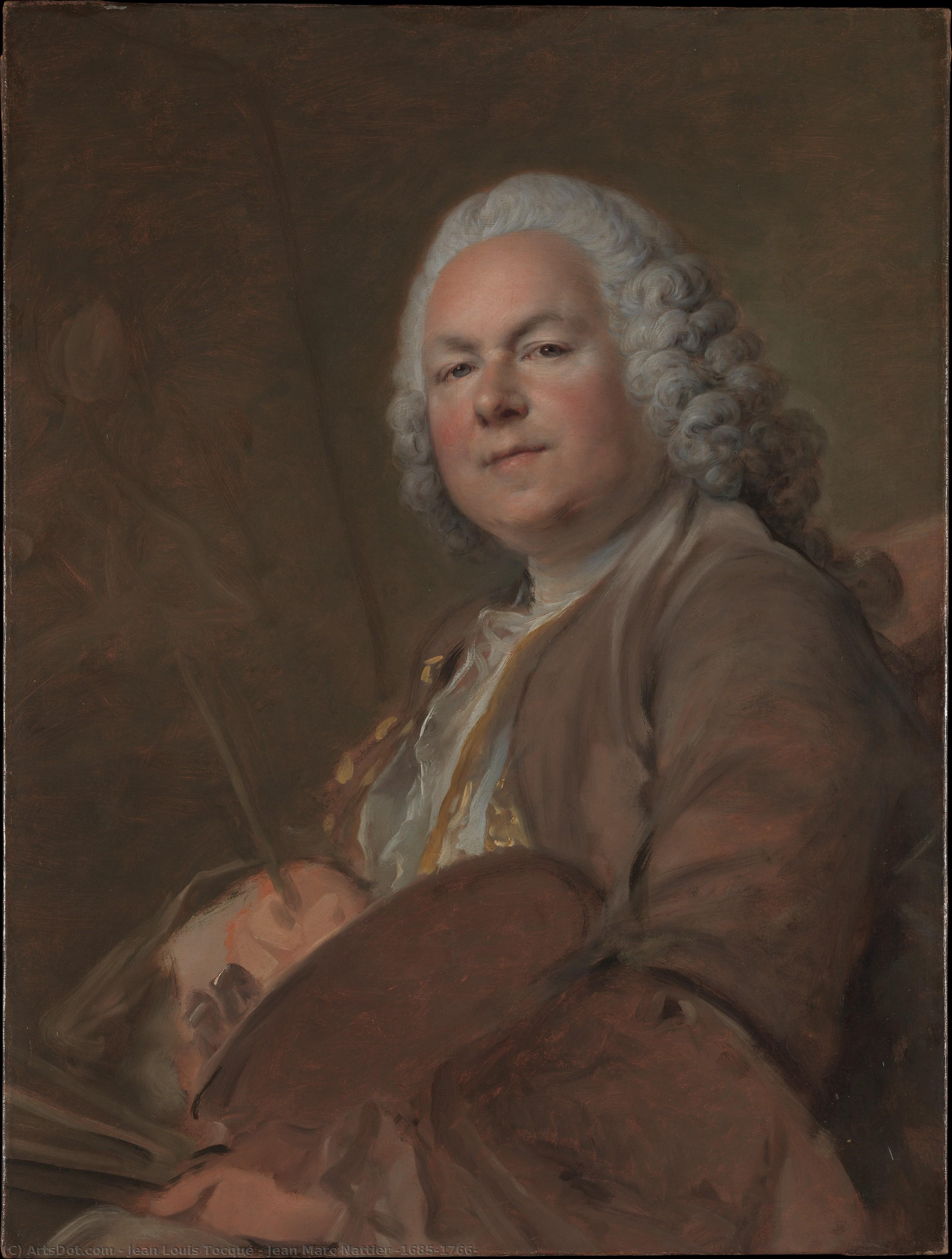
Jean Marc Nattier (1685–1766)
 Acrylic On Canvas
- WallArt
- Rococo
 1740
1740 78.0 x 59.0 cm
 メトロポリタン美術館
 詳細を見る
詳細を見る




P118B $10

P118H $10

P118W $10

P438Z $10

P508JH $12

P508YH $12

P805H $10

P805Z $10

P919BZ $10

P919G $10

P919XJ $10

P959ZH $10

P968JZ $12

W106C $8

W218G $10

W218JH $8

W218Y $10

W307PJ $10

W316G $10

W316PJ $8

W316Y $10

W398PJ $8

W4111J $10

W500HY $15

W500JH $15

W692G $12

W849H $8

W940BG $15

W953PJ $8




作品のオリジナル比率に合わせた、当店の規定サイズからお選びください。

特定のフレームやスペースに合わせて、ご希望のサイズをご入力いただけます。選択されたサイズが元の画像の比率と異なる場合、アートワークをトリミングするか、手描きで要素を追加して絵画を拡張いたします。デジタルモックアップ を制作し、制作開始前にご確認(承認)をいただきます。
画面上のプレビューは、実際のトリミングや拡張を正確に反映しているものではありません。最終的な構図は、モックアップによってのみ正確にご確認いただけます。
カスタムサイズもご利用いただけますが、元の比率を維持するためには、あらかじめ用意されたリストからサイズを選択することをお勧めいたします。
ご注文後、ArtsDot.com チームより詳細な指示をお送りするとともに、仕上がりイメージ(モックアップ)をご提供いたします。


 ガラスオプションは、110cm未満のサイズでのみご利用いただけます。

Jean Marc Nattier (1685–1766)
複製技法
複製画のサイズ
-


合計金額
$ 263
作品解説
A Window into Rococo Elegance: Jean Marc Nattier’s Tocqué
Jean Marc Nattier stands as a cornerstone of French Rococo portraiture, embodying the aristocratic tastes and artistic sensibilities of Louis XV's court. Born in Paris in 1685, he ascended to fame through meticulous observation and masterful execution—a testament to his dedication to capturing not merely likenesses but also the very essence of his subjects’ character.
- Subject Matter: Nattier's oeuvre primarily focused on depicting ladies of high social standing, often adorned in mythological costumes that served as a conduit for conveying moral virtue and refined intellect. The portrait presented here showcases Jean Louis Tocqué, a student and later husband to Nattier’s daughter, offering an intimate glimpse into the artistic milieu of the era.
- Style: Characteristic of Rococo art, this piece exemplifies delicate brushstrokes, pastel hues, and asymmetrical compositions—elements designed to evoke beauty and grace. The artist deliberately eschewed excessive detail in certain areas, notably Tocqué’s hands and palette, recognizing that these elements represent the creative process itself.
Technique and Composition: Embracing Imperfection as Inspiration
Nattier's technique was renowned for its subtlety and precision. He employed a glazing method—applying thin layers of translucent paint over underlying colors—to achieve luminous effects and create depth within the canvas. The unfinished state of Tocqué’s hands and palette isn’t merely stylistic choice; it reflects Nattier’s belief that artistic inspiration often arises from spontaneity and imperfection.
- Glazing Technique: This technique allowed for gradual layering of color, enhancing the vibrancy and richness of the final image.
- Symbolism: The deliberate omission of detail serves as a powerful reminder of the artist’s role—to capture not just what is seen but also what is felt, conveying an aura of contemplation and artistic endeavor.
Historical Context: Patronage and Artistic Recognition
The portrait's significance extends beyond its aesthetic qualities; it embodies the broader cultural landscape of Louis XV’s reign—a period marked by opulent celebrations of royal power and a fervent devotion to artistic excellence. Acceptance into prestigious academies like the Royal Danish Academy underscored Tocqué’s reputation as an artist, securing commissions from influential patrons across Europe.
- Royal Patronage: Nattier benefited greatly from the support of Louis XV and his court, fostering a thriving environment for artistic innovation.
- Academy Recognition: Membership in academies symbolized prestige and validated an artist’s skill—a crucial factor in establishing their career and securing lucrative commissions.
Emotional Resonance: Capturing Character Through Gesture
Despite its understated execution, Tocqué's portrait radiates a palpable sense of dignity and composure. Nattier skillfully captured the sitter’s gaze—a hallmark of Rococo portraiture—suggesting thoughtfulness and inner reflection. The inclusion of the violin symbolizes Tocqué’s musical inclinations and adds to the overall impression of cultivated intellect.
- Gesture: The artist's masterful portrayal of Tocqué’s posture conveys confidence and serenity, reflecting the idealized vision of human character prevalent during the Rococo period.
- Symbolism: The violin serves as a visual metaphor for intellectual pursuits—a testament to Nattier’s ability to infuse his canvases with deeper meaning beyond mere likeness.
関連作品
関連記事
Jean-Marc Nattier: Rococo Portraiture & Aristocratic Patronage
Explore the exquisite Rococo portraits of Jean-Marc Nattier, favored by French aristocracy. Discover his artistic techniques, patronage network, and lasting legacy – a guide for discerning collectors.

The Rococo Aesthetic: Opulence, Rebellion & the Pursuit of Pleasure in 18th-Century Art
Explore the opulent world of Rococo art! Discover its origins, key artists like Watteau & Boucher, and lasting influence on design. Expert insights for collectors & enthusiasts.
From Grandeur to Grace: Exploring the Evolution of Baroque & Rococo Art
Explore the captivating evolution from Baroque's drama to Rococo's grace! Discover key artists, characteristics & lasting influence of these art movements with expert insights at ArtsDot.

華麗なるロココ:芸術史を彩る10大傑作の世界
華麗なるロココ美術の世界へ。バロックから生まれた優雅な芸術、その10大傑作を徹底解説!ブーシェ、フロマンなど巨匠たちの技と物語を紐解き、お部屋を彩るアートを見つけよう。ArtsDot.comで至高の美術館品質レプリカとインテリアアイデアを発見。
The Rococo Style: Aristocratic Leisure & the Pursuit of Delight in 18th-Century Art
Explore the opulent world of Rococo art! Discover Watteau, Boucher & Nattier's masterpieces. Expert insights for collectors seeking museum-quality reproductions and custom portraits at ArtsDot.

