

 プレビュー
プレビュー
 プリントを購入
 シェアする
シェアする シェアする
シェアする
 詳細を見る
詳細を見る

 ダウンロード
 似ている作品
 X線調査
X線調査 スライドショー
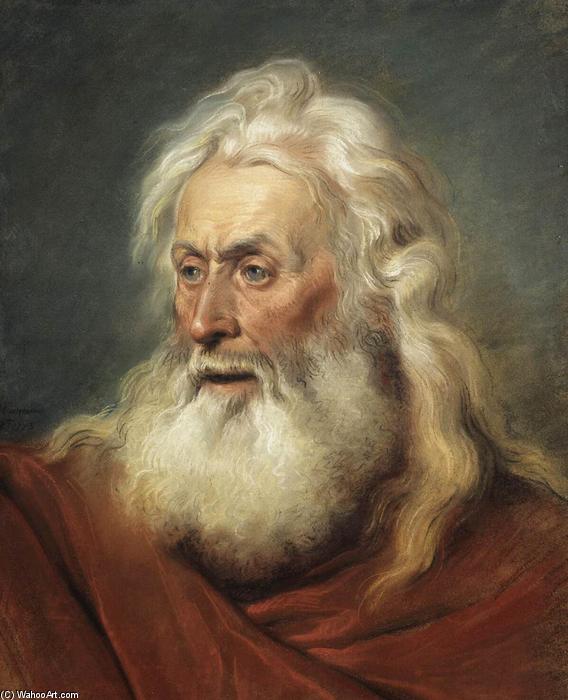
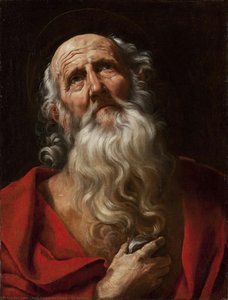
Head of an Apostle
 Pastel
- WallArt
- Symbolist Art
 1773
1773- Early Modern
 60.0 x 50.0 cm
 エルミタージュ美術館
 詳細を見る
詳細を見る
オンラインプレビューをはるかに凌ぐ、高解像度で鮮明なデジタル画像をご購入いただけます。
各ファイルは、社内の専門家が高度なツールと熟練した手作業によるレタッチを用いて、細心の注意を払って準備されています。すべての画像において、卓越した鮮明度、正確な色彩再現性、そして繊細なディテールを保証いたします。
最終ファイルは、プロフェッショナルな編集・印刷環境ですぐにご利用いただけるよう最適化された状態で、72時間以内にメールにてお届けいたします。これは、一流のデザインスタジオ、出版社、ギャラリーから信頼されているものと同等の品質です。
デジタル画像のご注文に付随する特典
高品質なデジタル画像配信を、確かな品質で。
ArtsDot.com を選ぶことは、単に画像を手に入れることではありません。それは、プロの手によって精密に仕上げられ、満足保証が付いた高品質なデジタルアートワークを受け取ることを意味します。ご注文いただいた際に自動的に付随する内容は、以下の通りです:

メールですぐにお届け
ご注文から72時間以内に、高解像度のデジタル画像ファイルがメールでお手元に届きます。すぐにそのままご利用いただけます。

AI技術で最適化されたデジタルファイル
お客様の作品は、高度なAIツールと専門家による手作業の編集を組み合わせてプロフェッショナルに最適化されており、細部のディテール、鮮明さ、そして正確な色再現性を最大限に引き出しています。

一生涯無料の再送サービス
ファイルを誤って削除したり、紛失してしまったりしましたか?ご安心ください。いつでも無料で再送いたします。

輸入手数料は一切かかりません
関税や手数料、配送料を気にすることなく、お気に入りのアートワークをすぐにお楽しみいただけます。デジタルダウンロードは常に免税です。

色彩再現の保証
プロ仕様のツールとカラーマネジメント技術を用いることで、デジタル画像が元の色を最大限に忠実に再現することを保証いたします。

60日間満足保証
ご購入いただいたデジタル画像にご満足いただけない場合は、60日以内であれば、修正または100%の返金(理由を問う必要はありません)をさせていただきます。

100% 返金保証
ご満足いただけない場合は、デジタルファイルを受け取ってから60日以内であれば、理由を問わず全額返金いたします。

まとめ買い割引
3枚購入で10%OFF - 5枚購入で15%OFF - 10枚以上購入で20%OFF。クリエイティブなプロジェクト、ギャラリー、エージェンシーに最適です。
A Soul Captured in Pastel: The Ethereal Presence of an Apostle
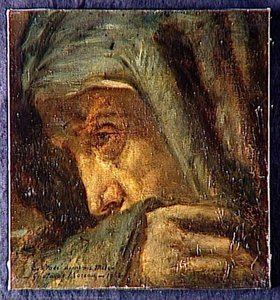
In the quiet, shadowed corners of art history, few mediums possess the ability to capture the flickering light of human emotion quite like pastel. Jean Michel Moreau’s “Head of an Apostle,” completed in 1773, stands as a profound testament to this delicate power. The portrait does not merely present a face; it invites the viewer into a private moment of spiritual introspection. As we gaze upon the apostle, we are met with a countenance etched by wisdom and a palpable sense of sorrow. His deep-set eyes, rendered with remarkable precision, seem to look through the physical realm toward something eternal, while the subtle furrow of his brow suggests an inner struggle between earthly suffering and divine peace. It is a work that transcends simple portraiture, becoming instead a meditation on the weight of faith.
The technical mastery displayed in this piece is nothing short of extraordinary, particularly considering the ephemeral nature of the medium. Moreau utilized pastel crayons to achieve a luminous gradation of tones that oil paints often struggle to replicate. By layering fine pigments, he created a skin texture that feels both remarkably real and hauntingly ethereal. The artist’s deliberate choice to keep the background muted and indistinct serves a vital compositional purpose: it strips away all worldly distractions, forcing an intimate confrontation between the subject and the observer. Every stroke of the pastel contributes to the tactile richness of the work, from the soft, flowing strands of the apostle's white beard to the heavy, dignified folds of his crimson garment, which provides a singular, striking note of color against the surrounding gloom.
Symbolism and the Legacy of the Symbolist Spirit
While the technical execution commands attention, it is the symbolic depth of the work that ensures its enduring relevance for collectors and lovers of fine art. Though Moreau’s life and career are often discussed through the lens of his lineage and his training in the classical traditions of Paris, this particular work anticipates the psychological complexity that would later define the Symbolist movement. The apostle serves as an archetype—a vessel for universal human experiences of contemplation, grief, and reverence. The red drapery, draped heavily over his shoulder, acts as a visual anchor, symbolizing both the passion of his calling and the sacrificial nature of his devotion.
For the discerning interior designer or art enthusiast, "Head of an Apostle" offers more than just aesthetic beauty; it provides a focal point of profound gravity. When placed within a curated space, such as a study, a library, or a sophisticated gallery wall, the painting acts as a silent interlocutor, adding a layer of historical weight and intellectual depth to the environment. It is a piece that rewards prolonged observation, revealing new nuances in its soft shadows and light-drenched highlights each time it is viewed. To possess a reproduction of this masterpiece is to bring a fragment of the Hermitage’s storied collection into one's own home, fostering an atmosphere of timelessness and quiet contemplation.
関連作品
作家の略歴
A Visionary of the Symbolist Soul
Born in the vibrant, intellectual heart of Paris in 1826, Jean Michel Moreau, often remembered as Moreau le Jeune, emerged as a profound architect of the Symbolist imagination. His life and work were deeply embedded in an era that sought to look beneath the surface of reality, moving away from the literalism of naturalism toward the enigmatic realms of dreams and myth. Descended from a lineage of artistic excellence—his father, Louis Gabriel Moreau, was a celebrated painter himself—Jean Michel was destined for a life defined by the brush and the burin. His early training at the École Supérieure des Beaux-Arts provided him with a rigorous foundation in classical sculpture and drawing, yet his spirit always yearned for something more ethereal than the mere imitation of form.
The trajectory of Moreau’s career was irrevocably shaped by his mentorship under the legendary Gustave Moreau. Under this tutelage, he did not merely learn technique; he learned to perceive the unseen. While many of his contemporaries were captivated by the fleeting, sun-drenched moments of Impressionism, Moreau le Jeune turned his gaze inward and backward, toward the ancient, the esoteric, and the psychological. He became a master of conveying subjective truths, utilizing a visual language that favored allegory over observation. His work serves as a bridge between the classical traditions of his training and the burgeoning modern preoccupation with the subconscious mind.
The Language of Symbolism and Myth
To encounter a work by Moreau is to enter a dreamscape where the boundaries between the physical and the spiritual are perpetually blurred. His aesthetic was a deliberate rebellion against the materialism of the late 19th century, seeking instead to capture the essence of myth and folklore. Through his meticulous engravings and evocative paintings, he explored themes that resonated with the philosophical currents of his time, drawing inspiration from the profound works of Nietzsche and the operatic grandeur of Wagner. His compositions often feature enigmatic figures and haunting landscapes that seem to exist in a state of eternal twilight.
The technical mastery of Moreau le Jeune allowed him to breathe life into these abstract concepts. Whether through the delicate precision of an engraving or the rich, atmospheric layers of a painting, he achieved a sense of profound stillness and mystery. His notable works are characterized by:
- Allegorical Depth: The use of mythological creatures and biblical figures to represent complex human emotions and spiritual struggles.
- Atmospheric Color: A palette that favors evocative, often somber tones to evoke a sense of nostalgia and introspection.
- Intricate Detail: A commitment to fine line work and composition that draws the viewer into the intricate textures of his dreamlike worlds.
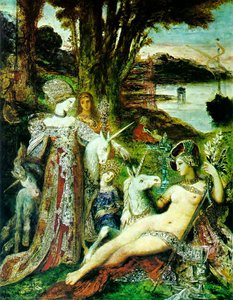
Among his most enduring contributions to the art canon is “The Unicorn,” a piece that exemplifies his ability to marry the fantastical with the tangible, creating an image that lingers in the mind long after the viewer has departed. Similarly, works such as “Head of an Apostle” demonstrate his capacity for intense psychological portraiture, stripping away the external world to reveal the spiritual weight of his subjects.
Legacy and Historical Significance
The historical significance of Jean Michel Moreau lies in his role as a pivotal figure in the development of the Symbolist movement. He helped cultivate an artistic environment where the internal landscape of the human psyche was deemed just as worthy of exploration as the external world. By integrating classical mastery with a modern, subjective sensibility, he paved the way for future generations of artists to explore abstraction and surrealism.
Though his name may sometimes be overshadowed by the more famous Gustave Moreau, the legacy of Moreau le Jeune remains vital. He stands as a testament to the power of art to act as a vessel for the intangible, reminding us that the most profound truths are often found not in what we see with our eyes, but in what we feel within our souls. His life, spanning from the height of French academic tradition to the dawn of modern psychological exploration, remains a cornerstone of 19th-century European art.
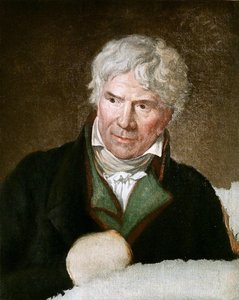
jean michel moreau (moreau le jeune)
1826 - 1898 , France
プロフィール概要
- Artistic Movement Or Style: Symbolist Art
- Artists Who Influenced This Artist: ['Gustave Moreau']
- Date Of Birth: Paris, France (1826)
- Full Name: Jean Michel Moreau le jeune
- Nationality: French
- Notable Artworks:
- Head of an Apostle
- Banquet Given in the Presence of the King
- The Toilet of Bathsheba
- Place Of Birth: Paris

