

 プレビュー
プレビュー
 プリントを購入
 シェアする
シェアする シェアする
シェアする
 詳細を見る
詳細を見る

 ダウンロード
 似ている作品
 X線調査
X線調査 スライドショー
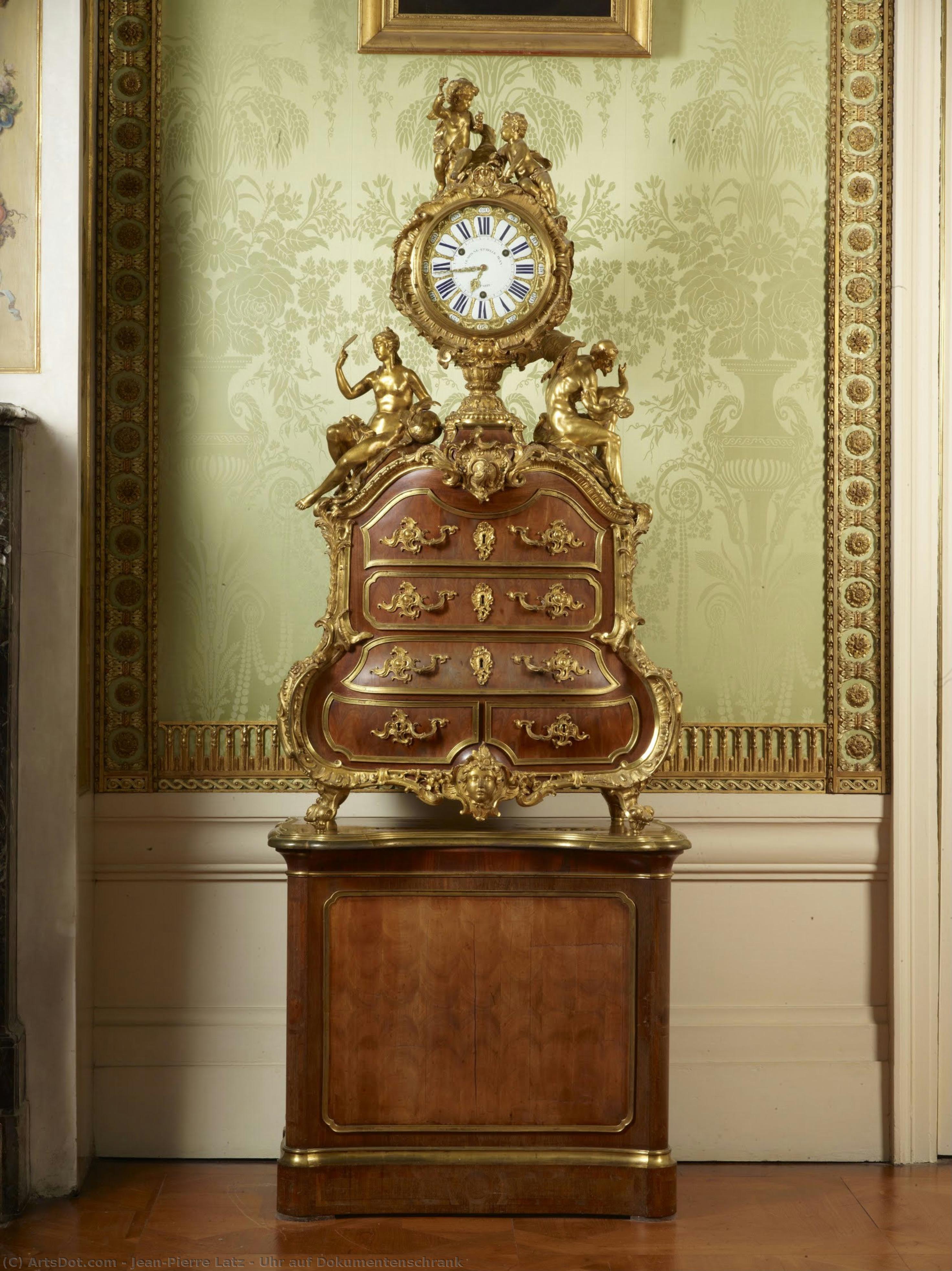
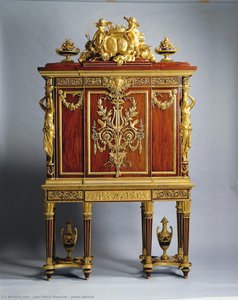
Uhr auf Dokumentenschrank
 Acrylic
- WallArt
- Rococo
 1746
1746 245.0 x 90.0 cm
 Sanssouci Palace
 詳細を見る
詳細を見る




P118B $10

P118H $10

P118W $10

P438Z $10

P508JH $12

P508YH $12

P805H $10

P805Z $10

P919BZ $10

P919G $10

P919XJ $10

P959ZH $10

P968JZ $12

W106C $8

W218G $10

W218JH $8

W218Y $10

W307PJ $10

W316G $10

W316PJ $8

W316Y $10

W398PJ $8

W4111J $10

W500HY $15

W500JH $15

W692G $12

W849H $8

W940BG $15

W953PJ $8




作品のオリジナル比率に合わせた、当店の規定サイズからお選びください。

特定のフレームやスペースに合わせて、ご希望のサイズをご入力いただけます。選択されたサイズが元の画像の比率と異なる場合、アートワークをトリミングするか、手描きで要素を追加して絵画を拡張いたします。デジタルモックアップ を制作し、制作開始前にご確認(承認)をいただきます。
画面上のプレビューは、実際のトリミングや拡張を正確に反映しているものではありません。最終的な構図は、モックアップによってのみ正確にご確認いただけます。
カスタムサイズもご利用いただけますが、元の比率を維持するためには、あらかじめ用意されたリストからサイズを選択することをお勧めいたします。
ご注文後、ArtsDot.com チームより詳細な指示をお送りするとともに、仕上がりイメージ(モックアップ)をご提供いたします。


 ガラスオプションは、110cm未満のサイズでのみご利用いただけます。

Uhr auf Dokumentenschrank
複製技法
複製画のサイズ
-


合計金額
$ 263
作品解説
関連作品
![Three Studies Of A Woman's Head And A Study Of Hands [recto], — ワトー, Rococo Style](/media/artworks/images-thumb/65/73/65730255a762c06e3235059db7ffcb5f.jpg)
アーティストの略歴
The Sculptor of Parisian Rococo Elegance
Jean-Pierre Latz stands as a pivotal figure in the history of French furniture craftsmanship during the reign of Louis XV, embodying the zenith of Rococo style and demonstrating unparalleled technical skill. Born near Cologne, Germany, around 1691, his early life remains shrouded in relative obscurity, yet he swiftly ascended to prominence within Paris’s vibrant artisan community. He established himself as one of the most celebrated ébénistes—royal cabinetmakers—of his era, leaving a legacy that endures not merely for the beauty of his creations but also for his role in shaping the very trends of the decorative arts.
Latz’s formative years were spent honing his craft in Cologne, where he received training as a cabinetmaker, a profession deeply rooted in Germanic tradition. Driven by ambition and the allure of opportunity, he relocated to Paris around 1719, immersing himself in the cosmopolitan atmosphere of the French capital and joining the prestigious guild of artisans. This decisive move proved instrumental in propelling his career forward, allowing him to collaborate with influential patrons and gain access to innovative materials and techniques. Within a decade, Latz had secured a position as ébéniste privilégié du roi—a royal appointment granting him exclusive privileges—underscoring the immense esteem accorded to his artistry by the French court.
A Master of Material and Motion
The furniture produced by Latz is instantly recognizable for its distinctive Rococo aesthetic, characterized by exuberant ornamentation and a masterful fusion of sculptural form and delicate inlay work. Unlike earlier styles that prioritized rigid functionality, Latz embraced the Rococo impulse toward theatricality and sensory delight. He skillfully employed richly figured tropical veneers—such as satinwood, rosewood, ebony, tulipwood, amarante, and purpleheart—to create surfaces that seemed to dance with light. His technique often featured distinctive end-grain cuts, adding a layer of complex texture to his marquetry.
What truly elevated Latz's work was his ability to treat wood as if it were malleable sculpture. He combined these exotic veneers with meticulously crafted gilt-bronze mounts that served both as structural reinforcement and as breathtaking ornamentation. These bold, sculptural bronze elements often depicted flowing floral motifs and leafy sprays, complementing the intricate marquetry patterns. His mastery extended beyond traditional cabinetry into the creation of lacquered pieces and even extraordinary musical furniture, such as his renowned marquetry organ, which demonstrated his ability to marry complex mechanical engineering with high art.
A Royal Legacy and Historical Significance
The historical significance of Jean-Pierre Latz lies in his ability to translate the shifting tastes of the Enlightenment into tangible, luxurious objects. His work was not merely decorative; it was a statement of status and a window into the refined sensibilities of the 18th-century elite. One of his most legendary achievements is the Bureau Plat, often referred to as the French desk of Frederick II, King of Prussia. Created around 1745, this exquisite piece serves as a profound link to a monarch's personal space and remains a testament to the refined tastes that bridged the gap between the French and Prussian courts.
Throughout his career, Latz’s influence resonated through the halls of European palaces, from the splendor of Versailles to the intimate chambers of Sanssouci. His contributions can be summarized by several key pillars of his artistry:
- Technical Innovation: The seamless integration of heavy gilt-bronze mounts with delicate tropical wood veneers.
- Stylistic Mastery: The perfection of the Rococo aesthetic, characterized by asymmetry, flowing curves, and organic motifs.
- Royal Patronage: His status as a preferred craftsman for the most powerful monarchs in Europe, including Louis XV and Frederick the Great.
- Material Artistry: The pioneering use of exotic woods like amarante and tulipwood to create depth and movement in furniture surfaces.
By the time of his death in Paris on August 4, 1754, Latz had left an indelible mark on the history of decorative arts. He transformed the role of the cabinetmaker from a mere craftsman into a true artist, ensuring that the furniture of the Rococo era would be remembered as a pinnacle of human creativity and elegance.
Jean-Pierre Latz
1754 , Germany
基本情報
- Artistic Movement Or Style: Rococo
- Artists Or Movements Influenced By This Artist: ['François Boucher']
- Date Of Birth: c. 1691
- Date Of Death: 1754
- Full Name: Jean-Pierre Latz
- Nationality: German
- Notable Artworks:
- Uhr auf Dokumentenschrank
- Regal Parlor Organ
- Französischer Schreibtisch Friedrichs des Großen
- Place Of Birth: Cologne, Germany
関連記事
ルノワール傑作25選:光と色彩が織りなす印象派の華麗なる世界 | ArtsDot
ルノワールの傑作25選🎨 印象派の光と色彩が輝く世界へ。絵画の背景、技法、そして時代を超えて愛される理由を紐解きます。ArtsDotで高品質な複製画やインテリアアートを見つけ、お部屋に芸術的な彩りを✨ Explore the full collection online!

華麗なるロココ:芸術史を彩る10大傑作の世界
華麗なるロココ美術の世界へ。バロックから生まれた優雅な芸術、その10大傑作を徹底解説!ブーシェ、フロマンなど巨匠たちの技と物語を紐解き、お部屋を彩るアートを見つけよう。ArtsDot.comで至高の美術館品質レプリカとインテリアアイデアを発見。

The Rococo Aesthetic: Opulence, Rebellion & the Pursuit of Pleasure in 18th-Century Art
Explore the opulent world of Rococo art! Discover its origins, key artists like Watteau & Boucher, and lasting influence on design. Expert insights for collectors & enthusiasts.
Jean-Baptiste Pater: Rococo Charm & Ephemeral Beauty of 18th-Century France
Explore the captivating world of Jean-Baptiste Pater, a master of Rococo painting. Discover his elegant *fête galante* scenes and shimmering portraits – a glimpse into 18th-century French aristocracy. Learn about his legacy & find high-quality reproductions.
The Rococo Style: Aristocratic Leisure & the Pursuit of Delight in 18th-Century Art
Explore the opulent world of Rococo art! Discover Watteau, Boucher & Nattier's masterpieces. Expert insights for collectors seeking museum-quality reproductions and custom portraits at ArtsDot.

