

 プレビュー
プレビュー
 プリントを購入
 シェアする
シェアする シェアする
シェアする
 詳細を見る
詳細を見る

 ダウンロード
 似ている作品
 X線調査
X線調査 スライドショー
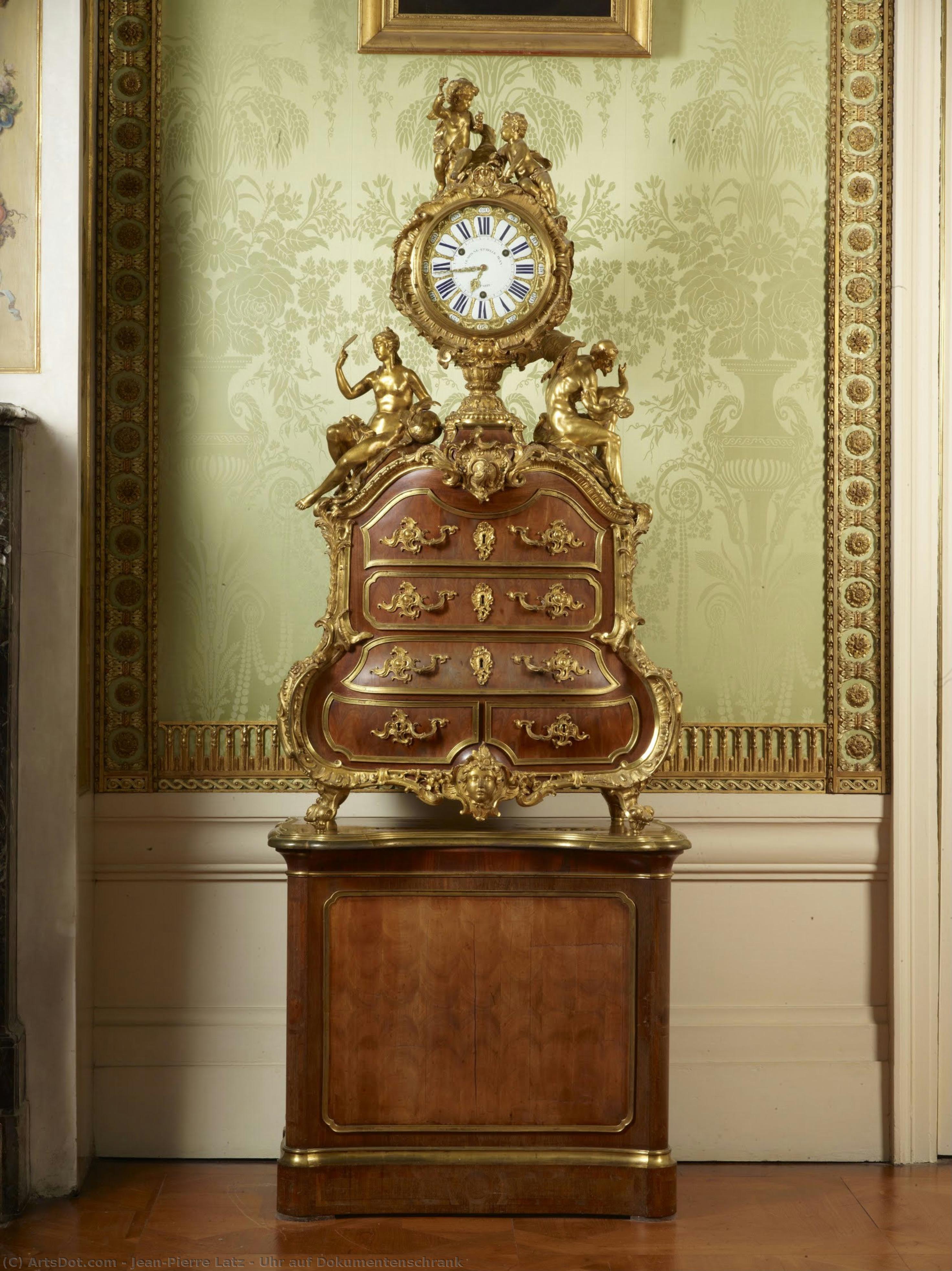
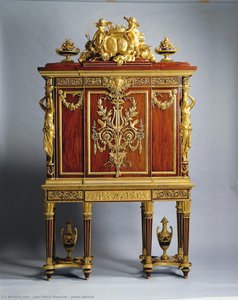
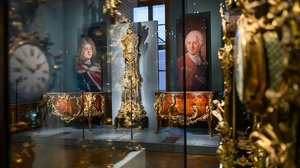
Uhr auf Dokumentenschrank
 Acrylic
- WallArt
- Rococo
 1746
1746 245.0 x 90.0 cm
 Sanssouci Palace
 詳細を見る
詳細を見る
オンラインプレビューをはるかに凌ぐ、高解像度で鮮明なデジタル画像をご購入いただけます。
各ファイルは、社内の専門家が高度なツールと熟練した手作業によるレタッチを用いて、細心の注意を払って準備されています。すべての画像において、卓越した鮮明度、正確な色彩再現性、そして繊細なディテールを保証いたします。
最終ファイルは、プロフェッショナルな編集・印刷環境ですぐにご利用いただけるよう最適化された状態で、72時間以内にメールにてお届けいたします。これは、一流のデザインスタジオ、出版社、ギャラリーから信頼されているものと同等の品質です。
デジタル画像のご注文に付随する特典
高品質なデジタル画像配信を、確かな品質で。
ArtsDot.com を選ぶことは、単に画像を手に入れることではありません。それは、プロの手によって精密に仕上げられ、満足保証が付いた高品質なデジタルアートワークを受け取ることを意味します。ご注文いただいた際に自動的に付随する内容は、以下の通りです:

メールですぐにお届け
ご注文から72時間以内に、高解像度のデジタル画像ファイルがメールでお手元に届きます。すぐにそのままご利用いただけます。

AI技術で最適化されたデジタルファイル
お客様の作品は、高度なAIツールと専門家による手作業の編集を組み合わせてプロフェッショナルに最適化されており、細部のディテール、鮮明さ、そして正確な色再現性を最大限に引き出しています。

一生涯無料の再送サービス
ファイルを誤って削除したり、紛失してしまったりしましたか?ご安心ください。いつでも無料で再送いたします。

輸入手数料は一切かかりません
関税や手数料、配送料を気にすることなく、お気に入りのアートワークをすぐにお楽しみいただけます。デジタルダウンロードは常に免税です。

色彩再現の保証
プロ仕様のツールとカラーマネジメント技術を用いることで、デジタル画像が元の色を最大限に忠実に再現することを保証いたします。

60日間満足保証
ご購入いただいたデジタル画像にご満足いただけない場合は、60日以内であれば、修正または100%の返金(理由を問う必要はありません)をさせていただきます。

100% 返金保証
ご満足いただけない場合は、デジタルファイルを受け取ってから60日以内であれば、理由を問わず全額返金いたします。

まとめ買い割引
3枚購入で10%OFF - 5枚購入で15%OFF - 10枚以上購入で20%OFF。クリエイティブなプロジェクト、ギャラリー、エージェンシーに最適です。
作品の詳細
関連作品

![Three Studies Of A Woman's Head And A Study Of Hands [recto], — ワトー, Rococo Style](/media/artworks/images-thumb/65/73/65730255a762c06e3235059db7ffcb5f.jpg)
作家の略歴
The Sculptor of Parisian Rococo Elegance
Jean-Pierre Latz stands as a pivotal figure in the history of French furniture craftsmanship during the reign of Louis XV, embodying the zenith of Rococo style and demonstrating unparalleled technical skill. Born near Cologne, Germany, around 1691, his early life remains shrouded in relative obscurity, yet he swiftly ascended to prominence within Paris’s vibrant artisan community. He established himself as one of the most celebrated ébénistes—royal cabinetmakers—of his era, leaving a legacy that endures not merely for the beauty of his creations but also for his role in shaping the very trends of the decorative arts.
Latz’s formative years were spent honing his craft in Cologne, where he received training as a cabinetmaker, a profession deeply rooted in Germanic tradition. Driven by ambition and the allure of opportunity, he relocated to Paris around 1719, immersing himself in the cosmopolitan atmosphere of the French capital and joining the prestigious guild of artisans. This decisive move proved instrumental in propelling his career forward, allowing him to collaborate with influential patrons and gain access to innovative materials and techniques. Within a decade, Latz had secured a position as ébéniste privilégié du roi—a royal appointment granting him exclusive privileges—underscoring the immense esteem accorded to his artistry by the French court.
A Master of Material and Motion
The furniture produced by Latz is instantly recognizable for its distinctive Rococo aesthetic, characterized by exuberant ornamentation and a masterful fusion of sculptural form and delicate inlay work. Unlike earlier styles that prioritized rigid functionality, Latz embraced the Rococo impulse toward theatricality and sensory delight. He skillfully employed richly figured tropical veneers—such as satinwood, rosewood, ebony, tulipwood, amarante, and purpleheart—to create surfaces that seemed to dance with light. His technique often featured distinctive end-grain cuts, adding a layer of complex texture to his marquetry.
What truly elevated Latz's work was his ability to treat wood as if it were malleable sculpture. He combined these exotic veneers with meticulously crafted gilt-bronze mounts that served both as structural reinforcement and as breathtaking ornamentation. These bold, sculptural bronze elements often depicted flowing floral motifs and leafy sprays, complementing the intricate marquetry patterns. His mastery extended beyond traditional cabinetry into the creation of lacquered pieces and even extraordinary musical furniture, such as his renowned marquetry organ, which demonstrated his ability to marry complex mechanical engineering with high art.
A Royal Legacy and Historical Significance
The historical significance of Jean-Pierre Latz lies in his ability to translate the shifting tastes of the Enlightenment into tangible, luxurious objects. His work was not merely decorative; it was a statement of status and a window into the refined sensibilities of the 18th-century elite. One of his most legendary achievements is the Bureau Plat, often referred to as the French desk of Frederick II, King of Prussia. Created around 1745, this exquisite piece serves as a profound link to a monarch's personal space and remains a testament to the refined tastes that bridged the gap between the French and Prussian courts.
Throughout his career, Latz’s influence resonated through the halls of European palaces, from the splendor of Versailles to the intimate chambers of Sanssouci. His contributions can be summarized by several key pillars of his artistry:
- Technical Innovation: The seamless integration of heavy gilt-bronze mounts with delicate tropical wood veneers.
- Stylistic Mastery: The perfection of the Rococo aesthetic, characterized by asymmetry, flowing curves, and organic motifs.
- Royal Patronage: His status as a preferred craftsman for the most powerful monarchs in Europe, including Louis XV and Frederick the Great.
- Material Artistry: The pioneering use of exotic woods like amarante and tulipwood to create depth and movement in furniture surfaces.
By the time of his death in Paris on August 4, 1754, Latz had left an indelible mark on the history of decorative arts. He transformed the role of the cabinetmaker from a mere craftsman into a true artist, ensuring that the furniture of the Rococo era would be remembered as a pinnacle of human creativity and elegance.
Jean-Pierre Latz
1754 , Germany
プロフィール概要
- Artistic Movement Or Style: Rococo
- Artists Or Movements Influenced By This Artist: ['François Boucher']
- Date Of Birth: c. 1691
- Date Of Death: 1754
- Full Name: Jean-Pierre Latz
- Nationality: German
- Notable Artworks:
- Uhr auf Dokumentenschrank
- Regal Parlor Organ
- Französischer Schreibtisch Friedrichs des Großen
- Place Of Birth: Cologne, Germany

