

 プレビュー
プレビュー
 シェアする
シェアする シェアする
シェアする
 詳細を見る
詳細を見る

 ダウンロード
 似ている作品
 X線調査
X線調査 スライドショー
 統計情報
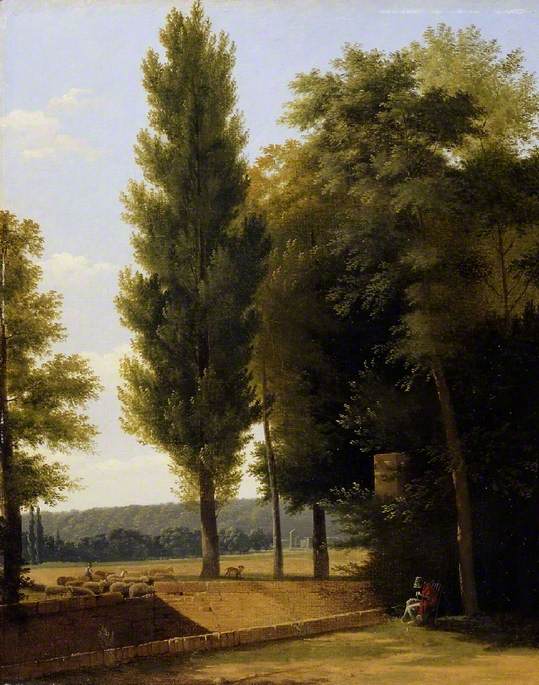
統計情報Landscape with Sheep and a Woman Sewing
 Oil On Canvas
- WallArt
- Romantic Landscape
 1805
1805 41.0 x 31.0 cm
 Fitzwilliam College
 詳細を見る
詳細を見る
オンラインプレビューをはるかに凌ぐ、高解像度で鮮明なデジタル画像をご購入いただけます。
各ファイルは、社内の専門家が高度なツールと熟練した手作業によるレタッチを用いて、細心の注意を払って準備されています。すべての画像において、卓越した鮮明度、正確な色彩再現性、そして繊細なディテールを保証いたします。
最終ファイルは、プロフェッショナルな編集・印刷環境ですぐにご利用いただけるよう最適化された状態で、72時間以内にメールにてお届けいたします。これは、一流のデザインスタジオ、出版社、ギャラリーから信頼されているものと同等の品質です。
デジタルアート
個人での鑑賞、印刷、クリエイティブなプロジェクト用に、高解像度ファイルをダウンロードできます。 ( プリント版に切り替え 手描きの絵画を購入)
デジタル画像のご注文に付随する特典
高品質なデジタル画像配信を、確かな品質で。
ArtsDot.com を選ぶことは、単に画像を手に入れることではありません。それは、プロの手によって精密に仕上げられ、満足保証が付いた高品質なデジタルアートワークを受け取ることを意味します。ご注文いただいた際に自動的に付随する内容は、以下の通りです:

メールですぐにお届け
ご注文から72時間以内に、高解像度のデジタル画像ファイルがメールでお手元に届きます。すぐにそのままご利用いただけます。

AI技術で最適化されたデジタルファイル
お客様の作品は、高度なAIツールと専門家による手作業の編集を組み合わせてプロフェッショナルに最適化されており、細部のディテール、鮮明さ、そして正確な色再現性を最大限に引き出しています。

一生涯無料の再送サービス
ファイルを誤って削除したり、紛失してしまったりしましたか?ご安心ください。いつでも無料で再送いたします。

輸入手数料は一切かかりません
関税や手数料、配送料を気にすることなく、お気に入りのアートワークをすぐにお楽しみいただけます。デジタルダウンロードは常に免税です。

色彩再現の保証
プロ仕様のツールとカラーマネジメント技術を用いることで、デジタル画像が元の色を最大限に忠実に再現することを保証いたします。

100日間満足保証
ご購入いただいたデジタル画像にご満足いただけない場合は、100日以内であれば、理由を問わず修正または100%の返金対応をさせていただきます。

100% 返金保証
ご満足いただけない場合は、デジタルファイルを受け取ってから100日以内であれば、理由を問わず全額返金いたします。

まとめ買い割引
3枚購入で10%OFF - 5枚購入で15%OFF - 10枚以上購入で20%OFF。クリエイティブなプロジェクト、ギャラリー、エージェンシーに最適です。
Jean-Victor Bertin’s “Landscape with Sheep and a Woman Sewing” – A Moment of Classical Reverie
Jean-Victor Bertin's "Landscape with Sheep and a Woman Sewing," painted circa 1805, isn't merely a depiction of a pastoral scene; it’s a carefully constructed tableau designed to evoke the serenity and intellectual contemplation associated with classical antiquity. Bertin, a student of Pierre-Henri de Valenciennes, skillfully blended the burgeoning Romantic sensibility with a rigorous adherence to Neoclassical principles, creating an image that feels both deeply rooted in tradition and subtly imbued with a sense of quiet introspection. The painting transports us to a sun-drenched hillside, where the muted tones of the landscape—ochres, greens, and blues—establish a harmonious balance, mirroring the idealized beauty championed by artists like Valenciennes.
The composition itself is meticulously arranged. A woman, seated on a simple bench beneath a spreading tree, engages in the quiet act of sewing. Her posture suggests contentment and absorption, while her presence anchors the scene with an element of human connection within the vastness of nature. Scattered across the foreground are several sheep, rendered with a delicate attention to detail that speaks to Bertin’s mastery of observation. They aren't simply livestock; they contribute to the overall sense of tranquility and reinforce the painting’s theme of harmonious coexistence between humanity and the natural world. The inclusion of a chair and potted plant adds subtle domesticity, hinting at a retreat from the outside world into a space of peaceful contemplation.
A Study in Light and Color – Bertin's Technique
Bertin’s technique is characterized by a remarkable restraint and a deep understanding of color theory. He employs a limited palette—primarily earth tones—to create a sense of atmospheric depth and luminosity. The light, diffused and warm, seems to emanate from an unseen source, bathing the scene in a soft glow. Notice how he uses subtle gradations of tone to model the forms of the sheep, the tree branches, and the woman’s garments, creating a convincing illusion of three-dimensionality. Bertin's brushwork is smooth and controlled, reflecting his commitment to classical precision. He avoids dramatic contrasts or overly expressive gestures, opting instead for a more understated approach that emphasizes the beauty of observation and restraint.
The painting’s surface possesses a remarkable sheen, achieved through careful layering of thin glazes of oil paint. This technique not only enhances the luminosity but also contributes to the overall sense of depth and atmosphere. The meticulous detail evident in the rendering of the sheep's wool and the woman’s hands speaks to Bertin’s dedication to capturing the nuances of texture and form.
Historical Context and Symbolism
“Landscape with Sheep and a Woman Sewing” was created during a period of significant social and political upheaval in France—the aftermath of the French Revolution. Despite the turbulence of the era, artists like Bertin sought to create works that offered solace and inspiration through the celebration of beauty and harmony. The painting’s emphasis on nature, contemplation, and human connection can be interpreted as a reaction against the chaos and violence of the revolution, representing a yearning for stability and order.
The woman sewing holds particular symbolic significance. It's a timeless image—a representation of domesticity, industry, and the quiet dignity of everyday life. The act of sewing itself is laden with meaning, suggesting creation, repair, and the continuity of tradition. It’s a subtle reminder that even in the midst of grand landscapes and idealized scenes, the simple pleasures of human existence are equally worthy of celebration.
A Legacy of Classical Reverie
Jean-Victor Bertin's "Landscape with Sheep and a Woman Sewing" stands as a testament to his skill as a landscape painter and his deep appreciation for classical art. It’s a painting that invites the viewer to slow down, observe carefully, and contemplate the beauty of the natural world—a timeless reminder of the enduring power of art to transport us to another place and time.
関連作品
作家の略歴
A Master of Classical Reverie: The World of Jean-Victor Bertin
Jean-Victor Bertin, a name perhaps less immediately recognized than some of his contemporaries, occupies a significant and fascinating niche in the landscape painting of late 18th and early 19th century France. Born in Paris in 1767, Bertin’s artistic journey unfolded against a backdrop of revolutionary upheaval and shifting aesthetic ideals. He wasn't merely documenting scenery; he was crafting evocative atmospheres steeped in classical allusion and imbued with a distinctly Romantic sensibility. His canvases weren’t simply views, but portals to imagined worlds where the grandeur of antiquity resonated within the natural world.
Bertin’s formal training began under Pierre-Henri de Valenciennes, a pivotal figure in establishing landscape painting as a respected genre within the French Académie Royale de Peinture et de Sculpture. Valenciennes instilled in his pupil a rigorous approach to observation and composition, emphasizing direct study from nature – a practice that would become central to Bertin’s method. In 1785, he furthered his education under Gabriel-François Doyen, solidifying his academic foundation. This early grounding proved crucial as Bertin navigated the competitive landscape of the Salon exhibitions, participating regularly from 1793 until his death in 1842. His work consistently demonstrated a mastery of technique and an unwavering commitment to classical principles, even as artistic tastes began to evolve.
Influences and Artistic Development
The shadow of Nicolas Poussin looms large over Bertin’s oeuvre. Poussin's influence is not merely stylistic; it represents a philosophical alignment with the ideals of order, clarity, and intellectual rigor that characterized classical art. Bertin absorbed Poussin’s penchant for carefully constructed compositions, populated with architectural ruins and figures engaged in contemplative activities. However, Bertin didn’t simply imitate his predecessor. He infused Poussin's cool rationality with a burgeoning Romantic sensibility – a heightened emotional response to nature and a fascination with the sublime. His landscapes are not cold or sterile; they possess an atmospheric depth and a sense of melancholy that foreshadow the Romantic movement’s embrace of emotion and individual experience.
Bertin’s travels, particularly his inspiration drawn from Italy, played a crucial role in shaping his artistic vision. The Italian landscape – with its ancient ruins, dramatic light, and evocative atmosphere – provided him with a wealth of motifs and themes. He wasn't interested in simply replicating the scenery; he sought to capture the *spirit* of these places, imbuing them with historical resonance and emotional weight. This is evident in works like Paysage, where Roman ruins are seamlessly integrated into a sweeping vista, creating a sense of timelessness and poetic contemplation.
Recognition and Legacy
Bertin’s talent was recognized during his lifetime, though perhaps not to the extent it deserved. He received a ‘prix d'encouragement’ in 1799, followed by a first-class gold medal in 1808 – accolades that affirmed his standing within the artistic establishment. In 1822, he was honored with the Légion d'honneur, a testament to his contributions to French art. Despite these honors, Bertin faced financial difficulties in his later years, continuing to paint and exhibit even as his circumstances became more challenging.
Beyond his own artistic achievements, Bertin’s legacy lies in his role as a teacher. He mentored several prominent artists who would go on to shape the course of French painting, including Michallon, Cogniet, Boisselier, and perhaps most notably, Jean-Baptiste Camille Corot. He instilled in these students not only technical skill but also a deep appreciation for the classical tradition and a commitment to direct observation from nature. His influence can be seen in their works – a shared emphasis on composition, atmosphere, and a reverence for the natural world.
A Lasting Impression
Bertin’s paintings, such as Classical Landscape and Le château de la Reine Blanche aux étangs de Commelles, continue to captivate viewers with their serene beauty and evocative power. They offer a glimpse into a world where classical ideals coexist harmoniously with Romantic sensibilities – a testament to Bertin’s unique artistic vision. He stands as a bridge between two eras, embodying the transition from Neoclassicism to Romanticism while remaining firmly rooted in the traditions of French landscape painting. His work reminds us of the enduring power of art to transport us to other times and places, inviting us to contemplate the beauty and mystery of the world around us.
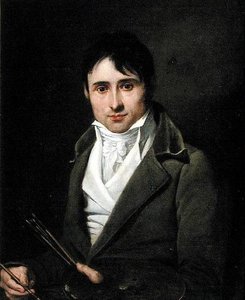
Jean-Victor Bertin
1767 - 1842 , France
プロフィール概要
- Artistic Movement Or Style: Neoclassicism, Romanticism
- Artists Or Movements Influenced By This Artist:
- Michallon
- Cogniet
- Boisselier
- Corot
- Artists Who Influenced This Artist: ['Nicolas Poussin']
- Date Of Birth: 1767
- Date Of Death: 1842
- Full Name: Jean-Victor Bertin
- Nationality: French
- Notable Artworks:
- Festival of Pan
- Offering to Venus
- Cicero's return
- Flight of Angelica
- Festival of Bacchus
- Place Of Birth: Paris, France