 プレビュー
プレビュー
 プリントを購入
 シェアする
シェアする シェアする
シェアする
 詳細を見る
詳細を見る

 ダウンロード
 似ている作品
 X線調査
X線調査 スライドショー
レ・ヴオユ ア ラ マドヌ」


 詳細を見る
詳細を見る




P118B $10

P118H $10

P118W $10

P438Z $10

P508JH $12

P508YH $12

P805H $10

P805Z $10

P919BZ $10

P919G $10

P919XJ $10

P959ZH $10

P968JZ $12

W106C $8

W218G $10

W218JH $8

W218Y $10

W307PJ $10

W316G $10

W316PJ $8

W316Y $10

W398PJ $8

W4111J $10

W500HY $15

W500JH $15

W692G $12

W849H $8

W940BG $15

W953PJ $8




作品のオリジナル比率に合わせた、当店の規定サイズからお選びください。

特定のフレームやスペースに合わせて、ご希望のサイズをご入力いただけます。選択されたサイズが元の画像の比率と異なる場合、アートワークをトリミングするか、手描きで要素を追加して絵画を拡張いたします。デジタルモックアップ を制作し、制作開始前にご確認(承認)をいただきます。
画面上のプレビューは、実際のトリミングや拡張を正確に反映しているものではありません。最終的な構図は、モックアップによってのみ正確にご確認いただけます。
カスタムサイズもご利用いただけますが、元の比率を維持するためには、あらかじめ用意されたリストからサイズを選択することをお勧めいたします。
ご注文後、ArtsDot.com チームより詳細な指示をお送りするとともに、仕上がりイメージ(モックアップ)をご提供いたします。


 ガラスオプションは、110cm未満のサイズでのみご利用いただけます。

レ・ヴオユ ア ラ マドヌ」
複製技法
複製画のサイズ
-


合計金額
$ 438
作品解説
LE VOEU A LA MADONE:フランスロマン主義の洗練された祈りの表現
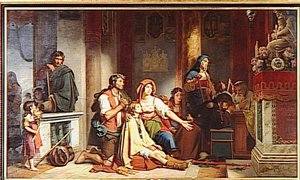
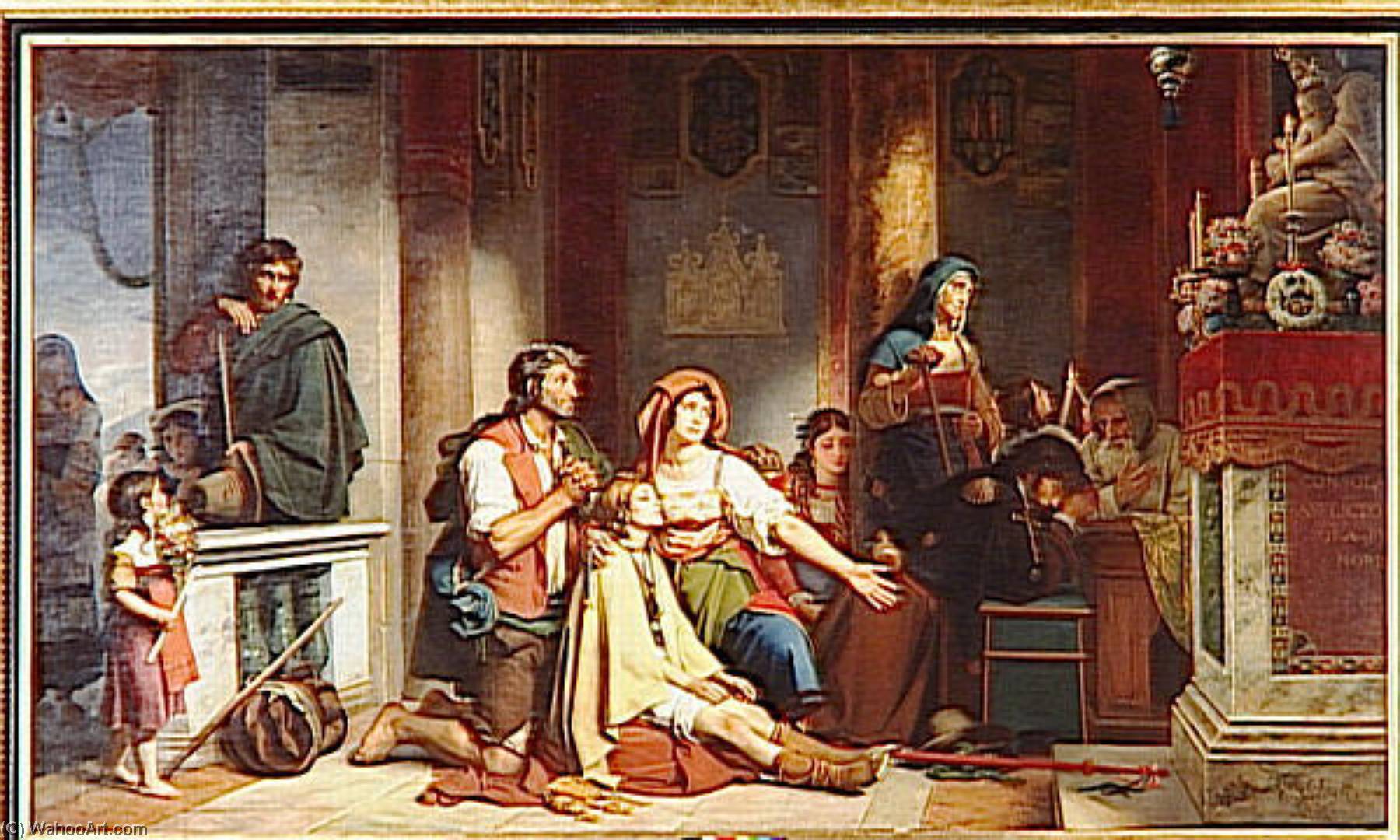
フランスロマン主義の芸術家ジャン・ヴィクトル・シュネッツが描いた作品「LE VOEU A LA MADONE」は、1831年に制作され、アカデミズムスタイルで知られています。この絵画は、聖母マリアへの祈りを捧げる人々が集まる宗教的な場面を描き出し、その構成は活気があり、周囲の空間に奥行きと動きを与えています。特に印象的なのは、暗い照明効果によるコントラストであり、信仰心を表現する上で重要な役割を果たしています。絵画全体の色調は暖色系のエメラルドグリーンやゴールドを基調とし、古風な雰囲気と荘厳さを醸し出しています。シュネッツの作品は、当時のフランス美術におけるロマン主義の影響を受けながらも、古典的な絵画技法を継承しており、その繊細さと力強い表現力が特徴です。「LE VOEU A LA MADONE」は、聖母マリアへの祈りを捧げる人々が描かれた場面であり、信仰と希望の象徴として見る人に感動を与えます。この作品は、特にイタリア女性たちが祈っている姿が印象的で、当時の社会情勢や宗教的な価値観を反映しています。絵画技法としては、油彩による層重ねとグラデーションを用いることで、光の表現に優れています。これは、当時の画家たちにとって重要な技術であり、「LE VOEU A LA MADONE」の美しい色彩と質感を生み出す上で欠かせない要素でした。この作品は、聖母マリアへの祈りを捧げる人々が描かれた場面であり、その宗教的なテーマは現代においても多くの人々に感動を与え続けています。絵画技法は古典的な絵画技法を継承しており、シュネッツの芸術家としての才能と技術を示すとともに、当時の美術界におけるロマン主義の影響力を物語っています。- スタイル:アカデミズムスタイル
- 技法:油彩による層重ねとグラデーション
- 時代背景:フランスロマン主義時代(1830年代)
- 象徴性:聖母マリアへの祈り、信仰と希望の表現
- 感情的インパクト:見る人に感動と畏敬の念を与える宗教的な場面
関連作品
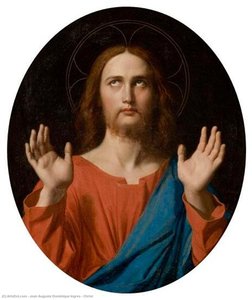
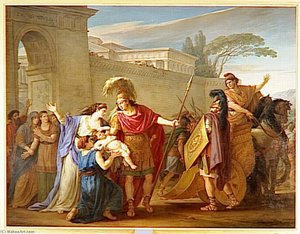
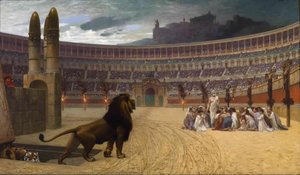
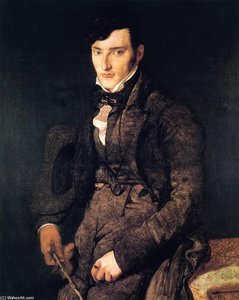
アーティストの略歴
The Master of History: The Life and Legacy of Jean-Victor Schnetz
In the grand tapestry of nineteenth-century French art, few threads are as intricately woven between the disciplined precision of Neoclassicism and the turbulent passion of Romanticism as those belonging to Jean-Victor Schnetz. Born on April 14, 1787, in the regal surroundings of Versailles, Schnetz emerged from an era defined by monumental shifts in political and aesthetic thought. His early artistic formation was profoundly shaped by the shadow of the legendary Jacques-Louis David, the titan of Neoclassicism. Under David’s rigorous tutelage, Schnetz mastered the art of anatomical accuracy, balanced composition, and a certain sculptural clarity that would remain a hallmark of his technical prowess throughout his long career.
As the decades progressed, however, the rigid structures of the Davidian school began to yield to a more emotive and dramatic sensibility. Schnetz proved himself not merely a student of tradition but a versatile visionary capable of navigating this profound stylistic evolution. While his foundational training instilled in him a meticulous attention to detail—evident in works such as “LE VOEU A LA MADONNE”—his heart increasingly beat in rhythm with the Romantic movement. He began to infuse his canvases with a sense of narrative urgency and emotional depth, moving away from static idealism toward the capturing of fleeting, high-stakes moments in human history.
A Career of Grandeur and Institutional Eminence
The trajectory of Schnetz’s life was marked by significant professional triumphs that elevated him to the highest echelons of the French art world. His ability to blend historical accuracy with dramatic flair earned him the respect of royal patrons and secured his place in the most prestigious galleries of Europe. His works found permanent homes in institutions that remain pillars of cultural heritage today, including the Louvre Museum and the Petit Palais in Paris.
Beyond the easel, Schnetz was a pivotal figure in the institutional life of French art. His influence extended far beyond his own brushstrokes through several key roles:
- Academic Recognition: His election to the Académie des Beaux-Arts in 1837 served as a formal validation of his mastery and standing among his peers.
- Leadership in Rome: Serving twice as the Director of the French Academy in Rome (1841–1846 and 1853–1866), he acted as a vital mentor to a new generation of painters, fostering an environment where classical tradition could meet modern innovation.
- National Honors: His contributions to French culture were recognized with the prestigious Legion of Honor, receiving both the Knight’s Cross in 1825 and the Commander’s Cross in 1866.
The Narrative Canvas: Historical Depth and Emotional Resonance
To gaze upon a Schnetz painting is to witness history unfolding with theatrical intensity. His oeuvre is characterized by a profound dedication to historical and genre scenes, often focusing on pivotal European milestones. He possessed a unique ability to transform a mere chronicle of events into a living, breathing drama. One of his most evocative achievements is “The Battle for the Town Hall,” painted in 1830, which captures the raw, chaotic energy of the July Revolution with an emotional charge that resonates long after the viewer has turned away.
His technical approach often utilized oil on canvas to create rich textures and deep, atmospheric lighting, a technique that allowed him to bridge the gap between the clarity of his Neoclassical roots and the moody, chiaroscuro-driven aesthetics of Romanticism. Whether depicting the solemnity of a monarch receiving an envoy or the frantic movement of a battlefield, Schnetz maintained a sense of dignity and structural integrity. His legacy remains that of a painter who did not merely record the past but breathed life into it, ensuring that the triumphs and tribulations of history were preserved through the lens of profound human emotion.
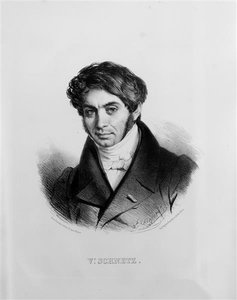
jean victor schnetz
1787 - 1870 , France
基本情報
- Artistic Movement Or Style: Academic Painter
- Artists Or Movements Influenced By This Artist: ['Romanticism']
- Artists Who Influenced This Artist: ['Jacques-Louis David']
- Date Of Birth: Versailles, France (1787)
- Date Of Death: 1870
- Full Name: Jean Victor Schnetz
- Nationality: French
- Notable Artworks:
- The Battle for the Town Hall, 28 July 1830
- LE VOEU A LA MADONE
- Place Of Birth: Versailles
関連記事
Sacred Narratives Embodied: A Comprehensive Exploration of Religious Iconography in Art History
Explore the rich history of religious iconography in art! Discover symbolism, movements & masterpieces from Byzantine to Renaissance periods. Expert insights for collectors and enthusiasts at ArtsDot.
Academic Realism's Finest: 10 Masterpieces for Art Lovers & Home Decor
Explore 10 defining Academic Realism masterpieces by Bouguereau, Gérôme & Cabanel. Discover the stories behind these iconic paintings and bring timeless art into your home with museum-quality reproductions from ArtsDot.com. Explore the full collection online!
Romantic Realism's Finest: 10 Masterpieces for Your Home | ArtsDot
Explore 10 defining masterpieces of Romantic Realism! Discover Courbet, Millet & Daumier's powerful paintings—capturing emotion and social realities. Find museum-quality reproductions for your home at ArtsDot.com.
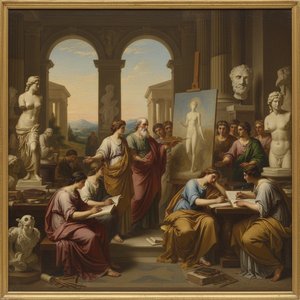
Academic Art: Tradition, Technique & the Pursuit of Ideal Form in the 19th Century
Explore the world of Academic Art! Discover its history, key artists like Ingres & Bouguereau, defining techniques, and lasting influence on 19th-century painting. Learn about the Salon system and its legacy.
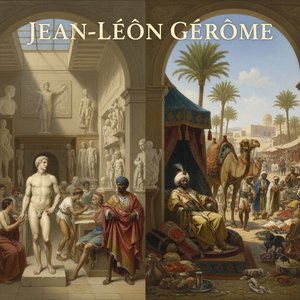
Jean-Léon Gérôme: Academic Rigor & Orientalist Visions Shaping 19th-Century French Painting
Explore the captivating world of Jean-Léon Gérôme, a master of 19th-century academic painting & orientalism. Discover his historical works, artistic techniques, and lasting influence on art history.