

 プレビュー
プレビュー
 シェアする
シェアする シェアする
シェアする
 詳細を見る
詳細を見る

 ダウンロード
 似ている作品
 X線調査
X線調査 スライドショー
 統計情報
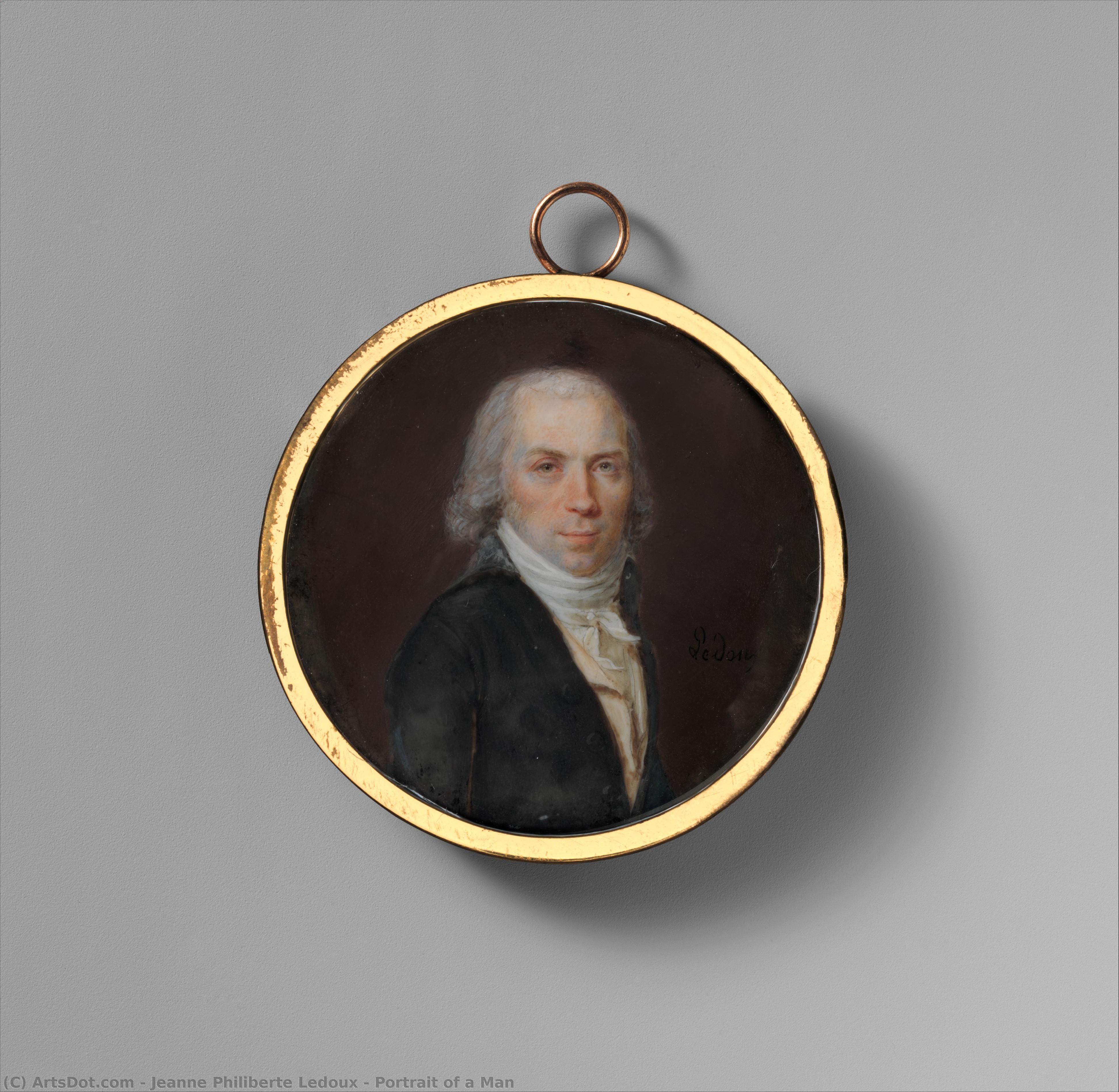
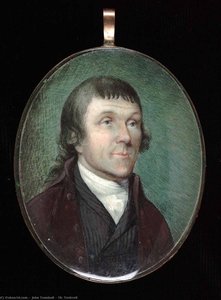
統計情報Portrait of a Man


 詳細を見る
詳細を見る
オンラインプレビューをはるかに凌ぐ、高解像度で鮮明なデジタル画像をご購入いただけます。
各ファイルは、社内の専門家が高度なツールと熟練した手作業によるレタッチを用いて、細心の注意を払って準備されています。すべての画像において、卓越した鮮明度、正確な色彩再現性、そして繊細なディテールを保証いたします。
最終ファイルは、プロフェッショナルな編集・印刷環境ですぐにご利用いただけるよう最適化された状態で、72時間以内にメールにてお届けいたします。これは、一流のデザインスタジオ、出版社、ギャラリーから信頼されているものと同等の品質です。
デジタルアート
個人での鑑賞、印刷、クリエイティブなプロジェクト用に、高解像度ファイルをダウンロードできます。 ( プリント版に切り替え 手描きの絵画を購入)
デジタル画像のご注文に付随する特典
高品質なデジタル画像配信を、確かな品質で。
ArtsDot.com を選ぶことは、単に画像を手に入れることではありません。それは、プロの手によって精密に仕上げられ、満足保証が付いた高品質なデジタルアートワークを受け取ることを意味します。ご注文いただいた際に自動的に付随する内容は、以下の通りです:

メールですぐにお届け
ご注文から72時間以内に、高解像度のデジタル画像ファイルがメールでお手元に届きます。すぐにそのままご利用いただけます。

AI技術で最適化されたデジタルファイル
お客様の作品は、高度なAIツールと専門家による手作業の編集を組み合わせてプロフェッショナルに最適化されており、細部のディテール、鮮明さ、そして正確な色再現性を最大限に引き出しています。

一生涯無料の再送サービス
ファイルを誤って削除したり、紛失してしまったりしましたか?ご安心ください。いつでも無料で再送いたします。

輸入手数料は一切かかりません
関税や手数料、配送料を気にすることなく、お気に入りのアートワークをすぐにお楽しみいただけます。デジタルダウンロードは常に免税です。

色彩再現の保証
プロ仕様のツールとカラーマネジメント技術を用いることで、デジタル画像が元の色を最大限に忠実に再現することを保証いたします。

100日間満足保証
ご購入いただいたデジタル画像にご満足いただけない場合は、100日以内であれば、理由を問わず修正または100%の返金対応をさせていただきます。

100% 返金保証
ご満足いただけない場合は、デジタルファイルを受け取ってから100日以内であれば、理由を問わず全額返金いたします。

まとめ買い割引
3枚購入で10%OFF - 5枚購入で15%OFF - 10枚以上購入で20%OFF。クリエイティブなプロジェクト、ギャラリー、エージェンシーに最適です。
関連作品
作家の略歴
A Delicate Brushstroke in a Tumultuous Era: The Life and Art of Jeanne-Philiberte Ledoux
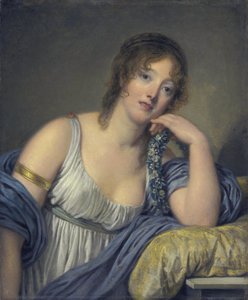
Jeanne-Philiberte Ledoux, born in Paris in 1767, emerged as a painter during a period defined by radical change. Her life spanned the final years of the Ancien Régime, the upheaval of the French Revolution, and the rise and fall of Napoleon’s Empire—a backdrop that profoundly shaped not only her artistic sensibilities but also the opportunities available to a woman pursuing a career in painting. While historical records remain fragmented, piecing together Ledoux's story reveals a determined artist who navigated societal constraints with grace and talent, leaving behind a body of work characterized by delicate miniatures, intimate portraits, and a subtle emotional depth that sets her apart from many of her contemporaries. Her early artistic education began under the tutelage of her father, Claude-Nicolas Ledoux, an architect renowned for his visionary neoclassical designs—a formative experience that instilled in her an appreciation for form, structure, and the ideals of Enlightenment thought. However, it was Jean-Baptiste Greuze who would become her primary influence, guiding her hand towards a style steeped in realism and psychological nuance.The Salon Years: Establishing a Presence
Ledoux first exhibited publicly at the Salon in 1793, a pivotal moment for any aspiring artist of the time. Presenting three paintings—Painting at Rest, Little Girls at a Crossroads, and Concealed Love—she immediately signaled her artistic inclinations: a preference for genre scenes imbued with quiet emotion, rather than grand historical narratives or formal portraiture of the elite. This was a strategic choice, perhaps dictated by circumstance but also reflective of her own aesthetic leanings. The Revolution had temporarily loosened the rigid constraints imposed by the Académie royale des peintures et sculptures, allowing women greater access to exhibition spaces. Ledoux seized this opportunity, becoming a frequent exhibitor at the Salons for nearly three decades, until 1819. Her consistent presence—a remarkable feat given the challenges faced by female artists—established her as a recognized, though often overlooked, figure in the Parisian art world. The subjects of her paintings frequently centered around children and young women, rendered with a tenderness and psychological insight that resonated with audiences seeking respite from the political turmoil surrounding them.Greuze’s Influence and Ledoux's Distinct Voice
The impact of Jean-Baptiste Greuze on Ledoux’s artistic development is undeniable. He was celebrated for his ability to capture the emotional lives of ordinary people, particularly in his portraits of young women and children—a style that proved immensely popular during the pre-Revolutionary era. Ledoux absorbed this influence, mastering the techniques of rendering delicate features, expressive gestures, and nuanced emotions. However, she wasn’t merely an imitator. While Greuze often employed moralizing symbolism within his genre scenes, Ledoux tended towards a more subtle approach. Her figures are less didactic, their emotional states conveyed through quiet introspection rather than overt narrative. Ann Sutherland Harris and Linda Nochlin, in their seminal work *Women Artists 1550–1950*, note that Ledoux “exploited the popularity of his head studies of beautiful young women and children, often depicted with animals, whose perfectly rounded features are frequently tinged with melancholy induced by the death of a pet sparrow or the temporary absence of a lover.” This ability to evoke emotion through understated means is perhaps her most defining characteristic.Technique and Subject Matter: A Focus on Intimacy
Ledoux worked primarily in oil and gouache, demonstrating a mastery of both mediums. Her miniatures—small-scale portraits often executed on ivory—are particularly noteworthy for their exquisite detail and delicate rendering of light and shadow. These works showcase her technical skill and her ability to capture the likenesses of her sitters with remarkable precision. However, it is in her larger oil paintings that her artistic voice truly shines. Allegory of the Republic, exhibited during the Reign of Terror, exemplifies her unique approach to history painting. While adhering to neoclassical principles of composition and symbolism, Ledoux imbues the figure of the Republic with a vulnerability and humanity rarely seen in the works of her male contemporaries. Her later portraits—such as *Portrait of Greuze*—reveal a shift towards a more informal style, characterized by simplified compositions and expressive brushwork. This willingness to experiment and adapt demonstrates her artistic curiosity and her desire to move beyond mere imitation.Historical Significance: Rediscovering a Forgotten Talent
Jeanne-Philiberte Ledoux’s career was ultimately overshadowed by the broader historical forces that marginalized women artists in the 19th century. After the Restoration, opportunities for female painters diminished, and many were relegated to the realm of amateur artistry. Her death in 1840 passed largely unnoticed, and her work faded into obscurity. However, recent scholarship has begun to redress this imbalance, recognizing Ledoux as a significant figure in French art history.- Her consistent exhibition record at the Salons demonstrates her determination and professional commitment.
- Her unique blend of neoclassical rigor and emotional intimacy sets her apart from many of her contemporaries.
- Her work provides valuable insights into the lives and experiences of women artists during a period of profound social and political change.
jeanne-philiberte ledoux
1767 - 1840 , France
プロフィール概要
- Artistic Movement Or Style: Miniature & Portraiture
- Artists Who Influenced This Artist: ['Jean-Baptiste Greuze']
- Date Of Birth: 1767
- Date Of Death: 1840
- Full Name: Jeanne-Philiberte Ledoux
- Nationality: French
- Notable Artworks:
- Painting at Rest
- Little Girls at a Crossroads
- Concealed Love
- Portrait of a Man
- Place Of Birth: Paris, France