

 プレビュー
プレビュー
 プリントを購入
 シェアする
シェアする シェアする
シェアする
 詳細を見る
詳細を見る

 ダウンロード
 似ている作品
 X線調査
X線調査 スライドショー
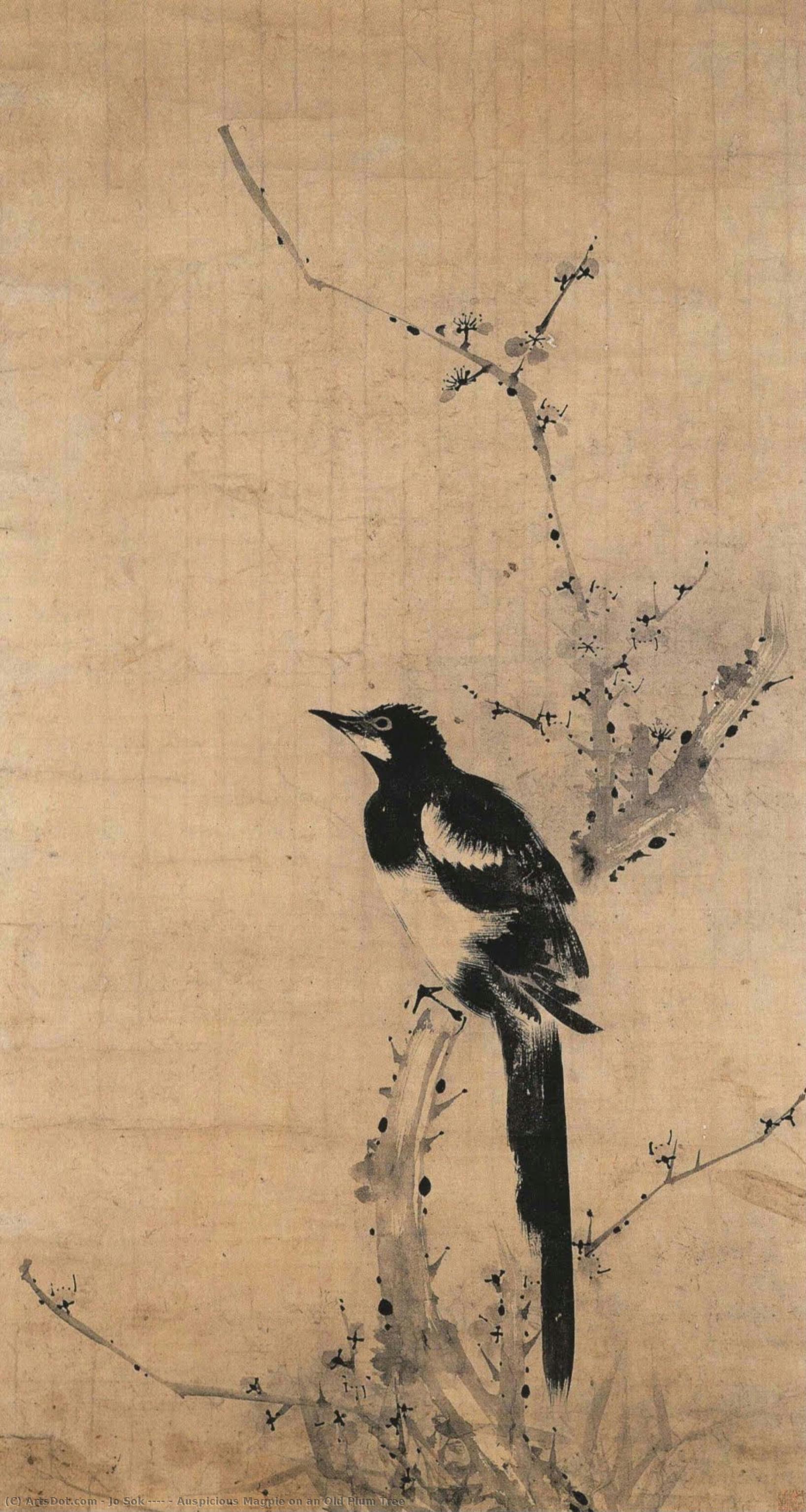
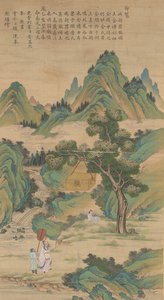
古梅樹に佇む吉祥烏鴉
 キャンバスにアクリル絵具
- ウォールアート
- Baroque Style
 55.0 x 100.0 cm
 国立中央博物館
 詳細を見る
詳細を見る
オンラインプレビューをはるかに凌ぐ、高解像度で鮮明なデジタル画像をご購入いただけます。
各ファイルは、社内の専門家が高度なツールと熟練した手作業によるレタッチを用いて、細心の注意を払って準備されています。すべての画像において、卓越した鮮明度、正確な色彩再現性、そして繊細なディテールを保証いたします。
最終ファイルは、プロフェッショナルな編集・印刷環境ですぐにご利用いただけるよう最適化された状態で、72時間以内にメールにてお届けいたします。これは、一流のデザインスタジオ、出版社、ギャラリーから信頼されているものと同等の品質です。
デジタル画像のご注文に付随する特典
高品質なデジタル画像配信を、確かな品質で。
ArtsDot.com を選ぶことは、単に画像を手に入れることではありません。それは、プロの手によって精密に仕上げられ、満足保証が付いた高品質なデジタルアートワークを受け取ることを意味します。ご注文いただいた際に自動的に付随する内容は、以下の通りです:

メールですぐにお届け
ご注文から72時間以内に、高解像度のデジタル画像ファイルがメールでお手元に届きます。すぐにそのままご利用いただけます。

AI技術で最適化されたデジタルファイル
お客様の作品は、高度なAIツールと専門家による手作業の編集を組み合わせてプロフェッショナルに最適化されており、細部のディテール、鮮明さ、そして正確な色再現性を最大限に引き出しています。

一生涯無料の再送サービス
ファイルを誤って削除したり、紛失してしまったりしましたか?ご安心ください。いつでも無料で再送いたします。

輸入手数料は一切かかりません
関税や手数料、配送料を気にすることなく、お気に入りのアートワークをすぐにお楽しみいただけます。デジタルダウンロードは常に免税です。

色彩再現の保証
プロ仕様のツールとカラーマネジメント技術を用いることで、デジタル画像が元の色を最大限に忠実に再現することを保証いたします。

60日間満足保証
ご購入いただいたデジタル画像にご満足いただけない場合は、60日以内であれば、修正または100%の返金(理由を問う必要はありません)をさせていただきます。

100% 返金保証
ご満足いただけない場合は、デジタルファイルを受け取ってから60日以内であれば、理由を問わず全額返金いたします。

まとめ買い割引
3枚購入で10%OFF - 5枚購入で15%OFF - 10枚以上購入で20%OFF。クリエイティブなプロジェクト、ギャラリー、エージェンシーに最適です。
趙涑の「吉祥烏」と古梅樹
ジョ・ソク(趙涑)の作品「吉祥烏」(コウメイジュ)は、韓国美術における重要な傑作の一つです。この絵画は、黒と白で描かれた美しい鳥が古い梅の枝に止まっている様子を捉えたもので、その繊細な表現力と詩的な雰囲気が多くの人々を魅了しています。特に梅の花は中国文化において吉祥の象徴であり、この絵画には豊かな歴史的背景と深い精神性が込められています。作品の概要とスタイル
ジョ・ソクは朝鮮時代の画家で、彼の作品は韓国美術における自然主義的な表現を代表するものです。「吉祥烏」は、細密な観察眼と卓越した技術によって描かれました。黒と白のコントラストが効果的に用いられ、鳥のシルエットを際立たせながら、背景との調和を साधっています。この絵画は、伝統的な韓国絵画技法である水墨画に分類され、簡潔かつ洗練された表現が特徴です。ジョ・ソクの作品は、その静謐さと優美さが多くの人々にとって特別な感動を与えます。技術と構成
ジョ・ソクは特に光と影の表現において驚異的な才能を持っていました。「吉祥烏」では、鳥の羽毛や枝の質感を細部まで描き込み、まるで生きているかのような躍動感を表現しています。この技法は、当時の画家たちに大きな影響を与え、韓国美術における自然主義的な表現を確立する上で重要な役割を果たしました。絵画全体の構成も洗練されており、梅の花と鳥がバランスよく配置され、視覚的に美しい作品となっています。ジョソクの卓越した技術は、「吉祥烏」という作品を通してその真価を発揮しています。歴史的背景と象徴性
この絵画が制作された時代は、朝鮮王朝初期であり、当時の社会情勢や文化的な価値観が反映されています。梅の花は中国文化において長寿や繁栄の象徴であり、「吉祥烏」というタイトルからも、希望と幸福を願う気持ちが込められています。ジョソクは、この絵画を通して自然の美しさと精神的な調和を表現しようとしたと考えられます。「吉祥烏」は単なる鳥の絵画ではなく、韓国美術における歴史的背景と象徴性を理解するための重要な手がかりとなります。インテリアデザインへの応用と感動的な効果
「吉祥烏」のような静謐で美しい絵画は、現代のインテリアデザインにも取り入れられています。特に和室や書斎などにおいて、「吉祥烏」の繊細な色彩と優雅な構図は、空間に落ち着きと調和をもたらし、見る人に深い感動を与えます。この作品は、韓国美術の伝統美を伝えるとともに、現代の人々が求める芸術的な価値を提供しています。ジョソクの「吉祥烏」は、その美しい表現力と精神性が永遠に語り継がれることでしょう。関連作品



作家の略歴
Michelangelo Merisi da Caravaggio: A Life Painted in Shadow and Fire
Michelangelo Merisi da Caravaggio, more famously known simply as Caravaggio, remains one of the most enigmatic and influential figures in art history. Born in Milan in 1571, his life was a whirlwind of dramatic events—a volatile temper, frequent arrests, and a tragically short career—all interwoven with an unparalleled artistic vision that irrevocably altered the course of painting. His legacy rests not just on the beauty of his works but also on their raw emotional intensity, groundbreaking use of light and shadow, and the profound sense of realism he brought to religious subjects.
Caravaggio’s early life was marked by immense loss. Orphaned at the age of eleven following a devastating outbreak of the plague, he spent his formative years in Milan, an experience that profoundly shaped his worldview. He apprenticed under Simone Peterzano, but quickly abandoned conventional techniques, seeking instead to capture the gritty reality of everyday life and human emotion with startling immediacy. This pursuit led him to Rome around 1592, a city teeming with artistic ambition and rife with opportunity – and danger. It was in this vibrant, chaotic environment that Caravaggio’s distinctive style began to take shape.
The Revolutionary Technique: Chiaroscuro and Realism
Caravaggio's genius lay not just in his subject matter but fundamentally in his technique. He pioneered the use of chiaroscuro – a dramatic contrast between light and dark – to create an almost theatrical effect, pulling viewers directly into the heart of his scenes. He eschewed idealized depictions of saints and biblical figures, instead portraying them as ordinary people, often drawn from the streets of Rome—with their wrinkles, dirt, and imperfections. This radical departure from established artistic conventions was initially met with resistance but quickly gained him a devoted following.
His approach to composition was equally innovative. He frequently cropped his scenes tightly, filling the canvas with figures and creating an intimate, almost claustrophobic atmosphere. He employed a technique of *tenebrism*, where dark backgrounds dominate the scene, highlighting key figures in pools of light. This heightened sense of drama and immediacy became the hallmark of his style, influencing generations of artists who followed.
Key Works: A Testament to His Vision
Several paintings exemplify Caravaggio’s revolutionary approach. “The Musicians” (1595), commissioned by Cardinal Francesco Maria del Monte, is a prime example of his pioneering realism and masterful use of chiaroscuro. The painting depicts four male figures engaged in a musical performance, capturing the energy and spontaneity of the scene with remarkable detail. “David with the Head of Goliath” (1609-10) showcases his ability to imbue even violent scenes with profound emotional depth. “The Calling of St. Matthew” (1599-1600), part of the Contarelli Chapel cycle, is perhaps his most famous work, depicting the moment when Christ calls Matthew to follow him. The painting’s dramatic lighting and dynamic composition draw the viewer directly into the scene, creating a powerful sense of immediacy.
A Turbulent Life: Violence, Flight, and Redemption
Caravaggio's life was as turbulent as his art. He possessed a notoriously volatile temper, frequently engaging in brawls and earning numerous arrests for violent behavior. In 1606, he tragically killed a man named Ranuccio Tomassoni during a street fight, an event that led to his flight from Rome and a desperate search for redemption. He spent time in Naples, Sicily, and Malta, continuing to paint prolifically but always under the shadow of his past.
Despite his troubled life, Caravaggio’s artistic reputation continued to grow. He was eventually pardoned and returned to Rome in 1610, where he died shortly thereafter. His death, shrouded in mystery, only added to the legend surrounding this extraordinary artist. His legacy endures as a testament to the power of art to capture human emotion, challenge conventions, and transform our understanding of the world.
Caravaggio’s Influence: A Lasting Impact
Caravaggio's influence on subsequent generations of artists is immeasurable. His innovations in realism, chiaroscuro, and dramatic composition profoundly shaped the development of Baroque painting. Artists such as Rembrandt, Velázquez, and Gentileschi were all deeply influenced by his work. His emphasis on capturing human emotion and portraying everyday people with honesty and intensity continues to resonate with viewers today, solidifying Caravaggio’s place as one of the greatest painters in history.
jo sok (趙涑)
1595 - 1668 , South Korea
プロフィール概要
- Artistic Movement Or Style: Baroque; Tenebrism
- Artists Or Movements Influenced By This Artist: ['Caravaggisti']
- Artists Who Influenced This Artist: ['Caravaggio']
- Date Of Birth: September 29, 1571
- Date Of Death: July 18, 1610
- Full Name: Michelangelo Merisi da Caravaggio
- Nationality: Italian
- Notable Artworks:
- The Musicians
- The Death of the Virgin
- David with the Head of Goliath
- Supper at Emmaus
- Place Of Birth: Milan, Italy

