

 プレビュー
プレビュー
 シェアする
シェアする シェアする
シェアする
 詳細を見る
詳細を見る

 ダウンロード
 似ている作品
 X線調査
X線調査 スライドショー
 Stats
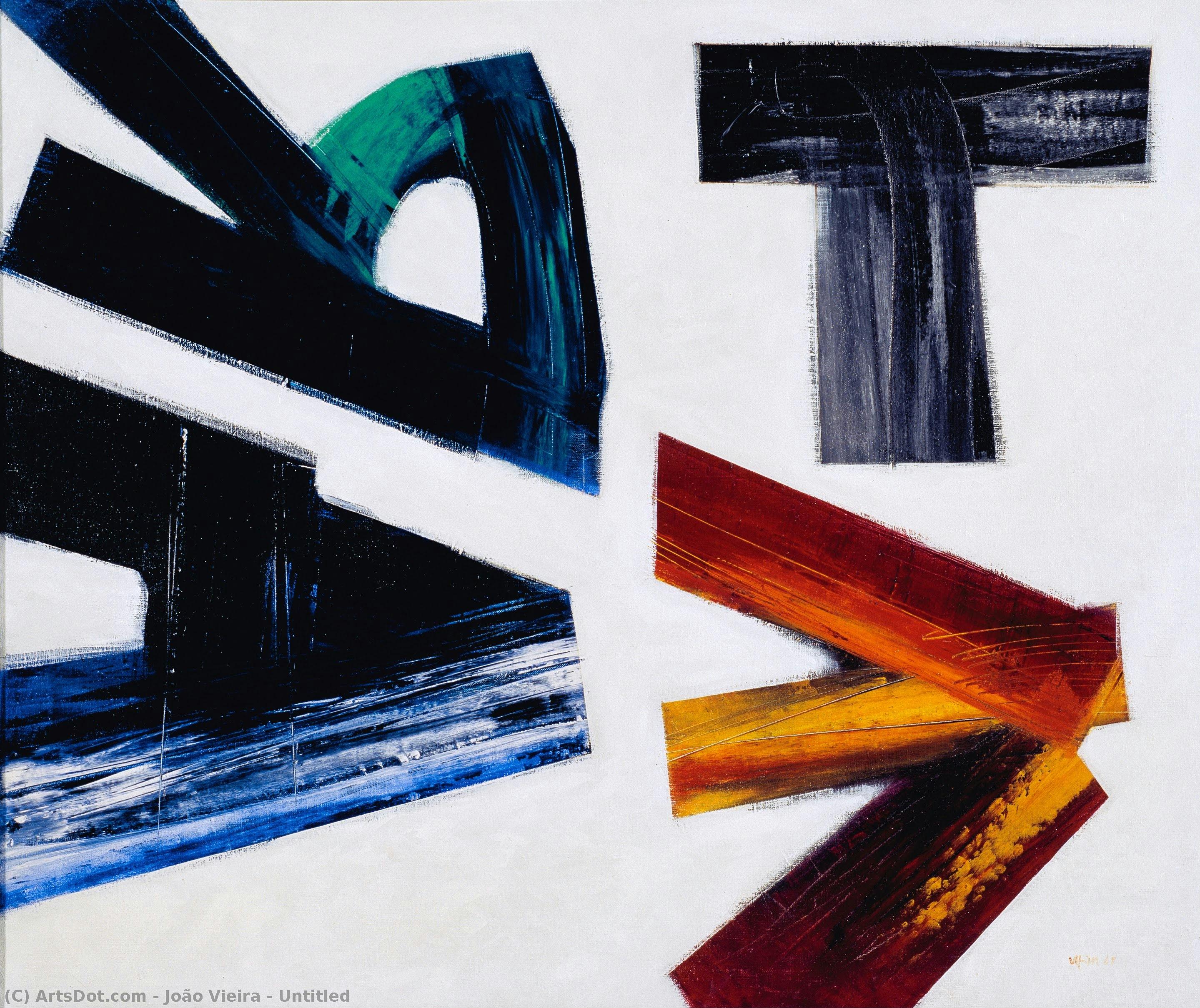
StatsUntitled
 Abstract Expressionism
 1969
1969 100.0 x 120.0 cm
 Culturgest - Fundação Caixa Geral de Depósitos
 詳細を見る
詳細を見る
手描き油彩複製画
当社のアーティストが、お客様のご希望のサイズと額縁に合わせて、キャンバスに手描きで制作する油彩画です。 ( Switch to Print Switch to Digital Image)




































作品のオリジナル比率に合わせた、当店の規定サイズからお選びください。

特定のフレームやスペースに合わせて、ご希望のサイズをご入力いただけます。選択されたサイズが元の画像の比率と異なる場合、アートワークをトリミングするか、手描きで要素を追加して絵画を拡張いたします。デジタルモックアップ を制作し、制作開始前にご確認(承認)をいただきます。
画面上のプレビューは、実際のトリミングや拡張を正確に反映しているものではありません。最終的な構図は、モックアップによってのみ正確にご確認いただけます。
カスタムサイズもご利用いただけますが、元の比率を維持するためには、あらかじめ用意されたリストからサイズを選択することをお勧めいたします。
ご注文後、ArtsDot.com チームより詳細な指示をお送りするとともに、仕上がりイメージ(モックアップ)をご提供いたします。


 ガラスオプションは、110cm未満のサイズでのみご利用いただけます。

Untitled
複製技法
複製画のサイズ
-


合計金額
$ 263
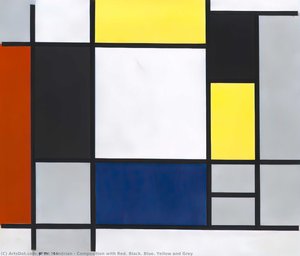
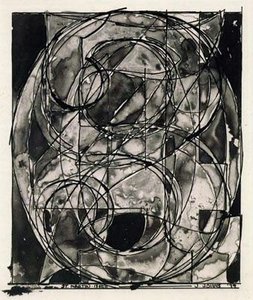
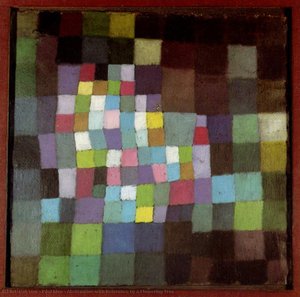
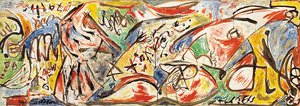
アーティストの略歴
João Vieira: A Painter of Inversion and Erotic Poetry
João Vieira (1934-2009) remains a profoundly enigmatic figure in Portuguese art, an artist whose work defies easy categorization yet consistently pulsates with a raw, visceral energy. Born in Vidago, Portugal, in 1934, his life was marked by a restless exploration of artistic mediums and philosophical concepts, culminating in a unique visual language that blended Lettrism, abstraction, and a deeply personal engagement with the world. Vieira’s trajectory wasn't one of conventional academic training; instead, he forged his path through experimentation, political activism, and a relentless pursuit of challenging established artistic norms. His career spanned six decades, encompassing painting, sculpture, performance art, and literary illustration, each medium serving as a vehicle for exploring themes of inversion, eroticism, and the very nature of perception.Early Years and the Rise of Grupo do Café Gelo
Vieira’s artistic awakening occurred in the mid-1950s, coinciding with the burgeoning Lettrist movement in Europe. This avant-garde group, centered around Tristan Tzara and Georges Bataille, sought to liberate language from its traditional constraints, using it as a primary tool for artistic expression. Inspired by this radical approach, Vieira joined forces with other young artists in Lisbon to form Grupo do Café Gelo (The Ice Café Group) in 1956. This collective, operating out of a modest café above the city’s main square, became a crucible for experimentation and political dissent. The group's name itself – “Gelo” (Ice) – alluded to their desire to break through the frozen conventions of established art and culture. Within Grupo do Café Gelo, Vieira began to develop his distinctive style, characterized by bold colors, gestural brushwork, and a deliberate manipulation of language and typography. His early works, such as “Amor à Italiana” (1969), exemplify this period, employing layered color fields and fragmented letters to create visually arresting compositions that explored themes of inversion and eroticism – concepts he would continually revisit throughout his career.The Influence of Paris and the KWY Group
In 1958, Vieira relocated to Paris, a pivotal moment in his artistic development. The city’s vibrant art scene offered him access to a wider range of influences and techniques. He studied at Henri Goetz's renowned drawing school, absorbing the lessons of artists like Dubuffet, whose use of raw materials and gestural painting profoundly impacted Vieira’s approach. Crucially, he also encountered members of the Spanish Lettrist group *El Paso*, further expanding his artistic vocabulary. However, it was the formation of the KWY Group (Kwy Yndo – “Kwy Indo”) in 1958 that truly defined his Parisian period. This collective, comprised of Vieira himself, Lourdes Castro, Christo, and Jan Voss, pushed the boundaries of experimental art, creating installations, performances, and literary illustrations that challenged conventional notions of artistic creation. The KWY Group’s work was characterized by a playful disregard for established rules, embracing chance, improvisation, and a radical redefinition of the artist's role.Return to Portugal and the Exploration of Spatiality
Returning to Lisbon in 1964, Vieira continued his exploration of spatiality and materiality, moving beyond the purely visual realm. He began incorporating unconventional materials – rigid polyurethane, flexible foams, and car paint – into his work, creating assemblages and environments that engaged with the viewer on a more visceral level. His 1969 painting “Untitled” is a prime example of this shift, featuring bold letters arranged in dynamic forms that evoke a sense of disorientation and intrigue. This period also saw Vieira’s involvement in theatre as a set designer and director, further blurring the boundaries between art forms. He viewed these diverse activities not as separate disciplines but as interconnected explorations of human experience.Legacy and Historical Significance
João Vieira's legacy is one of profound originality and artistic courage. He was a key figure in the Portuguese Lettrist movement, pushing the boundaries of art and challenging established conventions. His work remains remarkably relevant today, offering a powerful commentary on themes of identity, language, and perception. Despite his relative obscurity during much of his career, Vieira’s influence can be seen in the work of numerous contemporary artists who continue to explore experimental approaches to visual communication. His exploration of inversion and eroticism, often intertwined with political critique, provides a unique lens through which to understand the complexities of the human condition. João Vieira died in Lisbon in 2009, leaving behind a body of work that continues to provoke, challenge, and inspire. His paintings are now housed in major museums across Portugal and beyond, ensuring that his singular vision will continue to resonate with audiences for generations to come.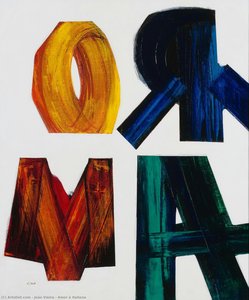
joão vieira
Portugal
基本情報
- Artistic Movement Or Style: Lettrism
- Artists Or Movements Influenced By This Artist: ['KWY Group']
- Artists Who Influenced This Artist: ['Dubuffet']
- Date Of Birth: October 4, 1934
- Date Of Death: September 15, 2009
- Full Name: João Rodrigues Vieira
- Nationality: Portuguese
- Notable Artworks:
- Amor à Italiana
- Untitled
- Place Of Birth: Vidago, Portugal
関連記事
Navigating Abstract Expression: A Guide to Contemporary Movements for Emotional Resonance in Art Selection
Explore the evolution of Abstract Expressionism & discover contemporary movements for emotional resonance. Expert guidance for discerning art collectors seeking lasting value. ArtsDot.
Beyond Representation: Exploring the Emotional Landscape of Abstract Expressionism
Explore the profound emotional world of Abstract Expressionism with ArtsDot. Discover key artists like Pollock & Rothko, learn about collecting, and find museum-quality reproductions to inspire your space.
抽象表現主義を定義する十大傑作:芸術と装飾の深遠な旅
抽象表現主義を定義する10の傑作。ポロック、ロスコら巨匠たちの情熱と色彩の世界へ。各作品に込められた物語と技法を紐解き、至高のアート体験を。ArtsDot.comで、ミュージアムクオリティの複製画や洗練されたインテリアアイデアを発見してください。

幾何学的抽象絵画を定義した傑作10選|アート、アーティスト、インテリア装飾
モンドリアン、マレーヴィチ…幾何学的抽象絵画を代表する傑作10選。各作品の背景や色彩構成、アーティストの情熱に迫ります。美術館品質の複製画はArtsDot.comで。オンラインでアートコレクションをご覧ください。
Kandinsky's Masterpieces: 25 Paintings That Define Abstract Art | ArtsDot
Journey through Wassily Kandinsky's 25 most iconic abstract paintings. Explore his revolutionary use of color, form & spiritual expressionism. Find museum-quality Kandinsky reproductions and elevate your home decor with ArtsDot.com. Discover all masterpieces on ArtsDot.com!