

 プレビュー
プレビュー
 シェアする
シェアする シェアする
シェアする
 詳細を見る
詳細を見る

 ダウンロード
 似ている作品
 X線調査
X線調査 スライドショー
 Stats
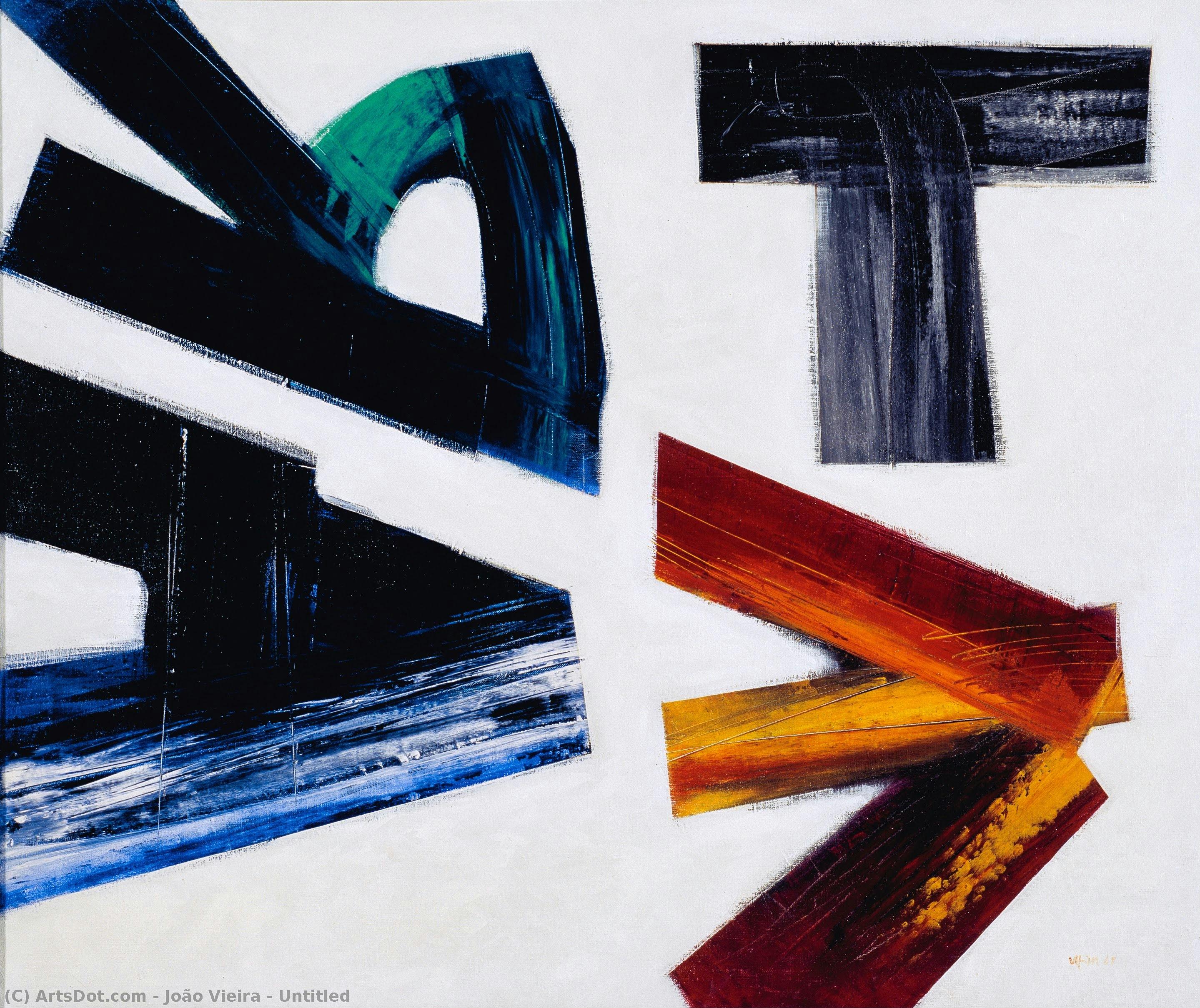
StatsUntitled
 Abstract Expressionism
 1969
1969 100.0 x 120.0 cm
 Culturgest - Fundação Caixa Geral de Depósitos
 詳細を見る
詳細を見る
オンラインプレビューをはるかに凌ぐ、高解像度で鮮明なデジタル画像をご購入いただけます。
各ファイルは、社内の専門家が高度なツールと熟練した手作業によるレタッチを用いて、細心の注意を払って準備されています。すべての画像において、卓越した鮮明度、正確な色彩再現性、そして繊細なディテールを保証いたします。
最終ファイルは、プロフェッショナルな編集・印刷環境ですぐにご利用いただけるよう最適化された状態で、72時間以内にメールにてお届けいたします。これは、一流のデザインスタジオ、出版社、ギャラリーから信頼されているものと同等の品質です。
デジタルアート
個人での鑑賞、印刷、クリエイティブなプロジェクト用に、高解像度ファイルをダウンロードできます。 ( Switch to Print 手描きの絵画を購入)
デジタル画像のご注文に付随する特典
高品質なデジタル画像配信を、確かな品質で。
ArtsDot.com を選ぶことは、単に画像を手に入れることではありません。それは、プロの手によって精密に仕上げられ、満足保証が付いた高品質なデジタルアートワークを受け取ることを意味します。ご注文いただいた際に自動的に付随する内容は、以下の通りです:

メールですぐにお届け
ご注文から72時間以内に、高解像度のデジタル画像ファイルがメールでお手元に届きます。すぐにそのままご利用いただけます。

AI技術で最適化されたデジタルファイル
お客様の作品は、高度なAIツールと専門家による手作業の編集を組み合わせてプロフェッショナルに最適化されており、細部のディテール、鮮明さ、そして正確な色再現性を最大限に引き出しています。

一生涯無料の再送サービス
ファイルを誤って削除したり、紛失してしまったりしましたか?ご安心ください。いつでも無料で再送いたします。

輸入手数料は一切かかりません
関税や手数料、配送料を気にすることなく、お気に入りのアートワークをすぐにお楽しみいただけます。デジタルダウンロードは常に免税です。

色彩再現の保証
プロ仕様のツールとカラーマネジメント技術を用いることで、デジタル画像が元の色を最大限に忠実に再現することを保証いたします。

100日間満足保証
ご購入いただいたデジタル画像にご満足いただけない場合は、100日以内であれば、理由を問わず修正または100%の返金対応をさせていただきます。

100% 返金保証
ご満足いただけない場合は、デジタルファイルを受け取ってから100日以内であれば、理由を問わず全額返金いたします。

まとめ買い割引
3枚購入で10%OFF - 5枚購入で15%OFF - 10枚以上購入で20%OFF。クリエイティブなプロジェクト、ギャラリー、エージェンシーに最適です。
作家の略歴
João Vieira: A Painter of Inversion and Erotic Poetry
João Vieira (1934-2009) remains a profoundly enigmatic figure in Portuguese art, an artist whose work defies easy categorization yet consistently pulsates with a raw, visceral energy. Born in Vidago, Portugal, in 1934, his life was marked by a restless exploration of artistic mediums and philosophical concepts, culminating in a unique visual language that blended Lettrism, abstraction, and a deeply personal engagement with the world. Vieira’s trajectory wasn't one of conventional academic training; instead, he forged his path through experimentation, political activism, and a relentless pursuit of challenging established artistic norms. His career spanned six decades, encompassing painting, sculpture, performance art, and literary illustration, each medium serving as a vehicle for exploring themes of inversion, eroticism, and the very nature of perception.Early Years and the Rise of Grupo do Café Gelo
Vieira’s artistic awakening occurred in the mid-1950s, coinciding with the burgeoning Lettrist movement in Europe. This avant-garde group, centered around Tristan Tzara and Georges Bataille, sought to liberate language from its traditional constraints, using it as a primary tool for artistic expression. Inspired by this radical approach, Vieira joined forces with other young artists in Lisbon to form Grupo do Café Gelo (The Ice Café Group) in 1956. This collective, operating out of a modest café above the city’s main square, became a crucible for experimentation and political dissent. The group's name itself – “Gelo” (Ice) – alluded to their desire to break through the frozen conventions of established art and culture. Within Grupo do Café Gelo, Vieira began to develop his distinctive style, characterized by bold colors, gestural brushwork, and a deliberate manipulation of language and typography. His early works, such as “Amor à Italiana” (1969), exemplify this period, employing layered color fields and fragmented letters to create visually arresting compositions that explored themes of inversion and eroticism – concepts he would continually revisit throughout his career.The Influence of Paris and the KWY Group
In 1958, Vieira relocated to Paris, a pivotal moment in his artistic development. The city’s vibrant art scene offered him access to a wider range of influences and techniques. He studied at Henri Goetz's renowned drawing school, absorbing the lessons of artists like Dubuffet, whose use of raw materials and gestural painting profoundly impacted Vieira’s approach. Crucially, he also encountered members of the Spanish Lettrist group *El Paso*, further expanding his artistic vocabulary. However, it was the formation of the KWY Group (Kwy Yndo – “Kwy Indo”) in 1958 that truly defined his Parisian period. This collective, comprised of Vieira himself, Lourdes Castro, Christo, and Jan Voss, pushed the boundaries of experimental art, creating installations, performances, and literary illustrations that challenged conventional notions of artistic creation. The KWY Group’s work was characterized by a playful disregard for established rules, embracing chance, improvisation, and a radical redefinition of the artist's role.Return to Portugal and the Exploration of Spatiality
Returning to Lisbon in 1964, Vieira continued his exploration of spatiality and materiality, moving beyond the purely visual realm. He began incorporating unconventional materials – rigid polyurethane, flexible foams, and car paint – into his work, creating assemblages and environments that engaged with the viewer on a more visceral level. His 1969 painting “Untitled” is a prime example of this shift, featuring bold letters arranged in dynamic forms that evoke a sense of disorientation and intrigue. This period also saw Vieira’s involvement in theatre as a set designer and director, further blurring the boundaries between art forms. He viewed these diverse activities not as separate disciplines but as interconnected explorations of human experience.Legacy and Historical Significance
João Vieira's legacy is one of profound originality and artistic courage. He was a key figure in the Portuguese Lettrist movement, pushing the boundaries of art and challenging established conventions. His work remains remarkably relevant today, offering a powerful commentary on themes of identity, language, and perception. Despite his relative obscurity during much of his career, Vieira’s influence can be seen in the work of numerous contemporary artists who continue to explore experimental approaches to visual communication. His exploration of inversion and eroticism, often intertwined with political critique, provides a unique lens through which to understand the complexities of the human condition. João Vieira died in Lisbon in 2009, leaving behind a body of work that continues to provoke, challenge, and inspire. His paintings are now housed in major museums across Portugal and beyond, ensuring that his singular vision will continue to resonate with audiences for generations to come.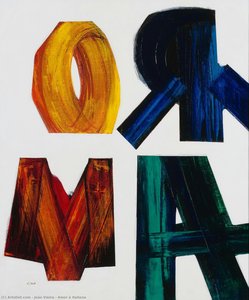
joão vieira
Portugal
プロフィール概要
- Artistic Movement Or Style: Lettrism
- Artists Or Movements Influenced By This Artist: ['KWY Group']
- Artists Who Influenced This Artist: ['Dubuffet']
- Date Of Birth: October 4, 1934
- Date Of Death: September 15, 2009
- Full Name: João Rodrigues Vieira
- Nationality: Portuguese
- Notable Artworks:
- Amor à Italiana
- Untitled
- Place Of Birth: Vidago, Portugal