

 プリントを購入
 シェアする
シェアする シェアする
シェアする
 詳細を見る
詳細を見る

 ダウンロード
 似ている作品
 スライドショー
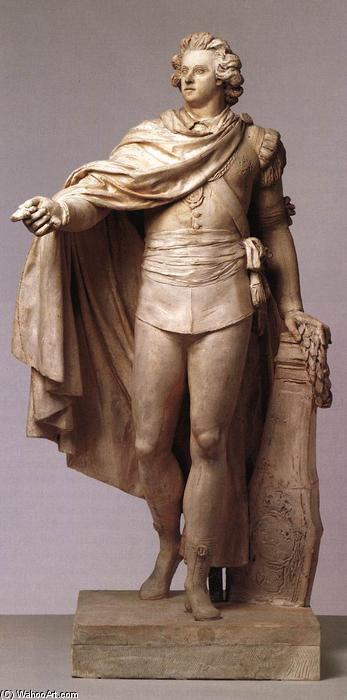
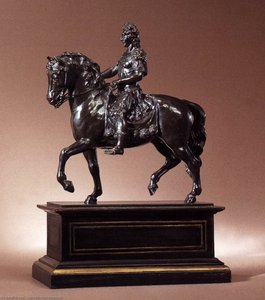
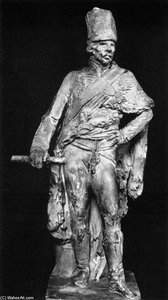
グスタフ3世の王像


 詳細を見る
詳細を見る
オンラインプレビューをはるかに凌ぐ、高解像度で鮮明なデジタル画像をご購入いただけます。
各ファイルは、社内の専門家が高度なツールと熟練した手作業によるレタッチを用いて、細心の注意を払って準備されています。すべての画像において、卓越した鮮明度、正確な色彩再現性、そして繊細なディテールを保証いたします。
最終ファイルは、プロフェッショナルな編集・印刷環境ですぐにご利用いただけるよう最適化された状態で、72時間以内にメールにてお届けいたします。これは、一流のデザインスタジオ、出版社、ギャラリーから信頼されているものと同等の品質です。
デジタル画像のご注文に付随する特典
高品質なデジタル画像配信を、確かな品質で。
ArtsDot.com を選ぶことは、単に画像を手に入れることではありません。それは、プロの手によって精密に仕上げられ、満足保証が付いた高品質なデジタルアートワークを受け取ることを意味します。ご注文いただいた際に自動的に付随する内容は、以下の通りです:

メールですぐにお届け
ご注文から72時間以内に、高解像度のデジタル画像ファイルがメールでお手元に届きます。すぐにそのままご利用いただけます。

AI技術で最適化されたデジタルファイル
お客様の作品は、高度なAIツールと専門家による手作業の編集を組み合わせてプロフェッショナルに最適化されており、細部のディテール、鮮明さ、そして正確な色再現性を最大限に引き出しています。

一生涯無料の再送サービス
ファイルを誤って削除したり、紛失してしまったりしましたか?ご安心ください。いつでも無料で再送いたします。

輸入手数料は一切かかりません
関税や手数料、配送料を気にすることなく、お気に入りのアートワークをすぐにお楽しみいただけます。デジタルダウンロードは常に免税です。

色彩再現の保証
プロ仕様のツールとカラーマネジメント技術を用いることで、デジタル画像が元の色を最大限に忠実に再現することを保証いたします。

60日間満足保証
ご購入いただいたデジタル画像にご満足いただけない場合は、60日以内であれば、修正または100%の返金(理由を問う必要はありません)をさせていただきます。

100% 返金保証
ご満足いただけない場合は、デジタルファイルを受け取ってから60日以内であれば、理由を問わず全額返金いたします。

まとめ買い割引
3枚購入で10%OFF - 5枚購入で15%OFF - 10枚以上購入で20%OFF。クリエイティブなプロジェクト、ギャラリー、エージェンシーに最適です。
作品の詳細
グスタフ3世の彫像:ジョハン・トビアス・セルゲルの芸術的遺産
ジョハン・トビアス・セルゲルは、18世紀と19世紀のスウェーデン美術において重要な人物であり、彼の表現力豊かな肖像画や劇的な神話シーンは時代の精神を捉えていました。ストックホルム生まれの彼は、貧しい出自からスウェーデンの最も優れた芸術家の一人となり、その強力な作品は時代を超えた感動を与え続けています。セルゲルはロココの華やかな装飾からナヴォイエカッセの理想主義への移行を経験しながらも、独自のスタイルを維持しました。彼の初期の訓練はピエール・ユベール・ラルシェヴェークのもとで行われましたが、その後パリで指導を受け、時代の技術と美学を吸収しました。特にローマでの滞在は変革をもたらしました。古代遺跡の中で彼はクラシック彫刻に没頭し、形態、解剖学的知識、物語の理解を深めました。この経験が彼の後のキャリアを刺激し、単に美しさを表現するだけでなく、複雑な感情と物語を伝えることを目指す作品を生み出すことにつながりました。彼の愛人であるフレデリケ・ローエンとの関係は深い喜びとインスピレーションの源となり、彼女の untimely death は彼の人生の残りの期間に深い悲しみをもたらしました。彼は芸術家の一族に生まれ、父親クリストファー・セルゲルの指導を受けただけでなく、芸術家の母も持ち合わせていました。この背景が彼の芸術的な才能を育み、そして彼自身の内面を深く掘り下げたのです。 彼の芸術活動は幅広いテーマをカバーし、肖像画、神話シーン、歴史的記念碑など、多様な表現方法を用いました。セルゲルの彫刻は劇的なエネルギーと感情的な表現力で特徴づけられ、細部へのこだわりと技術的な卓越性が際立っています。彼はマルブルとブロンズを用いて主題を捉え、古典的な芸術の伝統を受け継ぎました。特にローマでの経験は彼の芸術的視野を広げ、古代彫刻家たちに影響を与えました。セルゲルの作品は、その美しさだけでなく、人間の感情や精神性を表現することを目指しており、彼はナヴォイエカッセの理想主義の影響を受けながらも独自のスタイルを確立しました。彼の彫刻技法は洗練され、古典的な芸術の伝統と技術的な革新が融合しています。セルゲルの彫刻作品は、その繊細な表現力と卓越した技術によって高く評価されています。彼は特にローマで活動し、クラシック彫刻家たちに影響を与え、彼の芸術的スタイルはナヴォイエカッセの理想主義の影響を受けながらも独自のスタイルを確立しました。セルゲルの彫刻作品は、その繊細な表現力と卓越した技術によって高く評価されています。彼は特にローマで活動し、クラシック彫刻家たちに影響を与え、彼の芸術的スタイルはナヴォイエカッセの理想主義の影響を受けながらも独自のスタイルを確立しました。セルゲルの彫刻作品は、その繊細な表現力と卓越した技術によって高く評価されています。彼は特にローマで活動し、クラシック彫刻家たちに影響を与え、彼の芸術的スタイルはナヴォイエカッセの理想主義の影響を受けながらも独自のスタイルを確立しました。セルゲルの彫刻作品は、その繊細な表現力と卓越した技術によって高く評価されています。彼は特にローマで活動し、クラシック彫刻家たちに影響を与え、彼の芸術的スタイルはナヴォイエカッセの理想主義の影響を受けながらも独自のスタイルを確立しました。セルゲルの彫刻作品は、その繊細な表現力と卓越した技術によって高く評価されています。彼は特にローマで活動し、クラシック彫刻家たちに影響を与え、彼の芸術的スタイルはナヴォイエカッセの理想主義の影響を受けながらも独自のスタイルを確立しました。セルゲルの彫刻作品は、その繊細な表現力と卓越した技術によって高く評価されています。彼は特にローマで活動し、クラシック彫刻家たちに影響を与え、彼の芸術的スタイルはナヴォイエカッセの理想主義の影響を受けながらも独自のスタイルを確立しました。セルゲルの彫刻作品は、その繊細な表現力と卓越した技術によって高く評価されています。彼は特にローマで活動し、クラシック彫刻家たちに影響を与え、彼の芸術的スタイルはナヴォイエカッセの理想主義の影響を受けながらも独自のスタイルを確立しました。セルゲルの彫刻作品は、その繊細な表現力と卓越した技術によって高く評価されています。彼は特にローマで活動し、クラシック彫刻家たちに影響を与え、彼の芸術的スタイルはナヴォイエカッセの理想主義の影響を受けながらも独自のスタイルを確立しました。セルゲルの彫刻作品は、その繊細な表現力と卓越した技術によって高く評価されています。彼は特にローマで活動し、クラシック彫刻家たちに影響を与え、彼の芸術的スタイルはナヴォイエカッセの理想主義の影響を受けながらも独自のスタイルを確立しました。セルゲルの彫刻作品は、その繊細な表現力と卓越した技術によって高く評価されています。彼は特にローマで活動し、クラシック彫刻家たちに影響を与え、彼の芸術的スタイルはナヴォイエカッセの理想主義の影響を受けながらも独自のスタイルを確立しました。セルゲルの彫刻作品は、その繊細な表現力と卓越した技術によって高く評価されています。彼は特にローマで活動し、クラシック彫刻家たちに影響を与え、彼の芸術的スタイルはナヴォイエカッセの理想主義の影響を受けながらも独自のスタイルを確立しました。セルゲルの彫刻作品は、その繊細な表現力と卓越した技術によって高く評価されています。彼は特にローマで活動し、クラシック彫刻家たちに影響を与え、彼の芸術的スタイルはナヴォイエカッセの理想主義の影響を受けながらも独自のスタイルを確立しました。セルゲルの彫刻作品は、その繊細な表現力と卓越した技術によって高く評価されています。彼は特にローマで活動し、クラシック彫刻家たちに影響を与え、彼の芸術的スタイルはナヴォイエカッセの理想主義の影響を受けながらも独自のスタイルを確立しました。セルゲルの彫刻作品は、その繊細な表現力と卓越した技術によって高く評価されています。彼は特にローマで活動し、クラシック彫刻家たちに影響を与え、彼の芸術的スタイルはナヴォイエカッセの理想主義の影響を受けながらも独自のスタイルを確立しました。セルゲルの彫刻作品は、その繊細な表現力と卓越した技術によって高く評価されています。彼は特にローマで活動し、クラシック彫刻家たちに影響を与え、彼の芸術的スタイルはナヴォイエカッセの理想主義の影響を受けながらも独自のスタイルを確立しました。セルゲルの彫刻作品は、その繊細な表現力と卓越した技術によって高く評価されています。彼は特にローマで活動し、クラシック彫刻家たちに影響を与え、彼の芸術的スタイルはナヴォイエカッセの理想主義の影響を受けながらも独自のスタイルを確立しました。セルゲルの彫刻作品は、その繊細な表現力と卓越した技術によって高く評価されています。彼は特にローマで活動し、クラシック彫刻家たちに影響を与え、彼の芸術的スタイルはナヴォイエカッセの理想主義の影響を受けながらも独自のスタイルを確立しました。セルゲルの彫刻作品は、その繊細な表現力と卓越した技術によって高く評価されています。彼は特にローマで活動し、クラシック彫刻家たちに影響を与え、彼の芸術的スタイルはナヴォイエカッセの理想主義の影響を受けながらも独自のスタイルを確立しました。セルゲルの彫刻作品は、その繊細な表現力と卓越した技術によって高く評価されています。彼は特にローマで活動し、クラシック彫刻家たちに影響を与え、彼の芸術的スタイルはナヴォイエカッセの理想主義の影響を受けながらも独自のスタイルを確立しました。セルゲルの彫刻作品は、その繊細な表現力と卓越した技術によって高く評価されています。彼は特にローマで活動し、クラシック彫刻家たちに影響を与え、彼の芸術的スタイルはナヴォイエカッセの理想主義の影響を受けながらも独自のスタイルを確立しました。セルゲルの彫刻作品は、その繊細な表現力と卓越した技術によって高く評価されています。彼は特にローマで活動し、クラシック彫刻家たちに影響を与え、彼の芸術的スタイルはナヴォイエカッセの理想主義の影響を受けながらも独自のスタイルを確立しました。セルゲルの彫刻作品は、その繊細な表現力と卓越した技術によって高く評価されています。彼は特にローマで活動し、クラシック彫刻家たちに影響を与え、彼の芸術的スタイルはナヴォイエカッセの理想主義の影響を受けながらも独自のスタイルを確立しました。セルゲルの彫刻作品は、その繊細な表現力と卓越した技術によって高く評価されています。彼は特にローマで活動し関連作品

作家の略歴
Johan Tobias Sergel: Sculptor of Emotion and Myth
Johan Tobias Sergel (1740-1814) stands as a pivotal figure in 18th and 19th-century Swedish art, a sculptor whose expressive portraits and dramatic mythological scenes captured the spirit of his time. Born in Stockholm, he rose from humble beginnings to become one of Sweden’s most celebrated artists, leaving behind a legacy that continues to resonate through his powerful works. Sergel's career unfolded during a period of significant artistic transition – moving from the Rococo’s ornate flourishes towards the burgeoning Neoclassical ideals while retaining a distinctly personal and emotionally charged style.
His early training was shaped by a diverse range of influences. Initially apprenticed to Pierre Hubert L’Archevêque, he later benefited from instruction in Paris, absorbing the techniques and aesthetics of the era. Crucially, his time in Rome proved transformative. There, amidst the ruins of antiquity, Sergel immersed himself in classical sculpture, developing a profound understanding of form, anatomy, and narrative. This experience fueled his ambition to create works that not only depicted beauty but also conveyed complex emotions and stories – a hallmark of his later career.
A Life Shaped by Art and Emotion
Sergel’s life was far from solely dedicated to artistic pursuits; it was interwoven with personal drama, melancholy, and a deep connection to the world around him. Born into a family of artists—his father, Christoffer Sergel, was a decorator—he inherited a creative lineage that profoundly shaped his path. However, his early years were marked by financial struggles and a sense of displacement, contributing to a lifelong tendency towards introspection and occasional bouts of despair.
A pivotal moment arrived when he was summoned to Stockholm by King Gustav III, who recognized Sergel’s talent and offered him a position at the Royal Palace. This appointment brought both prestige and responsibility, but also exposed Sergel to the pressures of court life. Despite his success, he struggled with personal demons, experiencing periods of intense sadness and contemplating suicide – a struggle reflected in some of his most poignant works. His relationship with Anna-Rella Hellström, an innkeeper who became his mistress and muse, provided a source of profound joy and inspiration, culminating in the birth of four children. Her untimely death in 1796 marked a devastating blow, leaving Sergel deeply affected for the remainder of his life.
Sculpting Myth and Majesty
Sergel’s artistic output spanned a remarkable range of subjects, encompassing portraits, mythological scenes, historical monuments, and even satirical drawings. His sculptures are characterized by their dramatic intensity, expressive gestures, and meticulous attention to detail. He skillfully employed marble and bronze to capture the essence of his subjects – whether regal figures like King Gustav III or tormented heroes from classical tales.
Among his most celebrated works are the monumental “Diomedes Stealing the Palladium,” a powerful depiction of a legendary hero’s transgression, and “The Muse of History Recording the Deeds of Gustavus Adolphus,” a complex allegorical composition celebrating the achievements of King Gustav II Adolf. His portrait of King Gustav III, later cast in bronze and installed in Stockholm's Sergels torg, remains an iconic representation of the Swedish monarch. Furthermore, his work extended beyond grand monuments; he created intimate portraits that captured the personalities and emotions of his subjects with remarkable sensitivity.
Legacy and Influence
Johan Tobias Sergel’s impact on Swedish art is undeniable. He bridged the gap between Rococo and Neoclassical styles, forging a unique artistic voice characterized by emotional depth and dramatic flair. His sculptures continue to be admired for their technical skill, expressive power, and ability to evoke profound human experiences.
Sergels torg, named in his honor, stands as a testament to his enduring legacy – a public space designed to reflect the spirit of the artist and celebrate Swedish history. His influence can also be seen in the works of subsequent generations of Swedish sculptors, who drew inspiration from his innovative approach to portraying human emotion and mythic narratives. Sergel’s work remains a vital part of Sweden's cultural heritage, offering a window into the artistic sensibilities of a transformative era.
Further Exploration: Plunging into Despair (1795) – A dramatic black & white Romantic drawing showcasing expressive lines and intense emotion. Johan Tobias Sergel - Explore his significant contributions to 18th & 19th century European art.
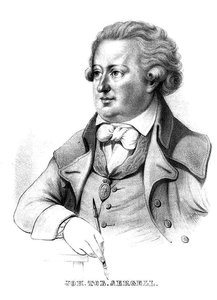
Johan Tobias Sergel
1740 - 1814 , Sweden
プロフィール概要
- Artistic Movement Or Style: Neoclassical & Rococo
- Artists Or Movements Influenced By This Artist:
- Gustav III
- Romanticism
- Artists Who Influenced This Artist:
- Pierre Hubert Larchevêsque
- Thomas Rowlandson
- Date Of Birth: September 7, 1740
- Date Of Death: February 26, 1814
- Full Name: Johan Tobias Sergel
- Nationality: Swedish
- Notable Artworks:
- Plunging into Despair
- Diomedes Stealing Palladium
- Muse of History Recording Deeds
- Place Of Birth: Stockholm, Sweden

