
- ホーム

- 油絵の複製画
- Johann Andreas Äglawer, Johann Andreas Iglawer, Johann Andreas Egelauer, Andreas Johann Englauer
 プレビュー
プレビュー
 シェアする
シェアする シェアする
シェアする
 詳細を見る
詳細を見る

 ダウンロード
 似ている作品
 X線調査
X線調査 スライドショー
 統計情報
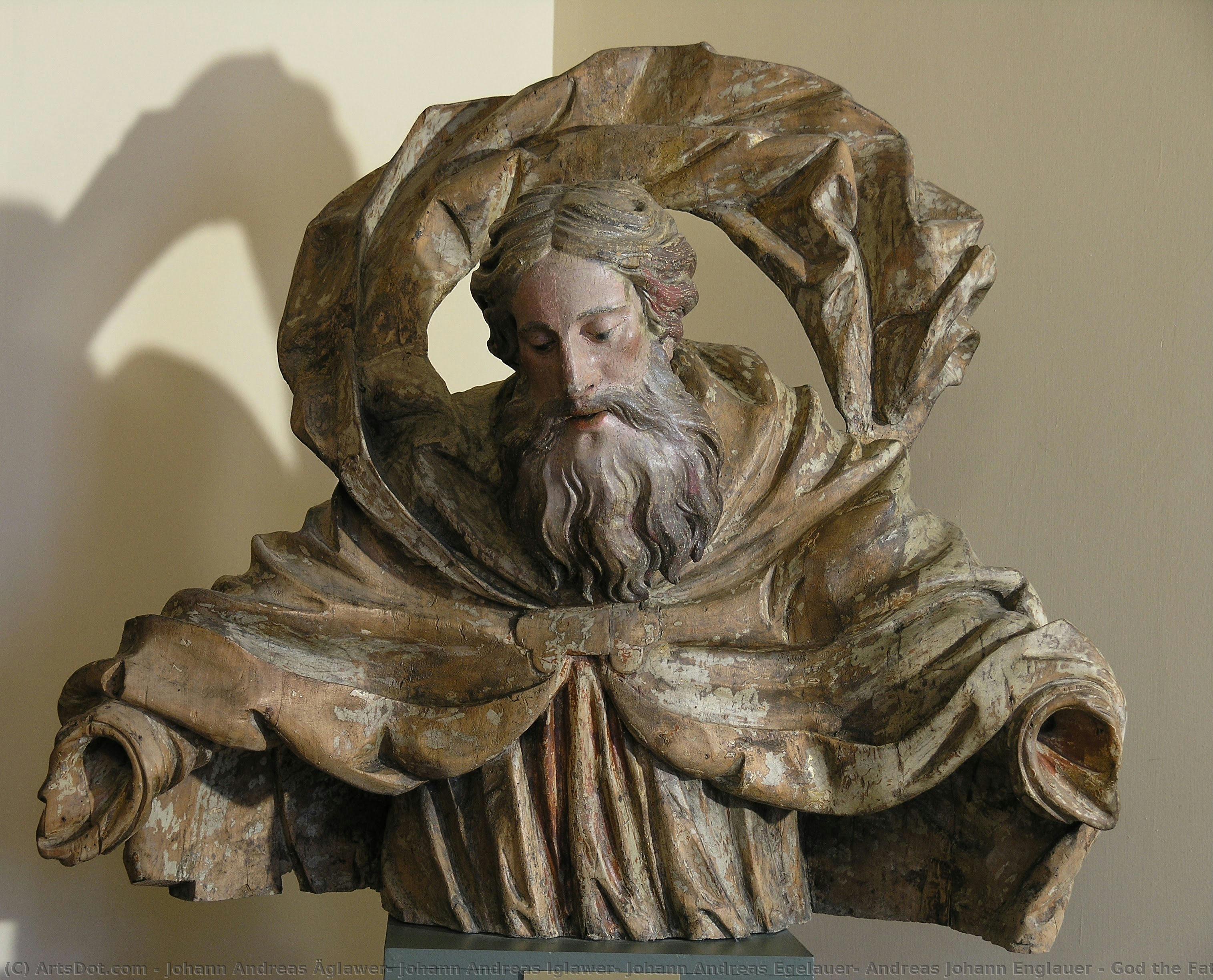
統計情報God the Father


 詳細を見る
詳細を見る
手描き油彩複製画
当社のアーティストが、お客様のご希望のサイズと額縁に合わせて、キャンバスに手描きで制作する油彩画です。 ( プリント版に切り替え デジタル画像販売へ切り替え)




































作品のオリジナル比率に合わせた、当店の規定サイズからお選びください。

特定のフレームやスペースに合わせて、ご希望のサイズをご入力いただけます。選択されたサイズが元の画像の比率と異なる場合、アートワークをトリミングするか、手描きで要素を追加して絵画を拡張いたします。デジタルモックアップ を制作し、制作開始前にご確認(承認)をいただきます。
画面上のプレビューは、実際のトリミングや拡張を正確に反映しているものではありません。最終的な構図は、モックアップによってのみ正確にご確認いただけます。
カスタムサイズもご利用いただけますが、元の比率を維持するためには、あらかじめ用意されたリストからサイズを選択することをお勧めいたします。
ご注文後、ArtsDot.com チームより詳細な指示をお送りするとともに、仕上がりイメージ(モックアップ)をご提供いたします。


 ガラスオプションは、110cm未満のサイズでのみご利用いただけます。

God the Father
複製技法
複製画のサイズ
-


合計金額
$ 263
関連作品
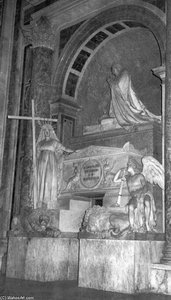
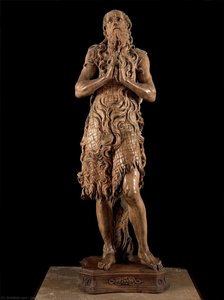


アーティストの略歴
The Baroque Visions of Johann Andreas Äglawer
Johann Andreas Äglawer, also known under the variations of his name – Johann Andreas Iglawer and Andreas Johann Englauer – remains a somewhat enigmatic figure in the landscape of 17th-century sculpture. While biographical details are scarce, his surviving works speak volumes about a master craftsman deeply immersed in the fervor of the Baroque period. Äglawer’s career unfolded during a time of intense religious and artistic change, a period where sculpture was employed as a powerful tool for conveying faith and emotion. He appears to have been active primarily in Bohemia and surrounding regions, leaving behind a legacy of exquisitely carved wood sculptures that demonstrate both technical virtuosity and a profound spiritual sensibility.A Sculptor Rooted in Tradition
The precise origins of Äglawer are difficult to pinpoint with certainty. Records suggest he was born sometime in the early 17th century, though the exact date remains elusive. What is clear from his oeuvre is a strong grounding in traditional sculptural techniques. His work doesn’t represent a radical departure from established norms but rather a refinement and intensification of existing styles. He clearly drew inspiration from Renaissance models, particularly in his depictions of human anatomy and classical drapery. However, Äglawer wasn't merely copying past masters; he infused these elements with the dynamic energy and emotional intensity characteristic of the Baroque aesthetic. His sculptures are not static representations but rather convey a sense of movement, drama, and spiritual awakening. The wood carving itself is exceptional, showcasing an incredible attention to detail – from the delicate folds of fabric to the expressive features of his figures.Themes of Faith and Devotion
Äglawer’s artistic focus centered almost exclusively on religious subjects. His sculptures frequently depict saints, biblical figures, and allegorical representations of virtues and divine attributes. God the Father, one of his most celebrated works, exemplifies this dedication to themes of faith and devotion. The sculpture is a powerful embodiment of paternal authority and spiritual grace, rendered with remarkable detail and solemnity. Similarly, his depiction of Saint John the Baptist showcases a mastery of portraying inner piety and contemplative strength. These were not simply decorative objects; they were intended as focal points for prayer and meditation, designed to inspire reverence and deepen religious experience. The choice of wood as a medium itself held symbolic significance, representing both the humanity of Christ and the enduring power of faith.Legacy and Historical Context
While Äglawer may not be a household name like some of his more famous contemporaries, his contribution to Baroque sculpture is nonetheless significant. His work reflects the broader artistic trends of the period – the emphasis on emotional realism, dramatic composition, and the use of art as a vehicle for religious propaganda. He worked during the Counter-Reformation, when the Catholic Church actively promoted art that reinforced its doctrines and appealed to the senses. Äglawer’s sculptures fit squarely within this context, serving as powerful visual statements of faith and devotion. His influence can be seen in the work of other sculptors active in Bohemia and surrounding regions, demonstrating his role as a key figure in the development of Baroque art in Central Europe. Although documentation remains limited, the enduring beauty and spiritual power of his sculptures ensure that Johann Andreas Äglawer’s legacy continues to resonate with audiences today.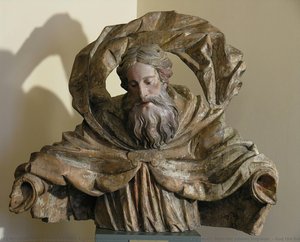
関連記事
Theatricality & Triumph: Baroque Drama in Painting & Sculpture
Explore the dramatic world of Baroque art! Discover its history, defining characteristics, & lasting influence on painting & sculpture. Expert insights into Caravaggio, Zurbarán, and Bernini – plus high-quality reproductions at ArtsDot.

The Dramatic Flourish: Exploring the Baroque Movement's Enduring Legacy in Art History
Explore the dramatic world of Baroque art! Discover iconic artists like Caravaggio & Rubens, defining techniques, and its lasting impact on art history. Expert insights for collectors & enthusiasts at ArtsDot.

The Enduring Form: Sculpture Across History, Technique & Emotional Resonance
Explore the rich history of sculpture with ArtsDot. Discover key techniques, influential artists & investment potential for discerning collectors. Expert insights into valuing and collecting timeless masterpieces.

Bronze Sculptures That Defined Art History | ArtsDot
Journey through art history with our Top 10 bronze sculptures! Explore masterpieces by Rodin, Michelangelo & more. Discover stories behind iconic statues and find museum-quality reproductions for your home decor at ArtsDot.com.

The Enduring Form: Exploring Themes & Techniques in Sculpture Across Historical Periods
Explore the rich history of sculpture from ancient masterpieces to contemporary innovations. Discover key techniques, influential artists & investment potential for discerning art collectors.