メニュー
プレビュープレビュー ARで試着ARで試着 プリント版に切り替え プリント版に切り替え手描きの絵画を購入 手描きの絵画を購入 シェアするシェアする
詳細を見る詳細を見る お気に入りに追加 お気に入りに追加 ダウンロードダウンロード 似ている作品似ている作品 X線調査X線調査 スライドショースライドショー 統計情報統計情報

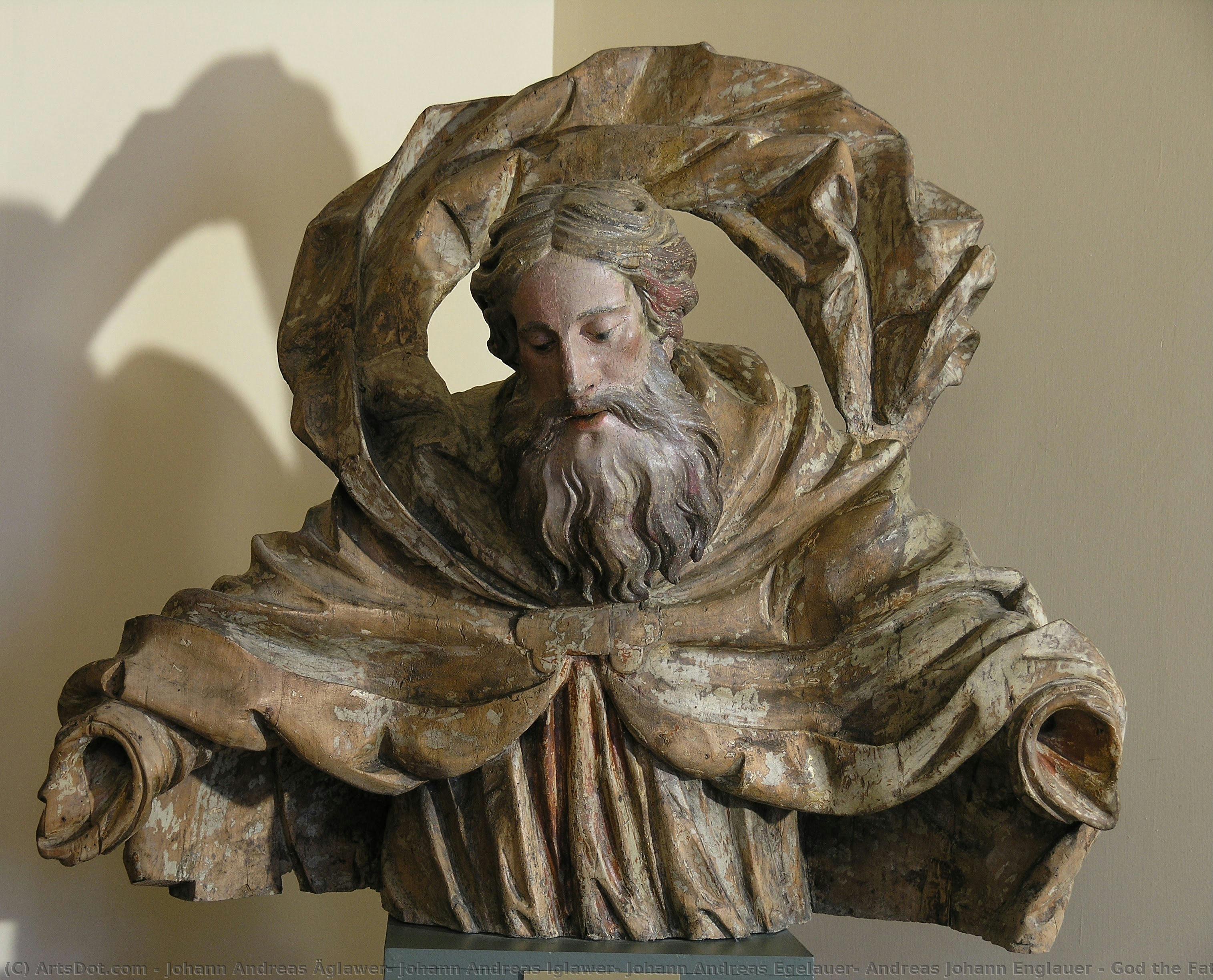
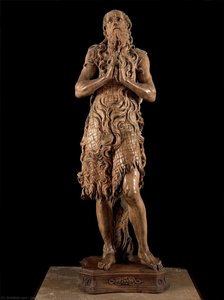
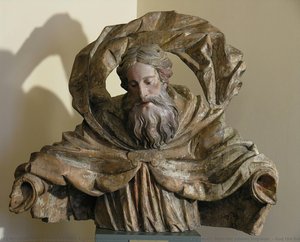
God the Father

Exquisite Baroque sculpture of 'God the Father' by Äglawer & associates. Detailed wood carving, dramatic drapery, & solemn expression. Explore this timeless masterpiece!

Johann Andreas Äglawer (also Iglawer/Egelauer) was a Baroque sculptor known for his detailed wood carvings of religious figures like 'God the Father' and 'Saint John the Baptist'. His dramatic drapery and solemn expressions exemplify the artistry of the period.

オンラインプレビューをはるかに凌ぐ、高解像度で鮮明なデジタル画像をご購入いただけます。

各ファイルは、社内の専門家が高度なツールと熟練した手作業によるレタッチを用いて、細心の注意を払って準備されています。すべての画像において、卓越した鮮明度、正確な色彩再現性、そして繊細なディテールを保証いたします。

最終ファイルは、プロフェッショナルな編集・印刷環境ですぐにご利用いただけるよう最適化された状態で、72時間以内にメールにてお届けいたします。これは、一流のデザインスタジオ、出版社、ギャラリーから信頼されているものと同等の品質です。

デジタルアート

個人での鑑賞、印刷、クリエイティブなプロジェクト用に、高解像度ファイルをダウンロードできます。 (プリント版に切り替え プリント版に切り替え手描きの絵画を購入 手描きの絵画を購入)

最終合計金額

$ 24.00

デジタル画像のご注文に付随する特典

高品質なデジタル画像配信を、確かな品質で。

ArtsDot.com を選ぶことは、単に画像を手に入れることではありません。それは、プロの手によって精密に仕上げられ、満足保証が付いた高品質なデジタルアートワークを受け取ることを意味します。ご注文いただいた際に自動的に付随する内容は、以下の通りです:

shipping_icon
メールですぐにお届け

ご注文から72時間以内に、高解像度のデジタル画像ファイルがメールでお手元に届きます。すぐにそのままご利用いただけます。

canvas_icon
AI技術で最適化されたデジタルファイル

お客様の作品は、高度なAIツールと専門家による手作業の編集を組み合わせてプロフェッショナルに最適化されており、細部のディテール、鮮明さ、そして正確な色再現性を最大限に引き出しています。

insurance_icon
一生涯無料の再送サービス

ファイルを誤って削除したり、紛失してしまったりしましたか?ご安心ください。いつでも無料で再送いたします。

tax_icon
輸入手数料は一切かかりません

関税や手数料、配送料を気にすることなく、お気に入りのアートワークをすぐにお楽しみいただけます。デジタルダウンロードは常に免税です。

color_icon
色彩再現の保証

プロ仕様のツールとカラーマネジメント技術を用いることで、デジタル画像が元の色を最大限に忠実に再現することを保証いたします。

return_icon
100日間満足保証

ご購入いただいたデジタル画像にご満足いただけない場合は、100日以内であれば、理由を問わず修正または100%の返金対応をさせていただきます。

guarantee_icon
100% 返金保証

ご満足いただけない場合は、デジタルファイルを受け取ってから100日以内であれば、理由を問わず全額返金いたします。

discount_icon
まとめ買い割引

3枚購入で10%OFF - 5枚購入で15%OFF - 10枚以上購入で20%OFF。クリエイティブなプロジェクト、ギャラリー、エージェンシーに最適です。

作家の略歴

The Baroque Visions of Johann Andreas Äglawer

Johann Andreas Äglawer, also known under the variations of his name – Johann Andreas Iglawer and Andreas Johann Englauer – remains a somewhat enigmatic figure in the landscape of 17th-century sculpture. While biographical details are scarce, his surviving works speak volumes about a master craftsman deeply immersed in the fervor of the Baroque period. Äglawer’s career unfolded during a time of intense religious and artistic change, a period where sculpture was employed as a powerful tool for conveying faith and emotion. He appears to have been active primarily in Bohemia and surrounding regions, leaving behind a legacy of exquisitely carved wood sculptures that demonstrate both technical virtuosity and a profound spiritual sensibility.

A Sculptor Rooted in Tradition

The precise origins of Äglawer are difficult to pinpoint with certainty. Records suggest he was born sometime in the early 17th century, though the exact date remains elusive. What is clear from his oeuvre is a strong grounding in traditional sculptural techniques. His work doesn’t represent a radical departure from established norms but rather a refinement and intensification of existing styles. He clearly drew inspiration from Renaissance models, particularly in his depictions of human anatomy and classical drapery. However, Äglawer wasn't merely copying past masters; he infused these elements with the dynamic energy and emotional intensity characteristic of the Baroque aesthetic. His sculptures are not static representations but rather convey a sense of movement, drama, and spiritual awakening. The wood carving itself is exceptional, showcasing an incredible attention to detail – from the delicate folds of fabric to the expressive features of his figures.

Themes of Faith and Devotion

Äglawer’s artistic focus centered almost exclusively on religious subjects. His sculptures frequently depict saints, biblical figures, and allegorical representations of virtues and divine attributes. God the Father, one of his most celebrated works, exemplifies this dedication to themes of faith and devotion. The sculpture is a powerful embodiment of paternal authority and spiritual grace, rendered with remarkable detail and solemnity. Similarly, his depiction of Saint John the Baptist showcases a mastery of portraying inner piety and contemplative strength. These were not simply decorative objects; they were intended as focal points for prayer and meditation, designed to inspire reverence and deepen religious experience. The choice of wood as a medium itself held symbolic significance, representing both the humanity of Christ and the enduring power of faith.

Legacy and Historical Context

While Äglawer may not be a household name like some of his more famous contemporaries, his contribution to Baroque sculpture is nonetheless significant. His work reflects the broader artistic trends of the period – the emphasis on emotional realism, dramatic composition, and the use of art as a vehicle for religious propaganda. He worked during the Counter-Reformation, when the Catholic Church actively promoted art that reinforced its doctrines and appealed to the senses. Äglawer’s sculptures fit squarely within this context, serving as powerful visual statements of faith and devotion. His influence can be seen in the work of other sculptors active in Bohemia and surrounding regions, demonstrating his role as a key figure in the development of Baroque art in Central Europe. Although documentation remains limited, the enduring beauty and spiritual power of his sculptures ensure that Johann Andreas Äglawer’s legacy continues to resonate with audiences today.