

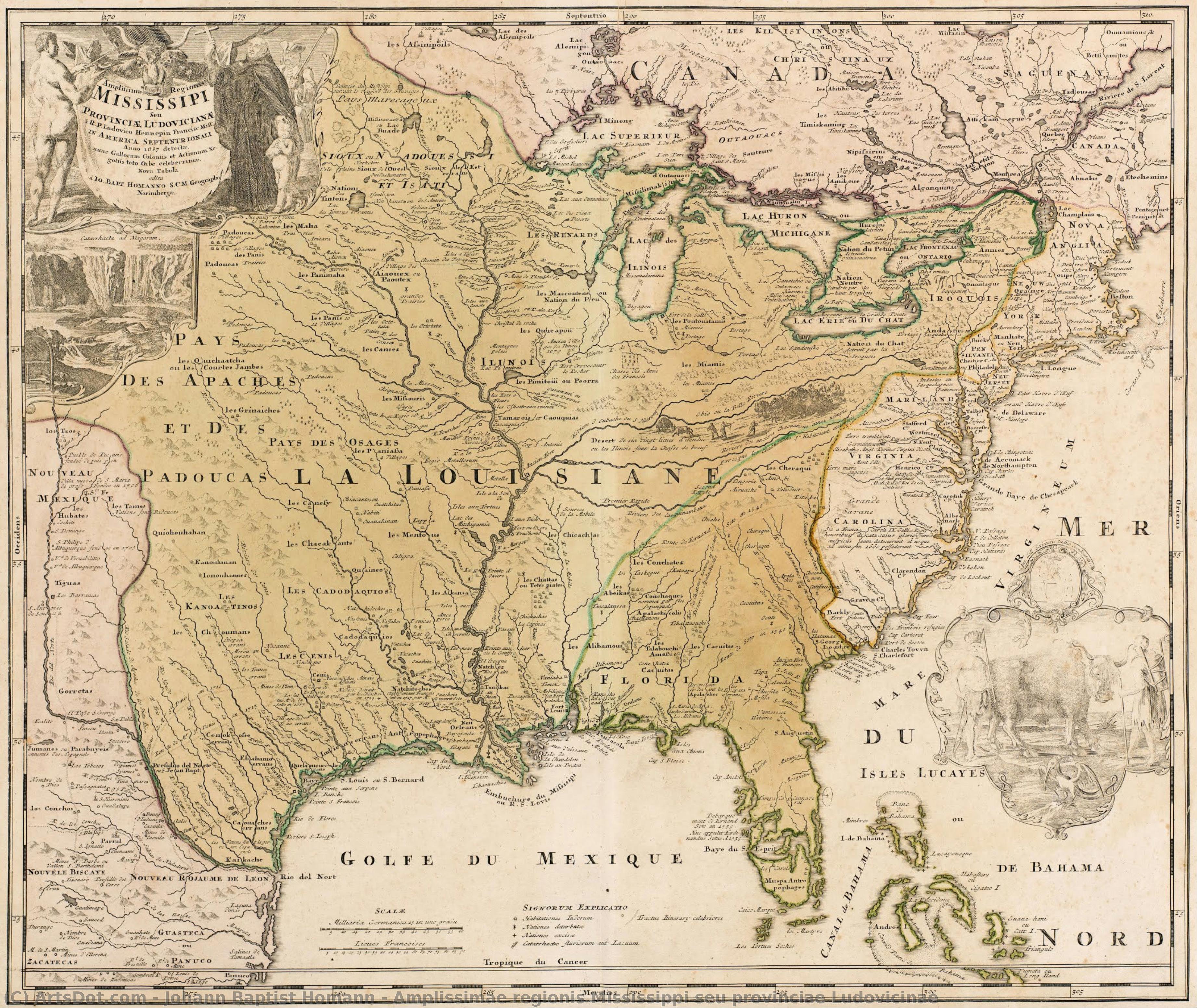
 プレビュー
プレビュー
 シェアする
シェアする シェアする
シェアする
 詳細を見る
詳細を見る

 ダウンロード
 似ている作品
 X線調査
X線調査 スライドショー
 統計情報
統計情報Amplissimae regionis Mississippi seu provinciae Ludovicinae


 詳細を見る
詳細を見る
手描き油彩複製画
当社のアーティストが、お客様のご希望のサイズと額縁に合わせて、キャンバスに手描きで制作する油彩画です。 ( プリント版に切り替え デジタル画像販売へ切り替え)




P118B $10

P118H $10

P118W $10

P438Z $10

P508JH $12

P508YH $12

P805H $10

P805Z $10

P919BZ $10

P919G $10

P919XJ $10

P959ZH $10

P968JZ $12

W106C $8

W218G $10

W218JH $8

W218Y $10

W307PJ $10

W316G $10

W316PJ $8

W316Y $10

W398PJ $8

W4111J $10

W500HY $15

W500JH $15

W692G $12

W849H $8

W940BG $15

W953PJ $8




作品のオリジナル比率に合わせた、当店の規定サイズからお選びください。

特定のフレームやスペースに合わせて、ご希望のサイズをご入力いただけます。選択されたサイズが元の画像の比率と異なる場合、アートワークをトリミングするか、手描きで要素を追加して絵画を拡張いたします。デジタルモックアップ を制作し、制作開始前にご確認(承認)をいただきます。
画面上のプレビューは、実際のトリミングや拡張を正確に反映しているものではありません。最終的な構図は、モックアップによってのみ正確にご確認いただけます。
カスタムサイズもご利用いただけますが、元の比率を維持するためには、あらかじめ用意されたリストからサイズを選択することをお勧めいたします。
ご注文後、ArtsDot.com チームより詳細な指示をお送りするとともに、仕上がりイメージ(モックアップ)をご提供いたします。


 ガラスオプションは、110cm未満のサイズでのみご利用いただけます。

Amplissimae regionis Mississippi seu provinciae Ludovicinae
複製技法
複製画のサイズ
-


合計金額
$ 263
関連作品
アーティストの略歴
Rachel Ruysch: A Pioneer of Still Life
Rachel Ruysch (1664 – 1750) stands as a monumental figure in the history of art, particularly recognized for her groundbreaking contributions to the genre of still life painting. Born in The Hague, Netherlands, into a family deeply rooted in scientific and artistic pursuits—her father was a botanist, physician, and anatomist—Ruysch’s early life provided an exceptional foundation for her future career. Her upbringing within a household that valued both meticulous observation and artistic expression profoundly shaped her distinctive style and approach to painting. She began her training with Willem van Aelst, a renowned still-life painter in Amsterdam, absorbing his techniques and developing a keen eye for detail and composition. However, Ruysch’s career trajectory diverged significantly from the established norms of the time, as she became one of the first female artists to achieve significant recognition and professional success within the male-dominated art world. Ruysch's artistic journey truly blossomed in the 1680s, influenced by Otto Marseus van Schriek, a master of dark forest flora, insects, and lizards. Van Schriek’s meticulous depictions of natural subjects, emphasizing texture and detail, undoubtedly impacted Ruysch’s own approach to portraying delicate botanical specimens. She quickly established herself as a leading still-life painter in The Hague from 1701 to 1708, earning the distinction of being the first female member of the Confrerie Pictura, an influential artist's society. Her talent and dedication led her to become court painter to the Elector Palatine, Johan Willem, in Düsseldorf, where she created a series of stunning works between 1708 and 1716. This period marked a significant elevation in her status and provided access to a wider audience for her art. Ruysch’s paintings were not merely decorative; they were scientific studies rendered with extraordinary artistry, showcasing the intricate beauty of nature with unparalleled precision.Technique and Innovation
Ruysch's artistic prowess lay in her remarkable ability to capture the ephemeral qualities of life—the delicate veins of a leaf, the glistening surface of a beetle’s shell, the subtle textures of decaying fruit. She employed a unique technique that involved painting directly onto wet paper, often using a mixture of watercolor and ink. This method allowed for incredible detail and luminosity, creating an almost photographic effect. Crucially, Ruysch pioneered the use of *monotypes*, or single-image prints, a revolutionary technique at the time. By applying paint to a plate and then printing it once, she produced unique artworks that were impossible to replicate exactly. This innovation demonstrated her experimental spirit and her willingness to challenge conventional artistic practices. Her works are characterized by their dramatic lighting, often utilizing chiaroscuro—the contrast between light and dark—to highlight the textures and forms of her subjects.Subjects and Symbolism
Ruysch’s still lifes were remarkably diverse, encompassing a wide range of subjects beyond traditional floral arrangements. She frequently depicted insects in their natural habitats, showcasing their intricate anatomy with astonishing realism. She also painted scenes of animal dissections, reflecting her family's scientific background and offering a rare glimpse into the world of anatomical study. Perhaps most famously, Ruysch created numerous depictions of Noah’s Ark, each brimming with an extraordinary array of animals—a testament to her artistic skill and her ability to capture both the beauty and the chaos of nature. Beyond their aesthetic appeal, Ruysch's paintings often carried symbolic weight, reflecting themes of mortality, decay, and the interconnectedness of life.Legacy and Historical Significance
Rachel Ruysch’s impact on the art world is profound and enduring. She defied societal expectations and established herself as one of the most celebrated still-life painters of her era. Her innovative techniques—particularly monotyping—influenced generations of artists, and her meticulous depictions of nature continue to captivate viewers today. Ruysch's story serves as a powerful reminder of the challenges faced by women in the art world and the importance of recognizing and celebrating their contributions. She remains an icon for female artists and a testament to the power of observation, skill, and artistic vision. Her work is held in prestigious collections worldwide, including the National Gallery in London, ensuring that her legacy will continue to inspire and educate for years to come.
johann baptist homann
1664 - 1724 , Germany
基本情報
- Artistic Movement Or Style: Baroque, Genoese School
- Artists Or Movements Influenced By This Artist: ['Giovanni Battista Paggi']
- Artists Who Influenced This Artist:
- Anthony van Dyck
- Peter Paul Rubens
- Date Of Birth: 1609
- Date Of Death: 1664
- Full Name: Giovanni Benedetto Castiglione
- Nationality: Italian
- Notable Artworks:
- Noah's Ark
- Old Testament scenes
- Place Of Birth: Genoa, Italy
関連記事
Marianne North's Masterpieces: 25 Botanical Paintings That Bloom With Adventure | ArtsDot
Journey through the vibrant world of Marianne North’s botanical paintings! Explore 25 iconic artworks from this Victorian artist, celebrating exotic flora & travel. Find museum-quality reproductions and curated decor ideas at ArtsDot.com.
Engraving's Golden Age: 10 Masterpieces That Redefined Art | ArtsDot
Journey through art history with our Top 10 Legendary Engravings! Explore masterpieces by Dürer, Rembrandt & Goya. Discover the stories behind these iconic prints and find museum-quality reproductions for your home at ArtsDot.com.
Engraving: A Historical Survey of Technique, Artistic Expression & Enduring Legacy
Explore the rich history of engraving with ArtsDot. Discover techniques, iconic artists like Dürer & Callot, collecting tips, and expert guidance for preserving your art investment. Learn about intaglio printing & more!
The Intricate World of Engraving: A Historical Survey of Technique, Artistic Expression & Enduring Legacy
Explore the rich history of engraving with ArtsDot. Discover techniques, iconic artists like Dürer & Callot, collecting tips, and expert guidance for preserving your art investment. Learn about intaglio printing & more!
Hendrick Goltzius: Master Engraver & the Flourishing of Dutch Mannerism
Explore the life & art of Hendrick Goltzius, a master engraver of Dutch Mannerism. Discover his innovative techniques, iconic engravings like 'Jahel', and lasting influence on Baroque art. Learn about collecting Goltzius today.