

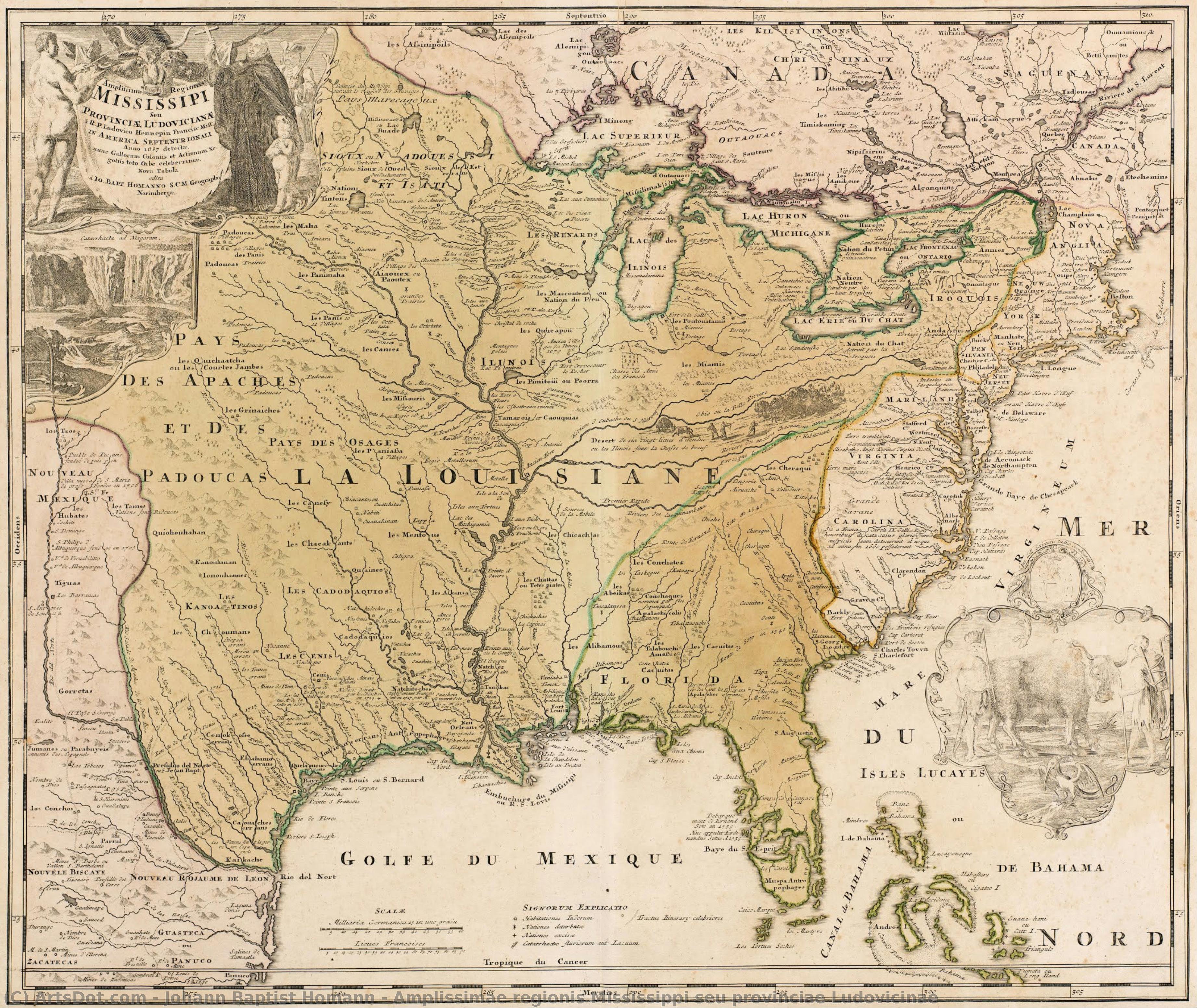
 プレビュー
プレビュー
 シェアする
シェアする シェアする
シェアする
 詳細を見る
詳細を見る

 ダウンロード
 似ている作品
 X線調査
X線調査 スライドショー
 統計情報
統計情報Amplissimae regionis Mississippi seu provinciae Ludovicinae


 詳細を見る
詳細を見る
オンラインプレビューをはるかに凌ぐ、高解像度で鮮明なデジタル画像をご購入いただけます。
各ファイルは、社内の専門家が高度なツールと熟練した手作業によるレタッチを用いて、細心の注意を払って準備されています。すべての画像において、卓越した鮮明度、正確な色彩再現性、そして繊細なディテールを保証いたします。
最終ファイルは、プロフェッショナルな編集・印刷環境ですぐにご利用いただけるよう最適化された状態で、72時間以内にメールにてお届けいたします。これは、一流のデザインスタジオ、出版社、ギャラリーから信頼されているものと同等の品質です。
デジタルアート
個人での鑑賞、印刷、クリエイティブなプロジェクト用に、高解像度ファイルをダウンロードできます。 ( プリント版に切り替え 手描きの絵画を購入)
デジタル画像のご注文に付随する特典
高品質なデジタル画像配信を、確かな品質で。
ArtsDot.com を選ぶことは、単に画像を手に入れることではありません。それは、プロの手によって精密に仕上げられ、満足保証が付いた高品質なデジタルアートワークを受け取ることを意味します。ご注文いただいた際に自動的に付随する内容は、以下の通りです:

メールですぐにお届け
ご注文から72時間以内に、高解像度のデジタル画像ファイルがメールでお手元に届きます。すぐにそのままご利用いただけます。

AI技術で最適化されたデジタルファイル
お客様の作品は、高度なAIツールと専門家による手作業の編集を組み合わせてプロフェッショナルに最適化されており、細部のディテール、鮮明さ、そして正確な色再現性を最大限に引き出しています。

一生涯無料の再送サービス
ファイルを誤って削除したり、紛失してしまったりしましたか?ご安心ください。いつでも無料で再送いたします。

輸入手数料は一切かかりません
関税や手数料、配送料を気にすることなく、お気に入りのアートワークをすぐにお楽しみいただけます。デジタルダウンロードは常に免税です。

色彩再現の保証
プロ仕様のツールとカラーマネジメント技術を用いることで、デジタル画像が元の色を最大限に忠実に再現することを保証いたします。

100日間満足保証
ご購入いただいたデジタル画像にご満足いただけない場合は、100日以内であれば、理由を問わず修正または100%の返金対応をさせていただきます。

100% 返金保証
ご満足いただけない場合は、デジタルファイルを受け取ってから100日以内であれば、理由を問わず全額返金いたします。

まとめ買い割引
3枚購入で10%OFF - 5枚購入で15%OFF - 10枚以上購入で20%OFF。クリエイティブなプロジェクト、ギャラリー、エージェンシーに最適です。
関連作品
作家の略歴
Rachel Ruysch: A Pioneer of Still Life
Rachel Ruysch (1664 – 1750) stands as a monumental figure in the history of art, particularly recognized for her groundbreaking contributions to the genre of still life painting. Born in The Hague, Netherlands, into a family deeply rooted in scientific and artistic pursuits—her father was a botanist, physician, and anatomist—Ruysch’s early life provided an exceptional foundation for her future career. Her upbringing within a household that valued both meticulous observation and artistic expression profoundly shaped her distinctive style and approach to painting. She began her training with Willem van Aelst, a renowned still-life painter in Amsterdam, absorbing his techniques and developing a keen eye for detail and composition. However, Ruysch’s career trajectory diverged significantly from the established norms of the time, as she became one of the first female artists to achieve significant recognition and professional success within the male-dominated art world. Ruysch's artistic journey truly blossomed in the 1680s, influenced by Otto Marseus van Schriek, a master of dark forest flora, insects, and lizards. Van Schriek’s meticulous depictions of natural subjects, emphasizing texture and detail, undoubtedly impacted Ruysch’s own approach to portraying delicate botanical specimens. She quickly established herself as a leading still-life painter in The Hague from 1701 to 1708, earning the distinction of being the first female member of the Confrerie Pictura, an influential artist's society. Her talent and dedication led her to become court painter to the Elector Palatine, Johan Willem, in Düsseldorf, where she created a series of stunning works between 1708 and 1716. This period marked a significant elevation in her status and provided access to a wider audience for her art. Ruysch’s paintings were not merely decorative; they were scientific studies rendered with extraordinary artistry, showcasing the intricate beauty of nature with unparalleled precision.Technique and Innovation
Ruysch's artistic prowess lay in her remarkable ability to capture the ephemeral qualities of life—the delicate veins of a leaf, the glistening surface of a beetle’s shell, the subtle textures of decaying fruit. She employed a unique technique that involved painting directly onto wet paper, often using a mixture of watercolor and ink. This method allowed for incredible detail and luminosity, creating an almost photographic effect. Crucially, Ruysch pioneered the use of *monotypes*, or single-image prints, a revolutionary technique at the time. By applying paint to a plate and then printing it once, she produced unique artworks that were impossible to replicate exactly. This innovation demonstrated her experimental spirit and her willingness to challenge conventional artistic practices. Her works are characterized by their dramatic lighting, often utilizing chiaroscuro—the contrast between light and dark—to highlight the textures and forms of her subjects.Subjects and Symbolism
Ruysch’s still lifes were remarkably diverse, encompassing a wide range of subjects beyond traditional floral arrangements. She frequently depicted insects in their natural habitats, showcasing their intricate anatomy with astonishing realism. She also painted scenes of animal dissections, reflecting her family's scientific background and offering a rare glimpse into the world of anatomical study. Perhaps most famously, Ruysch created numerous depictions of Noah’s Ark, each brimming with an extraordinary array of animals—a testament to her artistic skill and her ability to capture both the beauty and the chaos of nature. Beyond their aesthetic appeal, Ruysch's paintings often carried symbolic weight, reflecting themes of mortality, decay, and the interconnectedness of life.Legacy and Historical Significance
Rachel Ruysch’s impact on the art world is profound and enduring. She defied societal expectations and established herself as one of the most celebrated still-life painters of her era. Her innovative techniques—particularly monotyping—influenced generations of artists, and her meticulous depictions of nature continue to captivate viewers today. Ruysch's story serves as a powerful reminder of the challenges faced by women in the art world and the importance of recognizing and celebrating their contributions. She remains an icon for female artists and a testament to the power of observation, skill, and artistic vision. Her work is held in prestigious collections worldwide, including the National Gallery in London, ensuring that her legacy will continue to inspire and educate for years to come.
johann baptist homann
1664 - 1724 , Germany
プロフィール概要
- Artistic Movement Or Style: Baroque, Genoese School
- Artists Or Movements Influenced By This Artist: ['Giovanni Battista Paggi']
- Artists Who Influenced This Artist:
- Anthony van Dyck
- Peter Paul Rubens
- Date Of Birth: 1609
- Date Of Death: 1664
- Full Name: Giovanni Benedetto Castiglione
- Nationality: Italian
- Notable Artworks:
- Noah's Ark
- Old Testament scenes
- Place Of Birth: Genoa, Italy