

 プレビュー
プレビュー
 プリントを購入
 シェアする
シェアする シェアする
シェアする
 詳細を見る
詳細を見る

 ダウンロード
 似ている作品
 X線調査
X線調査 スライドショー
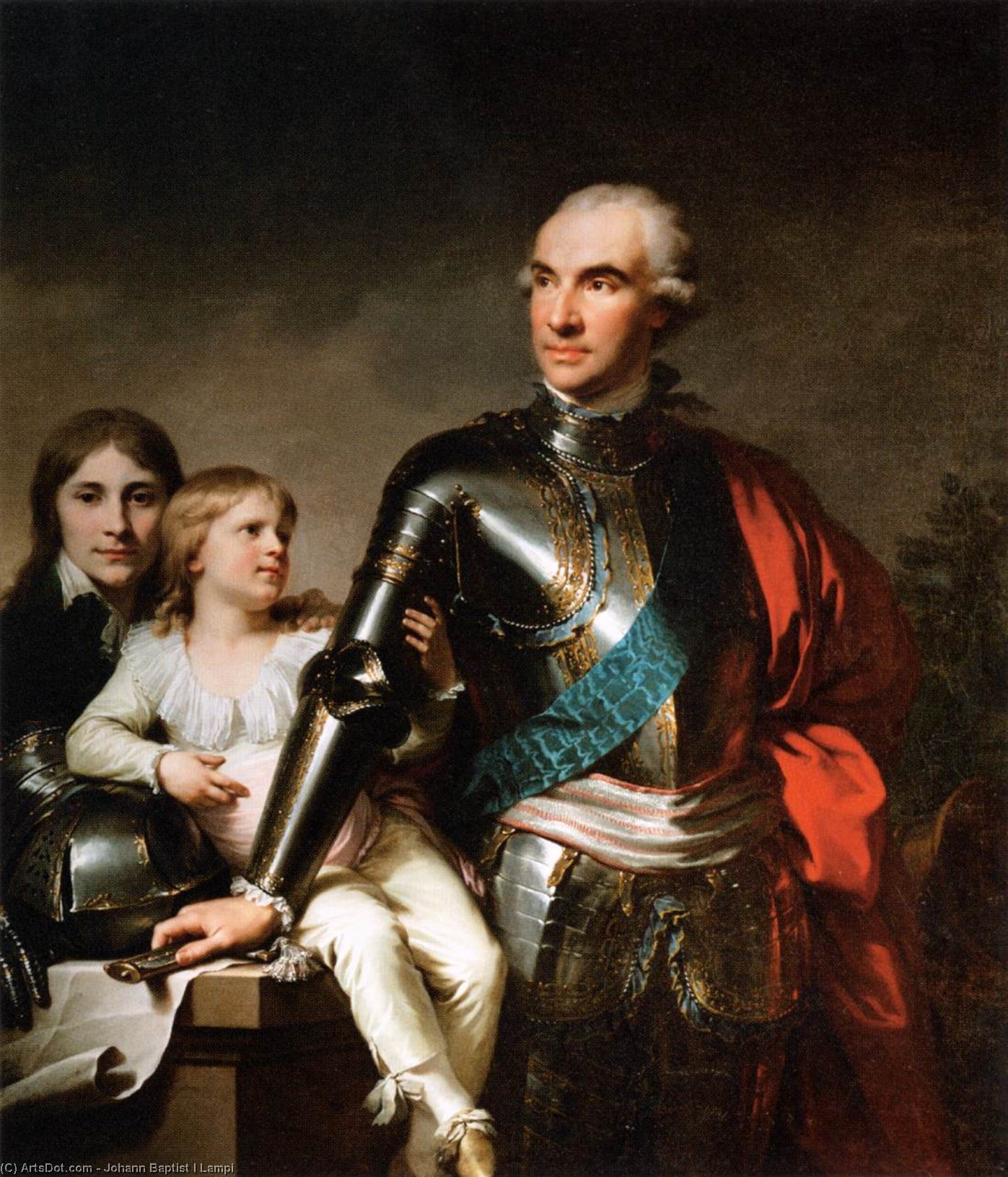
Count Stanislas Felix Potocki and his Two Sons
 Oil On Canvas
- WallArt
- Neoclassical
 1789
1789- Early Modern
 138.0 x 119.0 cm
 ルーブル美術館
 詳細を見る
詳細を見る




P118B $10

P118H $10

P118W $10

P438Z $10

P508JH $12

P508YH $12

P805H $10

P805Z $10

P919BZ $10

P919G $10

P919XJ $10

P959ZH $10

P968JZ $12

W106C $8

W218G $10

W218JH $8

W218Y $10

W307PJ $10

W316G $10

W316PJ $8

W316Y $10

W398PJ $8

W4111J $10

W500HY $15

W500JH $15

W692G $12

W849H $8

W940BG $15

W953PJ $8




作品のオリジナル比率に合わせた、当店の規定サイズからお選びください。

特定のフレームやスペースに合わせて、ご希望のサイズをご入力いただけます。選択されたサイズが元の画像の比率と異なる場合、アートワークをトリミングするか、手描きで要素を追加して絵画を拡張いたします。デジタルモックアップ を制作し、制作開始前にご確認(承認)をいただきます。
画面上のプレビューは、実際のトリミングや拡張を正確に反映しているものではありません。最終的な構図は、モックアップによってのみ正確にご確認いただけます。
カスタムサイズもご利用いただけますが、元の比率を維持するためには、あらかじめ用意されたリストからサイズを選択することをお勧めいたします。
ご注文後、ArtsDot.com チームより詳細な指示をお送りするとともに、仕上がりイメージ(モックアップ)をご提供いたします。


 ガラスオプションは、110cm未満のサイズでのみご利用いただけます。

Count Stanislas Felix Potocki and his Two Sons
複製技法
複製画のサイズ
-


合計金額
$ 263
A Portrait of Nobility Anchored in Tradition: Johann Baptist II Lampi’s Masterpiece
Johann Baptist II Lampi (1751-1830) stands as a pivotal figure in Austrian Baroque portraiture, embodying the grandeur and refinement characteristic of his era. Born into an artistic lineage – his father, Matteo Lampi, was celebrated for monumental frescoes – Lampi honed his craft under Salzburg’s influential tutelage before establishing himself in Vienna, where he secured a prestigious professorship at the Academy and captivated Emperor Joseph II with his talent. This article delves into the intricacies of “Count Stanislas Felix Potocki and his Two Sons,” examining its stylistic brilliance, technical mastery, and enduring legacy as a testament to Lampi’s artistic vision.Stylistic Influences & Compositional Harmony
Lampi's oeuvre is deeply rooted in classicizing principles, reflecting the broader artistic currents of Enlightenment Vienna. He skillfully employed chiaroscuro—the dramatic interplay of light and shadow—to sculpt the figures within the canvas, creating a palpable sense of depth and realism. The composition itself is meticulously balanced; Count Potocki dominates the central space, flanked by his two sons, establishing a hierarchy that speaks to the social conventions of the time. Notably, Lampi’s gaze directs towards the viewer, fostering an intimate connection between subject and observer—a hallmark of aristocratic portraiture intended to convey status and dignity. The subtle inclusion of a clock serves as a poignant reminder of temporal passage, subtly reinforcing the painting's contemplative mood.Technique & Material Considerations
Lampi’s technique demonstrates exceptional skill in capturing texture and detail. He achieved this through painstaking layering of thin glazes—a hallmark of Baroque oil painting—allowing for nuanced tonal variations and luminous effects. The artist meticulously rendered fabrics, particularly Potocki's suit and waistcoat, demonstrating an acute understanding of drapery and its ability to convey movement and form. Furthermore, the use of a warm earth pigment palette contributes to the painting’s overall atmosphere, evoking warmth and solidity—qualities associated with noble lineage and enduring values. The canvas itself was stretched taut and primed with gesso, ensuring optimal adhesion for the paint layers and preserving the artwork's integrity over centuries.Historical Context & Symbolic Significance
“Count Stanislas Felix Potocki and his Two Sons” emerged during a period of significant artistic patronage in Vienna—the Habsburg court actively commissioned artworks to bolster its prestige and solidify its cultural influence. The portrait reflects the aristocratic preoccupation with lineage, virtue, and social standing—themes prevalent throughout Baroque art. Count Potocki’s attire—a costume or armor—symbolizes military prowess and nobility, highlighting his position within the Austro-Hungarian aristocracy. The presence of the two sons underscores familial continuity and reinforces the importance of heritage. Moreover, the painting's serene setting—the interior of a stately home—contrasts sharply with the turbulent political landscape of Poland at the time, encapsulating a moment of stability amidst broader societal upheaval.Emotional Resonance & Legacy
Beyond its formal qualities, “Count Stanislas Felix Potocki and his Two Sons” possesses an undeniable emotional resonance. Lampi’s masterful depiction captures not only physical likeness but also psychological character—revealing Potocki's composure and paternal affection. The painting transcends mere representation; it embodies the ideals of aristocratic culture—honor, duty, and familial devotion. Today, reproductions of this masterpiece continue to inspire admiration for its artistic excellence and offer a glimpse into the opulent world of 18th-century Habsburg Vienna. Its enduring appeal testifies to Lampi’s ability to distill complex ideas into a visually compelling narrative that resonates across time.関連作品






アーティストの略歴
Johann Baptist II Lampi: Life and Legacy
Early Life and Artistic Training
- Johann Baptist II Lampi was born on December 31, 1751, in Romeno, Tyrol (modern-day Italy/Austria).
- He came from a family of artists; his father, Matteo (Mattia) Lampi, was a decorative painter known for frescoes.
- Lampi initially studied art under his father in Verona and later continued his education in Salzburg.
- In 1773, he moved to Trento where he honed his skills as a portraitist working with canvases and miniatures.
Career Development & Vienna
- Lampi traveled through Innsbruck and eventually settled in Vienna in 1786.
- His talent was recognized, and Emperor Joseph II appointed him a professor at the Vienna Academy.
- That same year, he received an invitation to work for King Stanisław II Augustus in Warsaw, marking a significant turning point in his career.
Warsaw & The Russian Empire
- Lampi flourished in Warsaw until the partitions of Poland disrupted artistic life there.
- In 1791, he relocated to St. Petersburg, Russia, where Empress Catherine II bestowed upon him a hereditary knighthood.
- This move proved incredibly lucrative; Lampi became highly sought after for his portraiture skills among the Russian nobility.
- He painted prominent figures including Empress Catherine II and Empress Maria Feodorovna.
Return to Vienna & Later Life
- Lampi returned to Vienna in 1797, becoming an honorary citizen of the city in 1799.
- He received a pension in 1822 and passed away on February 11, 1830, in Vienna.
Artistic Style & Influences
- Lampi’s style is characterized by realistic portraiture with attention to detail and a refined elegance.
- He was influenced by his father's decorative painting skills and the prevailing artistic trends of the late 18th century, including Neoclassicism.
- His work often reflects the grandeur and status of his aristocratic sitters.
Family Legacy & Sons
- Both of Lampi’s sons followed in his footsteps as accomplished painters.
- Johann Baptist III Lampi spent time with his father in Russia, continuing the family tradition there.
- Francesco (Franz Xaver) Lampi settled in Warsaw and became known as Franciszek Ksawery Lampi, establishing himself as a prominent artist in Poland.
Major Achievements & Historical Significance
- Lampi’s portraits provide valuable insights into the lives and appearances of European nobility during a period of significant political and social change.
- His success in both Vienna, Warsaw, and St. Petersburg demonstrates his adaptability and artistic skill.
- He played a key role in establishing portraiture as a prestigious art form within the Russian Imperial court.
- His work remains an important part of the artistic heritage of Austria, Poland, and Russia.

Johann Baptist II Lampi
1751 - 1830 , Austria
基本情報
- Birth Date: 1751-12-31
- Birth Place: Romeno, Tyrol
- Death Date: 1830-02-11
- Influenced:
- Johann Baptist III Lampi
- Francesco (Franz Xaver) Lampi
- Influenced By: Matteo (Mattia) Lampi
- Movement: Historical painting, Portraiture
- Name: Johann Baptist II Lampi
- Nationality: Austrian-Italian
- Notable Works:
- Portrait of Catherine II
- Count Stanislas Felix Potocki and his Two Sons
関連記事

バロック美術を極めた至宝:時代を彩る10大名作の世界
バロック美術の華!カラヴァッジョ、ベルニーニら巨匠が創り上げた10大名作を徹底解剖。ドラマチックな色彩と豪華絢爛の世界観に触れ、至宝のアートプリントで空間を彩ろう。ArtsDot.comで美術館品質の複製と洗練されたインテリアを見つけましょう!

写真プリントによるカスタムデジタル絵画:オリジナル作品の情感と耐久性を超える表現力
オリジナル作品の情感を損なわずに、高解像度で耐久性に優れたカスタムデジタル絵画を制作します。プロのアーティストによる手作業仕上げ。ArtsDot.comで、特別なアート体験を。

From Initial Sketch to Enduring Legacy: A Comprehensive Exploration of the Oil Painting Reproduction Process
Discover the art of museum-quality oil painting reproduction. Explore our expert process, skilled artists & authentic replicas. Elevate your home with timeless beauty – handcrafted and customized to your vision.

バロックのドラマ:現代のインテリアに壮麗さと情感を取り込む
バロック様式の歴史、絵画、家具の魅力をご紹介。ArtsDotでは、高品質な油絵複製やカスタムポートレートをご提供し、現代のインテリアに壮麗さと情感を取り入れます。アートコンサルテーションも承ります。
油彩、キャンバス、紙による芸術的再現:技法と鑑賞の深淵を探る
油彩、キャンバス、紙を用いた芸術的再現の技法を深く探求。古典絵画の材料研究からオールドマスターの視点まで、ArtsDotが美術史と実践的な知識を提供します。高品質な手描き複製やカスタムポートレートも承ります。

