

 プレビュー
プレビュー
 プリントを購入
 シェアする
シェアする シェアする
シェアする
 詳細を見る
詳細を見る

 ダウンロード
 似ている作品
 X線調査
X線調査 スライドショー
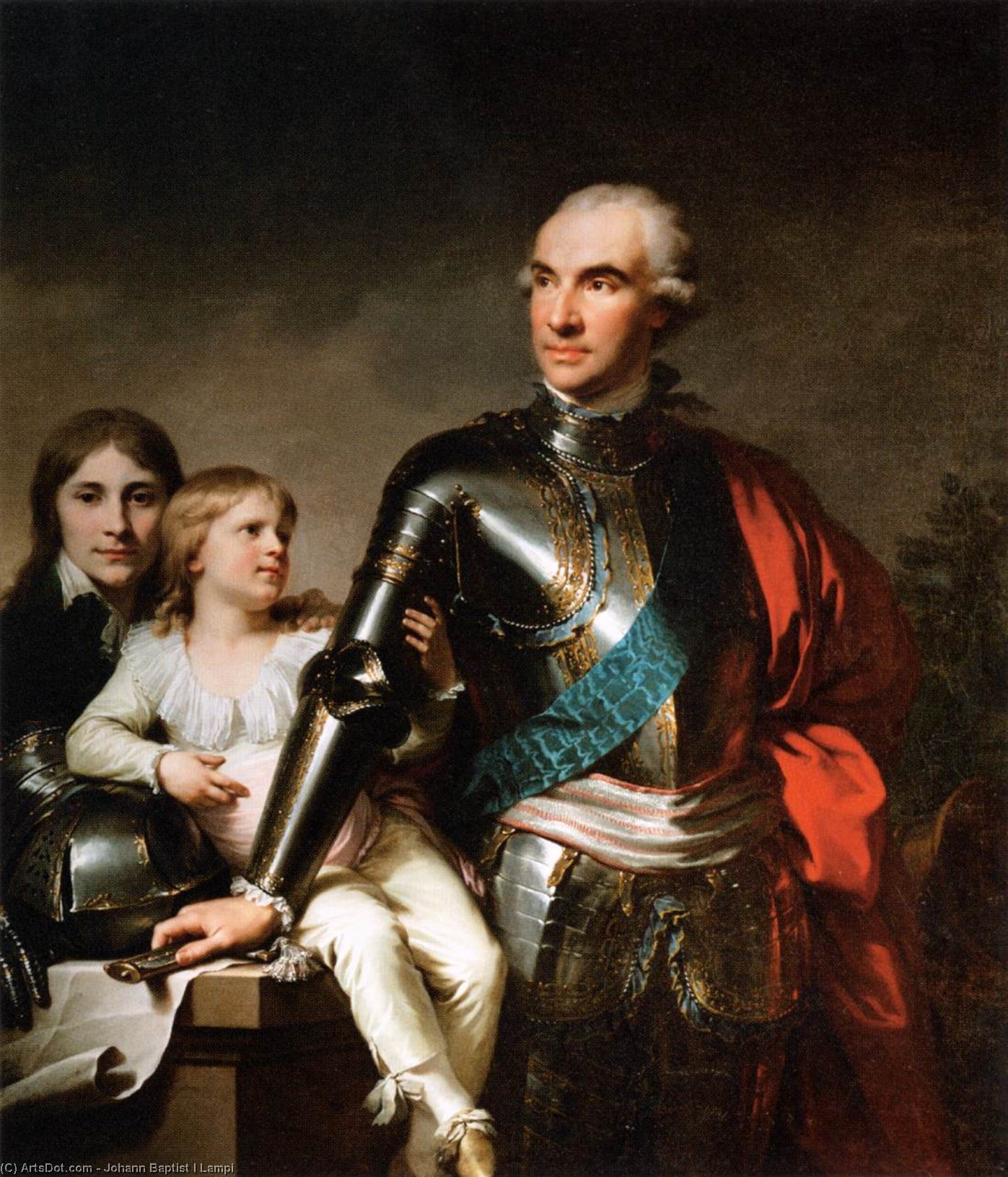
Count Stanislas Felix Potocki and his Two Sons
 Oil On Canvas
- WallArt
- Neoclassical
 1789
1789- Early Modern
 138.0 x 119.0 cm
 ルーブル美術館
 詳細を見る
詳細を見る
オンラインプレビューをはるかに凌ぐ、高解像度で鮮明なデジタル画像をご購入いただけます。
各ファイルは、社内の専門家が高度なツールと熟練した手作業によるレタッチを用いて、細心の注意を払って準備されています。すべての画像において、卓越した鮮明度、正確な色彩再現性、そして繊細なディテールを保証いたします。
最終ファイルは、プロフェッショナルな編集・印刷環境ですぐにご利用いただけるよう最適化された状態で、72時間以内にメールにてお届けいたします。これは、一流のデザインスタジオ、出版社、ギャラリーから信頼されているものと同等の品質です。
デジタル画像のご注文に付随する特典
高品質なデジタル画像配信を、確かな品質で。
ArtsDot.com を選ぶことは、単に画像を手に入れることではありません。それは、プロの手によって精密に仕上げられ、満足保証が付いた高品質なデジタルアートワークを受け取ることを意味します。ご注文いただいた際に自動的に付随する内容は、以下の通りです:

メールですぐにお届け
ご注文から72時間以内に、高解像度のデジタル画像ファイルがメールでお手元に届きます。すぐにそのままご利用いただけます。

AI技術で最適化されたデジタルファイル
お客様の作品は、高度なAIツールと専門家による手作業の編集を組み合わせてプロフェッショナルに最適化されており、細部のディテール、鮮明さ、そして正確な色再現性を最大限に引き出しています。

一生涯無料の再送サービス
ファイルを誤って削除したり、紛失してしまったりしましたか?ご安心ください。いつでも無料で再送いたします。

輸入手数料は一切かかりません
関税や手数料、配送料を気にすることなく、お気に入りのアートワークをすぐにお楽しみいただけます。デジタルダウンロードは常に免税です。

色彩再現の保証
プロ仕様のツールとカラーマネジメント技術を用いることで、デジタル画像が元の色を最大限に忠実に再現することを保証いたします。

60日間満足保証
ご購入いただいたデジタル画像にご満足いただけない場合は、60日以内であれば、修正または100%の返金(理由を問う必要はありません)をさせていただきます。

100% 返金保証
ご満足いただけない場合は、デジタルファイルを受け取ってから60日以内であれば、理由を問わず全額返金いたします。

まとめ買い割引
3枚購入で10%OFF - 5枚購入で15%OFF - 10枚以上購入で20%OFF。クリエイティブなプロジェクト、ギャラリー、エージェンシーに最適です。
A Portrait of Nobility Anchored in Tradition: Johann Baptist II Lampi’s Masterpiece
Johann Baptist II Lampi (1751-1830) stands as a pivotal figure in Austrian Baroque portraiture, embodying the grandeur and refinement characteristic of his era. Born into an artistic lineage – his father, Matteo Lampi, was celebrated for monumental frescoes – Lampi honed his craft under Salzburg’s influential tutelage before establishing himself in Vienna, where he secured a prestigious professorship at the Academy and captivated Emperor Joseph II with his talent. This article delves into the intricacies of “Count Stanislas Felix Potocki and his Two Sons,” examining its stylistic brilliance, technical mastery, and enduring legacy as a testament to Lampi’s artistic vision.Stylistic Influences & Compositional Harmony
Lampi's oeuvre is deeply rooted in classicizing principles, reflecting the broader artistic currents of Enlightenment Vienna. He skillfully employed chiaroscuro—the dramatic interplay of light and shadow—to sculpt the figures within the canvas, creating a palpable sense of depth and realism. The composition itself is meticulously balanced; Count Potocki dominates the central space, flanked by his two sons, establishing a hierarchy that speaks to the social conventions of the time. Notably, Lampi’s gaze directs towards the viewer, fostering an intimate connection between subject and observer—a hallmark of aristocratic portraiture intended to convey status and dignity. The subtle inclusion of a clock serves as a poignant reminder of temporal passage, subtly reinforcing the painting's contemplative mood.Technique & Material Considerations
Lampi’s technique demonstrates exceptional skill in capturing texture and detail. He achieved this through painstaking layering of thin glazes—a hallmark of Baroque oil painting—allowing for nuanced tonal variations and luminous effects. The artist meticulously rendered fabrics, particularly Potocki's suit and waistcoat, demonstrating an acute understanding of drapery and its ability to convey movement and form. Furthermore, the use of a warm earth pigment palette contributes to the painting’s overall atmosphere, evoking warmth and solidity—qualities associated with noble lineage and enduring values. The canvas itself was stretched taut and primed with gesso, ensuring optimal adhesion for the paint layers and preserving the artwork's integrity over centuries.Historical Context & Symbolic Significance
“Count Stanislas Felix Potocki and his Two Sons” emerged during a period of significant artistic patronage in Vienna—the Habsburg court actively commissioned artworks to bolster its prestige and solidify its cultural influence. The portrait reflects the aristocratic preoccupation with lineage, virtue, and social standing—themes prevalent throughout Baroque art. Count Potocki’s attire—a costume or armor—symbolizes military prowess and nobility, highlighting his position within the Austro-Hungarian aristocracy. The presence of the two sons underscores familial continuity and reinforces the importance of heritage. Moreover, the painting's serene setting—the interior of a stately home—contrasts sharply with the turbulent political landscape of Poland at the time, encapsulating a moment of stability amidst broader societal upheaval.Emotional Resonance & Legacy
Beyond its formal qualities, “Count Stanislas Felix Potocki and his Two Sons” possesses an undeniable emotional resonance. Lampi’s masterful depiction captures not only physical likeness but also psychological character—revealing Potocki's composure and paternal affection. The painting transcends mere representation; it embodies the ideals of aristocratic culture—honor, duty, and familial devotion. Today, reproductions of this masterpiece continue to inspire admiration for its artistic excellence and offer a glimpse into the opulent world of 18th-century Habsburg Vienna. Its enduring appeal testifies to Lampi’s ability to distill complex ideas into a visually compelling narrative that resonates across time.関連作品




作家の略歴
Johann Baptist II Lampi: Life and Legacy
Early Life and Artistic Training
- Johann Baptist II Lampi was born on December 31, 1751, in Romeno, Tyrol (modern-day Italy/Austria).
- He came from a family of artists; his father, Matteo (Mattia) Lampi, was a decorative painter known for frescoes.
- Lampi initially studied art under his father in Verona and later continued his education in Salzburg.
- In 1773, he moved to Trento where he honed his skills as a portraitist working with canvases and miniatures.
Career Development & Vienna
- Lampi traveled through Innsbruck and eventually settled in Vienna in 1786.
- His talent was recognized, and Emperor Joseph II appointed him a professor at the Vienna Academy.
- That same year, he received an invitation to work for King Stanisław II Augustus in Warsaw, marking a significant turning point in his career.
Warsaw & The Russian Empire
- Lampi flourished in Warsaw until the partitions of Poland disrupted artistic life there.
- In 1791, he relocated to St. Petersburg, Russia, where Empress Catherine II bestowed upon him a hereditary knighthood.
- This move proved incredibly lucrative; Lampi became highly sought after for his portraiture skills among the Russian nobility.
- He painted prominent figures including Empress Catherine II and Empress Maria Feodorovna.
Return to Vienna & Later Life
- Lampi returned to Vienna in 1797, becoming an honorary citizen of the city in 1799.
- He received a pension in 1822 and passed away on February 11, 1830, in Vienna.
Artistic Style & Influences
- Lampi’s style is characterized by realistic portraiture with attention to detail and a refined elegance.
- He was influenced by his father's decorative painting skills and the prevailing artistic trends of the late 18th century, including Neoclassicism.
- His work often reflects the grandeur and status of his aristocratic sitters.
Family Legacy & Sons
- Both of Lampi’s sons followed in his footsteps as accomplished painters.
- Johann Baptist III Lampi spent time with his father in Russia, continuing the family tradition there.
- Francesco (Franz Xaver) Lampi settled in Warsaw and became known as Franciszek Ksawery Lampi, establishing himself as a prominent artist in Poland.
Major Achievements & Historical Significance
- Lampi’s portraits provide valuable insights into the lives and appearances of European nobility during a period of significant political and social change.
- His success in both Vienna, Warsaw, and St. Petersburg demonstrates his adaptability and artistic skill.
- He played a key role in establishing portraiture as a prestigious art form within the Russian Imperial court.
- His work remains an important part of the artistic heritage of Austria, Poland, and Russia.

Johann Baptist II Lampi
1751 - 1830 , Austria
プロフィール概要
- Birth Date: 1751-12-31
- Birth Place: Romeno, Tyrol
- Death Date: 1830-02-11
- Influenced:
- Johann Baptist III Lampi
- Francesco (Franz Xaver) Lampi
- Influenced By: Matteo (Mattia) Lampi
- Movement: Historical painting, Portraiture
- Name: Johann Baptist II Lampi
- Nationality: Austrian-Italian
- Notable Works:
- Portrait of Catherine II
- Count Stanislas Felix Potocki and his Two Sons

