

 プレビュー
プレビュー
 プリントを購入
 シェアする
シェアする シェアする
シェアする
 詳細を見る
詳細を見る

 ダウンロード
 似ている作品
 X線調査
X線調査 スライドショー
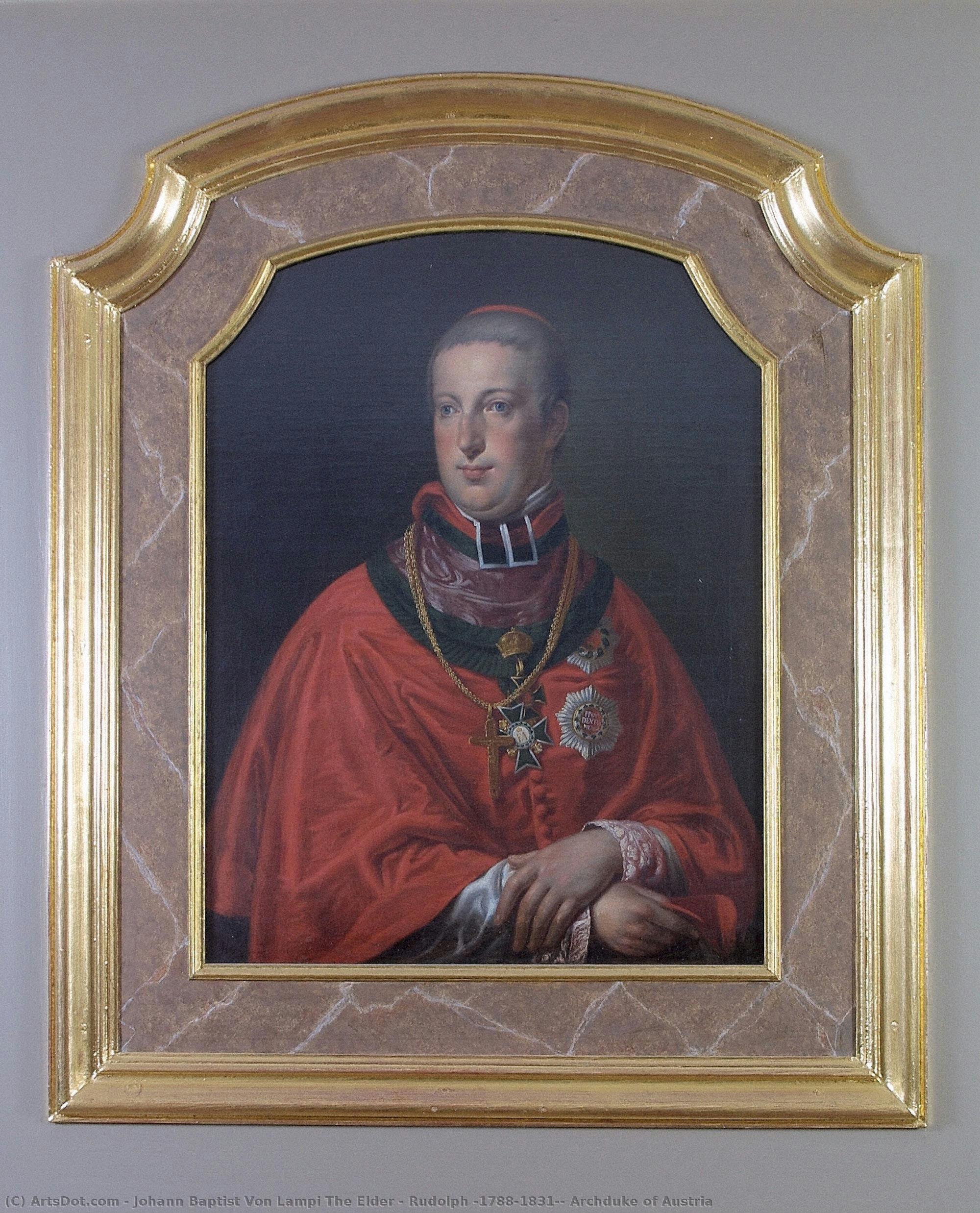
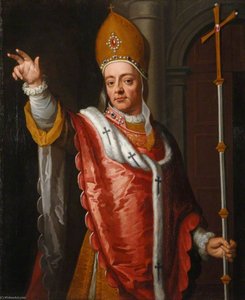
Rudolph (1788-1831), Archduke of Austria


 詳細を見る
詳細を見る




P118B $10

P118H $10

P118W $10

P438Z $10

P508JH $12

P508YH $12

P805H $10

P805Z $10

P919BZ $10

P919G $10

P919XJ $10

P959ZH $10

P968JZ $12

W106C $8

W218G $10

W218JH $8

W218Y $10

W307PJ $10

W316G $10

W316PJ $8

W316Y $10

W398PJ $8

W4111J $10

W500HY $15

W500JH $15

W692G $12

W849H $8

W940BG $15

W953PJ $8




作品のオリジナル比率に合わせた、当店の規定サイズからお選びください。

特定のフレームやスペースに合わせて、ご希望のサイズをご入力いただけます。選択されたサイズが元の画像の比率と異なる場合、アートワークをトリミングするか、手描きで要素を追加して絵画を拡張いたします。デジタルモックアップ を制作し、制作開始前にご確認(承認)をいただきます。
画面上のプレビューは、実際のトリミングや拡張を正確に反映しているものではありません。最終的な構図は、モックアップによってのみ正確にご確認いただけます。
カスタムサイズもご利用いただけますが、元の比率を維持するためには、あらかじめ用意されたリストからサイズを選択することをお勧めいたします。
ご注文後、ArtsDot.com チームより詳細な指示をお送りするとともに、仕上がりイメージ(モックアップ)をご提供いたします。


 ガラスオプションは、110cm未満のサイズでのみご利用いただけます。

Rudolph (1788-1831), Archduke of Austria
複製技法
複製画のサイズ
-


合計金額
$ 263
Rudolph’s Regal Portrait: A Viennese Vision of Habsburg Legacy
Johann Baptist von Lampi the Elder's portrait of Rudolph Archduke Franz Karl Maximilian Joseph (1788-1831) stands as a cornerstone of Austrian Baroque and Romantic art, encapsulating the grandeur of the Habsburg monarchy during its zenith. Painted in 1825, this artwork transcends mere representation; it embodies a carefully crafted narrative of lineage, piety, and imperial aspiration.- Subject Matter: The portrait depicts Rudolph Archduke Franz Karl Maximilian Joseph, heir to the Austro-Hungarian throne, seated formally against a richly textured crimson drapery. His gaze is downward, conveying solemn contemplation rather than outward bravado – a deliberate choice reflecting the prevailing artistic sensibilities of the time.
- Style & Technique: Lampi’s style exemplifies the neoclassical influence tempered by Romantic idealism. He employs meticulous detail in rendering Rudolph's clothing and jewelry—particularly the ornate pectoral crucifix—demonstrating mastery of chiaroscuro, a technique perfected during his formative years under Francesco Lorenzi. The subdued palette contributes to an atmosphere of dignified restraint.
Historical Context: Catherine II’s Patronage & Habsburg Ascendancy
The painting's commission by Empress Catherine II of Russia underscores the Habsburg dynasty’s position as a dominant force in European politics. Catherine II, known for her fervent belief in divine providence and her patronage of artistic endeavors, recognized Lampi’s talent and entrusted him with immortalizing Rudolph’s likeness – a symbol of imperial stability amidst turbulent geopolitical shifts. This commission speaks to the broader cultural preoccupation with portraying rulers as embodiments of virtue and strength.- Symbolism: The crimson drapery symbolizes royal authority and nobility, while the pectoral crucifix serves as a potent emblem of faith—a cornerstone of Habsburg identity. Rudolph’s posture reflects the aristocratic ideal of composure and piety, aligning with the moral values championed by the Habsburg court.
Emotional Impact & Artistic Legacy
Beyond its formal elements, Lampi's portrait resonates with a profound emotional depth. The artist skillfully captures Rudolph’s inner stillness—a contemplative gaze that hints at weighty responsibilities and unwavering devotion. This portrayal exemplifies the Romantic preoccupation with psychological realism, elevating the portrait beyond mere likeness to convey an enduring sense of dignity and solemn grandeur. It remains a celebrated exemplar of Habsburg aristocratic portraiture, influencing subsequent generations of artists.- Conclusion: Rudolph’s Regal Portrait continues to captivate viewers today, offering a glimpse into the artistic conventions and political ambitions of a pivotal moment in European history. Lampi's meticulous technique and masterful composition solidify his place as one of Austria’s most distinguished portrait painters—a testament to the enduring power of art to communicate both visual splendor and profound human emotion.
関連作品


アーティストの略歴
Johann Baptist von Lampi the Elder: A Polish Legacy Forged in Vienna and Russia
Born in Romeno, Italy, in 1751 – a place steeped in artistic tradition thanks to his father’s work as a decorative painter – Johann Baptist von Lampi the Elder (also known as Giovanni Battista Lampi) embarked on an extraordinary career that spanned continents and intertwined with the courts of Europe. His journey, marked by both classical training and a deep engagement with the burgeoning Romantic movement, ultimately established him as one of the most significant portrait painters of his era, particularly renowned for his depictions of nobility and imperial figures. Lampi’s life was not simply a chronicle of artistic achievement; it was a testament to adaptability, ambition, and the complex political currents shaping 18th and early 19th-century Europe.
Early influences were firmly rooted in the Italian Baroque tradition, particularly the work of Francesco Lorenzi, who taught him at Verona. Lampi’s initial style leaned towards a somewhat dry, academic classicism, evident in works like “Christ on the Cross” (1779), characterized by restrained colors and simplified forms. However, he quickly absorbed the influence of his Salzburg mentor, Peter Anton Lorenzoni, whose frescoes adorned numerous elegant buildings, introducing him to a broader range of subjects and techniques. This early exposure laid the groundwork for his later success in portraiture, where he skillfully combined classical ideals with a growing sensitivity to individual character.
Vienna Academy and Imperial Commissions
In 1786, Lampi’s talent caught the eye of the Emperor Joseph II, who appointed him a professor at the Vienna Academy. This marked a pivotal moment in his career, providing him with institutional support and access to a vibrant artistic community. It was during this period that he began to refine his technique, embracing a more dynamic approach while retaining a core commitment to classical principles. Notably, Lampi’s portrait of Empress Catherine II of Russia stands as a testament to his ability to capture the regal bearing and subtle nuances of powerful figures. This commission, along with others from the Russian court, cemented his reputation as a favored artist among European royalty.
Lampi's work for the Russian Empire was particularly significant. He not only painted portraits of Empress Catherine II but also became deeply embedded in the social and political life of St. Petersburg. The generous offer he received from Tsar Paul I – a substantial sum that effectively guaranteed his financial security – led him to settle permanently in Russia, where he continued to produce works for the imperial court and wealthy patrons. His style subtly adapted to the tastes of the Russian aristocracy, incorporating elements of Rococo elegance while maintaining a refined classical sensibility.
A Polish Connection and Romanticism
Despite his success in Russia, Lampi’s life was inextricably linked to Poland through his family history. His father had been invited to Warsaw by King Stanisław II Augustus in 1786, and Lampi himself followed shortly after, drawn by the promise of patronage and artistic opportunities. He quickly established a reputation as a skilled portraitist, capturing the likenesses of prominent figures within the Polish nobility. This period marked a shift towards a more expressive style, influenced by the emerging Romantic movement – a trend he embraced with increasing enthusiasm.
The influence of Romanticism is particularly evident in his later works, characterized by heightened emotion, dramatic lighting, and an interest in capturing the psychological depth of his subjects. His portraits of women, in particular, often convey a sense of vulnerability and inner strength – qualities that resonated deeply with the sensibilities of the era. He also produced evocative landscapes, reflecting the Romantic fascination with nature’s power and beauty. His son, Franciszek Ksawery Lampi, continued this legacy, establishing himself as a leading landscape and portrait artist in Poland.
Legacy and Artistic Significance
Johann Baptist von Lampi the Elder died in Vienna in 1830, leaving behind a substantial body of work that continues to be admired for its technical skill, elegance, and historical significance. His portraits offer invaluable insights into the lives and personalities of European royalty and nobility, while his landscapes capture the spirit of the Romantic era. His legacy extends beyond individual artworks; he represents a fascinating intersection of artistic traditions – Italian Baroque, Viennese Classicism, and Polish Romanticism – reflecting the complex cultural landscape of 18th and early 19th-century Europe. His works are now housed in museums across Germany and Poland, ensuring that his contributions to art history will be appreciated for generations to come.
For further exploration, consider visiting the Gemäldegalerie Alte Meister in Germany, where you can view a selection of Lampi’s portraits, including the iconic depiction of Empress Catherine II. Additionally, researching the works of his son, Franciszek Ksawery Lampi, provides valuable context to understanding the family's artistic lineage and their impact on Polish art.
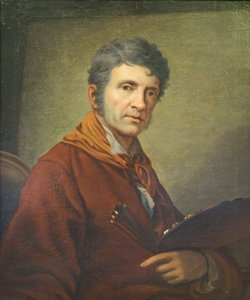
johann baptist von lampi the elder
1751 - 1830 , Italy
基本情報
- Artistic Movement Or Style: Classicizing Portraiture
- Artists Or Movements Influenced By This Artist:
- Johann Baptist Lampi the Younger
- Franciszek Ksawery Lampi
- Artists Who Influenced This Artist:
- Francesco Lorenzi
- Tiepolo school
- Date Of Birth: December 31, 1751
- Date Of Death: February 11, 1830
- Full Name: Johann Baptist von Lampi the Elder”
- Nationality: Austrian-Italian
- Notable Artworks:
- Message by Ter Borch
- Perseus liberating Andromeda
- Pond in Tsarskoe Selo
- Portrait of Catherine II
- Place Of Birth: Romeno, Italy
関連記事

黄金世紀の巨匠たち:バロック絵画が彩る10選|ArtsDot
オランダ黄金時代の10大傑作を紐解く!レンブラント、フェルメール…バロック絵画の魅力と時代背景を深く探求。ArtsDotで、至高のアートコレクションと空間演出のヒントを見つけよう。高品質なアートプリントで、お部屋を華やかに。
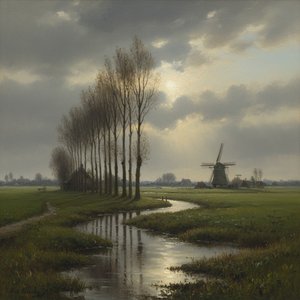
Johannes Bosboom: Light, Landscape & the Dutch Realist Tradition
Explore the captivating world of Johannes Bosboom, a master of Dutch Realism renowned for his evocative church interiors & landscapes. Discover his life, techniques, and enduring legacy with ArtsDot.
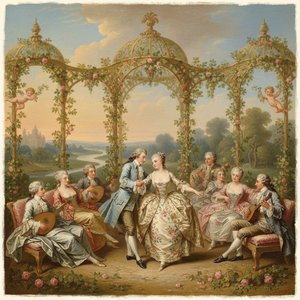
Jean-Baptiste Pater: Rococo Charm & Ephemeral Beauty of 18th-Century France
Explore the captivating world of Jean-Baptiste Pater, a master of Rococo painting. Discover his elegant *fête galante* scenes and shimmering portraits – a glimpse into 18th-century French aristocracy. Learn about his legacy & find high-quality reproductions.
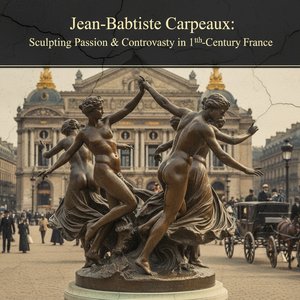
Jean-Baptiste Carpeaux: Sculpting Passion & Controversy in 19th-Century France
Explore the passionate life & controversial works of Jean-Baptiste Carpeaux, a leading French sculptor of the Second Empire. Discover his realism, iconic sculptures like 'Ugolino,' and lasting legacy as a precursor to Rodin.
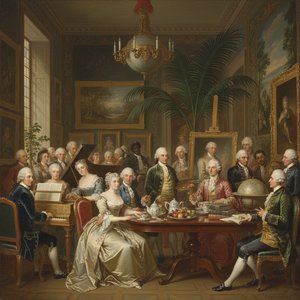
Johann Zoffany: Capturing Georgian Society with Brushstrokes of Cosmopolitan Flair
Explore the captivating world of Johann Zoffany, master portraitist of Georgian society. Discover his unique 'conversation pieces,' imperial commissions & lasting legacy. A guide for discerning collectors.

