

 プレビュー
プレビュー
 シェアする
シェアする シェアする
シェアする
 詳細を見る
詳細を見る

 ダウンロード
 似ている作品
 X線調査
X線調査 スライドショー
 統計情報
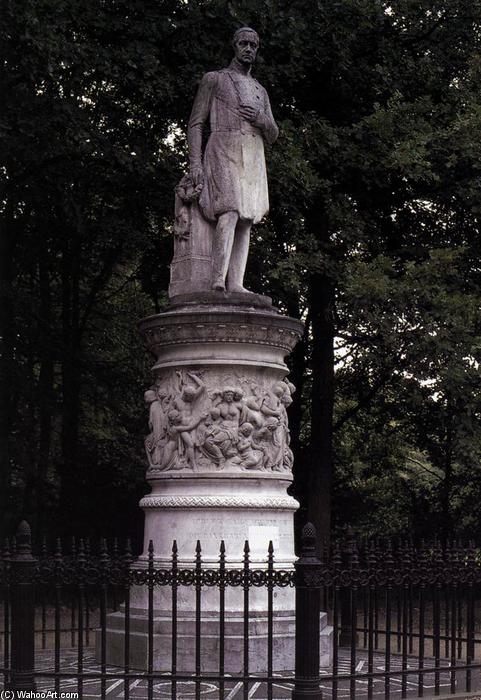
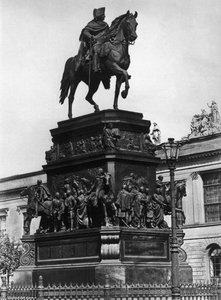
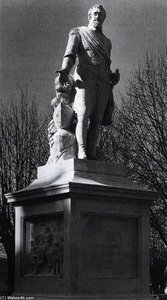
統計情報Monument to King Frederick William III of Prussia


 詳細を見る
詳細を見る
手描き油彩複製画
当社のアーティストが、お客様のご希望のサイズと額縁に合わせて、キャンバスに手描きで制作する油彩画です。 ( プリント版に切り替え デジタル画像販売へ切り替え)




































作品のオリジナル比率に合わせた、当店の規定サイズからお選びください。

特定のフレームやスペースに合わせて、ご希望のサイズをご入力いただけます。選択されたサイズが元の画像の比率と異なる場合、アートワークをトリミングするか、手描きで要素を追加して絵画を拡張いたします。デジタルモックアップ を制作し、制作開始前にご確認(承認)をいただきます。
画面上のプレビューは、実際のトリミングや拡張を正確に反映しているものではありません。最終的な構図は、モックアップによってのみ正確にご確認いただけます。
カスタムサイズもご利用いただけますが、元の比率を維持するためには、あらかじめ用意されたリストからサイズを選択することをお勧めいたします。
ご注文後、ArtsDot.com チームより詳細な指示をお送りするとともに、仕上がりイメージ(モックアップ)をご提供いたします。


 ガラスオプションは、110cm未満のサイズでのみご利用いただけます。

Monument to King Frederick William III of Prussia
複製技法
複製画のサイズ
-


合計金額
$ 263
関連作品

アーティストの略歴
The Sculptor of Prussian Grandeur
Johann Friedrich Drake stands as a towering figure in the annals of German sculpture, a master whose hands breathed life into stone and metal to embody the very spirit of Prussia during the Romantic era. Born in Hamburg in 1805, Drake’s journey from the son of a humble mechanic to a celebrated Royal Professor is a testament to an extraordinary innate creativity. His early years were defined by the practical, tactile world of a turner's apprenticeship in Minden, where the precision of mechanical skill would later inform his unparalleled mastery over sculptural detail. It was through the serendipitous discovery of his clay models by a relative of the great Christian Daniel Rauch that Drake’s destiny shifted, leading him to the prestigious Berlin studio of Rauch, where he began to absorb the sophisticated techniques of the era's most influential masters.
The trajectory of Drake’s career was profoundly shaped by his exposure to the classical ideals of Italy and the mentorship of legendary figures. A pivotal study trip in 1836, funded by Rauch’s generous patronage, allowed Drake to immerse himself in the timeless beauty of Classical sculpture. This period of exploration was further enriched by his encounter with Bertel Thorvaldsen, whose recognition of Drake's potential provided the artist with the momentum needed to ascend within the Prussian Academy of Arts. By blending the restrained, idealized forms of Weimar Classicism with the emotional intensity and realism characteristic of Romanticism, Drake developed a unique aesthetic language. His work did not merely replicate reality; it elevated historical figures into eternal icons of national identity.
A Legacy in Stone and Metal
Drake’s workshop became a crucible of Prussian commemoration, constantly producing works that captured the essence of the century's most significant personalities. His ability to manipulate diverse materials allowed him to execute everything from intimate, soulful busts to colossal, awe-inspiring monuments. His technical prowess was so profound that he even applied his mechanical background to invent specialized frames for nude models, ensuring the anatomical precision that became a hallmark of his style. The breadth of his subject matter reflected the intellectual and political landscape of his time, as seen in his various notable commissions:
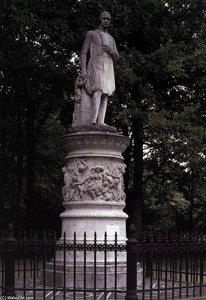
- The Monument to King Frederick William III of Prussia, a somber and powerful tribute rendered in stone and metal.
- A colossal statue of Justus Möser in Osnabrück, which served as his first major professional triumph.
- Commemorative works for scientific and political giants, including Alexander von Humboldt and Otto von Bismarck.
- The triumphant figure of Victory atop the iconic Berlin Victory Column.
Beyond his individual sculptures, Drake’s historical significance lies in his role as a custodian of German cultural memory. As Vice-chancellor of the Academy and a recipient of the Order of Merit of the Prussian Crown, he occupied a central position in the artistic establishment. His works served as much more than mere decorations; they were political and cultural anchors that helped define the prestige of the Prussian state. Through his meticulous attention to detail and his ability to weave historical narrative into physical form, Johann Friedrich Drake ensured that the faces and triumphs of his era would remain etched in the collective consciousness of the world.
Johann Friedrich Drake
1805 - 1882 , Germany
基本情報
- Artistic Movement Or Style: Classical Sculpture
- Artists Or Movements Influenced By This Artist: ['Neoclassicism']
- Artists Who Influenced This Artist: ['Bertel Thorvaldsen']
- Date Of Birth: Hamburg, Germany (1805)
- Date Of Death: 1882
- Full Name: Johann Friedrich Drake
- Nationality: German
- Notable Artworks:
- Monument to King Frederick William III of Prussia
- Victory on top of the Berlin Victory Column
- Eight Provinces of Prussia
- Stiftskirche St. Johann
- Place Of Birth: Hamburg
関連記事

The Enduring Form: Exploring Themes & Techniques in Sculpture Across Historical Periods
Explore the rich history of sculpture from ancient masterpieces to contemporary innovations. Discover key techniques, influential artists & investment potential for discerning art collectors.

Bronze Sculptures That Defined Art History | ArtsDot
Journey through art history with our Top 10 bronze sculptures! Explore masterpieces by Rodin, Michelangelo & more. Discover stories behind iconic statues and find museum-quality reproductions for your home decor at ArtsDot.com.
青銅彫刻の永続的遺産:歴史、技法、そして現代における解釈
青銅彫刻の歴史、技法、現代における解釈を専門家が解説。古代から現代までの貴重な作品群を深く理解し、コレクションや投資に役立つ情報を提供します。美術品鑑定、修復についてもご紹介。

Bronze Age to Modern Masters: 10 Sculptures That Redefined Art | ArtsDot
Journey through art history with 10 legendary bronze sculptures – from Michelangelo's David to Rodin’s Thinker. Explore the stories, techniques & timeless beauty of these masterpieces. Find museum-quality reproductions & elevate your home decor on ArtsDot.com.

The Enduring Form: Sculpture Across History, Technique & Emotional Resonance
Explore the rich history of sculpture with ArtsDot. Discover key techniques, influential artists & investment potential for discerning collectors. Expert insights into valuing and collecting timeless masterpieces.