

 プレビュー
プレビュー
 シェアする
シェアする シェアする
シェアする
 詳細を見る
詳細を見る

 ダウンロード
 似ている作品
 X線調査
X線調査 スライドショー
 統計情報
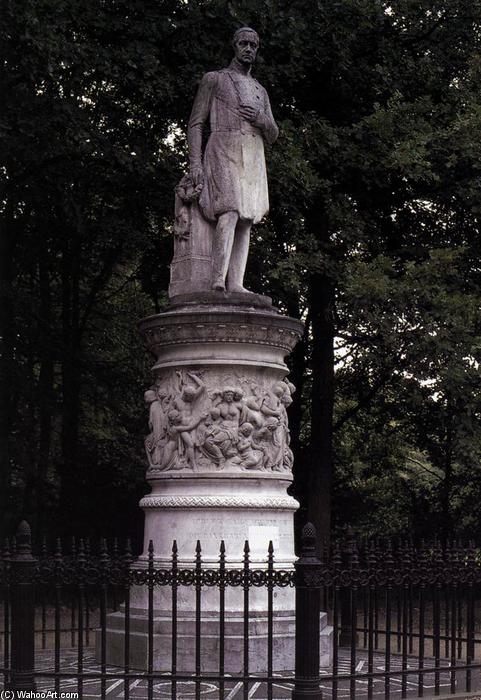
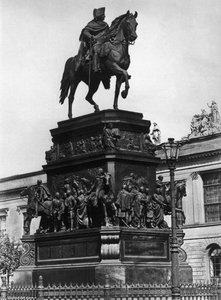
統計情報Monument to King Frederick William III of Prussia


 詳細を見る
詳細を見る
オンラインプレビューをはるかに凌ぐ、高解像度で鮮明なデジタル画像をご購入いただけます。
各ファイルは、社内の専門家が高度なツールと熟練した手作業によるレタッチを用いて、細心の注意を払って準備されています。すべての画像において、卓越した鮮明度、正確な色彩再現性、そして繊細なディテールを保証いたします。
最終ファイルは、プロフェッショナルな編集・印刷環境ですぐにご利用いただけるよう最適化された状態で、72時間以内にメールにてお届けいたします。これは、一流のデザインスタジオ、出版社、ギャラリーから信頼されているものと同等の品質です。
デジタルアート
個人での鑑賞、印刷、クリエイティブなプロジェクト用に、高解像度ファイルをダウンロードできます。 ( プリント版に切り替え 手描きの絵画を購入)
デジタル画像のご注文に付随する特典
高品質なデジタル画像配信を、確かな品質で。
ArtsDot.com を選ぶことは、単に画像を手に入れることではありません。それは、プロの手によって精密に仕上げられ、満足保証が付いた高品質なデジタルアートワークを受け取ることを意味します。ご注文いただいた際に自動的に付随する内容は、以下の通りです:

メールですぐにお届け
ご注文から72時間以内に、高解像度のデジタル画像ファイルがメールでお手元に届きます。すぐにそのままご利用いただけます。

AI技術で最適化されたデジタルファイル
お客様の作品は、高度なAIツールと専門家による手作業の編集を組み合わせてプロフェッショナルに最適化されており、細部のディテール、鮮明さ、そして正確な色再現性を最大限に引き出しています。

一生涯無料の再送サービス
ファイルを誤って削除したり、紛失してしまったりしましたか?ご安心ください。いつでも無料で再送いたします。

輸入手数料は一切かかりません
関税や手数料、配送料を気にすることなく、お気に入りのアートワークをすぐにお楽しみいただけます。デジタルダウンロードは常に免税です。

色彩再現の保証
プロ仕様のツールとカラーマネジメント技術を用いることで、デジタル画像が元の色を最大限に忠実に再現することを保証いたします。

100日間満足保証
ご購入いただいたデジタル画像にご満足いただけない場合は、100日以内であれば、理由を問わず修正または100%の返金対応をさせていただきます。

100% 返金保証
ご満足いただけない場合は、デジタルファイルを受け取ってから100日以内であれば、理由を問わず全額返金いたします。

まとめ買い割引
3枚購入で10%OFF - 5枚購入で15%OFF - 10枚以上購入で20%OFF。クリエイティブなプロジェクト、ギャラリー、エージェンシーに最適です。
関連作品

作家の略歴
The Sculptor of Prussian Grandeur
Johann Friedrich Drake stands as a towering figure in the annals of German sculpture, a master whose hands breathed life into stone and metal to embody the very spirit of Prussia during the Romantic era. Born in Hamburg in 1805, Drake’s journey from the son of a humble mechanic to a celebrated Royal Professor is a testament to an extraordinary innate creativity. His early years were defined by the practical, tactile world of a turner's apprenticeship in Minden, where the precision of mechanical skill would later inform his unparalleled mastery over sculptural detail. It was through the serendipitous discovery of his clay models by a relative of the great Christian Daniel Rauch that Drake’s destiny shifted, leading him to the prestigious Berlin studio of Rauch, where he began to absorb the sophisticated techniques of the era's most influential masters.
The trajectory of Drake’s career was profoundly shaped by his exposure to the classical ideals of Italy and the mentorship of legendary figures. A pivotal study trip in 1836, funded by Rauch’s generous patronage, allowed Drake to immerse himself in the timeless beauty of Classical sculpture. This period of exploration was further enriched by his encounter with Bertel Thorvaldsen, whose recognition of Drake's potential provided the artist with the momentum needed to ascend within the Prussian Academy of Arts. By blending the restrained, idealized forms of Weimar Classicism with the emotional intensity and realism characteristic of Romanticism, Drake developed a unique aesthetic language. His work did not merely replicate reality; it elevated historical figures into eternal icons of national identity.
A Legacy in Stone and Metal
Drake’s workshop became a crucible of Prussian commemoration, constantly producing works that captured the essence of the century's most significant personalities. His ability to manipulate diverse materials allowed him to execute everything from intimate, soulful busts to colossal, awe-inspiring monuments. His technical prowess was so profound that he even applied his mechanical background to invent specialized frames for nude models, ensuring the anatomical precision that became a hallmark of his style. The breadth of his subject matter reflected the intellectual and political landscape of his time, as seen in his various notable commissions:
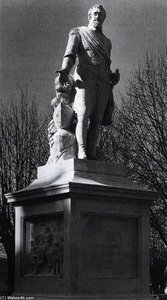
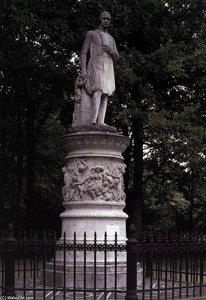
- The Monument to King Frederick William III of Prussia, a somber and powerful tribute rendered in stone and metal.
- A colossal statue of Justus Möser in Osnabrück, which served as his first major professional triumph.
- Commemorative works for scientific and political giants, including Alexander von Humboldt and Otto von Bismarck.
- The triumphant figure of Victory atop the iconic Berlin Victory Column.
Beyond his individual sculptures, Drake’s historical significance lies in his role as a custodian of German cultural memory. As Vice-chancellor of the Academy and a recipient of the Order of Merit of the Prussian Crown, he occupied a central position in the artistic establishment. His works served as much more than mere decorations; they were political and cultural anchors that helped define the prestige of the Prussian state. Through his meticulous attention to detail and his ability to weave historical narrative into physical form, Johann Friedrich Drake ensured that the faces and triumphs of his era would remain etched in the collective consciousness of the world.
Johann Friedrich Drake
1805 - 1882 , Germany
プロフィール概要
- Artistic Movement Or Style: Classical Sculpture
- Artists Or Movements Influenced By This Artist: ['Neoclassicism']
- Artists Who Influenced This Artist: ['Bertel Thorvaldsen']
- Date Of Birth: Hamburg, Germany (1805)
- Date Of Death: 1882
- Full Name: Johann Friedrich Drake
- Nationality: German
- Notable Artworks:
- Monument to King Frederick William III of Prussia
- Victory on top of the Berlin Victory Column
- Eight Provinces of Prussia
- Stiftskirche St. Johann
- Place Of Birth: Hamburg