 プレビュー
プレビュー
 シェアする
シェアする シェアする
シェアする
 詳細を見る
詳細を見る

 ダウンロード
 似ている作品
 X線調査
X線調査 スライドショー
 統計情報
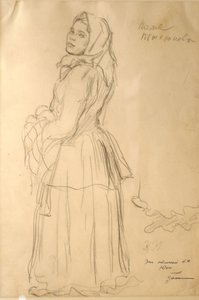
統計情報Portrait of the Artist
 Acrylic On Canvas
- WallArt
- Romanticism
 1790
1790 22.0 x 17.0 cm
 美術館
美術館
 詳細を見る
詳細を見る
手描き油彩複製画
当社のアーティストが、お客様のご希望のサイズと額縁に合わせて、キャンバスに手描きで制作する油彩画です。 ( プリント版に切り替え デジタル画像販売へ切り替え)




P118B $10

P118H $10

P118W $10

P438Z $10

P508JH $12

P508YH $12

P805H $10

P805Z $10

P919BZ $10

P919G $10

P919XJ $10

P959ZH $10

P968JZ $12

W106C $8

W218G $10

W218JH $8

W218Y $10

W307PJ $10

W316G $10

W316PJ $8

W316Y $10

W398PJ $8

W4111J $10

W500HY $15

W500JH $15

W692G $12

W849H $8

W940BG $15

W953PJ $8




作品のオリジナル比率に合わせた、当店の規定サイズからお選びください。

特定のフレームやスペースに合わせて、ご希望のサイズをご入力いただけます。選択されたサイズが元の画像の比率と異なる場合、アートワークをトリミングするか、手描きで要素を追加して絵画を拡張いたします。デジタルモックアップ を制作し、制作開始前にご確認(承認)をいただきます。
画面上のプレビューは、実際のトリミングや拡張を正確に反映しているものではありません。最終的な構図は、モックアップによってのみ正確にご確認いただけます。
カスタムサイズもご利用いただけますが、元の比率を維持するためには、あらかじめ用意されたリストからサイズを選択することをお勧めいたします。
ご注文後、ArtsDot.com チームより詳細な指示をお送りするとともに、仕上がりイメージ(モックアップ)をご提供いたします。


 ガラスオプションは、110cm未満のサイズでのみご利用いただけます。

Portrait of the Artist
複製技法
複製画のサイズ
-


合計金額
$ 263
Johann Heinrich Füssli’s “Portrait of the Artist”: A Window Into Romantic Imagination
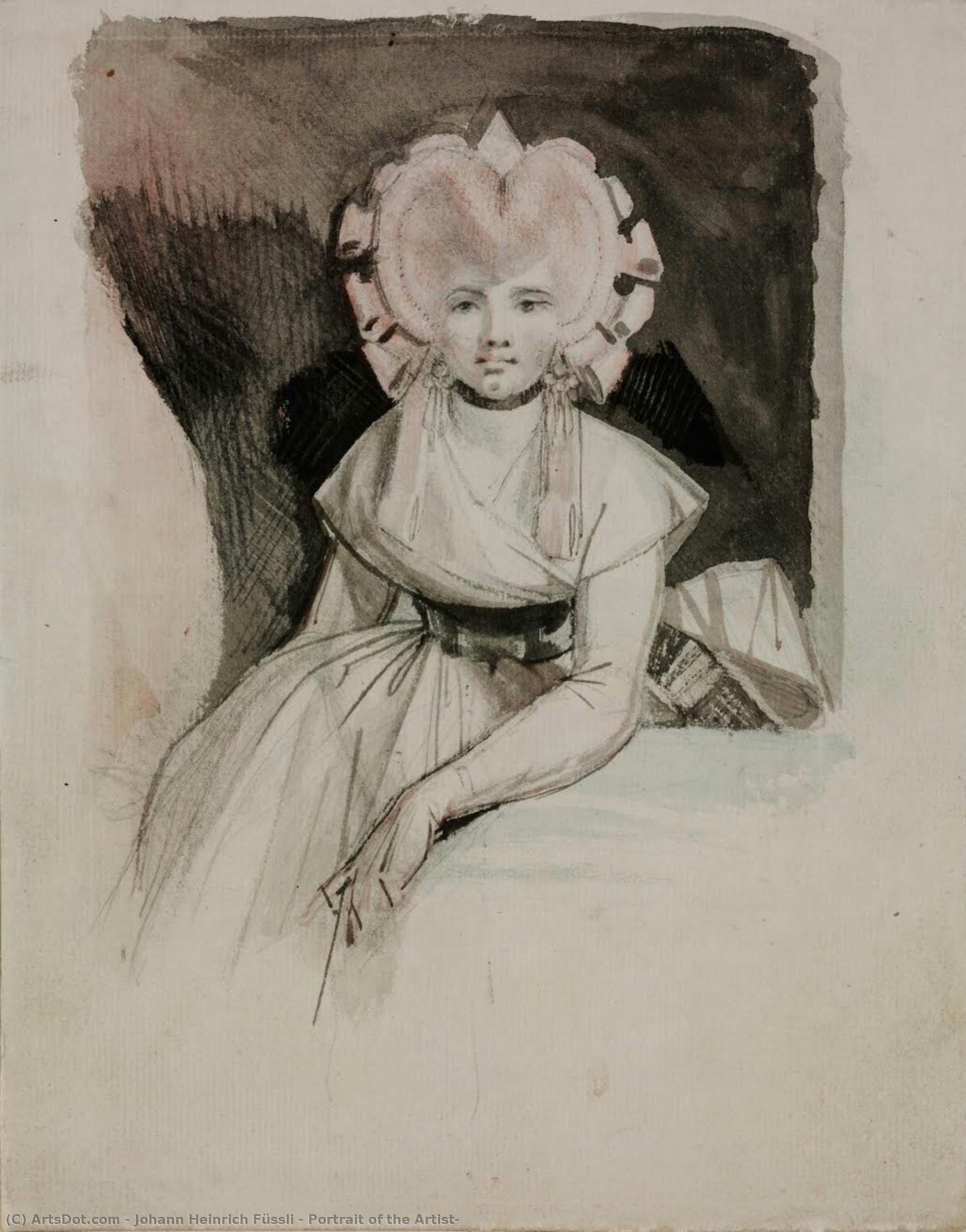
The artwork "Portrait of the Artist," executed by Johann Heinrich Füssli in 1790, stands as a poignant emblem of the burgeoning Romantic movement and its fascination with psychological depth. Born in Zurich in 1741, Füssli’s artistic journey began amidst the intellectual fervor of Enlightenment Switzerland but swiftly pivoted toward an exploration of emotion and intuition – qualities that would define his distinctive oeuvre. His formative years at the Collegium Carolinum instilled a rigorous classical education, yet it was his subsequent sojourn in Rome between 1770 and 1778 that truly ignited his artistic sensibility, exposing him to the grandeur of antiquity and inspiring him to embrace bolder stylistic choices.Style and Technique: The Dreamlike Palette of Romanticism
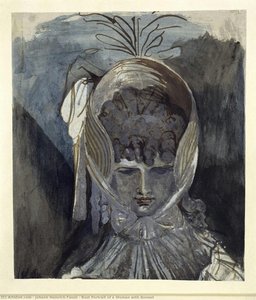
Füssli’s technique exemplifies the Romantic preoccupation with capturing inner experience rather than merely representing external reality. Employing watercolor on paper – a medium favored for its luminosity and ability to convey subtle tonal variations – he achieved an ethereal quality that transcends mere visual depiction. The delicate washes of color, particularly in hues reminiscent of twilight skies and misty landscapes, contribute to a palpable sense of melancholy and contemplation. Notably, Füssli’s masterful use of chiaroscuro—the dramatic interplay between light and shadow—creates a captivating illusionistic effect, emphasizing the contours of the woman's face and highlighting her gaze as she looks off into the distance. This deliberate manipulation of light serves not only to enhance visual appeal but also to symbolize inner turmoil and unspoken emotions.Historical Context: Milestones of Artistic Expression
Painted during the apex of Romanticism’s influence, “Portrait of the Artist” reflects the movement's core tenets – a rejection of Neoclassical formalism in favor of subjective feeling and imaginative storytelling. Contemporaneous with Winckelmann’s groundbreaking treatise on Greek sculpture (“Geschichte der Kunst”), which championed idealized beauty and rational harmony, Füssli’s work represents an antithesis to these ideals. Instead, he delves into the realm of dreams and subconscious desires, mirroring the Romantic fascination with folklore, mythology, and the supernatural—themes powerfully explored in his series inspired by Milton's “Paradise Lost.” This artistic endeavor aimed to elevate literature and art to comparable levels of prestige, reflecting a broader cultural ambition to recapture spiritual grandeur.Symbolism: The Heart-Shaped Ornament – A Gesture of Vulnerability
The prominent heart-shaped ornament adorning the woman’s head is laden with symbolic significance. Traditionally associated with love, compassion, and spirituality, it speaks to Füssli's exploration of emotional vulnerability—a characteristic prevalent throughout Romantic art. Its placement atop her brow suggests a preoccupation with inner reflection and perhaps a yearning for transcendence. The woman’s melancholic expression reinforces this interpretation, conveying a profound sense of solitude and introspection as she contemplates the mysteries of existence.Emotional Impact: Capturing the Soul of Introspection
Ultimately, “Portrait of the Artist” succeeds in capturing the essence of Romantic contemplation—a desire to penetrate beneath surface appearances and confront the complexities of human experience. The painting’s subdued palette, coupled with its masterful use of light and shadow, evokes a feeling of quiet sorrow yet simultaneously invites viewers into a realm of profound psychological insight. It remains a testament to Füssli's ability to translate inner turmoil into visual beauty—a timeless masterpiece that continues to resonate with audiences captivated by the Romantic spirit’s pursuit of emotional truth.関連作品
アーティストの略歴
生い立ちと教育
1741年2月7日、スイスのチューリッヒに生まれたヨハン・ハインリヒ・フュースリーは、画家であり版画家、そして美術理論家でもありました。父ヨハン・カスパル・フュースリーは肖像画家であり、18人の子供たちのうちの一人として、幼い頃から芸術的な環境の中で育ちました。チューリッヒのカロリヌム大学で古典教育を受け、その後の芸術への道を歩むための基礎を築きました。ロンドンでのキャリアとイタリア滞在
1764年、フュースリーはロンドンに移り住み、サー・ジョシュア・レイノルズとの出会いを果たします。レイノルズの励ましを受け、絵画に専念することを決意しました。その後8年間をイタリアで過ごし、古代美術やティツィアーノ、カラヴァッジョ、マニエリスムといった巨匠たちの作品を研究に没頭しました。このイタリア滞在は、フュースリーの芸術的感性を大きく開花させる重要な時期となりました。超自然的な表現と象徴性
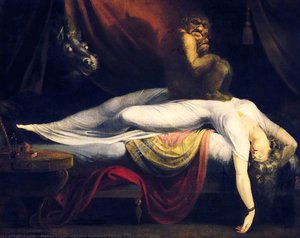
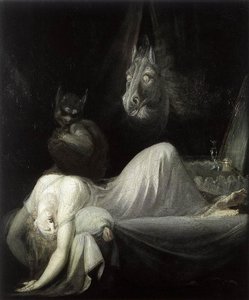
フュースリーの絵画は、しばしば夢や悪夢といった超自然的な体験を描いています。「悪夢」はその代表作であり、独特なスタイルを確立しました。また、ジョン・ミルトンの作品に基づいた一連の絵画も制作し、ボイドールのシェイクスピア・ギャラリーに匹敵する「ミルトン・ギャラリー」の創設を目指しました。彼の作品には、常に深遠な象徴性が込められており、見る者の想像力を掻き立てます。主要作品と芸術界への影響
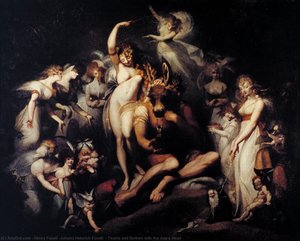
フュースリーは、シェイクスピアの妖精譚をモチーフにした「ティタニア、ボトムと妖精たち」など、数多くの傑作を生み出しました。ロイヤル・アカデミーでは絵画教授および学芸員を務め、ウィリアム・ブレイクをはじめとする若いイギリス人芸術家たちに大きな影響を与えました。彼の作品は、当時の芸術界に新たな潮流をもたらし、ロマン主義の幕開けを告げるものとなりました。遺産と後世への貢献
フュースリーのスタイルは、多くの若いイギリス人芸術家に多大な影響を与え、その超自然的なテーマは今もなお美術愛者を魅了し続けています。チューリッヒ美術館(Kunsthaus Zürich)には「悪夢」をはじめとする彼の作品が幅広く所蔵されており、アルベルティーナ美術館(Wien, Austria)では、「オデュッセウスに未来を告げるテイレスイアス」という水彩画を見ることができます。フュースリーの遺産は、彼の数多くの作品を通して、様々な美術館やコレクションで探求することができます。 参考文献: ArtsDotでさらに多くのフュースリー作品を見る: ヨハン・ハインリヒ・フュースリー | 12点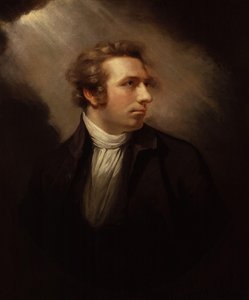
ヨハン・ハインリヒ・フュースリー
1741 - 1825 , スイス
基本情報
- Artistic Movement Or Style: ロマン主義、新古典主義
- Artists Or Movements Influenced By This Artist: ['ウィリアム・ブレイク']
- Artists Who Influenced This Artist:
- ティツィアーノ
- カラヴァッジョ
- Date Of Birth: 1741年2月7日
- Date Of Death: 1825年
- Full Name: ヨハン・ハインリヒ・フュースリー
- Nationality: スイス人
- Notable Artworks (List Of Titles):
- 悪夢
- ティタニアと妖精たち
- Place Of Birth (City And Country): スイス、チューリッヒ
関連記事
The Refined Aesthetic of Victorian Illustration: A Study in Narrative & Technique
Explore the captivating world of Victorian illustration! Discover Pre-Raphaelite influences, key artists like Rossetti & Stephens, and the era's rich narrative detail. A deep dive for art enthusiasts.
John Atkinson Grimshaw: Atmospheric Realism & the Victorian Nocturne
Explore the captivating world of John Atkinson Grimshaw, Victorian master of atmospheric nightscapes. Discover his iconic paintings, unique techniques & enduring legacy. Learn about collecting Grimshaw's art today!
Embrace the Drama: A Curated Guide to Victorian Romanticism for Sophisticated Home Decor
Transform your space with the dramatic elegance of Victorian Romanticism. Discover expert tips on incorporating Pre-Raphaelite art, rich textures, and moody palettes into your home decor to create a sophisticated, soulful sanctuary that celebrates historical grandeur.
Beyond Myth & Madness: Exploring the Visionary Art of Johann Heinrich Füssli
Explore the captivating world of Johann Heinrich Füssli (Henry Fuseli), a master of Romantic art. Discover his iconic 'The Nightmare' and Shakespearean scenes, plus insights for collectors & enthusiasts.
ダンテ・ガブリエル・ロセッティ傑作25選:美と象徴が織りなす芸術の世界 | ArtsDot
ダンテ・ガブリエル・ロセッティの傑作25選。プレラファエライトの象徴主義、美しい女性画の世界へ。油絵やアートプリントで、リビングや寝室を彩るインテリアアートを見つけましょう。ArtsDot.comで名画コレクションを探索。