

 プレビュー
プレビュー
 プリントを購入
 シェアする
シェアする シェアする
シェアする
 詳細を見る
詳細を見る

 ダウンロード
 似ている作品
 X線調査
X線調査 スライドショー
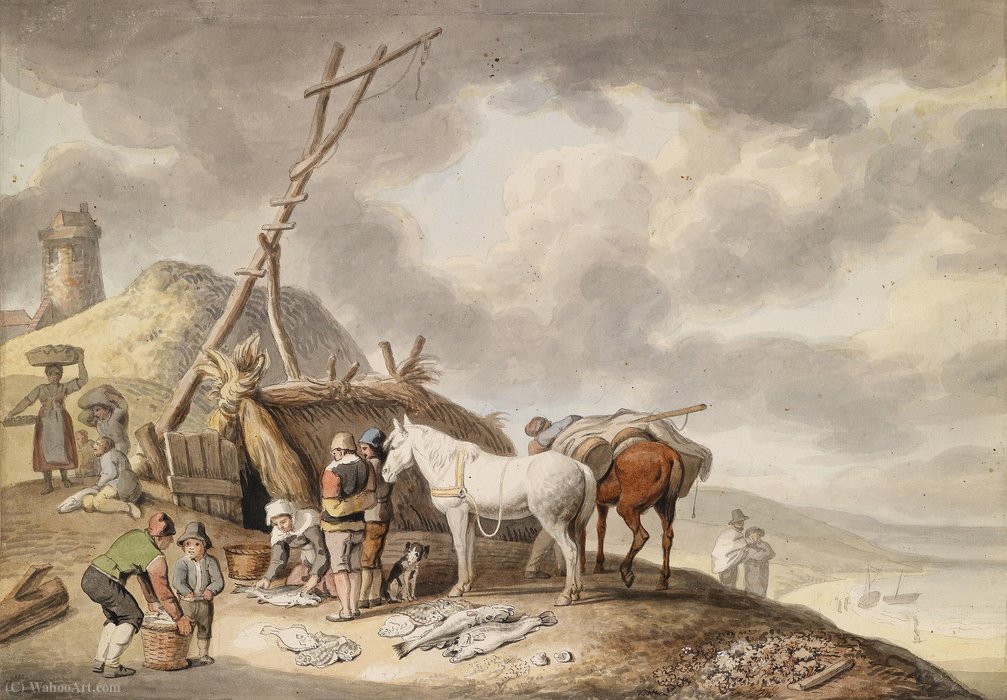
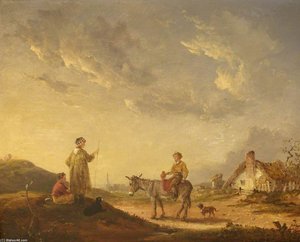
A fishing village

 詳細を見る
詳細を見る




P118B $10

P118H $10

P118W $10

P438Z $10

P508JH $12

P508YH $12

P805H $10

P805Z $10

P919BZ $10

P919G $10

P919XJ $10

P959ZH $10

P968JZ $12

W106C $8

W218G $10

W218JH $8

W218Y $10

W307PJ $10

W316G $10

W316PJ $8

W316Y $10

W398PJ $8

W4111J $10

W500HY $15

W500JH $15

W692G $12

W849H $8

W940BG $15

W953PJ $8




作品のオリジナル比率に合わせた、当店の規定サイズからお選びください。

特定のフレームやスペースに合わせて、ご希望のサイズをご入力いただけます。選択されたサイズが元の画像の比率と異なる場合、アートワークをトリミングするか、手描きで要素を追加して絵画を拡張いたします。デジタルモックアップ を制作し、制作開始前にご確認(承認)をいただきます。
画面上のプレビューは、実際のトリミングや拡張を正確に反映しているものではありません。最終的な構図は、モックアップによってのみ正確にご確認いただけます。
カスタムサイズもご利用いただけますが、元の比率を維持するためには、あらかじめ用意されたリストからサイズを選択することをお勧めいたします。
ご注文後、ArtsDot.com チームより詳細な指示をお送りするとともに、仕上がりイメージ(モックアップ)をご提供いたします。


 ガラスオプションは、110cm未満のサイズでのみご利用いただけます。

A fishing village
複製技法
複製画のサイズ
-


合計金額
$ 263
Johann Heinrich Tischbein the Younger: A Pioneer of Romantic Engraving
Johann Heinrich Tischbein the Younger (1751 – 1808) occupies a prominent position within German Romantic art, primarily celebrated for his unparalleled engravings and portraits that authentically embodied the aesthetic ideals of his time. Born in Haina, Germany, he descended from a distinguished artistic lineage—his father, Johann Konrad Tischbein, was a carpenter who served as the eldest son of Johannes Heinrich Tischbein (1682–1764), establishing a family tradition rooted in craftsmanship and artistic pursuit.
This familial connection profoundly influenced Tischbein’s formative years, fostering an early appreciation for visual arts under the tutelage of his uncle, Johann Heinrich Tischbein Senior—a sculptor who established a celebrated art gallery for William VIII, Landgrave of Hesse-Kassel. This mentorship instilled in him not only technical proficiency but also a deep understanding of artistic expression and its role in shaping cultural perception.
The Style of Delicate Observation
Tischbein’s artistic journey commenced with formal training in Amsterdam, where he immersed himself in the vibrant atmosphere of Dutch Baroque art. He diligently studied alongside accomplished artists, absorbing influences from masters renowned for their meticulous detail and nuanced tonal gradations—a stylistic approach that would become characteristic of his oeuvre. Unlike the grand narratives favored by earlier periods, Tischbein’s work prioritized capturing fleeting moments of beauty and emotion with remarkable precision.
His engravings distinguished themselves through a masterful blend of realism and expressive artistry. He skillfully employed hatching and stippling techniques—precise methods of applying dots or lines to create tonal variations—to convey subtle nuances of light and shadow, thereby imbuing his subjects with palpable vitality. This meticulous attention to detail reflected Tischbein’s belief that true artistic achievement resided in faithfully representing the observable world while simultaneously conveying profound psychological insight.
A Reflection of Hesse-Kassel's Artistic Vision
The Landgrave’s gallery, overseen by Tischbein Senior, served as a crucible for artistic innovation and intellectual discourse. It fostered an environment conducive to experimentation with new materials and techniques—a spirit that permeated Tischbein’s own creative endeavors. His engravings frequently depicted scenes from pastoral landscapes—idyllic depictions of rural life imbued with symbolic resonance—underscoring Hesse-Kassel’s commitment to cultivating a refined aesthetic sensibility.
Furthermore, Tischbein's portraits captured the essence of his subjects—often conveying not merely physical likeness but also inner character and emotional depth. He skillfully utilized chiaroscuro—the dramatic interplay between light and dark—to sculpt form and delineate features with remarkable subtlety. Through this masterful manipulation of tonal values, Tischbein succeeded in transforming his canvases into windows onto the human psyche.
Symbolism and Emotional Resonance
The imagery employed by Tischbein resonated deeply with audiences of his era, reflecting prevailing Romantic sensibilities—a movement characterized by an ardent devotion to emotion, imagination, and individualism. Recurring motifs—such as horses and pastoral vistas—carried symbolic significance, conveying ideas related to nobility, freedom, and the sublime beauty of nature.
Ultimately, Tischbein’s engravings transcended mere technical virtuosity; they communicated a profound emotional experience—a testament to his artistic genius and enduring legacy. They continue to inspire admiration for their exquisite craftsmanship and evocative portrayal of human emotion, securing their place as cornerstones of German Romantic art history.
関連作品
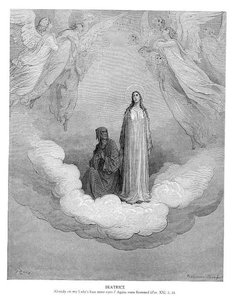
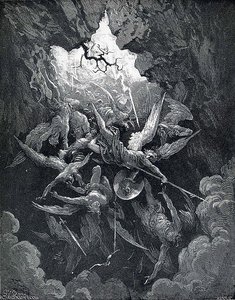
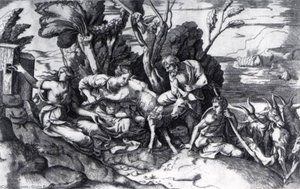
アーティストの略歴
ヨハン・ハインリヒ・ティシュバイン・ザ・ヤンガーが遺したもの
ヨハン・ハインリヒ・ティシュバイン・ザ・ヤンガーは、ドイツ・ロマン主義美術における極めて重要な人物として、その時代の精神を見事に捉えた見事な銅版画と肖像画で広く知られています。1751年、ドイツのハイナに生まれた彼は、芸術的な才能が息づく由緒正しき家系に生まれ、その歩みは家族の伝統に深く根ざしていました。父ヨハン・コンラート・ティシュバインは熟練した職人であり、叔父である彫刻家のヨハン・ハインリヒ・ティシュバイン・シニアは、ヘッセン=カッセルの領主ウィリアム8世のために著名な画廊を設立しました。この芸術的な血脈は、彼に比類なき基礎を与え、幼い頃から視覚芸術への深い愛着を育むとともに、重要な文化運動の中心へと彼を導くこととなったのです。
彼の芸術的な旅路はアムステルダムでの正式な訓練から始まりました。そこで彼は同時代の芸術家たちと共に技術を磨き上げ、オランダ・バロック様式の美学から深い影響を受けました。しかし、彼にとって真の創造の拠点となったのはカッセルでした。画廊の「検査官」という役職に就いたことは、単なる職業上の節目にとどまりませんでした。それは彼に当時の最も重要な芸術的動向への比類なきアクセスを可能にし、その後のキャリアを飛躍させるコラボレーションをもたらしたのです。また、彼の人生は深い責任感と後進の育成でも彩られています。甥のフランツ・プフォルに対し、献身的に教育を施し、名高いウィーン美術アカデミーへの入学を確実にしたことは、その証左といえるでしょう。
主題と技法における多才な習熟
ティシュバインの作品群は、18世紀後半の多様な芸術的風景を自在に渡り歩くことができる、驚くべき多才さを特徴としています。彼は肖像画の巨匠であり、被写体にロマン主義の黎明期を反映した心理的な深みを与えることに長けていました。その中でも特筆すべきは1771年のグートフリード・アウグスト・ビュルガーの肖像画です。この作品は単なる容貌の記録ではなく、当時の知的な熱狂の本質をも捉えています。人間の感情を紙やキャンバスへと翻訳する彼の卓越した能力は、彼を同時代の精神を伝える記録者として、人々から求められる存在にしました。
肖像画が持つ親密な世界を超えて、ティシュバインは風景画や動物画を通じて、劇的な瞬間と静謐な美の両極を見事に描き出しました。
- 風景画: 『フラスカティの風景』などの作品において、彼は緩やかな丘陵や古木が織りなす穏やかな情景を構成する類まれな才能を発揮し、観る者を静かな瞑想へと誘いました。
- 野生とドラマ: 彼の銅版画は、自然界に潜む緊張感をしばしば探求しました。鮮烈な例として、茂みからキツネが現れた瞬間の驚きを捉えた、ガチョウの一家を描いた作品があり、動きと物語的なドラマを表現する彼の才能が光っています。
- 木炭画と細部へのこだわり: 彼の技術的範囲は繊細な木炭画にまで及び、『少女の頭部の斜め前からの図』などでは、光と影を巧みに操ることで、魅惑的で生命感あふれる質感を創り出しました。
歴史的な意義と芸術的影響
ドイツ美術の正典におけるティシュバインの貢献は、個々の作品の枠を超えています。彼は、先人たちの古典的な伝統と、ロマン主義運動の感情豊かな力強さを結びつける、極めて重要な架け橋としての役割を果たしました。彼の作品は、啓蒙主義の整然とした優雅さから、より激動的で自然に焦点を当てた19世紀の探求へと移り変わる過渡期を体現しています。人間の表情と手つかずの自然界の両方を記録することで、彼はその時代の文化的な変遷と共鳴する視覚言語の確立に寄与したのです。
今日においても、ヨハン・ハインリヒ・ティシュバイン・ザ・ヤンガーの作品は、ドイツ・ロマン主義の進化を理解する上で欠かせないものです。緻密な細部と深い感情的な響きを融合させる彼の力は、今なお美術史家や芸術愛好家を魅了し続けています。銅版画、肖察画、そして風景画を通じて、彼はヨーロッパの芸術的景観に消えることのない足跡を残しました。自然の刹那的な瞬間と、人類の不朽の精神を、時代を超えた創作物の中に永遠に留めているのです。
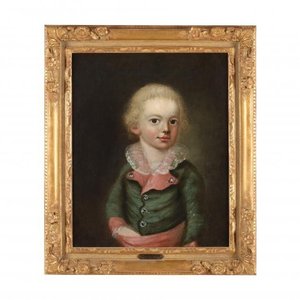
ヨハン・ハインリヒ・ティシュバイン・ザ・ヤンガー
1742 - 1808 , ドイツ
基本情報
- Artistic Movement Or Style: ロマン主義
- Artists Or Movements Influenced By This Artist: ['ゲーテ']
- Artists Who Influenced This Artist: ['ヨハン・コンラート・ティシュバイン']
- Date Of Birth: 1751年11月28日
- Full Name: ヨハン・ハインリヒ・ティシュバイン・ザ・ヤンガー
- Nationality: ドイツ人
- Notable Artworks:
- コラディンとフリードリヒ
- アルケスティの犠牲
- ガチョウと雌ガチョウ...
- Place Of Birth: ハイナ、ドイツ
関連記事
Engraving's Golden Age: 10 Masterpieces That Redefined Art | ArtsDot
Journey through art history with our Top 10 Legendary Engravings! Explore masterpieces by Dürer, Rembrandt & Goya. Discover the stories behind these iconic prints and find museum-quality reproductions for your home at ArtsDot.com.
Engraving: A Historical Survey of Technique, Artistic Expression & Enduring Legacy
Explore the rich history of engraving with ArtsDot. Discover techniques, iconic artists like Dürer & Callot, collecting tips, and expert guidance for preserving your art investment. Learn about intaglio printing & more!

バロック美術を極めた至宝:時代を彩る10大名作の世界
バロック美術の華!カラヴァッジョ、ベルニーニら巨匠が創り上げた10大名作を徹底解剖。ドラマチックな色彩と豪華絢爛の世界観に触れ、至宝のアートプリントで空間を彩ろう。ArtsDot.comで美術館品質の複製と洗練されたインテリアを見つけましょう!
The Intricate World of Engraving: A Historical Survey of Technique, Artistic Expression & Enduring Legacy
Explore the rich history of engraving with ArtsDot. Discover techniques, iconic artists like Dürer & Callot, collecting tips, and expert guidance for preserving your art investment. Learn about intaglio printing & more!

バロックのドラマ:現代のインテリアに壮麗さと情感を取り込む
バロック様式の歴史、絵画、家具の魅力をご紹介。ArtsDotでは、高品質な油絵複製やカスタムポートレートをご提供し、現代のインテリアに壮麗さと情感を取り入れます。アートコンサルテーションも承ります。

