

 プレビュー
プレビュー
 プリントを購入
 シェアする
シェアする シェアする
シェアする
 詳細を見る
詳細を見る

 ダウンロード
 似ている作品
 X線調査
X線調査 スライドショー
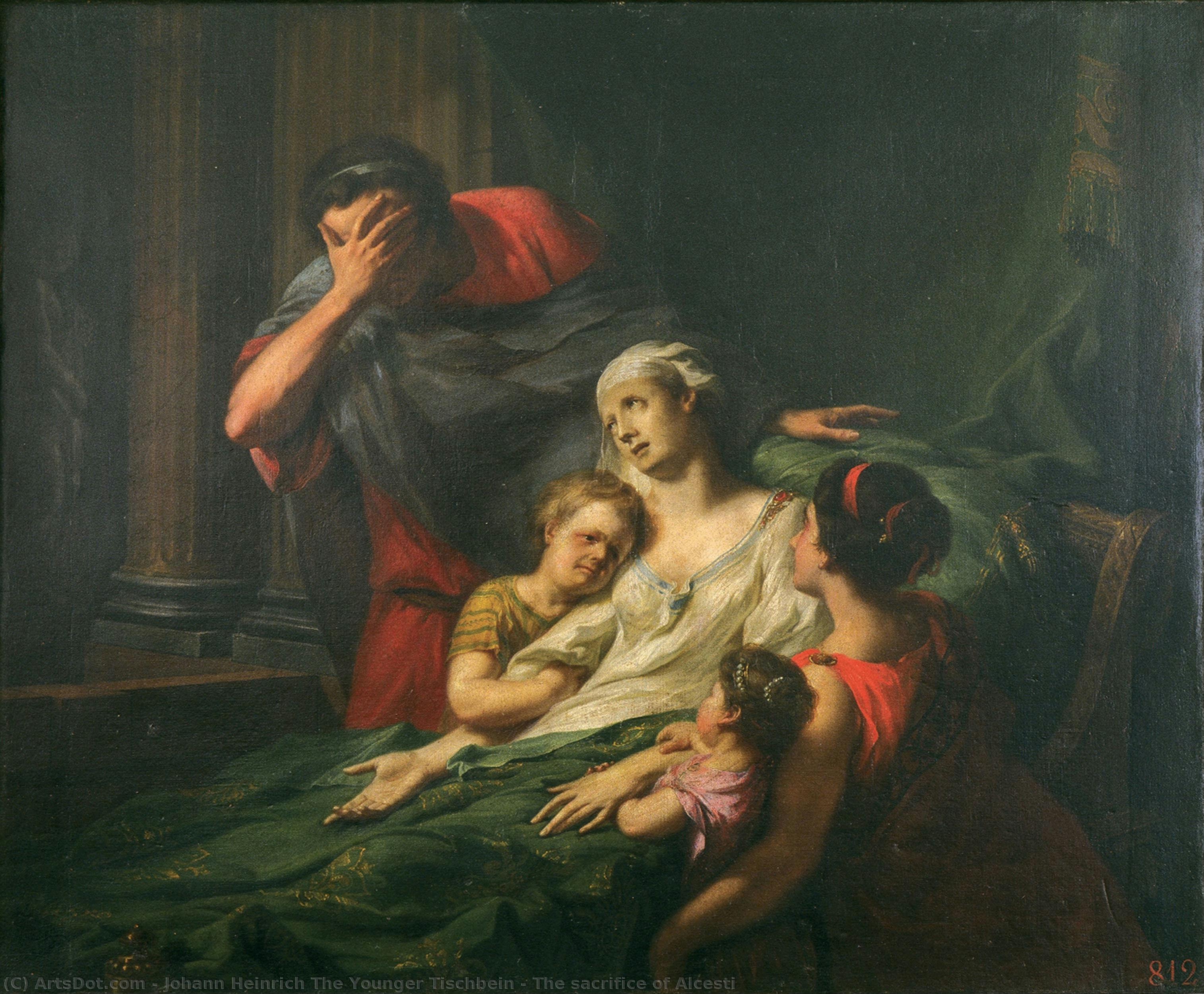
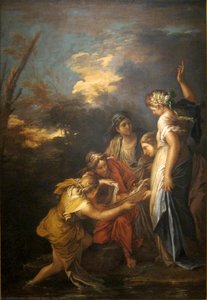
The sacrifice of Alcesti


 詳細を見る
詳細を見る




P118B $10

P118H $10

P118W $10

P438Z $10

P508JH $12

P508YH $12

P805H $10

P805Z $10

P919BZ $10

P919G $10

P919XJ $10

P959ZH $10

P968JZ $12

W106C $8

W218G $10

W218JH $8

W218Y $10

W307PJ $10

W316G $10

W316PJ $8

W316Y $10

W398PJ $8

W4111J $10

W500HY $15

W500JH $15

W692G $12

W849H $8

W940BG $15

W953PJ $8




作品のオリジナル比率に合わせた、当店の規定サイズからお選びください。

特定のフレームやスペースに合わせて、ご希望のサイズをご入力いただけます。選択されたサイズが元の画像の比率と異なる場合、アートワークをトリミングするか、手描きで要素を追加して絵画を拡張いたします。デジタルモックアップ を制作し、制作開始前にご確認(承認)をいただきます。
画面上のプレビューは、実際のトリミングや拡張を正確に反映しているものではありません。最終的な構図は、モックアップによってのみ正確にご確認いただけます。
カスタムサイズもご利用いただけますが、元の比率を維持するためには、あらかじめ用意されたリストからサイズを選択することをお勧めいたします。
ご注文後、ArtsDot.com チームより詳細な指示をお送りするとともに、仕上がりイメージ(モックアップ)をご提供いたします。


 ガラスオプションは、110cm未満のサイズでのみご利用いただけます。

The sacrifice of Alcesti
複製技法
複製画のサイズ
-


合計金額
$ 263
A Portrait Steeped in Romantic Sentiment: Tischbein's Engraving of Wilhelm VIII
The engraving by Johann Heinrich Tischbein the Younger depicts Wilhelm VIII, Landgrave of Hesse-Kassel, alongside his family—his wife Louise Henriette Adelaide of Schwarzburg-Rudolfenburg and their three children. Completed in 1781, this artwork transcends mere representation; it embodies the burgeoning Romantic spirit that characterized German art during the Enlightenment’s waning years. Tischbein's meticulous attention to detail elevates the portrait beyond a simple likeness, transforming it into a profound exploration of familial bonds and aristocratic dignity.Style and Technique: Baroque Legacy Refined
Tischbein skillfully blends elements of Baroque sculpture with Romantic artistic sensibilities. The engraving showcases a masterful command of chiaroscuro—the dramatic interplay between light and shadow—a technique inherited from his father’s sculptural endeavors. However, unlike the rigid formality typical of Baroque art, Tischbein imbues the composition with an organic fluidity that reflects the Romantic preoccupation with emotion and subjective experience. Lines are delicately etched to convey texture and depth, capturing the subtle nuances of facial expressions and drapery folds—a testament to Tischbein's exceptional technical prowess.Historical Context: Hesse-Kassel Under Wilhelm VIII’s Reign
Wilhelm VIII ascended to the Landgrave’s throne in 1768, ushering in an era marked by cultural patronage and artistic innovation. Hesse-Kassel became a beacon of Enlightenment ideals, fostering intellectual discourse and supporting artists like Tischbein who sought to capture the grandeur of their kingdom. The engraving serves as a visual chronicle of this period, reflecting Wilhelm VIII’s commitment to upholding tradition while embracing progressive artistic pursuits—a duality that resonates throughout the artwork's narrative.Symbolism: Family Values Illuminated
The familial tableau depicted in the engraving carries significant symbolic weight. Louise Henriette Adelaide and her children represent the cornerstone of noble lineage—the continuation of family heritage and the preservation of aristocratic virtues. Wilhelm VIII’s dignified posture conveys authority and responsibility, embodying the Landgrave's role as protector of his realm and guardian of moral integrity. The careful arrangement of figures underscores the Romantic belief in the sanctity of domestic life and the importance of familial harmony.Emotional Impact: Capturing Inner Grace
Ultimately, Tischbein’s engraving succeeds in conveying a palpable sense of inner grace—a quiet contemplation that transcends superficial beauty. The serene expressions on Wilhelm VIII's face and Louise Henriette Adelaide’s gaze invite viewers to contemplate themes of love, devotion, and familial affection. More than just an image of royalty, the portrait speaks to universal human emotions, reminding us of the enduring power of family bonds and the sublime allure of artistic contemplation. It remains a cherished exemplar of Romantic art's ability to illuminate the complexities of human experience with breathtaking precision and evocative artistry.関連作品
アーティストの略歴
ヨハン・ハインリヒ・ティシュバイン・ザ・ヤンガーが遺したもの
ヨハン・ハインリヒ・ティシュバイン・ザ・ヤンガーは、ドイツ・ロマン主義美術における極めて重要な人物として、その時代の精神を見事に捉えた見事な銅版画と肖像画で広く知られています。1751年、ドイツのハイナに生まれた彼は、芸術的な才能が息づく由緒正しき家系に生まれ、その歩みは家族の伝統に深く根ざしていました。父ヨハン・コンラート・ティシュバインは熟練した職人であり、叔父である彫刻家のヨハン・ハインリヒ・ティシュバイン・シニアは、ヘッセン=カッセルの領主ウィリアム8世のために著名な画廊を設立しました。この芸術的な血脈は、彼に比類なき基礎を与え、幼い頃から視覚芸術への深い愛着を育むとともに、重要な文化運動の中心へと彼を導くこととなったのです。
彼の芸術的な旅路はアムステルダムでの正式な訓練から始まりました。そこで彼は同時代の芸術家たちと共に技術を磨き上げ、オランダ・バロック様式の美学から深い影響を受けました。しかし、彼にとって真の創造の拠点となったのはカッセルでした。画廊の「検査官」という役職に就いたことは、単なる職業上の節目にとどまりませんでした。それは彼に当時の最も重要な芸術的動向への比類なきアクセスを可能にし、その後のキャリアを飛躍させるコラボレーションをもたらしたのです。また、彼の人生は深い責任感と後進の育成でも彩られています。甥のフランツ・プフォルに対し、献身的に教育を施し、名高いウィーン美術アカデミーへの入学を確実にしたことは、その証左といえるでしょう。
主題と技法における多才な習熟
ティシュバインの作品群は、18世紀後半の多様な芸術的風景を自在に渡り歩くことができる、驚くべき多才さを特徴としています。彼は肖像画の巨匠であり、被写体にロマン主義の黎明期を反映した心理的な深みを与えることに長けていました。その中でも特筆すべきは1771年のグートフリード・アウグスト・ビュルガーの肖像画です。この作品は単なる容貌の記録ではなく、当時の知的な熱狂の本質をも捉えています。人間の感情を紙やキャンバスへと翻訳する彼の卓越した能力は、彼を同時代の精神を伝える記録者として、人々から求められる存在にしました。
肖像画が持つ親密な世界を超えて、ティシュバインは風景画や動物画を通じて、劇的な瞬間と静謐な美の両極を見事に描き出しました。
- 風景画: 『フラスカティの風景』などの作品において、彼は緩やかな丘陵や古木が織りなす穏やかな情景を構成する類まれな才能を発揮し、観る者を静かな瞑想へと誘いました。
- 野生とドラマ: 彼の銅版画は、自然界に潜む緊張感をしばしば探求しました。鮮烈な例として、茂みからキツネが現れた瞬間の驚きを捉えた、ガチョウの一家を描いた作品があり、動きと物語的なドラマを表現する彼の才能が光っています。
- 木炭画と細部へのこだわり: 彼の技術的範囲は繊細な木炭画にまで及び、『少女の頭部の斜め前からの図』などでは、光と影を巧みに操ることで、魅惑的で生命感あふれる質感を創り出しました。
歴史的な意義と芸術的影響
ドイツ美術の正典におけるティシュバインの貢献は、個々の作品の枠を超えています。彼は、先人たちの古典的な伝統と、ロマン主義運動の感情豊かな力強さを結びつける、極めて重要な架け橋としての役割を果たしました。彼の作品は、啓蒙主義の整然とした優雅さから、より激動的で自然に焦点を当てた19世紀の探求へと移り変わる過渡期を体現しています。人間の表情と手つかずの自然界の両方を記録することで、彼はその時代の文化的な変遷と共鳴する視覚言語の確立に寄与したのです。
今日においても、ヨハン・ハインリヒ・ティシュバイン・ザ・ヤンガーの作品は、ドイツ・ロマン主義の進化を理解する上で欠かせないものです。緻密な細部と深い感情的な響きを融合させる彼の力は、今なお美術史家や芸術愛好家を魅了し続けています。銅版画、肖察画、そして風景画を通じて、彼はヨーロッパの芸術的景観に消えることのない足跡を残しました。自然の刹那的な瞬間と、人類の不朽の精神を、時代を超えた創作物の中に永遠に留めているのです。
ヨハン・ハインリヒ・ティシュバイン・ザ・ヤンガー
1742 - 1808 , ドイツ
基本情報
- Artistic Movement Or Style: ロマン主義
- Artists Or Movements Influenced By This Artist: ['ゲーテ']
- Artists Who Influenced This Artist: ['ヨハン・コンラート・ティシュバイン']
- Date Of Birth: 1751年11月28日
- Full Name: ヨハン・ハインリヒ・ティシュバイン・ザ・ヤンガー
- Nationality: ドイツ人
- Notable Artworks:
- コラディンとフリードリヒ
- アルケスティの犠牲
- ガチョウと雌ガチョウ...
- Place Of Birth: ハイナ、ドイツ
関連記事
Engraving's Golden Age: 10 Masterpieces That Redefined Art | ArtsDot
Journey through art history with our Top 10 Legendary Engravings! Explore masterpieces by Dürer, Rembrandt & Goya. Discover the stories behind these iconic prints and find museum-quality reproductions for your home at ArtsDot.com.
Engraving: A Historical Survey of Technique, Artistic Expression & Enduring Legacy
Explore the rich history of engraving with ArtsDot. Discover techniques, iconic artists like Dürer & Callot, collecting tips, and expert guidance for preserving your art investment. Learn about intaglio printing & more!

The Dramatic Flourish: Exploring the Baroque Movement's Enduring Legacy in Art History
Explore the dramatic world of Baroque art! Discover iconic artists like Caravaggio & Rubens, defining techniques, and its lasting impact on art history. Expert insights for collectors & enthusiasts at ArtsDot.
The Intricate World of Engraving: A Historical Survey of Technique, Artistic Expression & Enduring Legacy
Explore the rich history of engraving with ArtsDot. Discover techniques, iconic artists like Dürer & Callot, collecting tips, and expert guidance for preserving your art investment. Learn about intaglio printing & more!

バロックのドラマ:現代のインテリアに壮麗さと情感を取り込む
バロック様式の歴史、絵画、家具の魅力をご紹介。ArtsDotでは、高品質な油絵複製やカスタムポートレートをご提供し、現代のインテリアに壮麗さと情感を取り入れます。アートコンサルテーションも承ります。

