 プレビュー
プレビュー
 プリントを購入
 シェアする
シェアする シェアする
シェアする
 詳細を見る
詳細を見る

 ダウンロード
 似ている作品
 X線調査
X線調査 スライドショー
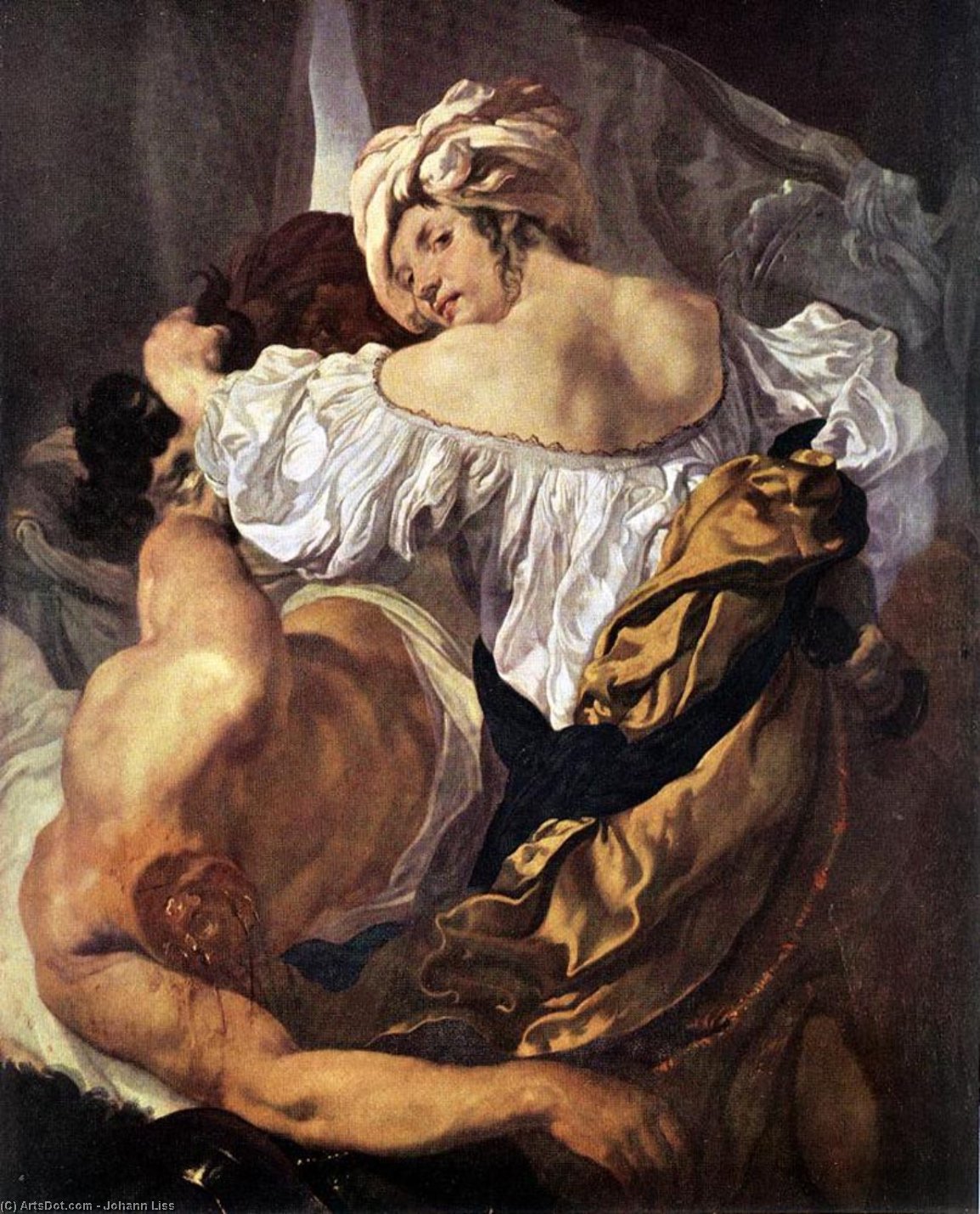
Judith and Holophernes
 Acrylic On Canvas
- WallArt
- Baroque
 1628
1628 126.0 x 102.0 cm
 Kunsthistorisches Museum
 詳細を見る
詳細を見る




P118B $10

P118H $10

P118W $10

P438Z $10

P508JH $12

P508YH $12

P805H $10

P805Z $10

P919BZ $10

P919G $10

P919XJ $10

P959ZH $10

P968JZ $12

W106C $8

W218G $10

W218JH $8

W218Y $10

W307PJ $10

W316G $10

W316PJ $8

W316Y $10

W398PJ $8

W4111J $10

W500HY $15

W500JH $15

W692G $12

W849H $8

W940BG $15

W953PJ $8




作品のオリジナル比率に合わせた、当店の規定サイズからお選びください。

特定のフレームやスペースに合わせて、ご希望のサイズをご入力いただけます。選択されたサイズが元の画像の比率と異なる場合、アートワークをトリミングするか、手描きで要素を追加して絵画を拡張いたします。デジタルモックアップ を制作し、制作開始前にご確認(承認)をいただきます。
画面上のプレビューは、実際のトリミングや拡張を正確に反映しているものではありません。最終的な構図は、モックアップによってのみ正確にご確認いただけます。
カスタムサイズもご利用いただけますが、元の比率を維持するためには、あらかじめ用意されたリストからサイズを選択することをお勧めいたします。
ご注文後、ArtsDot.com チームより詳細な指示をお送りするとともに、仕上がりイメージ(モックアップ)をご提供いたします。


 ガラスオプションは、110cm未満のサイズでのみご利用いただけます。

Judith and Holophernes
複製技法
複製画のサイズ
-


合計金額
$ 263
作品解説
The Narrative of a Heroine: Johann Liss's "Judith and Holophernes"
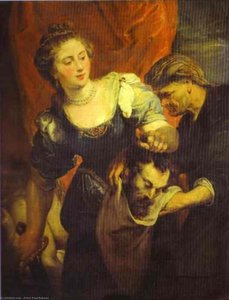
Johann Liss’s “Judith and Holophernes,” painted around 1622, is not merely a depiction of a biblical tale; it’s a carefully constructed tableau brimming with psychological depth and dramatic intensity. The painting immediately commands attention – a woman, starkly illuminated against the shadowed tent interior, wielding a gleaming knife poised over the severed head of Holofernes. This isn't a triumphant victory scene rendered in bright colors; instead, Liss employs a muted palette dominated by browns, ochres, and deep reds, creating an atmosphere of somber contemplation and unsettling realism. The composition is deliberately claustrophobic, emphasizing the vulnerability of Judith within the confines of the Assyrian tent – a space designed to evoke fear and control.
Liss’s skill lies not just in his technical proficiency—the meticulous rendering of fabric folds, the subtle play of light on skin and metal—but also in his ability to imbue the scene with an undercurrent of moral ambiguity. Judith is presented as a figure of both strength and vulnerability; her gaze is resolute, yet there’s a hint of weariness, even apprehension, in her expression. The elderly servant carrying Holofernes' head adds another layer of complexity, suggesting the brutal consequences of her actions and highlighting the cyclical nature of violence. The painting subtly challenges traditional heroic narratives, presenting Judith not as an idealized goddess but as a woman forced to commit a horrific act for the survival of her people.
A Venetian Master at Work: Liss’s Artistic Context
Liss spent a significant portion of his career in Venice, a city renowned for its vibrant artistic community and patronage system. This period profoundly influenced his style, drawing him towards the dramatic chiaroscuro techniques favored by Caravaggio and other masters of the Venetian Baroque. His use of strong contrasts between light and shadow—the brilliant illumination focused on Judith’s face and the knife, while the tent interior remains shrouded in darkness—creates a powerful sense of theatricality and heightens the emotional impact of the scene. Liss's work reflects the broader artistic trends of the time, moving away from the idealized forms of the Renaissance towards a more realistic and emotionally charged representation of human experience.
Furthermore, Liss’s background in Northern Europe—specifically Oldenburg, Holstein—contributes to the painting’s distinctive character. His early training with Hendrick Goltzius in Haarlem exposed him to the influence of Dutch Renaissance art, while his later years in Venice allowed him to absorb the dynamism and sensuality of Venetian painting. This synthesis of influences is evident in “Judith and Holophernes,” which seamlessly blends Northern realism with Southern drama.
Symbolism and Interpretation: Beyond the Biblical Story
The story of Judith and Holofernes, recounted in the deuterocanonical Book of Judith, served as a potent allegory for the struggle between good and evil throughout Christian history. Judith’s bravery and cunning represented the righteous defense of faith against tyranny, while Holofernes symbolized the forces of oppression. Liss masterfully captures this symbolic dimension through his careful selection of details and his evocative use of color and light. The knife itself is not simply a weapon; it's a symbol of Judith’s agency and her willingness to take decisive action in the face of overwhelming odds.
However, Liss doesn’t offer a straightforward moral judgment. The painting invites viewers to contemplate the ethical complexities of Judith’s actions—the justification for violence, the cost of survival, and the blurring of lines between heroism and ruthlessness. The inclusion of the elderly servant, carrying the severed head, serves as a poignant reminder of the human consequences of even the most righteous deeds.
A Legacy of Dramatic Intensity: Liss’s Enduring Appeal
“Judith and Holophernes” remains a compelling work of art due to its masterful composition, dramatic lighting, and profound psychological depth. It's a painting that transcends its biblical subject matter to speak to universal themes of courage, sacrifice, and the enduring struggle between good and evil. Liss’s ability to capture the emotional intensity of this complex narrative continues to resonate with viewers today, solidifying his place as one of the most significant figures in 17th-century Venetian painting. Reproductions of this powerful image offer a glimpse into a world of dramatic virtue—a testament to the enduring legacy of Johann Liss.
関連作品
アーティストの略歴
ピーテル・クラース:光と静物画の静かなる巨匠
1597年、ドイツのブルクシュタインフルトに生まれたピーテル・クラース――その生年は学者の間でも議論の対象となっていますが――は、17世紀オランダ絵画において最も際立った存在の一人として登場しました。その名はレンブラントやフェルメールほど即座に知られるものではないかもしれません。しかし、静かな自信に満動したクラースのスタイルと、光と空気感を操る卓越した技法は、静物画の歴史の中に彼独自の地位を確立させました。彼の作品は、日常的な品々に対する穏やかな瞑想を提示し、控えめながらも気品に満ちた美しさは、時を経た今もなお見る者の心を捉えて離しません。1661年にハーレムでその生涯を閉じた彼が遺したのは、質感や色彩、そして日常の営みに宿る繊細な詩情を深く理解した、緻密に観察された情景の数々でした。
初期の歩みと修練
クラースの幼少期に関する情報は、驚くほど乏しいものです。師匠の正体は不明ですが、おそらくハーレムの画家のもとで修行を積んだのでしょう。彼の芸術的発展は、オランダ絵画が大きな変革期を迎えた時期と重なります。それは「ダイヤモンド・ペインター」と呼ばれるグループの台頭でした。彼らは、シンプルな物体に落ちる光と影の戯れを捉えることに注力した、モノクローム調の静物画で知られる集団です。イタリアのマニエリスムや、カラヴァッジョによる劇的な明暗法(キアロスクーロ)の影響を強く受けたこの動きが、クラース独自のスタイルの礎となりました。興味深いことに、彼は1620年にアントウェルペンの聖ルカ・ギルドへの入会を認められており、ハーレムに定住する前に、フランドル地方で芸術的な探求と研鑽を積んでいたことが伺えます。
抑制と観察が定義するスタイル
クラースの絵画を特徴づけるのは、並外れた「抑制」です。同時代の画家たちが描いた華美な静物画とは対照的に、彼は凝った構図や鮮やかな色彩をあえて避けました。その代わりに、茶、グレー、黒、そして落ち着いた黄色といった限られたパレットを好み、静かな親密さと控えめな美しさを創り出したのです。ワイングラス、ナイフ、パンや魚の皿、果物の器といったシンプルな品々が並ぶ朝食のテーブルは、驚くべき正確さで細部まで描き込まれ、金属やガラス、布地の質感が克明に捉えられています。クラースの成功の鍵は、劇的な効果にあるのではなく、光と影の微細な変化を通じて空気感を呼び起こす能力にありました。彼は反射光を巧みに操ることで奥行きと量感を生み出し、ありふれた物体を、静かな瞑想へと誘う小さな小宇宙へと変貌させたのです。
- モノクロームの支配:クラースの代名詞とも言えるスタイルは、単色調のパレットの使用によって定義され、色調の変化と空気感の効果を強調しました。
- 緻密な観察眼:磨かれた銀の輝きからリネンの粗い質感に至るまで、彼は細部を極めて精緻に描き出し、鋭い観察眼を示しました。
- 繊細な光の演出:限られた空間の中に奥行きと立体感、そしてリアリズムを生み出すため、反射光を熟練の技で操りました。
影響と繋がり
クラースはしばしば独立した革新者と見なされますが、その作品がいくつかの主要な芸術的潮流から影響を受けていたことは疑いようもありません。カラヴァッジョによる劇的な光と影の使い方は、クラースが静物画の中にドラマを生み出すために反射光を用いる手法に明確に現れています。さらに、彼はヤコブ・ファン・ストールフトやピーテル・ファン・ネステといった、モノクロームの風景画や静物画で知られる他のハーレムの画家たちとも様式的な親和性を共有していました。特筆すべきは、息子のニコラス・ピータースゾーン・ベルヒェムが家族の伝統を受け継ぎ、自身も高名な風景画家へと成長したことです。これは、芸術的な技能と審美眼が明確な系譜として受け継がれていたことを物語っています。
遺産と歴史的意義
オランダ静物画におけるピーテル・クラースの貢献は、しばしば過小評価されがちです。生前には広く知れ渡るほどの名声を得たわけではありませんでしたが、その作品は、静かな美しさ、技術的な習熟、そして深い空気感ゆえに、近年ますます高く評価されるようになっています。彼の絵画は、17世紀のオランダの人々の日常生活を覗き見るユニークな窓であり、素朴な喜びと控えめな優雅さに満ちた世界を明らかにしています。今日、彼の作品はワシントンD.C.のナショナル・ギャラリーやハーレムのフランス・ハルス美術館など、世界中の権威あるコレクションに収蔵されており、この「静かなる巨匠」の驚くべき芸術的ビジョンが、後世へと語り継がれることを確かなものにしています。
彼の作品は、抑制と観察の力、そして日常の中に美を見出す能力の証として、時代を超えて見る者の心に深く響き続けているのです。
ヨハン・リス
1597 - 1630 , ドイツ
基本情報
- Artistic Movement Or Style: トナリスティック・ランドスケープ(色調風景画)
- Artists Or Movements Influenced By This Artist: ['エサイアス・ファン・デ・フェルデ']
- Artists Who Influenced This Artist:
- ヤン・ファン・ゴイエン
- サロモン・ファン・ルイスダール
- Date Of Birth: 1597年
- Date Of Death: 1661年
- Full Name: ピーテル・クラース・ファン・ハールレム
- Nationality: オランダ
- Notable Artworks:
- 朝食の静物画
- 火の灯った蝋燭のある静物画
- Place Of Birth: ドイツ、ブルクシュタインフルト
関連記事

Dutch Baroque Masters: 10 Paintings That Shaped an Era | ArtsDot
Journey through the Golden Age with our guide to the Top 10 Dutch Baroque masterpieces! Explore iconic paintings by Rembrandt, Vermeer & Frans Hals. Find museum-quality art reproductions and elevate your home decor at ArtsDot.com.

Golden Age Reflections: Dutch Baroque Painting & Cultural Innovation
Explore the Dutch Golden Age of painting! Discover key artists like Vermeer & ter Borch, their innovative techniques, and the rich cultural context behind these Baroque masterpieces. Learn about collecting & appreciating this iconic art period.

黄金世紀の巨匠たち:バロック絵画が彩る10選|ArtsDot
オランダ黄金時代の10大傑作を紐解く!レンブラント、フェルメール…バロック絵画の魅力と時代背景を深く探求。ArtsDotで、至高のアートコレクションと空間演出のヒントを見つけよう。高品質なアートプリントで、お部屋を華やかに。

バロック美術を極めた至宝:時代を彩る10大名作の世界
バロック美術の華!カラヴァッジョ、ベルニーニら巨匠が創り上げた10大名作を徹底解剖。ドラマチックな色彩と豪華絢爛の世界観に触れ、至宝のアートプリントで空間を彩ろう。ArtsDot.comで美術館品質の複製と洗練されたインテリアを見つけましょう!
Johannes Vermeer: Light, Intimacy & the Dutch Golden Age – A Comprehensive Exploration
Explore the life, techniques & enduring legacy of Johannes Vermeer, a master of Dutch Golden Age painting. Discover symbolism in his iconic works like 'The Milkmaid' and learn about his revolutionary use of light.