

 プレビュー
プレビュー
 プリントを購入
 シェアする
シェアする シェアする
シェアする
 詳細を見る
詳細を見る

 ダウンロード
 似ている作品
 X線調査
X線調査 スライドショー
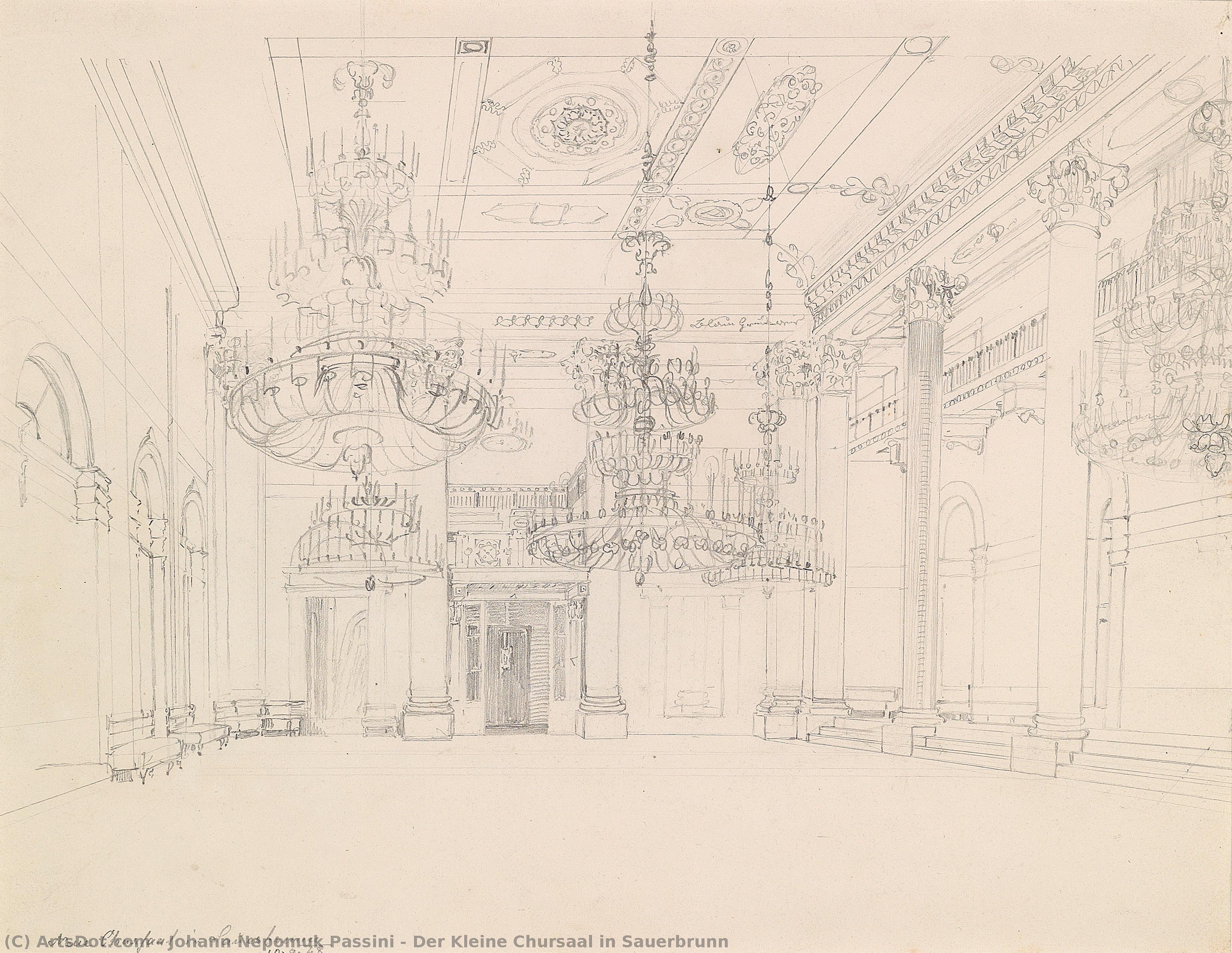
Der Kleine Chursaal in Sauerbrunn
 Romanticism
 1848
1848 33.0 x 26.0 cm
 詳細を見る
詳細を見る




































作品のオリジナル比率に合わせた、当店の規定サイズからお選びください。

特定のフレームやスペースに合わせて、ご希望のサイズをご入力いただけます。選択されたサイズが元の画像の比率と異なる場合、アートワークをトリミングするか、手描きで要素を追加して絵画を拡張いたします。デジタルモックアップ を制作し、制作開始前にご確認(承認)をいただきます。
画面上のプレビューは、実際のトリミングや拡張を正確に反映しているものではありません。最終的な構図は、モックアップによってのみ正確にご確認いただけます。
カスタムサイズもご利用いただけますが、元の比率を維持するためには、あらかじめ用意されたリストからサイズを選択することをお勧めいたします。
ご注文後、ArtsDot.com チームより詳細な指示をお送りするとともに、仕上がりイメージ(モックアップ)をご提供いたします。


 ガラスオプションは、110cm未満のサイズでのみご利用いただけます。

Der Kleine Chursaal in Sauerbrunn
複製技法
複製画のサイズ
-


合計金額
$ 263
関連作品





アーティストの略歴
A Chronicler of Austrian Life: The World of Johann Nepomuk Passini
Johann Nepomuk Passini, born in Vienna in 1798 and passing away in Graz in 1874, occupies a fascinating, yet often understated, position within the landscape of 19th-century Austrian art. He wasn’t a revolutionary innovator like some of his contemporaries; rather, he was a meticulous observer, a skilled craftsman who dedicated his life to capturing the essence of everyday existence and the burgeoning Romantic appreciation for natural beauty. Passini's artistic journey unfolded during a period of significant societal change – the decline of the Habsburg Empire, the rise of nationalism, and an increasing fascination with the picturesque. He responded to these currents not through overt political statements, but by focusing on the lives of ordinary people and the tranquil scenes that surrounded them. His work provides a valuable window into the Austria of his time, offering glimpses of rural life, burgeoning urban centers, and the quiet dignity of its inhabitants.Early Life and Artistic Training
Details surrounding Passini’s early training remain somewhat elusive, a common characteristic for artists working outside the immediate orbit of court patronage. However, it is clear he possessed a natural aptitude for draftsmanship and an eye for detail. Vienna in the late 18th and early 19th centuries was a vibrant artistic hub, steeped in the traditions of classicism but increasingly influenced by Romantic ideals emanating from Northern Europe. Passini’s initial work suggests a grounding in traditional techniques – precise rendering of form, careful attention to light and shadow – yet he quickly moved beyond mere imitation. He embraced the burgeoning medium of lithography, recognizing its potential for wider dissemination of his images. This early foray into printmaking proved crucial, establishing him as an artist capable of reaching a broader audience than was possible with traditional painting alone. His father, Ludwig Passini, also contributed to the artistic landscape, further shaping Johann’s development within a creative family environment.A Master of Multiple Mediums
Passini distinguished himself through his versatility. While perhaps best known today for his copperplate engravings and lithographs, he was equally adept as a watercolorist and genre painter. His engravings, often based on his own drawings or those of contemporaries like Johann Josef Schindler, demonstrate remarkable technical skill – the delicate lines conveying texture, depth, and atmosphere with impressive precision. These prints weren’t simply reproductions; they were carefully considered works in their own right, often enhancing the original image through subtle adjustments and artistic interpretation. His watercolors, on the other hand, reveal a more intimate connection to his subjects. Works like “Sibling Couple (October 1831)” showcase a tender sensitivity, capturing fleeting moments of childhood innocence with delicate brushstrokes and muted tones. His genre scenes, depicting rural life – woodcutters at work, families engaged in daily routines – offer poignant snapshots of Austrian society. He wasn’t interested in grand historical narratives or mythological allegories; his focus was on the beauty and dignity of ordinary lives.Romantic Sensibilities and Artistic Legacy
Passini's art is firmly rooted in the Romantic tradition, though he avoids the dramatic intensity often associated with the movement. His landscapes are characterized by a sense of tranquility, a quiet appreciation for the natural world. He wasn’t interested in portraying nature as a sublime force to be feared or conquered; rather, he sought to capture its beauty and harmony. This sensibility is evident in works like “View over the town of Bad Rohitsch-Sauerbrunn,” where the serene landscape evokes a sense of peace and contemplation. His paintings often feature figures integrated seamlessly into the environment, emphasizing the interconnectedness between humanity and nature. While Passini may not have achieved widespread international fame during his lifetime, his work remains significant for its meticulous craftsmanship, its sensitive portrayal of Austrian life, and its embodiment of Romantic ideals. He left behind a substantial body of work – engravings, lithographs, watercolors, and paintings – that continues to offer valuable insights into the art and culture of 19th-century Austria. His influence can be seen in the works of later artists who sought to capture the beauty of everyday life and the tranquility of the natural world.Rediscovering Passini Today
In recent years, there has been a growing appreciation for artists like Johann Nepomuk Passini – those whose work fell outside the mainstream narratives of art history but nonetheless offer valuable insights into their time. His paintings and prints are increasingly sought after by collectors and scholars alike, drawn to his meticulous craftsmanship, sensitive portrayal of Austrian life, and embodiment of Romantic sensibilities. The availability of reproductions, thanks to platforms like ArtsDot, allows a wider audience to experience the beauty and tranquility of his work. Passini’s legacy lies not in grand pronouncements or revolutionary innovations, but in his quiet dedication to capturing the essence of everyday existence – a chronicler of Austrian life whose art continues to resonate with viewers today.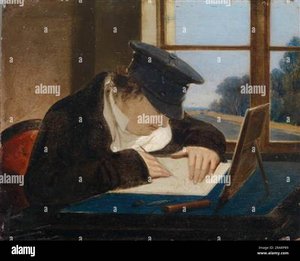
johann nepomuk passini
1798 - 1874 , Austria
基本情報
- Artistic Movement Or Style: Romanticism
- Date Of Birth: 1798
- Date Of Death: 1874
- Full Name: Johann Nepomuk Passini
- Nationality: Austrian
- Notable Artworks:
- Male Wood Cutter & Female Wood Cutter
- Sibling Couple (October 1831)
- View over Bad Rohitsch-Sauerbrunn
- Place Of Birth: Vienna, Austria